
Gaultheria nummularioides
Gaultheria nummularioidesfam. Ericaceae
Educational content — not medical, botanical, or professional advice. Plant identification, safety, and edibility depend on local conditions, cultivars, and correct identification. Consult a qualified botanist or forager before consuming or handling wild specimens. How we source & review →
Garden journal pausedUse profile notes below
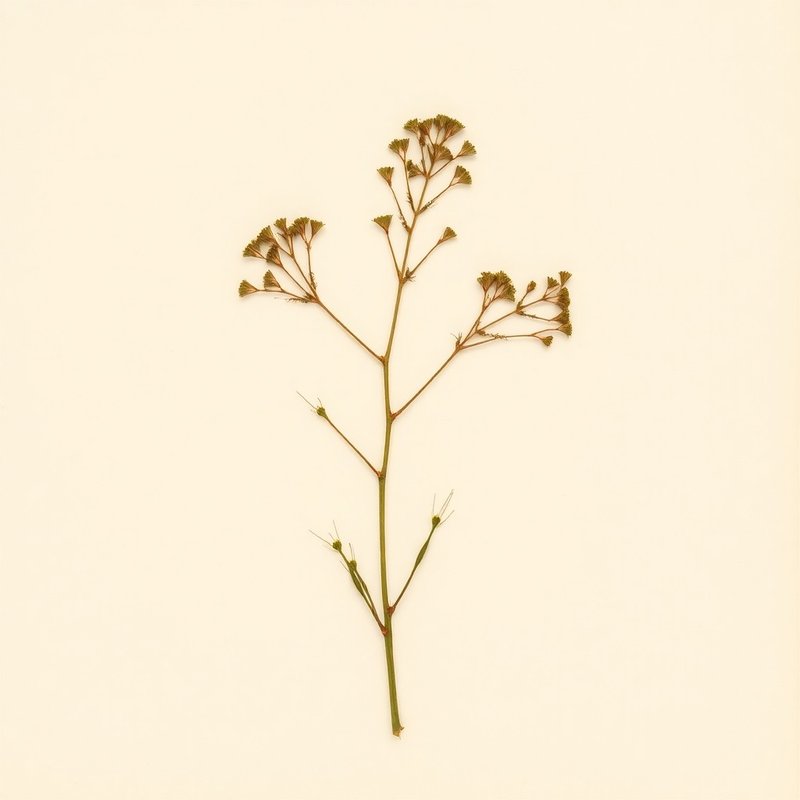
Pl. 383E — Gaultheria nummularioides
Gaultheria nummularioidesGaultheria nummularioidesGaultheria nummularioidesGaultheria nummularioidesGaultheria nummularioidesGaultheria nummularioidesGaultheria nummularioidesGaultheria nummularioidesGaultheria nummularioidesGaultheria nummularioidesGaultheria nummularioidesGaultheria nummularioidesGaultheria nummularioidesGaultheria nummularioides
IOverview
Overview
Gaultheria nummularioides is a low-growing shrub in the family Ericaceae, the heath family. It stays close to the ground, reaching only about 0.1 meters in height, a habit that suits its use as a spreading ground cover. Its native range is wide and largely montane, running from the eastern Himalayas — including Nepal, Assam, Tibet, and the East and West Himalaya — through China South-Central, Bangladesh, and Myanmar, and on into the islands of Jawa, Sumatera, and the Lesser Sunda Islands. Across this range it grows in moist, well-drained positions on light sandy to medium soils, in full sun or partial shade. The plant is valued both as an ornamental and for its fragrance, and its low, spreading tendency makes it useful for covering bare ground, edging borders, or filling rock gardens. It is listed as hardy in zones 8 through 11 and is not drought tolerant, so it does best where moisture is reliable. The small berries are edible: they can be eaten raw or dried for later use, and new plants are typically raised from seed taken from the fruit. The species is not recorded as medicinal, so no therapeutic use is documented here. Its combination of a wide natural range, compact size, and dual ornamental and edible value gives it broad appeal in suitable gardens.
Quick answers
What is Gaultheria nummularioides?
Gaultheria nummularioides is a low-growing shrub in the family Ericaceae, the heath family. It stays close to the ground, reaching only about 0.1 meters in height, a habit that suits its use as a spreading ground cover.
Growingconditions · propagation · uses
VCultivation
Cultivation
Gaultheria nummularioides grows best in full sun to partial sun or shade. This low-growing plant, reaching about 0.1 m, likes light, sandy, or medium soil that stays moist. It is hardy in zones 8 to 11. Propagate it by seed, as it is grown for its edible fruit. Native to Assam, Bangladesh, China South-Central, East Himalaya, Java, the Lesser Sunda Islands, Myanmar, Nepal, Sumatra, Tibet, and West Himalaya, it suits temperate to subtropical gardens. Provide consistent moisture and well-drained sandy or medium soil, and give it sun for part of the day with some shade during the hottest periods.
Light
Full sun, Partial sun/shade
Water
Moist
Soil
Light (sandy), Medium
Hardiness
8-11
Mature size
0.1 m tall
For first-time growers
How to grow Gaultheria nummularioides for the first time
8steps
Start with a simple planting of Gaultheria nummularioides for a rewarding beginner experience.
- 1
What you'll need
A young plant or seeds, well-draining soil, and a container or garden bed.
- 2
Best time to plant
Plant in spring when the weather starts warming up.
- 3
Soil and container prep
Use a light, sandy soil with good drainage. Ensure containers have holes for water to escape.
- 4
Sowing or transplanting
Transplant young plants carefully, ensuring roots are not damaged. For seeds, sow them lightly covered in moist soil.
- 5
First two weeks
Keep the soil consistently moist and place the plant in a partially shaded area to avoid sunburn.
- 6
Ongoing care
Water regularly but avoid overwatering. Provide partial shade, especially during hot afternoons.
- 7
Harvest or pruning
Prune lightly to maintain shape and remove any dead or damaged branches. Harvest the fruit when it turns red.
- 8
Common mistakes
Overwatering, planting in heavy soil, not providing enough shade, and neglecting regular pruning.
VIEdible & utility
Edible & utility
Edible parts:Fruit
Edible uses: The fruit of Gaultheria nummularioides is edible and can be eaten raw or used in various preparations. Typically, the small berries are consumed fresh but may also be dried for later use.
Other uses:Ground coverFragrance
Contextrange · companions · related
VIIDistribution
11 native · 0 introduced
Distribution
11 native · 0 introducedDistribution across1 continent· 11 native
Asia5 regions
native (5)BangladeshChinaIndiaMyanmarNepal
Broader regions
native:East Himalaya, Jawa, Lesser Sunda Is., Sumatera, West Himalaya
IXSpecimen gallery
1 image
Specimen gallery
1 imageXSee also
8 related
See also
8 relatedPlants you might compare or use together — scored by shared family (Ericaceae), common use cases, and growing requirements.
same family · Ericaceae
Botanical relatives — often share phytochemistry + growing needs.

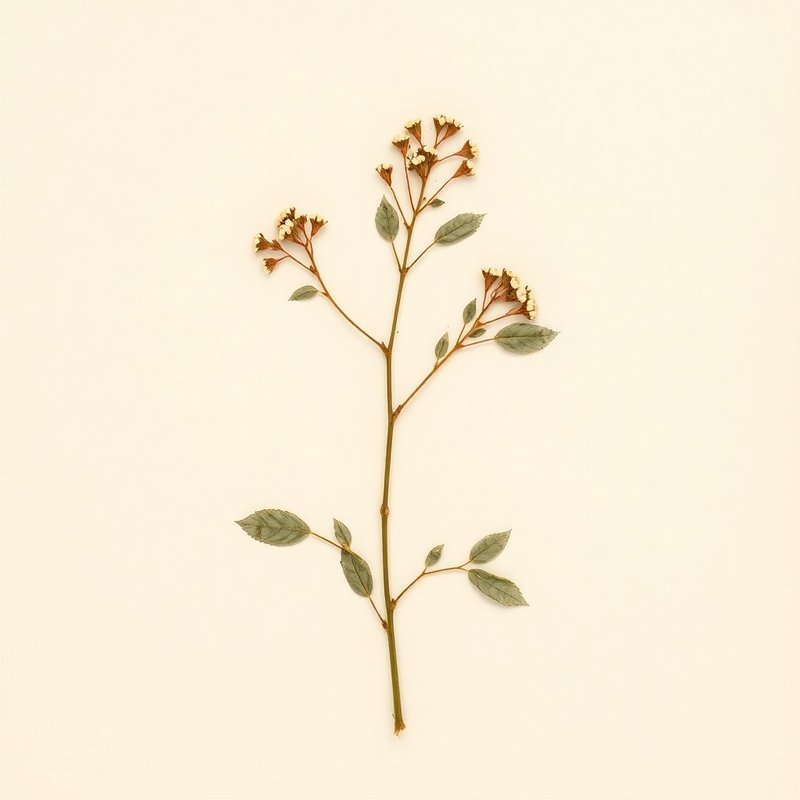
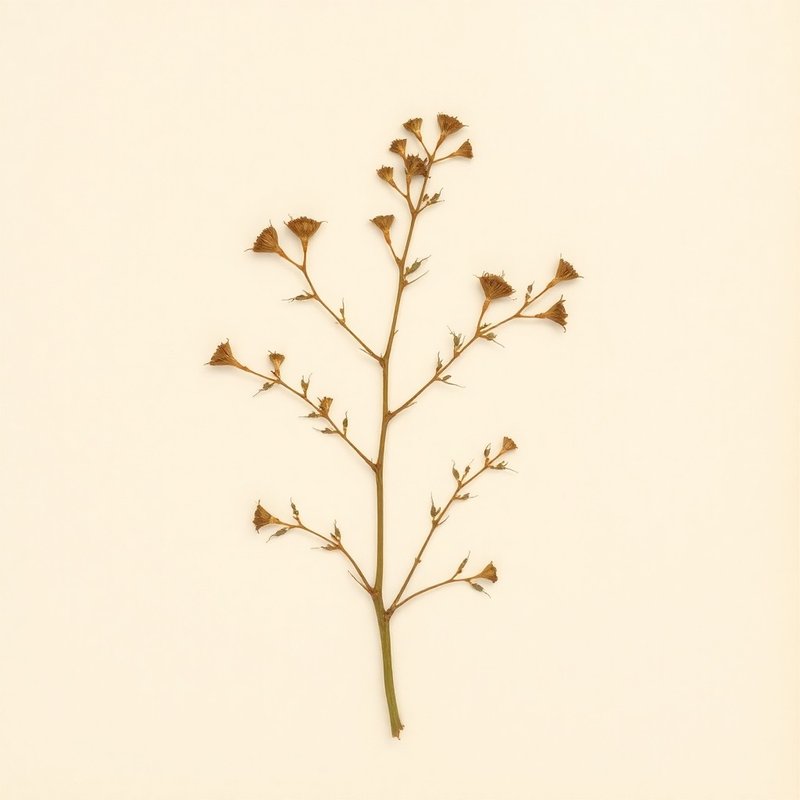
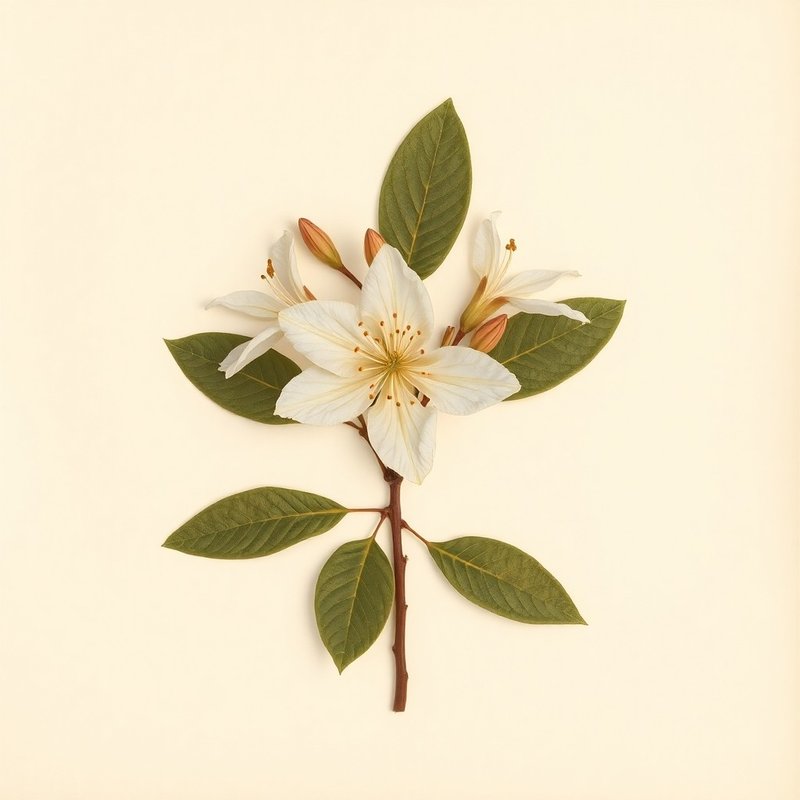

XI
Explore further
Companion planting
Compare with similar plants
Growing zone
Native to
XII
About this entry
- Last updated
- Citation
- How to cite this entry · Submit a correction
Back to the cataloguePlant id · 383e9b7d-1c00-4a0f-82c5-0a3b391a57c1
Decision aid
Choosing between Gaultheria nummularioides and something else?
Continue reading
❦❦❦❦
Endpaper · archive updates
Get archive updates
Occasional email when substantial new content lands — plant profiles, seasonal growing notes, folk-remedy additions. Free, no tracking, unsubscribe anytime.
Newsletter returning soon.
We are rebuilding the update list around a lightweight editorial workflow. New dispatches will resume after the next content review cycle.