
Breadfruit
Artocarpus altilis
Educational content — not medical, botanical, or professional advice. Always consult a qualified clinician before using any herbal preparation — especially during pregnancy, breastfeeding, while on medication, or for children. How we source & review →
Garden journal pausedUse profile notes below
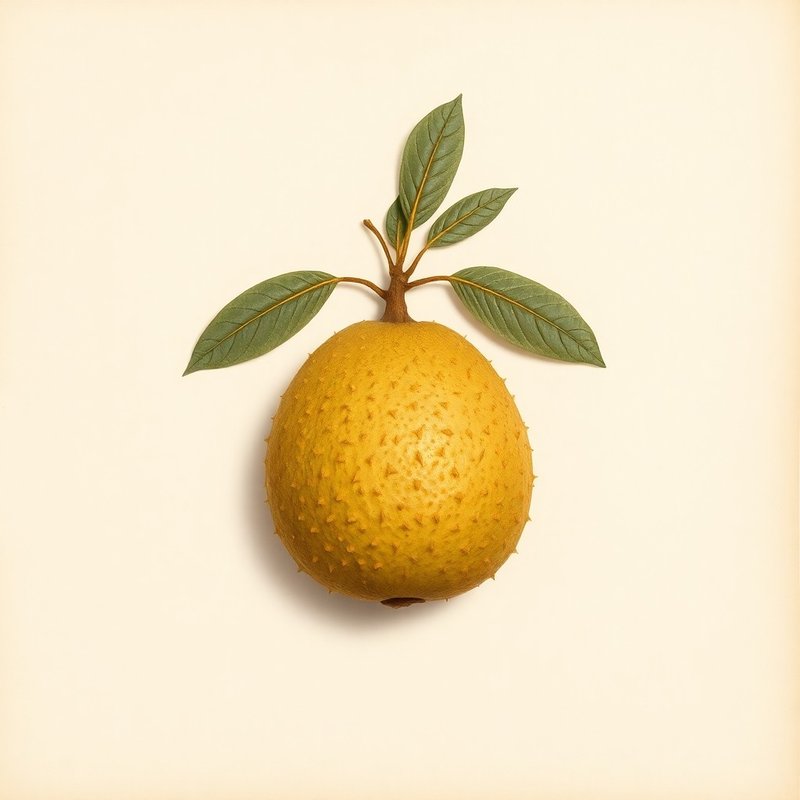
Pl. 67F0 — Artocarpus altilis
Artocarpus altilisArtocarpus altilisArtocarpus altilisArtocarpus altilisArtocarpus altilisArtocarpus altilisArtocarpus altilisArtocarpus altilisArtocarpus altilisArtocarpus altilisArtocarpus altilisArtocarpus altilisArtocarpus altilisArtocarpus altilis
IOverview
Overview
Breadfruit (Artocarpus altilis) is a large evergreen tree native to the Caroline Islands and Marianas, where it thrives in full sun with moist, well-drained soil that can range from light sandy to heavy clay. This versatile plant can grow up to 18 meters tall and is known for its edible fruit, which can be cooked and used similarly to bread or potatoes. The tree also produces flowers, leaves, and seeds that are all part of its edible offerings. One distinctive feature of the breadfruit is its large, compound leaves with a unique, lobed appearance. Another notable characteristic is its ability to propagate from young trees or suckers, making it easy to cultivate in suitable environments. Breadfruit is native to the Caroline Islands and Marianas but has been introduced to many other regions, including Andaman Islands, Bangladesh, Brazil, Cameroon, Central American Pacific, Chagos Archipelago, Comoros, Cook Islands, Costa Rica, Cuba, Dominican Republic, Ecuador, El Salvador, Fiji, Gambia, Gilbert Islands, Gulf of Guinea Islands, Hainan, Haiti, Hawaii, Honduras, India, Jamaica, Java, Laos, Leeward Islands, Lesser Sunda Islands, Line Islands, Malaya, Maldives, Maluku, Marquesas, Marshall Islands, Mexico Southeast, Nauru, New Guinea, Nicobar Islands, Niue, Peru, Philippines, Pitcairn Islands, Puerto Rico, Samoa, Santa Cruz Islands, Seychelles, Society Islands, Solomon Islands, Southwest Caribbean, Sulawesi, Sumatra, Taiwan, Tokelau-Manihiki, Tonga, Trinidad and Tobago, Tuamotu, Tubuai Islands, Tuvalu, Vanuatu, Venezuela, Venezuelan Antilles, Vietnam, and Windward Islands. The tree grows rapidly and can reach a height of 18 meters, making it a tall tree in its growth habit. It is hardy in zones 10-12 and prefers a soil pH between 4 and 7. In traditional use, breadfruit appears in herbal sources around after-meal comfort traditions, often as a decoction. PlantSage presents this as ethnobotanical context, not as medical advice. The tree's parts, including flowers, fruit, leaves, and seeds, are edible and can be used in various culinary applications. Breadfruit is also useful for its non-edible applications, such as being used as an adhesive, in textiles, for containers, dye, fiber, animal feed, fire starting, gum, pest control, windbreak, weaving material, waterproofing, and lumber.
Quick answers
What is Breadfruit?
Breadfruit (Artocarpus altilis) is a large evergreen tree native to the Caroline Islands and Marianas, where it thrives in full sun with moist, well-drained soil that can range from light sandy to heavy clay.
What is Breadfruit used for?
Traditionally used for digestion. Each claim is evidence-rated — see Section II for full citations.
Best for
Top 1 evidence-ranked use of Breadfruit
Clinicaluses · safety · chemistry · dosagemedicinal profile
IIBenefits & evidence
1 claim · traditional-use context
Benefits & evidence
1 claim · traditional-use contextTraditional-use context
These notes are presented as ethnobotanical context. No cited clinical references are catalogued for this plant yet.
- Traditional-use note: Breadfruit appears in herbal sources around after-meal comfort traditions, often as a decoction. PlantSage presents this as ethnobotanical context, not as medical advice.
Traditional context only. This reviewed claim keeps the original low confidence level, but avoids treatment, disease, dosage, or guaranteed-effect language.
▲ LimitedDigestion →
IV·bMixology suggestions
1 draft
Mixology suggestions
1 draftEditorial drafts. These pairings are AI-suggested from traditional herbal lore. Always verify with a qualified herbalist before brewing.
Digestive Comfort
digestiontincture
Traditional use for digestive issues.
Growingconditions · propagation · uses
VCultivation
Cultivation
Breadfruit thrives in full sun and requires moist soil that can be light (sandy), medium, or heavy (clay). It is hardy in temperate regions with a temperature range of 10-12. Propagate the tree using young trees or suckers. The plant grows to a height of 18 meters and produces edible flowers, fruit, leaves, and seeds. Ensure the soil pH remains between 4 and 7 for optimal growth.
Light
Full sun
Water
Moist
Soil
Light (sandy), Medium, Heavy (clay)
Hardiness
10-12
Habit
Tree
Mature size
18.0 m tall
Soil pH
4–7
- Propagation
- Young tree or suckers
For first-time growers
How to grow Breadfruit for the first time
8steps
Start with a young tree or sucker for your first breadfruit planting.
- 1
What you'll need
A young breadfruit tree or sucker, a large pot if container gardening, and basic gardening tools.
- 2
Best time to plant
Plant in spring when the weather is warm and stable.
- 3
Soil and container prep
Use well-draining soil with a pH between 4 and 7. Ensure containers are at least 50 cm wide and deep.
- 4
Sowing or transplanting
Transplant young trees or cuttings directly into the ground or large pots, ensuring they have enough space to grow.
- 5
First two weeks
Water regularly to keep soil moist but not waterlogged. Monitor for pests and diseases.
- 6
Ongoing care
Provide full sun exposure and regular watering. Fertilize with a balanced fertilizer during the growing season.
- 7
Harvest or pruning
Prune young trees to shape them and remove dead branches. Harvest fruit when it turns yellow or brown.
- 8
Common mistakes
Overwatering, planting in heavy soil, not providing enough sunlight, neglecting pruning, and using the wrong fertilizer.
VIEdible & utility
Edible & utility
Edible parts:FlowersFruitLeavesSeed
Edible uses: Gum
Other uses:AdhesivetextilesContainersDyeFiberAnimal feedFire starterGumPest controlWind breakerWeaving materialWaterproofingLumber
Contextrange · companions · related
VIIDistribution
2 native · 66 introduced
Distribution
2 native · 66 introducedDistribution across4 continents· 2 native· 66 introduced
Asia7 regions
introduced (7)BangladeshIndiaLaosMaldivesPhilippinesTaiwanVietnam
Americas12 regions
introduced (12)Costa RicaCubaDominican RepublicEcuadorEl SalvadorHaitiHondurasJamaicaPeruPuerto RicoUnited StatesVenezuela
Africa4 regions
introduced (4)CameroonComorosGambiaSeychelles
Oceania6 regions
introduced (6)FijiNauruSamoaTongaTuvaluVanuatu
Broader regions
native:Caroline Is., Marianas
introduced:Andaman Is., Brazil North, Brazil Northeast, Brazil Southeast, Brazil West-Central, Central African Repu, Central American Pac, Chagos Archipelago, Cook Is., Gilbert Is., Gulf of Guinea Is., Hainan, Jawa, Leeward Is., Lesser Sunda Is., Line Is., Malaya, Maluku, Marquesas, Marshall Is., Mexico Southeast, New Guinea, Nicobar Is., Niue, Pitcairn Is., Santa Cruz Is., Society Is., Solomon Is., Southwest Caribbean, Sulawesi, Sumatera, Tokelau-Manihiki, Trinidad-Tobago, Tuamotu, Tubuai Is., Venezuelan Antilles, Windward Is.
IXSpecimen gallery
1 image
Specimen gallery
1 imageXSee also
8 related
See also
8 relatedPlants you might compare or use together — scored by shared family, common use cases, and growing requirements.
shared use cases
Different families, similar therapeutic role — good for comparing.
XI
Explore further
Companion planting
Health goals
Compare with similar plants
Growing zone
Native to
XII
About this entry
- Last updated
- Citation
- How to cite this entry · Submit a correction
Back to the cataloguePlant id · 67f063d0-8494-4d5f-9eae-23773289930b
Decision aid
Choosing between Breadfruit and something else?
Continue reading
❦❦❦❦
Endpaper · archive updates
Get archive updates
Occasional email when substantial new content lands — plant profiles, seasonal growing notes, folk-remedy additions. Free, no tracking, unsubscribe anytime.
Newsletter returning soon.
We are rebuilding the update list around a lightweight editorial workflow. New dispatches will resume after the next content review cycle.