
Asarum takaoi
IOverview
Overview
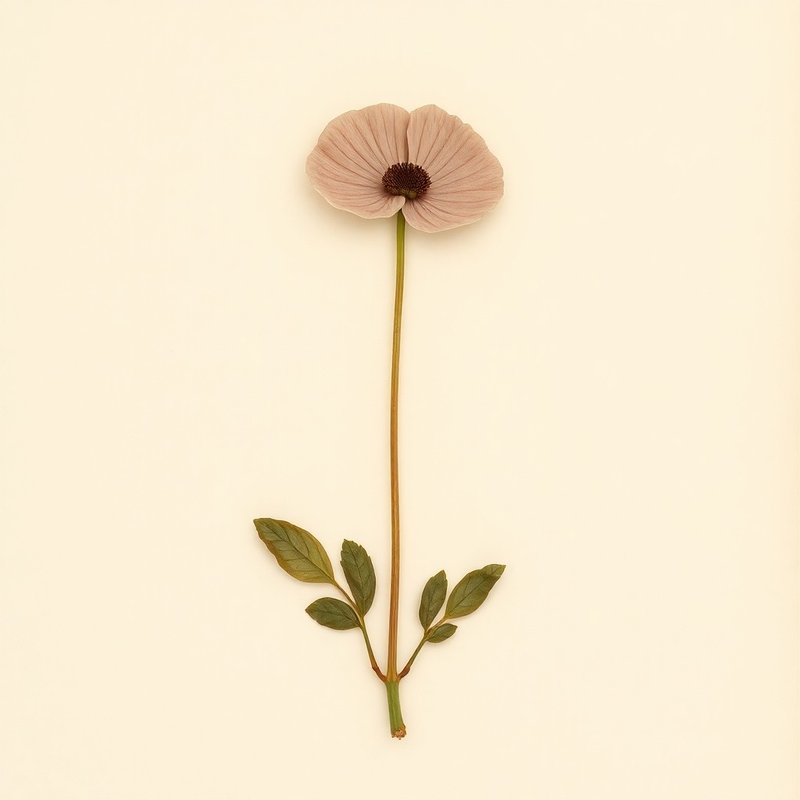
Asarum takaoi, a perennial plant native to Japan, thrives in partial sun to full shade and prefers moist soil that is light (sandy), medium, or heavy (clay). This plant is both edible and medicinal, with a distinctive edible root that can be prepared in various ways, often used raw or cooked. Asarum takaoi is native to Japan and can be found growing in diverse soil types, making it adaptable to different garden conditions. In traditional Japanese herbal medicine, the root of Asarum takaoi has been used for digestive discomfort, often prepared as a decoction to soothe the stomach and intestines. Additionally, it appears in herbal sources around calming and relaxation traditions, often as a tea. However, it is important to note that these uses are presented as ethnobotanical context and not as medical advice. This plant adds a unique touch to gardens and can be cultivated for both ornamental and culinary purposes. Its ability to thrive in various soil types and its traditional uses make Asarum takaoi a valuable addition to gardens and herbal medicine practices.
What is Asarum takaoi?
Asarum takaoi, a perennial plant native to Japan, thrives in partial sun to full shade and prefers moist soil that is light (sandy), medium, or heavy (clay). This plant is both edible and medicinal, with a distinctive edible root that can be prepared in various ways, often used raw or cooked.
What is Asarum takaoi used for?
Traditionally used for digestion, stress & anxiety. Each claim is evidence-rated — see Section II for full citations.
IIBenefits & evidence
2 claims · traditional-use context
Benefits & evidence
2 claims · traditional-use context- Asarum takaoi has been traditionally used in Japanese herbal medicine for digestive discomfort, often prepared as a decoction to soothe the stomach and intestines.
The mechanism is not fully characterised but may involve compounds that interact with gastrointestinal receptors or modulate gut motility.
▲ ModerateDigestion → - Traditional-use note: Asarum takaoi appears in herbal sources around calming and relaxation traditions, often as a tea. PlantSage presents this as ethnobotanical context, not as medical advice.
Traditional context only. This reviewed claim keeps the original moderate confidence level, but avoids treatment, disease, dosage, or guaranteed-effect language.
▲ ModerateStress & anxiety →
IV·bMixology suggestions
2 drafts
Mixology suggestions
2 draftsVCultivation
Cultivation
How to grow Asarum takaoi for the first time
Start with Asarum takaoi by providing it a shady, moist spot in your garden or container.
- 1
What you'll need
A suitable location and a container if planting in pots.
- 2
Best time to plant
Plant Asarum takaoi in spring or early fall when the weather is mild.
- 3
Soil and container prep
Ensure soil is well-draining but moisture-retentive, with a pH between 6.0 and 7.5.
- 4
Sowing or transplanting
Transplant young plants from nurseries or divide mature plants in spring.
- 5
First two weeks
Keep the soil consistently moist and avoid direct sunlight during this period.
- 6
Ongoing care
Water regularly, especially during dry spells. Mulch to retain moisture and suppress weeds.
- 7
Harvest or pruning
Prune dead leaves in late winter to maintain plant health and appearance.
VIEdible & utility
Edible & utility
VIIDistribution
1 native · 0 introduced
Distribution
1 native · 0 introducedIXSpecimen gallery
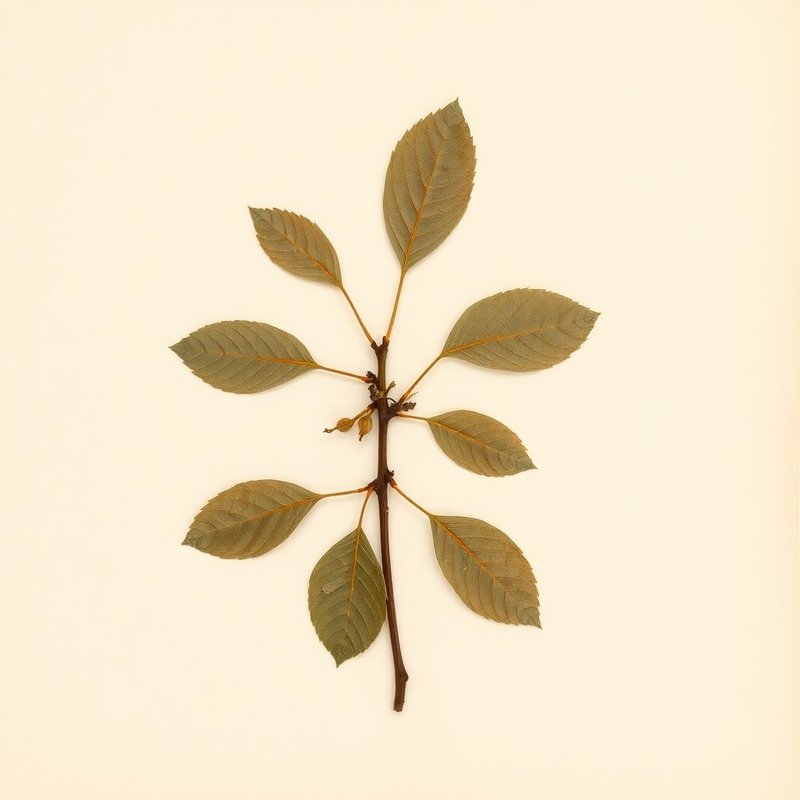
1 image
Specimen gallery
1 imageXSee also
8 related
See also
8 relatedPlants you might compare or use together — scored by shared family, common use cases, and growing requirements.
Explore further
About this entry
- Last updated
- Citation
- How to cite this entry · Submit a correction
Continue reading
Get archive updates
Occasional email when substantial new content lands — plant profiles, seasonal growing notes, folk-remedy additions. Free, no tracking, unsubscribe anytime.