
Adderstongue
IOverview
Overview
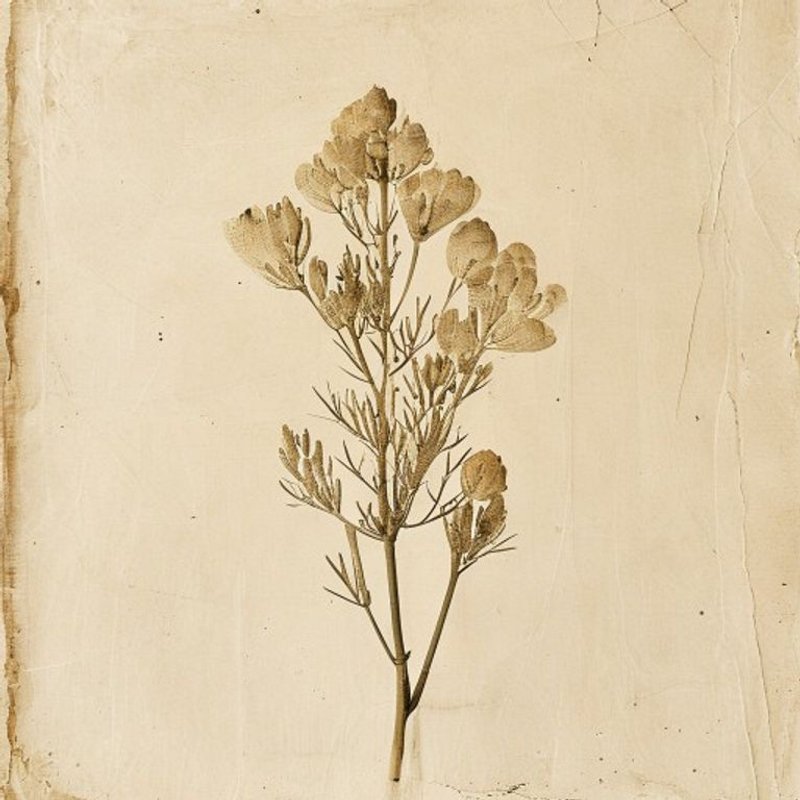
Adderstongue (Erythronium multiscapideum) is a native California plant belonging to the family Liliaceae. This herbaceous perennial thrives in partial sun and shade, requiring moist conditions and well-draining soil that can be light (sandy) or medium in texture. Standing at about 0.3 meters tall, it is known for its distinctive, narrow leaves that resemble a tongue, hence the common name. Its beauty makes it an attractive addition to shady gardens and natural landscapes. The root of Adderstongue is edible and can be harvested for consumption. Typically, it is prepared by digging up the plant and removing the fleshy roots, which are then cleaned and eaten raw or cooked. This plant has a long history of traditional use in Native American medicine, where it has been employed for digestive issues and immune support. Preparations often involve decoctions from the root, which are thought to support gastrointestinal health and maintain overall health. While the plant is edible and has medicinal uses, it is important to exercise caution when using any part of it for medicinal purposes, as self-treatment can be dangerous. Always consult with a healthcare professional before using Adderstongue or any other herbal remedy.
What is Adderstongue?
Adderstongue (Erythronium multiscapideum) is a native California plant belonging to the family Liliaceae. This herbaceous perennial thrives in partial sun and shade, requiring moist conditions and well-draining soil that can be light (sandy) or medium in texture.
What is Adderstongue used for?
Traditionally used for digestion, immune support. Each claim is evidence-rated — see Section II for full citations.
IIBenefits & evidence
2 claims · traditional-use context
Benefits & evidence
2 claims · traditional-use context- Erythronium species have been traditionally used in Native American medicine for digestive issues, often prepared as a decoction from the root. This preparation is thought to support gastrointestinal health.
The mechanism by which Erythronium supports digestion is not fully characterised but may involve compounds that interact with gut motility and inflammation pathways.
▲ ModerateDigestion → - Erythronium species have been traditionally used in Native American medicine to support immune function, often prepared as a decoction from the root. This preparation is thought to help maintain overall health.
The mechanism by which Erythronium supports immune function is not fully characterised but may involve compounds that interact with immune pathways and inflammation.
▲ ModerateImmune support →
IV·bMixology suggestions
1 draft
Mixology suggestions
1 draftVCultivation
Cultivation
How to grow Adderstongue for the first time
Start with Adderstongue for a simple, low-maintenance project.
- 1
What you'll need
Adderstongue bulbs and a small trowel.
- 2
Best time to plant
Plant in early spring or late fall when the soil is cool.
- 3
Soil and container prep
Use well-draining, light soil. Ensure containers have drainage holes.
- 4
Sowing or transplanting
Plant bulbs 5-7 cm deep with the pointy end up in a shady spot.
- 5
First two weeks
Water sparingly to avoid rotting the bulbs. Keep soil moist but not soggy.
- 6
Ongoing care
Provide partial shade and keep soil consistently moist, especially during dry spells.
- 7
Harvest or pruning
No need for harvesting; focus on maintaining healthy foliage until it yellows naturally.
- 8
Common mistakes
Overwatering, planting in full sun, using heavy clay soil.
VIEdible & utility
Edible & utility
VIIDistribution
1 native · 0 introduced
Distribution
1 native · 0 introducedIXSpecimen gallery
1 image
Specimen gallery
1 imageXSee also
8 related
See also
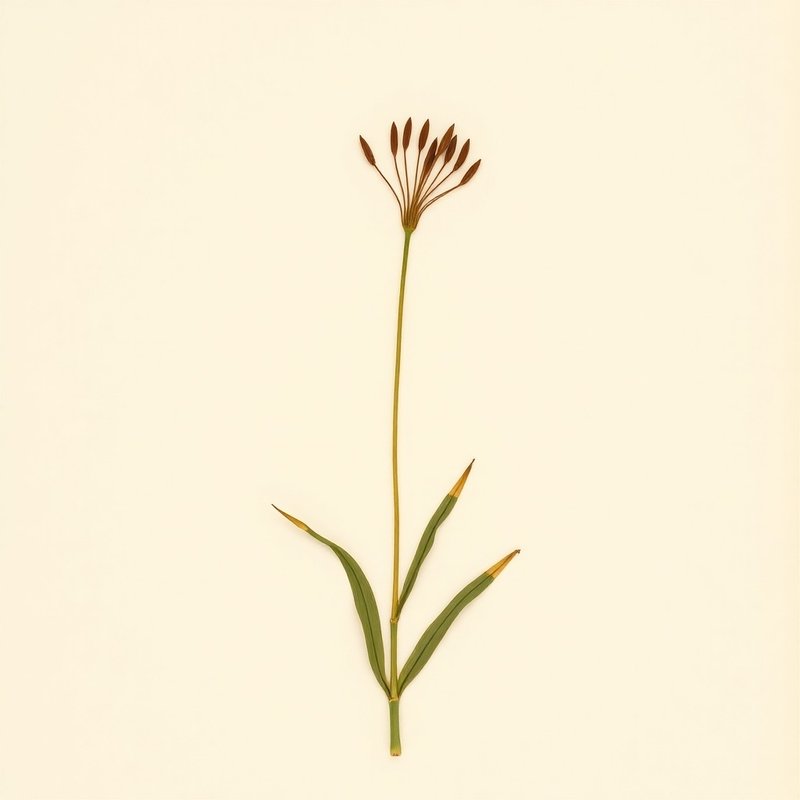
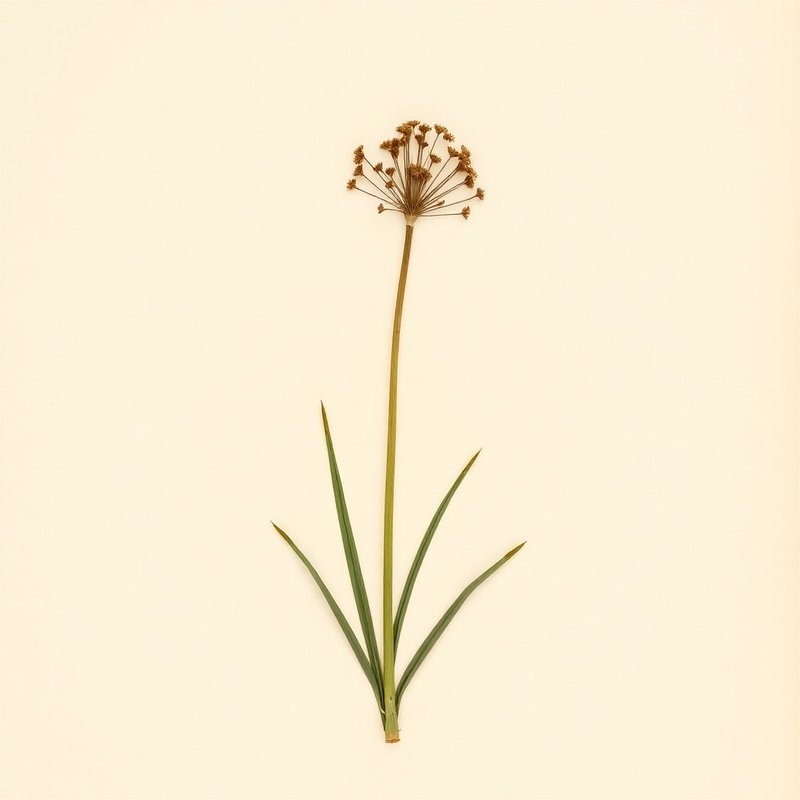
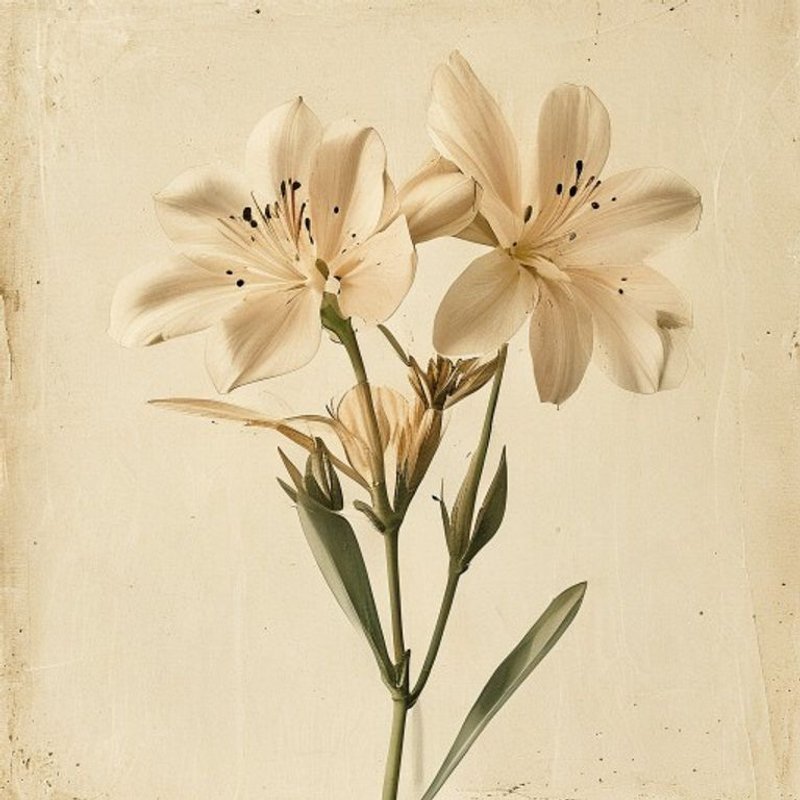
8 relatedPlants you might compare or use together — scored by shared family (Liliaceae), common use cases, and growing requirements.





Explore further
About this entry
- Last updated
- Citation
- How to cite this entry · Submit a correction
Continue reading
Get archive updates
Occasional email when substantial new content lands — plant profiles, seasonal growing notes, folk-remedy additions. Free, no tracking, unsubscribe anytime.