
Purple Silkweed
IOverview
Overview
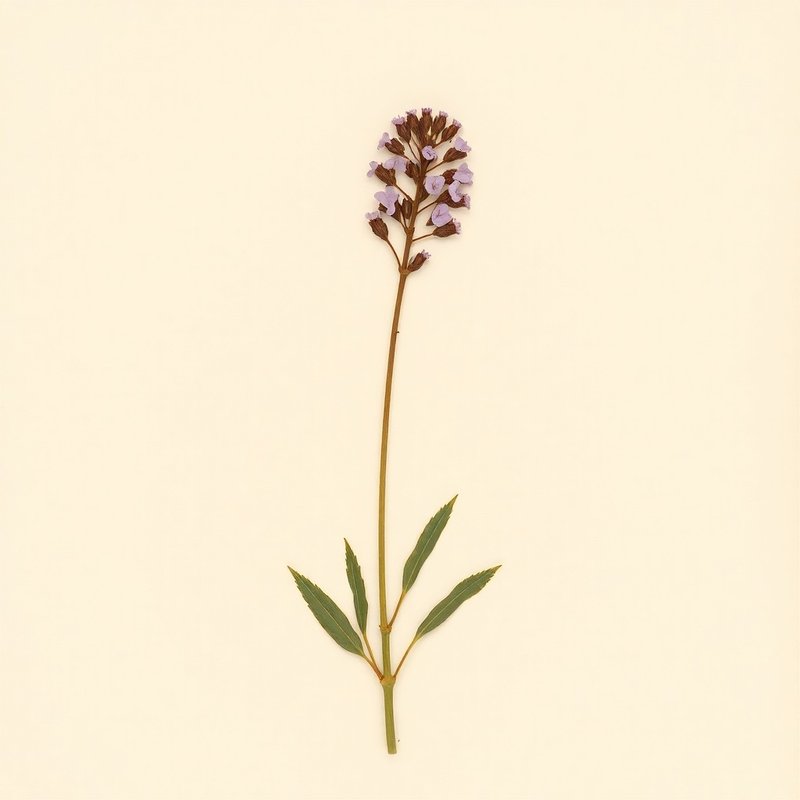
Purple Silkweed (Asclepias hallii) is a perennial forb or herb native to the southwestern United States, specifically Arizona, Colorado, Nevada, New Mexico, Utah, and Wyoming. This plant thrives in full to partial sun and prefers well-drained soils that are light (sandy) to medium in texture. It can tolerate both dry and moist conditions and is hardy in zones 3-7. Known for its edible parts—flowers, leaves, seeds, seedpods, and shoots—Purple Silkweed has been utilized by local communities. One distinctive feature of this plant is its purple flowers, which add a vibrant touch to the landscape while also serving as an important source of nectar for pollinators. The plant is also valued for its utility in dye, fiber, gum, and textiles, and can even be used to produce an oil. Its ability to grow in a variety of conditions makes it a versatile addition to gardens and natural landscapes. While Purple Silkweed is not medicinal, it is important to note that all parts of the plant should be handled with care, as some species in the Asclepias genus can be toxic.
What is Purple Silkweed?
Purple Silkweed (Asclepias hallii) is a perennial forb or herb native to the southwestern United States, specifically Arizona, Colorado, Nevada, New Mexico, Utah, and Wyoming. This plant thrives in full to partial sun and prefers well-drained soils that are light (sandy) to medium in texture.
VCultivation
Cultivation
How to grow Purple Silkweed for the first time
Purple Silkweed is a low-maintenance perennial that's perfect for beginners looking to add a drought-tolerant plant to their garden.
- 1
What you'll need
Seeds or small plants, a trowel, and mulch.
- 2
Best time to plant
Plant in spring after the last frost or in fall before the first freeze.
- 3
Soil and container prep
Choose well-draining soil with a pH between 6.0 and 7.5; ensure containers have drainage holes.
- 4
Sowing or transplanting
Direct sow seeds in the ground after danger of frost has passed, or start indoors 4-6 weeks before planting outdoors.
- 5
First two weeks
Water thoroughly once a week to help establish roots; avoid overwatering.
- 6
Ongoing care
Provide full sun and water only when the soil is dry. Prune dead or damaged parts as needed.
- 7
Harvest or pruning
Prune in late winter before new growth begins to encourage a bushier plant.
- 8
Common mistakes
Overwatering, planting in heavy soil, and not providing enough sunlight are common pitfalls for beginners.
VIEdible & utility
Edible & utility
VIIDistribution
6 native · 0 introduced
Distribution
6 native · 0 introducedIXSpecimen gallery
1 image
Specimen gallery
1 imageXSee also
8 related
See also
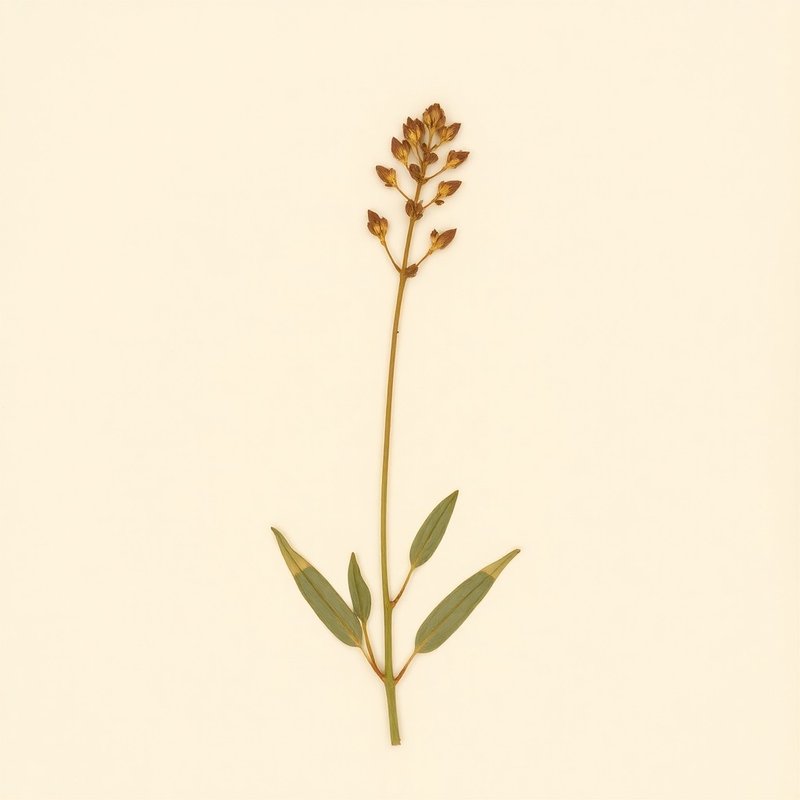
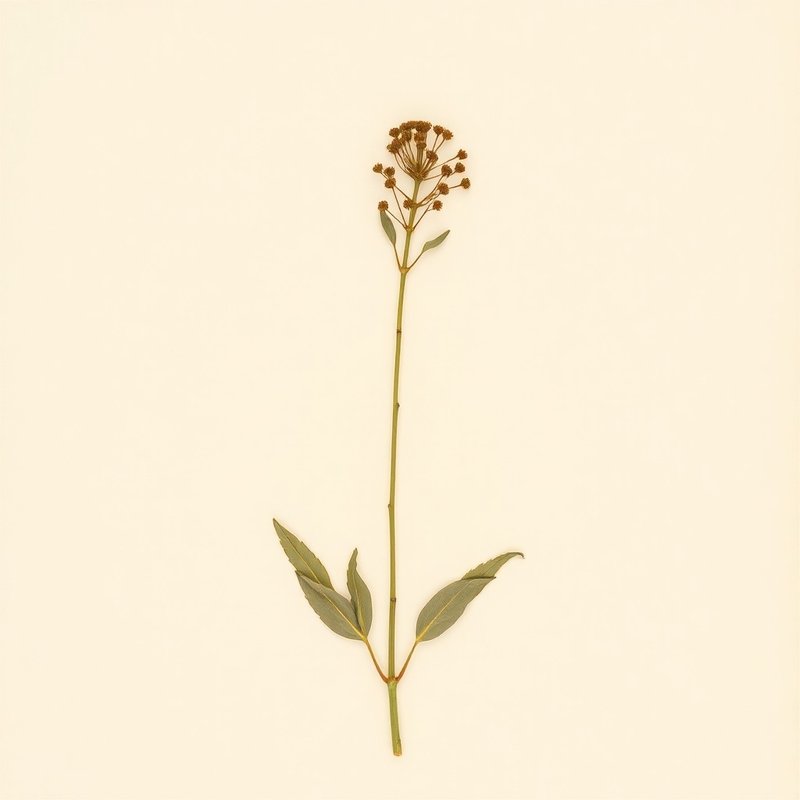
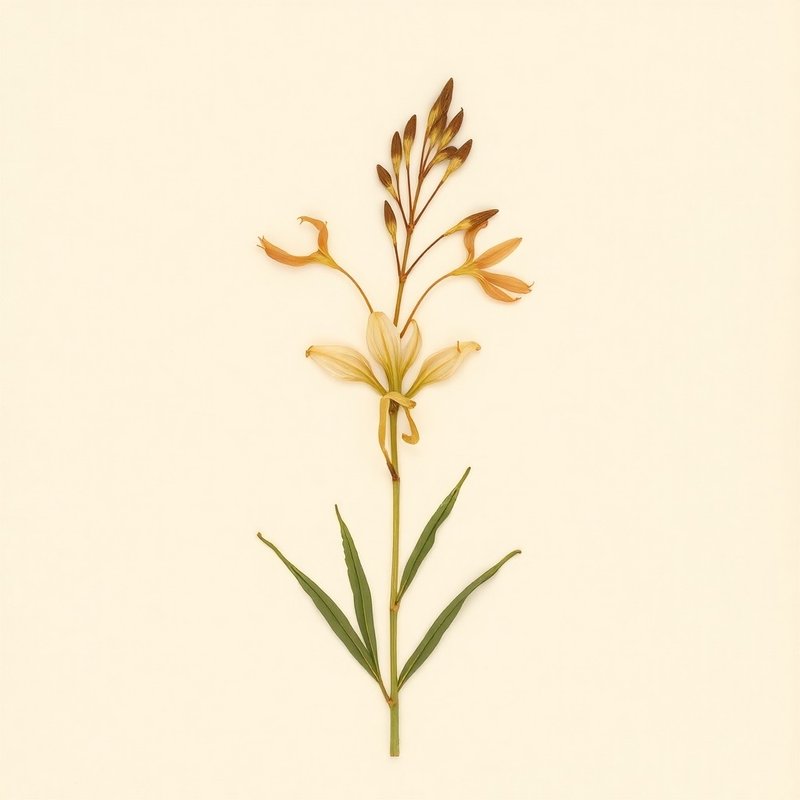
8 relatedPlants you might compare or use together — scored by shared family (Asclepiadaceae), common use cases, and growing requirements.


Explore further
About this entry
- Last updated
- Citation
- How to cite this entry · Submit a correction
Continue reading
Get archive updates
Occasional email when substantial new content lands — plant profiles, seasonal growing notes, folk-remedy additions. Free, no tracking, unsubscribe anytime.