
Swedish Coffee
Astragalus boeticusfam. Fabaceae
Educational content — not medical, botanical, or professional advice. Always consult a qualified clinician before using any herbal preparation — especially during pregnancy, breastfeeding, while on medication, or for children. How we source & review →
Garden journal pausedUse profile notes below
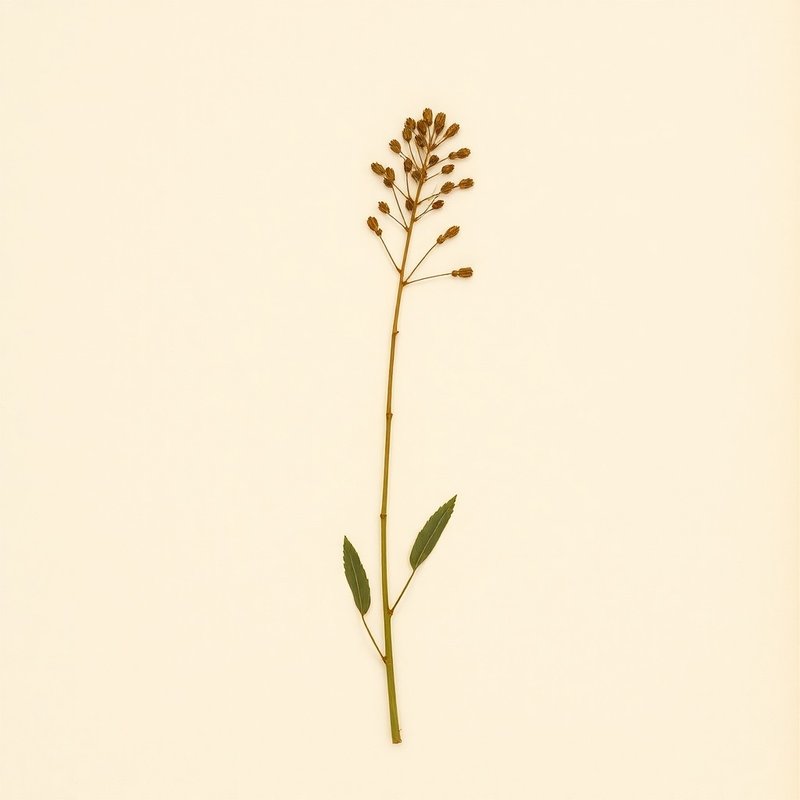
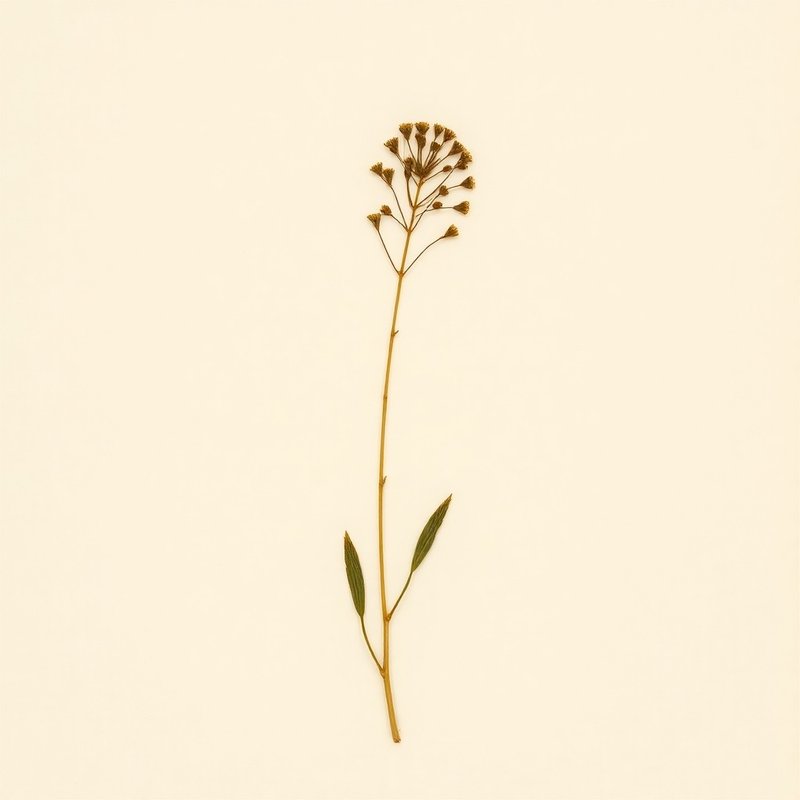
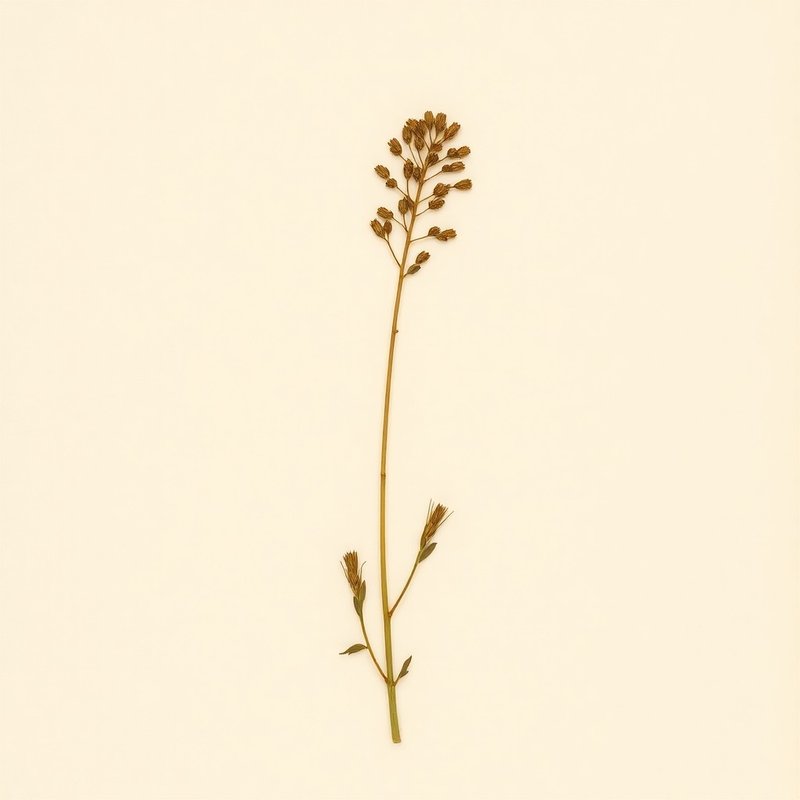
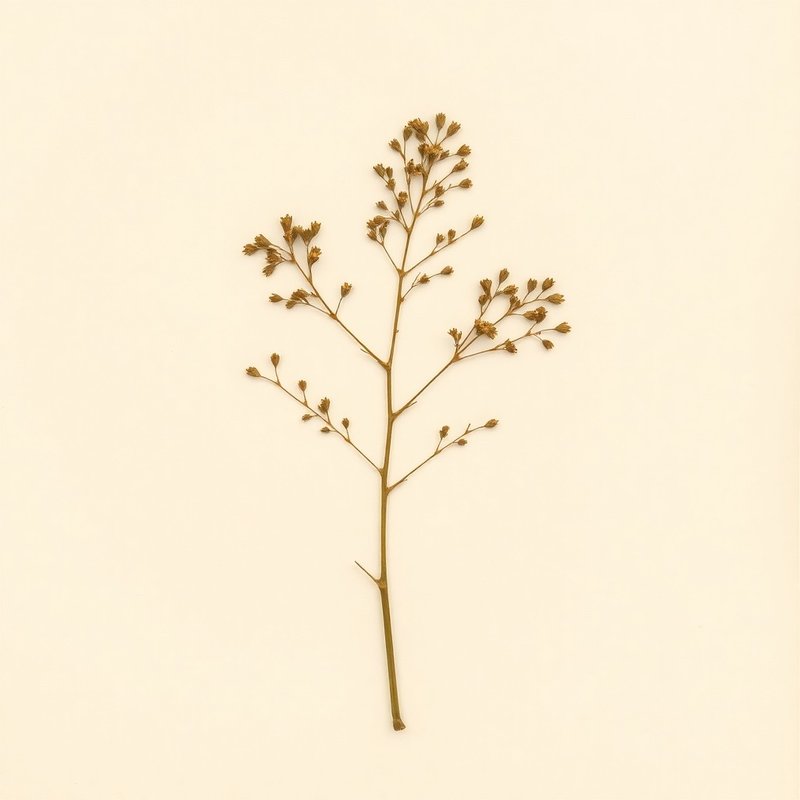
Pl. 3FB7 — Astragalus boeticus
Astragalus boeticusAstragalus boeticusAstragalus boeticusAstragalus boeticusAstragalus boeticusAstragalus boeticusAstragalus boeticusAstragalus boeticusAstragalus boeticusAstragalus boeticusAstragalus boeticusAstragalus boeticusAstragalus boeticusAstragalus boeticus
IOverview
Overview
Swedish Coffee (Astragalus boeticus) is an annual plant belonging to the Fabaceae family, native to a wide range of regions including Albania, Algeria, Cyprus, and many others. This hardy plant thrives in full sun and prefers well-drained soils that are light (sandy) to medium in texture, making it adaptable to various environments within its native range. Known for its ability to grow in hardiness zones 7-10, Swedish Coffee is a resilient plant that can be found across the Mediterranean and North African regions. While primarily recognized for its edible seedpods, which can be used as a coffee substitute, Swedish Coffee also has a history of medicinal use. This plant can grow up to 0.6 meters tall and is known for its yellow flowers, which bloom in May. It is also noted for its nitrogen-fixing capabilities, making it a valuable plant for improving soil fertility in agricultural settings. Swedish Coffee has been introduced into Great Britain and Poland, expanding its cultivation beyond its native regions. To propagate, seeds can be sown directly into the garden after the last frost. The plant requires minimal watering, making it suitable for dry conditions. When harvesting, wait until the seedpods turn brown and dry on the plant. While the plant is not typically associated with medicinal benefits, it is important to exercise caution and seek professional advice before using any plant for medicinal purposes.
Quick answers
What is Swedish Coffee?
Swedish Coffee (Astragalus boeticus) is an annual plant belonging to the Fabaceae family, native to a wide range of regions including Albania, Algeria, Cyprus, and many others.
IV·bMixology suggestions
2 drafts
Mixology suggestions
2 draftsEditorial drafts. These pairings are AI-suggested from traditional herbal lore. Always verify with a qualified herbalist before brewing.
Stress Relief
stresstincture
Historically used for stress relief and tonifying the body.
Digestive Comfort
digestiondecoction
Traditionally used to support digestive health.
Growingconditions · propagation · uses
VCultivation
Cultivation
Swedish Coffee thrives in full sun and prefers well-draining soil that is light (sandy) to medium in texture. It requires minimal watering, making it suitable for dry conditions. This annual plant grows up to 0.6 meters tall and is hardy in zones 7-10. To propagate, sow seeds directly into the garden after all danger of frost has passed. Harvest the seedpods when they turn brown and dry on the plant.
Light
Full sun
Water
Dry
Soil
Light (sandy), Medium
Hardiness
7-10
Life cycle
Annual
Mature size
0.6 m tall
Seasonal calendar
Northern hemisphere · UTC month is November
winterspringsummerautumnwinter
BloomJFMAMJJASOND
For first-time growers
How to grow Swedish Coffee for the first time
8steps
Start with Swedish Coffee as an easy-to-grow annual plant, focusing on basic care.
- 1
What you'll need
A packet of seeds and a small trowel or your hands.
- 2
Best time to plant
Plant in spring after the last frost, when soil is warm.
- 3
Soil and container prep
Choose a well-draining spot with light, sandy or medium soil. Ensure containers have drainage holes.
- 4
Sowing or transplanting
Direct sow seeds 1 cm deep and 30 cm apart in rows. Alternatively, start indoors and transplant after danger of frost passes.
- 5
First two weeks
Water sparingly to keep the soil moist but not soggy. Avoid overwatering as it can lead to root rot.
- 6
Ongoing care
Provide full sun exposure, water only when the top inch of soil is dry, and ensure good air circulation to prevent diseases.
- 7
Harvest or pruning
Prune dead or damaged branches in early spring. Harvest seedpods once they turn brown but before splitting open.
- 8
Common mistakes
Overwatering, planting too close together, and not providing enough sunlight are common issues to avoid.
VIEdible & utility
Edible & utility
Edible parts:Seedpod
Edible uses: Coffee
Other uses:Nitrogen fixer
Contextrange · companions · related
VIIDistribution
27 native · 2 introduced
Distribution
27 native · 2 introducedDistribution across3 continents· 27 native· 2 introduced
Europe9 regions
native (7)AlbaniaCyprusFranceGreeceItalyPortugalSpain
introduced (2)PolandUnited Kingdom
Asia3 regions
native (3)IranPalestineTurkey
Africa6 regions
native (6)AlgeriaEgyptLibyaMoroccoTunisiaWestern Sahara
Broader regions
native:East Aegean Is., Kriti, Lebanon-Syria, Sinai, Yugoslavia
IXSpecimen gallery
1 image
Specimen gallery
1 imageXSee also
8 related
See also
8 relatedPlants you might compare or use together — scored by shared family (Fabaceae), common use cases, and growing requirements.
same family · Fabaceae
Botanical relatives — often share phytochemistry + growing needs.


XI
Explore further
Companion planting
Compare with similar plants
Growing zone
XII
About this entry
- Last updated
- Citation
- How to cite this entry · Submit a correction
Back to the cataloguePlant id · 3fb77da1-eb1f-46d9-8ba1-d55141213559
Decision aid
Choosing between Swedish Coffee and something else?
Continue reading
❦❦❦❦
Endpaper · archive updates
Get archive updates
Occasional email when substantial new content lands — plant profiles, seasonal growing notes, folk-remedy additions. Free, no tracking, unsubscribe anytime.
Newsletter returning soon.
We are rebuilding the update list around a lightweight editorial workflow. New dispatches will resume after the next content review cycle.