
Coromandel
Asystasia gangetica
Educational content — not medical, botanical, or professional advice. Always consult a qualified clinician before using any herbal preparation — especially during pregnancy, breastfeeding, while on medication, or for children. How we source & review →
medicinalmedicinal
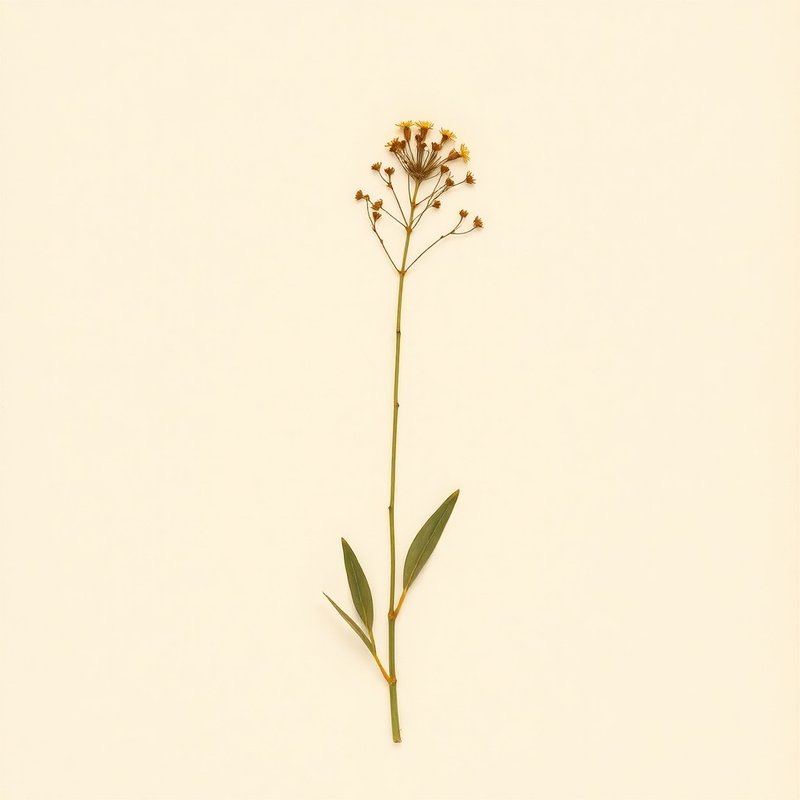
Pl. 9E52 — Asystasia gangetica
Asystasia gangeticaAsystasia gangeticaAsystasia gangeticaAsystasia gangeticaAsystasia gangeticaAsystasia gangeticaAsystasia gangeticaAsystasia gangeticaAsystasia gangeticaAsystasia gangeticaAsystasia gangeticaAsystasia gangeticaAsystasia gangeticaAsystasia gangetica
IOverview
Overview
Coromandel, scientifically known as Asystasia gangetica, is a fast-growing perennial plant native to tropical and subtropical regions including India, Bangladesh, Myanmar, and other nearby areas. This plant can reach up to 1 meter in height without support but may grow to 3 meters when climbing on other plants or trees. Its edible parts—leaves and flowers—are often used in salads and soups, with 100 grams containing 8% water content. Coromandel has documented medicinal uses and thrives in partial sun or shade with moist conditions. Its soft stems and ability to climb make it a distinctive feature in its habitat.
Quick answers
What is Coromandel?
Coromandel, scientifically known as Asystasia gangetica, is a fast-growing perennial plant native to tropical and subtropical regions including India, Bangladesh, Myanmar, and other nearby areas.
What is Coromandel used for?
Traditionally used for immune support, topical & skin. Each claim is evidence-rated — see Section II for full citations.
Best for
Top 2 evidence-ranked uses of Coromandel
Clinicaluses · safety · chemistry · dosagemedicinal profile
IIBenefits & evidence
2 claims · 0 sources
Benefits & evidence
2 claims · 0 sources- Coromandel has been traditionally used in Ayurveda for supporting immune health, often prepared as a decoction. Its light and moist nature is believed to balance the body's doshas.
The mechanism by which Coromandel supports immune function is not fully characterised but may involve bioactive compounds that interact with various immune pathways.
- Coromandel is traditionally used in Ayurvedic medicine for topical applications to support skin health. It may be applied as a poultice or infused oil.
The mechanism by which Coromandel supports skin health is not fully characterised but may involve anti-inflammatory and antioxidant compounds.
IV·bMixology suggestions
2 drafts
Mixology suggestions
2 draftsEditorial drafts. These pairings are AI-suggested from traditional herbal lore. Always verify with a qualified herbalist before brewing.
Gentle Digest
digestiontea
Historically used for digestive support.
Growingconditions · propagation · uses
VCultivation
Cultivation
Coromandel is a fast-growing perennial plant that thrives in partial sun to shade and requires moist soil. It can reach up to 1 meter without support but may grow to 3 meters if it finds support from other plants or trees. The leaves and flowers are edible and can be used in salads and soups. This plant, native to tropical and subtropical regions including parts of India and Southeast Asia, is hardy in temperate regions. For propagation, Coromandel can be grown from seeds or cuttings.
Light
Partial sun/shade
Water
Moist
For first-time growers
How to grow Coromandel for the first time
8steps
Start with a simple planting of Coromandel in a sunny to partially shaded spot, and enjoy its easy care.
- 1
What you'll need
Coromandel seeds or young plants, a container or garden bed, potting soil if using a container.
- 2
Best time to plant
Plant Coromandel in spring when the weather starts warming up.
- 3
Soil and container prep
Use well-draining soil. For containers, choose one that is at least 15 cm deep.
- 4
Sowing or transplanting
Direct sow seeds 0.6 cm deep in the soil or transplant young plants into your prepared bed.
- 5
First two weeks
Keep the soil moist and provide partial shade to help establish the plant.
- 6
Ongoing care
Water regularly, especially during dry spells. Keep it in a partially shaded area.
- 7
Harvest or pruning
Prune occasionally to encourage bushy growth and remove any dead leaves or stems.
- 8
Common mistakes
Overwatering, planting in full sun, neglecting to prune regularly.
VIEdible & utility
Edible & utility
Edible parts:LeavesFlowers
Contextrange · companions · related
VIIDistribution
14 native · 16 introduced
Distribution
14 native · 16 introducedDistribution across5 continents· 14 native· 16 introduced
Europe1 region
introduced (1)Portugal
Asia7 regions
native (7)BangladeshCambodiaIndiaMyanmarSri LankaThailandVietnam
Americas5 regions
introduced (5)HaitiHondurasJamaicaNicaraguaUnited States
Africa1 region
introduced (1)Mauritius
Oceania2 regions
introduced (2)FijiNauru
Broader regions
native:Western Australia, Andaman Is., Lesser Sunda Is., New Guinea, Northern Territory, Queensland
introduced:Florida, Gilbert Is., Leeward Is., Malaya, Marianas, Marquesas, Niue
IXSpecimen gallery
1 image
Specimen gallery
1 imageXSee also
8 related
See also
8 relatedPlants you might compare or use together — scored by shared family, common use cases, and growing requirements.
shared use cases
Different families, similar therapeutic role — good for comparing.



XI
Explore further
Companion planting
Health goals
Compare with similar plants
XII
About this entry
- Last updated
- Citation
- How to cite this entry · Submit a correction
Back to the cataloguePlant id · 9e5285c2-795d-4420-aab0-2519d8bde216
Decision aid
Choosing between Coromandel and something else?
Continue reading
❦❦❦❦
Endpaper · archive updates
Get archive updates
Occasional email when substantial new content lands — plant profiles, seasonal growing notes, folk-remedy additions. Free, no tracking, unsubscribe anytime.