
Echinacea
Echinacea purpureafam. Asteraceae
Native American immune-support herb. Modest but consistent evidence for shortening colds; mechanism partly via macrophage activation.
Educational content — not medical, botanical, or professional advice. Always consult a qualified clinician before using any herbal preparation — especially during pregnancy, breastfeeding, while on medication, or for children. How we source & review →
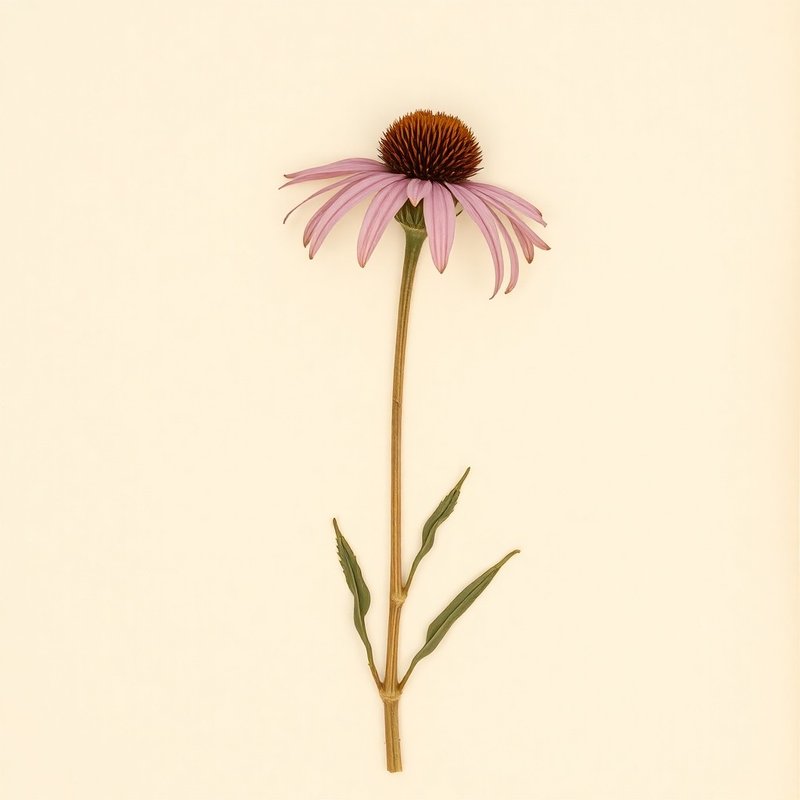
Pl. D444 — Echinacea purpurea
Echinacea purpureaEchinacea purpureaEchinacea purpureaEchinacea purpureaEchinacea purpureaEchinacea purpureaEchinacea purpureaEchinacea purpureaEchinacea purpureaEchinacea purpureaEchinacea purpureaEchinacea purpureaEchinacea purpureaEchinacea purpurea
IOverview
Overview
Echinacea, known by its Latin name Echinacea purpurea and belonging to the Asteraceae family, is a native North American plant that thrives in prairies from Alabama to Florida and as far north as Illinois and Indiana. This herb has been used for centuries due to its documented medicinal properties, particularly focusing on immune support where it may help shorten the duration of common colds. One distinctive feature of Echinacea is its purple conical flower heads, which are often accompanied by smaller pink or lavender flowers, making it a notable ornamental plant in gardens and landscapes. The plant's roots, aerial parts, and flowers are commonly harvested for their medicinal compounds, including echinacoside, contributing to its reputation as a natural remedy.
Quick answers
What is Echinacea?
Echinacea, known by its Latin name Echinacea purpurea and belonging to the Asteraceae family, is a native North American plant that thrives in prairies from Alabama to Florida and as far north as Illinois and Indiana.
What is Echinacea used for?
Traditionally used for immune support. Each claim is evidence-rated — see Section II for full citations.
Is Echinacea safe?
3 documented contraindications — review Section III before use. Always consult a clinician for medical conditions, pregnancy, or medication interactions.
Best for
Top 1 evidence-ranked use of Echinacea
Clinicaluses · safety · chemistry · dosagemedicinal profile
IIBenefits & evidence
1 claim · 1 source
Benefits & evidence
1 claim · 1 source- May shorten the common cold
Macrophage and NK-cell activation via alkylamides; in vitro and modest clinical evidence.
IICautions & contraindications
3 cautions
Cautions & contraindications
3 cautionsAsteraceae allergy
Cross-reactivity with ragweed, daisies.
autoimmune
Theoretical concern with immune-stimulating effect; clinical relevance debated.
immunosuppressants
Avoid combination — antagonistic.
Need audience-specific safety verdicts? See dogs, cats, children, pregnancy, or breastfeeding guides.
IIIActive compounds
1 listed
Active compounds
1 listedalkaloidterpeneflavonoidglycosidephenolicpolysaccharide
IVDosage
Dosage
| Form | Dose | Frequency | Duration |
|---|---|---|---|
Infusion / tea Mild potency | 1–2 g / 240 ml | 3–6× daily | Up to 14 days |
Tincture (1:5, 45%) High potency | 2–5 ml | 3–5× daily | Up to 14 days |
Standardized capsule Moderate potency | 400–1000 mg | 3× daily | Up to 14 days |
IV·bMixology suggestions
2 drafts
Mixology suggestions
2 draftsEditorial drafts. These pairings are AI-suggested from traditional herbal lore. Always verify with a qualified herbalist before brewing.
Immune Boost
immunetincture
Used traditionally to support the immune system.
Growingconditions · propagation · uses
VCultivation
Cultivation
Echinacea thrives in full sun to partial shade and prefers well-draining soil. It is hardy in temperate regions but can be grown in a wide range of conditions. Water regularly during dry periods but avoid overwatering, as the plant dislikes wet feet. Propagation can be done through seed or division, with seeds sown in spring or fall and divisions best performed in early spring. SKIP
For first-time growers
How to grow Echinacea for the first time
8steps
Start with Echinacea for a low-maintenance, beginner-friendly garden.
- 1
What you'll need
Seeds or young plants, a trowel, and a watering can.
- 2
Best time to plant
Plant in spring after the last frost or in fall before the first freeze.
- 3
Soil and container prep
Choose well-draining soil with a pH between 6.0 and 7.5. Ensure containers are at least 12 inches wide.
- 4
Sowing or transplanting
Direct sow seeds 1/4 inch deep, about 18-24 inches apart. Transplant young plants in the same spacing.
- 5
First two weeks
Water regularly to keep soil moist but not waterlogged. Mulch around the base for moisture retention.
- 6
Ongoing care
Water deeply once a week, more often in dry spells. Deadhead flowers to encourage new blooms and prevent self-seeding.
- 7
Harvest or pruning
Prune dead leaves and spent flowers throughout the growing season for a tidy appearance.
- 8
Common mistakes
Overwatering, planting in heavy soil, neglecting to mulch, not deadheading, and waiting too long to prune.
Contextrange · companions · related
VIIDistribution
24 native · 6 introduced
Distribution
24 native · 6 introducedDistribution across3 continents· 24 native· 6 introduced
Europe1 region
introduced (1)Austria
Asia1 region
native (1)Georgia
Americas2 regions
introduced (2)BoliviaCosta Rica
Broader regions
native:Alabama, Arkansas, Colorado, Florida, Illinois, Indiana, Iowa, Kansas, Kentucky, Louisiana, Michigan, Mississippi, Missouri, New York, North Carolina, Ohio, Oklahoma, Pennsylvania, South Carolina, Tennessee, Texas, Virginia, Wisconsin
introduced:Baltic States, Borneo, Delaware
IXSpecimen gallery
1 image
Specimen gallery
1 imageXSee also
8 related
See also
8 relatedPlants you might compare or use together — scored by shared family (Asteraceae), common use cases, and growing requirements.
same family · Asteraceae
Botanical relatives — often share phytochemistry + growing needs.
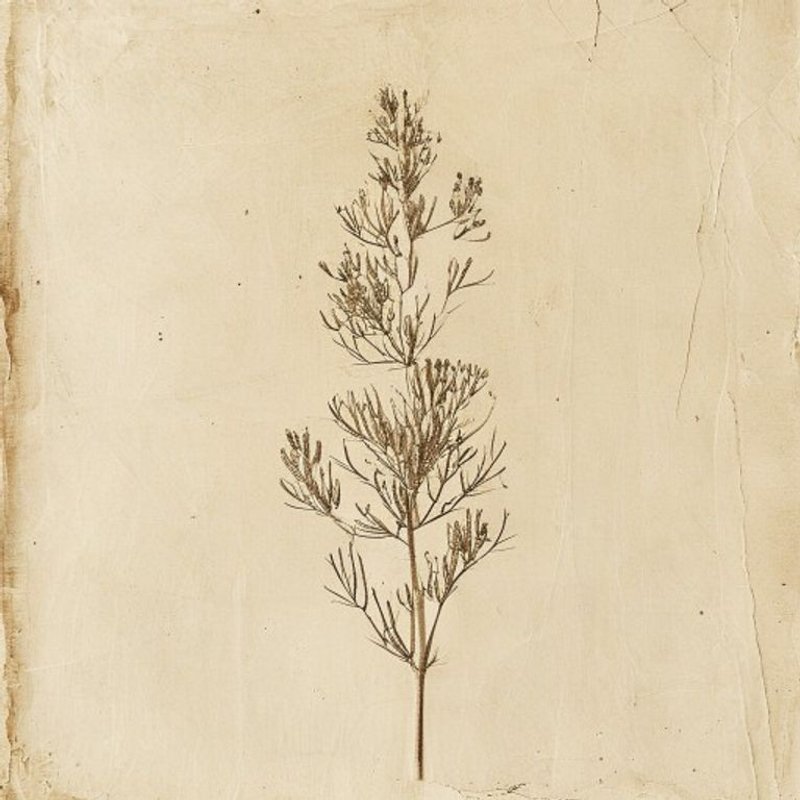
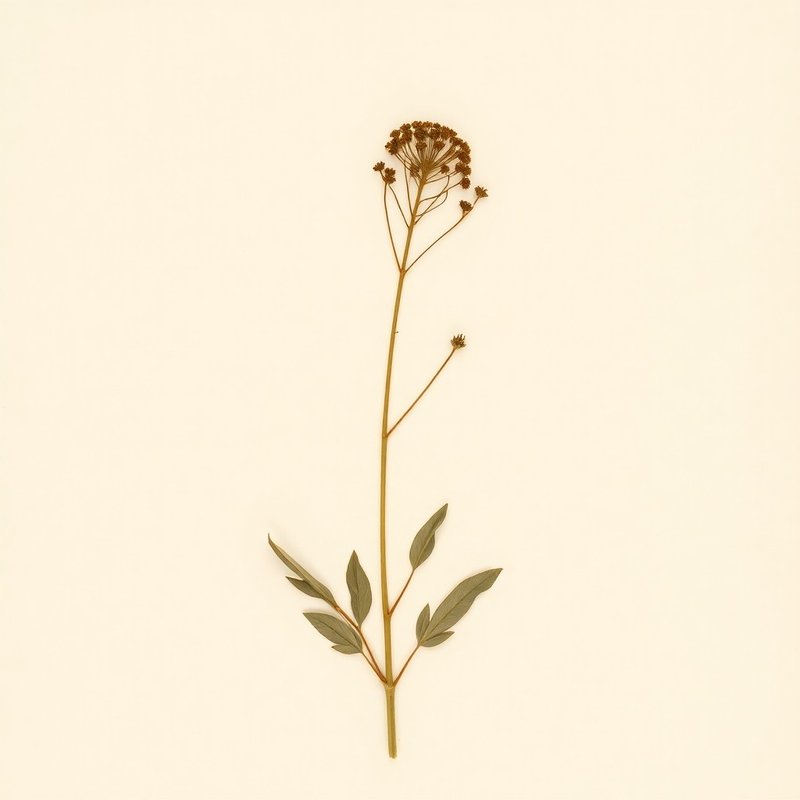
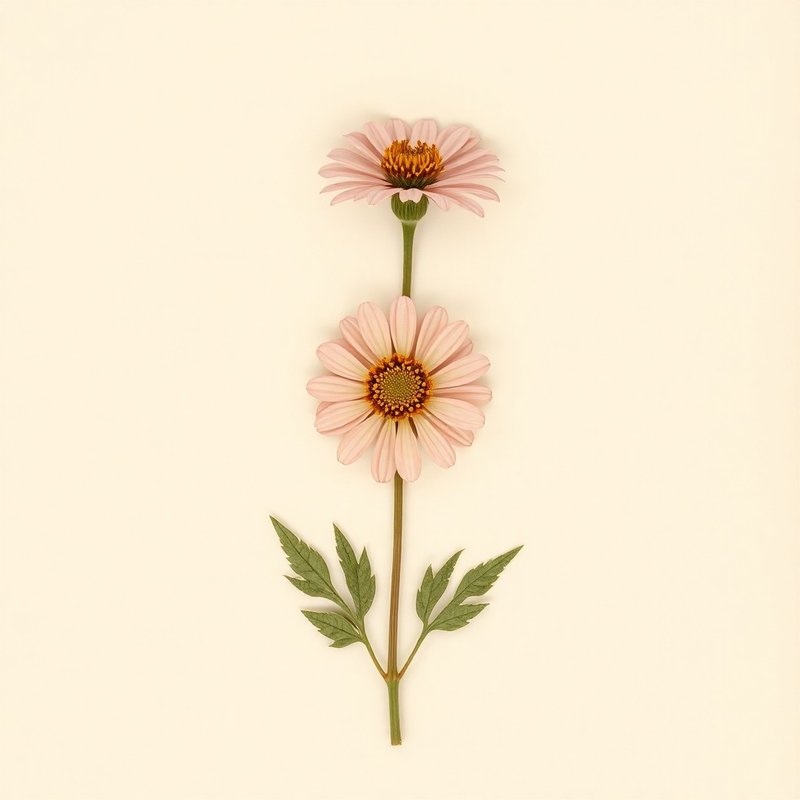
shared use cases
Different families, similar therapeutic role — good for comparing.
XI
Explore further
Companion planting
Health goals
Compare with similar plants
XII
About this entry
- Last updated
- Citation
- How to cite this entry · Submit a correction
Back to the cataloguePlant id · d444856a-b5a0-460a-a942-0abbffafd347
Decision aid
Choosing between Echinacea and something else?
Continue reading
❦❦❦❦
Endpaper · archive updates
Get archive updates
Occasional email when substantial new content lands — plant profiles, seasonal growing notes, folk-remedy additions. Free, no tracking, unsubscribe anytime.