
Vutu kana
IOverview
Overview
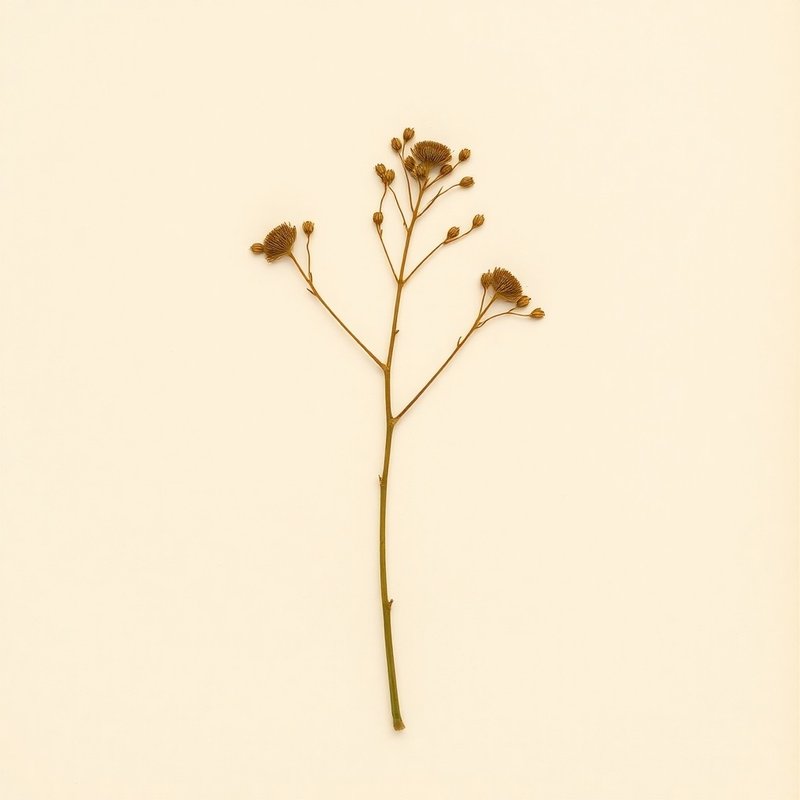
Barringtonia edulis, commonly known as Vutu kana, is a tree belonging to the Lauraceae family and is native to Fiji and Vanuatu. This tree thrives in a variety of soil types, including light (sandy), medium, and heavy (clay), and prefers moist conditions. It can grow up to 12 meters tall and is hardy in zones 10-12, making it adaptable to different growing environments. Vutu kana is valued for its edible fruit and seeds, which are used in local cuisine. The tree also has medicinal uses, with traditional practices in Fiji and Vanuatu utilizing it to support the immune system and soothe digestive issues. Prepared as a tea or decoction, Vutu kana is an important part of local traditional medicine. Additionally, the tree has practical uses, such as serving as a fire starter and providing lumber. Its ornamental appeal and adaptability make it a valuable addition to gardens and landscapes in suitable climates.
What is Vutu kana?
Barringtonia edulis, commonly known as Vutu kana, is a tree belonging to the Lauraceae family and is native to Fiji and Vanuatu. This tree thrives in a variety of soil types, including light (sandy), medium, and heavy (clay), and prefers moist conditions.
What is Vutu kana used for?
Traditionally used for immune support, digestion. Each claim is evidence-rated — see Section II for full citations.
IIBenefits & evidence
2 claims · traditional-use context
Benefits & evidence
2 claims · traditional-use context- In traditional medicine, Vutu kana is used to support the immune system, often prepared as a tea or decoction. This use is based on local knowledge and practices.
The mechanism of action is not fully characterised but may involve compounds that have antimicrobial properties.
▲ ModerateImmune support → - Vutu kana has been traditionally used in Fiji and Vanuatu for digestive issues, often prepared as a decoction to soothe the stomach. Its use is supported by local traditional practices.
The mechanism of action is not fully characterised but may involve compounds that interact with gut motility or reduce inflammation.
▲ ModerateDigestion →
IV·bMixology suggestions
1 draft
Mixology suggestions
1 draftVCultivation
Cultivation
How to grow Vutu kana for the first time
Start with a simple, light-loving tree that thrives in moist soil and partial sun.
- 1
What you'll need
A Vutu kana sapling or seeds, potting mix, container if planting in a pot.
- 2
Best time to plant
Plant in spring when the weather is warm and stable.
- 3
Soil and container prep
Use well-draining soil with some sand for better drainage. Ensure containers have holes at the bottom.
- 4
Sowing or transplanting
Transplant saplings carefully, ensuring roots are not damaged. For seeds, sow them in moist potting mix and keep warm.
- 5
First two weeks
Keep soil consistently moist but avoid overwatering. Place the plant in a partially shaded area to acclimate.
- 6
Ongoing care
Provide full sun once established, water regularly, and fertilize lightly during growing season.
- 7
Harvest or pruning
Prune occasionally to maintain shape and remove dead branches. Harvest fruits when they turn yellow.
- 8
Common mistakes
Overwatering, planting in full sun too early, not providing enough drainage, neglecting regular watering once established.
VIEdible & utility
Edible & utility
VIIDistribution
2 native · 0 introduced
Distribution
2 native · 0 introducedIXSpecimen gallery
1 image
Specimen gallery
1 imageXSee also
8 related
See also
8 relatedPlants you might compare or use together — scored by shared family (Lauraceae), common use cases, and growing requirements.

Explore further
About this entry
- Last updated
- Citation
- How to cite this entry · Submit a correction
Continue reading
Get archive updates
Occasional email when substantial new content lands — plant profiles, seasonal growing notes, folk-remedy additions. Free, no tracking, unsubscribe anytime.