
Beet
Beta trigyna
Educational content — not medical, botanical, or professional advice. Plant identification, safety, and edibility depend on local conditions, cultivars, and correct identification. Consult a qualified botanist or forager before consuming or handling wild specimens. How we source & review →
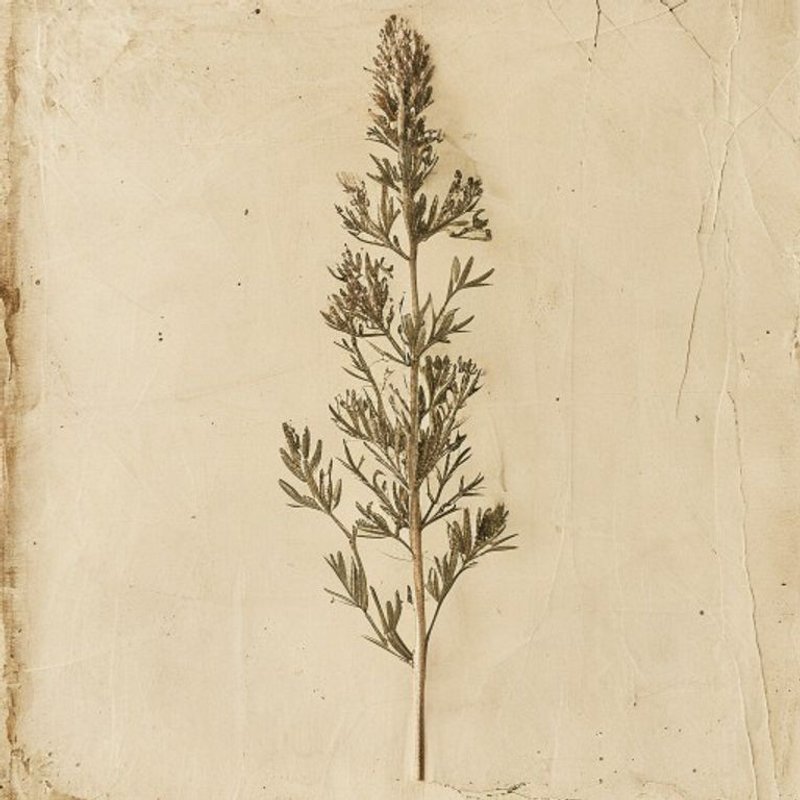
Pl. 1530 — Beta trigyna
Beta trigynaBeta trigynaBeta trigynaBeta trigynaBeta trigynaBeta trigynaBeta trigynaBeta trigynaBeta trigynaBeta trigynaBeta trigynaBeta trigynaBeta trigynaBeta trigyna
IOverview
Overview
The beet (Beta trigyna) is a perennial plant native to regions including Bulgaria, Iran, Krym, North Caucasus, Romania, Transcaucasus, Turkey, Turkey-in-Europe, and Turkmenistan. This edible plant thrives in moist, light to heavy soils with a pH of 7–7.5, making it adaptable but preferring well-drained conditions. Known for its versatile use as both an ornamental and culinary delight, the beet features distinctive round leaves and fleshy roots that can grow up to 0.9 meters tall and 0.2 meters wide. Its edible parts include both the leaves and roots, contributing to a range of dishes from salads to pickles.
Quick answers
What is Beet?
The beet (Beta trigyna) is a perennial plant native to regions including Bulgaria, Iran, Krym, North Caucasus, Romania, Transcaucasus, Turkey, Turkey-in-Europe, and Turkmenistan. This edible plant thrives in moist, light to heavy soils with a pH of 7–7.
Growingconditions · propagation · uses
VCultivation
Cultivation
Beets thrive in light to medium soil with a pH of 7-7.5 and prefer moist conditions. They are hardy in temperate regions but can be grown as perennials in suitable climates. For best results, plant beet seeds in full sun or partial shade. Water regularly to keep the soil consistently moist. Harvest the roots and leaves when mature, typically after about two months from sowing. Propagation is easiest through direct seeding; thin seedlings to 10-15 cm apart for optimal growth.
Light
7/10
Water
Moist
Soil
Light (sandy), Medium, Heavy (clay)
Life cycle
Perennial
Mature size
0.9 m × 0.2 m
Soil pH
7–7.5
For first-time growers
How to grow Beet for the first time
8steps
Start with easy-to-grow beets for a successful beginner gardening experience.
- 1
What you'll need
Seeds, small pots or trays, soil, and a garden plot.
- 2
Best time to plant
Plant beet seeds in early spring or late summer for best results.
- 3
Soil and container prep
Use well-draining soil with a pH of 7-7.5, either in the garden or containers.
- 4
Sowing or transplanting
Sow seeds directly into the ground or start them indoors before transplanting.
- 5
First two weeks
Keep soil moist and cover with a thin layer of mulch to retain moisture.
- 6
Ongoing care
Water regularly, especially during dry spells, and fertilize lightly every few weeks.
- 7
Harvest or pruning
Harvest leaves when young for salads; roots can be pulled once they reach 2-3 inches in diameter.
- 8
Common mistakes
Overwatering, planting too deep, and neglecting to mulch are common pitfalls.
VIEdible & utility
Edible & utility
Edible parts:LeavesRoot
Edible uses: The beet's root and leaves are both edible. The roots can be eaten raw or cooked, often used in salads or roasted. The leaves are typically cooked like spinach, added to soups, stews, or sautéed as a side dish. Both parts can also be dried for later use.
Contextrange · companions · related
VIIDistribution
11 native · 4 introduced
Distribution
11 native · 4 introducedDistribution across2 continents· 11 native· 4 introduced
Europe7 regions
native (4)BulgariaRomaniaRussiaUkraine
introduced (3)FranceItalyUnited Kingdom
Asia3 regions
native (3)IranTurkeyTurkmenistan
Broader regions
native:Transcaucasus, Turkey-in-Europe, Yugoslavia
introduced:Czechoslovakia
VIIIGarden companions
2 pairs
Garden companions
2 pairsPlant near these
These plants help — by repelling pests, fixing nitrogen, attracting pollinators, or sharing space well.
IXSpecimen gallery
1 image
Specimen gallery
1 imageXI
Explore further
Companion planting
XII
About this entry
- Last updated
- Citation
- How to cite this entry · Submit a correction
Back to the cataloguePlant id · 15300d2c-f57d-458e-85c4-5b3d6f8e0685
Decision aid
Choosing between Beet and something else?
Continue reading
❦❦❦❦
Endpaper · archive updates
Get archive updates
Occasional email when substantial new content lands — plant profiles, seasonal growing notes, folk-remedy additions. Free, no tracking, unsubscribe anytime.