
Garlic
Allium sativum
Educational content — not medical, botanical, or professional advice. Always consult a qualified clinician before using any herbal preparation — especially during pregnancy, breastfeeding, while on medication, or for children. How we source & review →
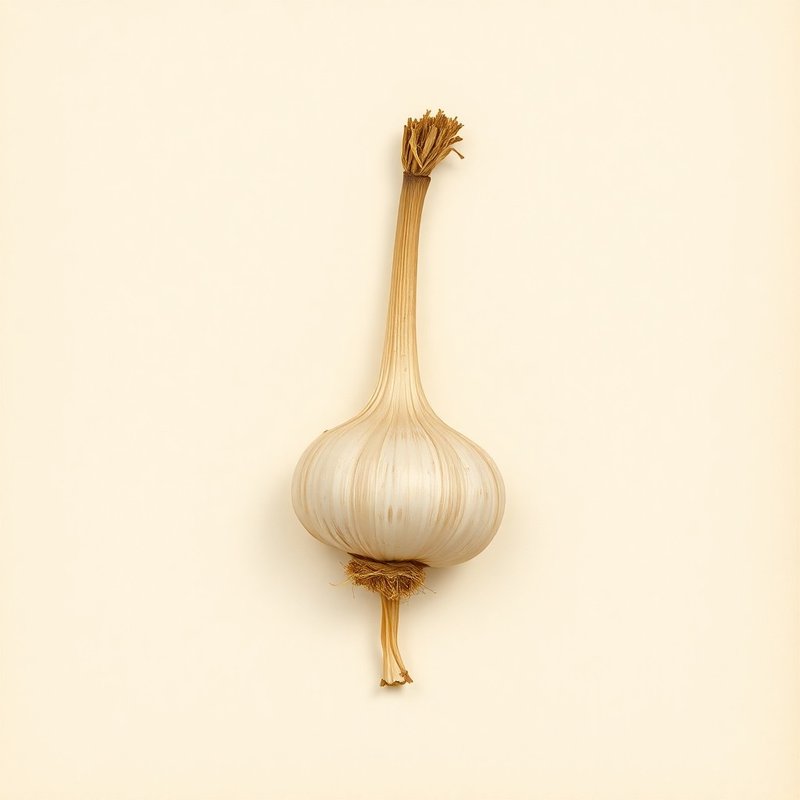
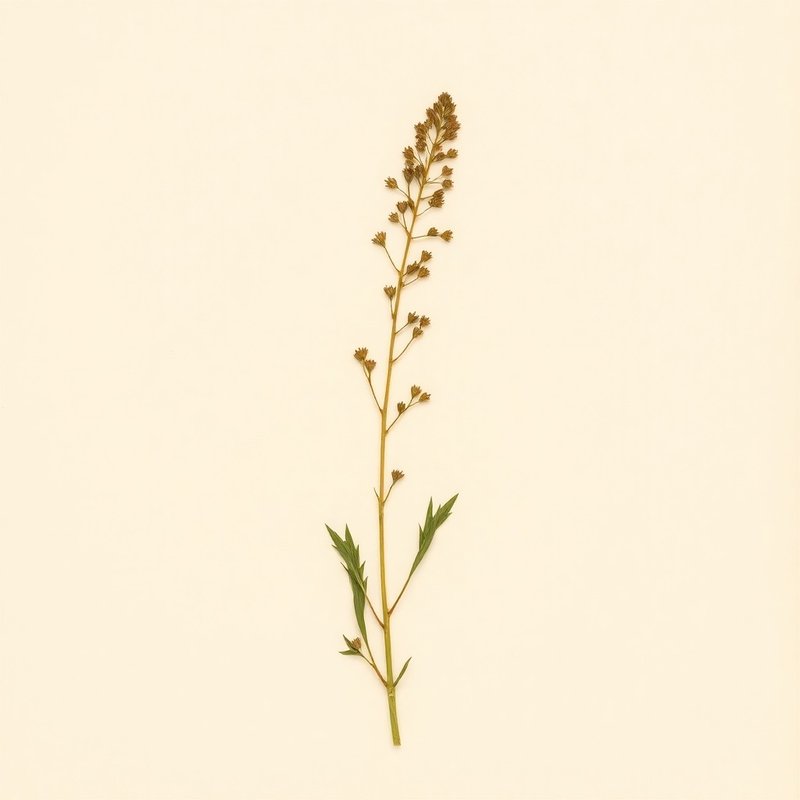
Pl. 33D0 — Allium sativum
Allium sativumAllium sativumAllium sativumAllium sativumAllium sativumAllium sativumAllium sativumAllium sativumAllium sativumAllium sativumAllium sativumAllium sativumAllium sativumAllium sativum
IOverview
Overview
Garlic (Allium sativum) is a perennial herb native to the central Asian region including Iran, Kazakhstan, Kirgizstan, Tajikistan, Turkmenistan, and Uzbekistan. Known for its culinary and medicinal uses, garlic has been cultivated for thousands of years. It thrives in light to medium soil with a pH between 7.5 and 8, preferring a dry to moist environment. Garlic is propagated by direct seeding large cloves outdoors during late autumn or early spring, maturing in 100 to 150 days. Its distinctive feature includes the pungent bulb, which can grow up to 60 cm tall, making it an attractive addition to gardens. The plant's light requirement and hardiness range from zone 3 to zone 10, allowing for widespread cultivation. Garlic is valued not only for its flavorful stem but also for traditional use in supporting the immune system through its broad antimicrobial properties, especially when fresh or crushed.
Quick answers
What is Garlic?
Garlic (Allium sativum) is a perennial herb native to the central Asian region including Iran, Kazakhstan, Kirgizstan, Tajikistan, Turkmenistan, and Uzbekistan. Known for its culinary and medicinal uses, garlic has been cultivated for thousands of years.
What is Garlic used for?
Traditionally used for immune support. Each claim is evidence-rated — see Section II for full citations.
Best for
Top 1 evidence-ranked use of Garlic
Clinicaluses · safety · chemistry · dosagemedicinal profile
IIBenefits & evidence
1 claim · 0 sources
Benefits & evidence
1 claim · 0 sources- Traditional use: garlic as broad antimicrobial. Best fresh/crushed.
Allicin + sulfur compounds
IV·bMixology suggestions
2 drafts
Mixology suggestions
2 draftsEditorial drafts. These pairings are AI-suggested from traditional herbal lore. Always verify with a qualified herbalist before brewing.
Digestive Comfort
digestiondecoction
Traditional use for digestive issues.
Growingconditions · propagation · uses
VCultivation
Cultivation
Garlic thrives in light to medium soil and prefers a pH between 7.5 and 8. It is hardy in temperate regions, with a range of zones from 3 to 10. For best results, sow garlic outdoors during late autumn or early spring by planting large cloves directly into the ground. Space plants about 20cm apart. Garlic requires dry to moist conditions and light to medium soil. It is a perennial that grows up to 0.6 meters tall and takes between 100 to 150 days to mature, with edible stems as its primary part for harvest.
Light
7/10
Water
Dry, Moist
Soil
Light (sandy), Medium
Hardiness
3-10
Life cycle
Perennial
Habit
Forb/herb
Mature size
0.6 m tall
Soil pH
7.5–8
- Propagation
- Direct seed large cloves
- Sow outdoors
- Late autumn, Early spring
- Days to maturity
- 100-150
- Spacing
- 20cm
- Row spacing
- 10 cm
For first-time growers
How to grow Garlic for the first time
8steps
Garlic is a rewarding plant for beginners, but patience and proper care are key.
- 1
What you'll need
Large garlic cloves, a garden fork or trowel, compost.
- 2
Best time to plant
Plant in late autumn or early spring when the soil is still cool but not frozen.
- 3
Soil and container prep
Choose a well-draining spot with light to medium soil. Ensure the pH is between 7.5–8.
- 4
Sowing or transplanting
Plant cloves pointy end up, about 20cm apart and 3-4cm deep.
- 5
First two weeks
Keep soil moist but not waterlogged. Mulch lightly to retain moisture.
- 6
Ongoing care
Water regularly during dry spells, avoid overhead watering. Fertilize sparingly with compost.
- 7
Harvest or pruning
Wait until the tops start to yellow and fall over, then gently dig up the bulbs.
- 8
Common mistakes
Planting too early in spring, not providing enough space between cloves, overwatering, using store-bought garlic instead of large, healthy cloves.
VIEdible & utility
Edible & utility
Edible parts:stem
Edible uses: Garlic (Allium sativum) is commonly eaten for its pungent flavor and health benefits. The bulb, cloves, and sometimes the tops are used in cooking. Typically, garlic is prepared by crushing or mincing before being added raw to dishes like sauces, soups, and marinades. For roasted or sautéed applications, whole cloves are often used and then discarded after cooking. Garlic can also be dried and ground into a powder for seasoning.
Other uses:AdhesiveantifungalDynamic accumulator
Contextrange · companions · related
VIIDistribution
6 native · 24 introduced
Distribution
6 native · 24 introducedDistribution across4 continents· 6 native· 24 introduced
Europe9 regions
introduced (9)AlbaniaAustriaBelarusBulgariaFranceGermanyGreeceRussiaSpain
Asia7 regions
native (4)IranKazakhstanTurkmenistanUzbekistan
introduced (3)BangladeshCambodiaChina
Americas2 regions
introduced (2)CubaDominican Republic
Africa3 regions
introduced (3)AlgeriaEgyptEthiopia
Broader regions
native:Tadzhikistan, Kirgizstan
introduced:Baltic States, Galápagos, Czechoslovakia
VIIIGarden companions
62 pairs
Garden companions
62 pairsPlant near these
These plants help — by repelling pests, fixing nitrogen, attracting pollinators, or sharing space well.
Bamboo Lily
Lilium japonicum platyfolium
Pest repellent
Garlic repels pests that may harm Bamboo Lilies.
✶ AI suggested
Kuma-Zasa
Sasa veitchii
Pest repellent
Garlic repels pests that may harm Kuma-Zasa.
✶ AI suggested
Lactuca sativa
Lactuca sativa
Pest repellent
Garlic repels aphids, carrot fly, and slugs.
✶ AI suggested
Cirsium setosum
Cirsium setosum
Pest repellent
Garlic deters pests that might harm Cirsium setosum.
✶ AI suggested
Black Caraway
Bunium persicum
Pest repellent
Garlic deters pests that may harm Black Caraway.
✶ AI suggested
Lissanthe sapida
Lissanthe sapida
Pest repellent
Garlic repels pests that may harm Lissanthe sapida.
✶ AI suggested
Paeonia hybrida
Paeonia hybrida
Pest repellent
Garlic repels pests that may harm Paeonia hybrida.
✶ AI suggested
Stone Bamboo
Phyllostachys angusta
Pest repellent
Garlic repels pests that may harm Stone Bamboo.
✶ AI suggested
Florence Fennel
Foeniculum vulgare azoricum
Pest repellent
Garlic deters pests, benefiting Florence Fennel nearby.
✶ AI suggested
Phyllostachys glauca
Phyllostachys glauca
Pest repellent
Garlic repels pests that may harm Phyllostachys glauca.
✶ AI suggested
Little hogweed
Portulaca retusa
Pest repellent
Garlic deters pests, protecting the little hogweed.
✶ AI suggested
Radish
Raphanus sativus
Pest repellent
Garlic deters pests like aphids and nematodes, protecting radishes.
✶ AI suggested
Society Garlic
Tulbaghia alliacea
Pest repellent
Society Garlic and Garlic both repel pests like aphids.
✶ AI suggested
Achyranthes faureri
Achyranthes faureri
Pest repellent
Garlic deters pests, protecting Achyranthes faureri.
✶ AI suggested
Buchanan's clematis
Clematis buchananiana
Pest repellent
Garlic deters pests, protecting Clematis buchananiana.
✶ AI suggested
Hedge Bamboo
Bambusa multiplex
Pest repellent
Garlic deters pests and improves soil health.
✶ AI suggested
Fig
Ficus carica
Pest repellent
Garlic deters pests that may harm figs.
✶ AI suggested
Japanese Banana
Musa basjoo
Pest repellent
Garlic repels pests that may harm Japanese Banana.
✶ AI suggested
Society Garlic
Tulbaghia violacea
Pest repellent
Society Garlic and garlic deter similar pests.
✶ AI suggested
Beet
Beta trigyna
Pest repellent
Garlic repels pests that may harm beets.
✶ AI suggested
Giant Angelica
Angelica gigas
Pest repellent
Garlic repels pests that may harm Giant Angelica.
✶ AI suggested
Yellow Lupin
Lupinus luteus
Pest repellent
Garlic deters pests, benefiting nearby plants like Yellow Lupin.
✶ AI suggested
wild tulip
Tulipa sylvestris
Pest repellent
Garlic repels pests that might harm the wild tulip.
✶ AI suggested
Rose
Rosa
Pest repellent
Garlic deters aphids and rose Black Spot.
European plum
Prunus domestica
Pest repellent
Lower-confidence orchard guild pairing: compact aromatic herbs form a pest-confusing edge under or near fruit trees.
Peach
Prunus persica
Pest repellent
Lower-confidence orchard guild pairing: compact aromatic herbs form a pest-confusing edge under or near fruit trees.
Pear
Pyrus communis
Pest repellent
Lower-confidence orchard guild pairing: compact aromatic herbs form a pest-confusing edge under or near fruit trees.
Black elderberry
Sambucus nigra
Pest repellent
Lower-confidence orchard guild pairing: compact aromatic herbs form a pest-confusing edge under or near fruit trees.
Common Grape Vine
Vitis vinifera
Pest repellent
Lower-confidence orchard guild pairing: compact aromatic herbs form a pest-confusing edge under or near fruit trees.
Potato
Solanum tuberosum
Pest repellent
Lower-confidence guild pairing: aromatic foliage can confuse pests in dense polyculture beds when spacing and airflow are maintained.
Daucus carota
Daucus carota
Pest repellent
Lower-confidence guild pairing: aromatic foliage can confuse pests in dense polyculture beds when spacing and airflow are maintained.
Apple
Malus domestica
Pest repellent
Lower-confidence orchard guild pairing: compact aromatic herbs form a pest-confusing edge under or near fruit trees.
Abelmoschus esculentus
Abelmoschus esculentus
Pest repellent
Lower-confidence guild pairing: aromatic foliage can confuse pests in dense polyculture beds when spacing and airflow are maintained.
Amaranthus cruentus
Amaranthus cruentus
Pest repellent
Lower-confidence guild pairing: aromatic foliage can confuse pests in dense polyculture beds when spacing and airflow are maintained.
Amaranthus hypochondriacus
Amaranthus hypochondriacus
Pest repellent
Lower-confidence guild pairing: aromatic foliage can confuse pests in dense polyculture beds when spacing and airflow are maintained.
Pigweed
Amaranthus retroflexus
Pest repellent
Lower-confidence guild pairing: aromatic foliage can confuse pests in dense polyculture beds when spacing and airflow are maintained.
Celery
Apium graveolens
Pest repellent
Lower-confidence guild pairing: aromatic foliage can confuse pests in dense polyculture beds when spacing and airflow are maintained.
Asparagus
Asparagus officinalis
Pest repellent
Lower-confidence guild pairing: aromatic foliage can confuse pests in dense polyculture beds when spacing and airflow are maintained.
Wild Cabbage
Brassica oleracea
Pest repellent
Lower-confidence guild pairing: aromatic foliage can confuse pests in dense polyculture beds when spacing and airflow are maintained.
Turnip
Brassica rapa
Pest repellent
Lower-confidence guild pairing: aromatic foliage can confuse pests in dense polyculture beds when spacing and airflow are maintained.
Cucumis melo
Cucumis melo
Pest repellent
Lower-confidence guild pairing: aromatic foliage can confuse pests in dense polyculture beds when spacing and airflow are maintained.
Cucumis sativus
Cucumis sativus
Pest repellent
Lower-confidence guild pairing: aromatic foliage can confuse pests in dense polyculture beds when spacing and airflow are maintained.
Pumpkin / Zucchini
Cucurbita pepo
Pest repellent
Lower-confidence guild pairing: aromatic foliage can confuse pests in dense polyculture beds when spacing and airflow are maintained.
Cress
Lepidium sativum
Pest repellent
Lower-confidence guild pairing: aromatic foliage can confuse pests in dense polyculture beds when spacing and airflow are maintained.
Pastinaca sativa
Pastinaca sativa
Pest repellent
Lower-confidence guild pairing: aromatic foliage can confuse pests in dense polyculture beds when spacing and airflow are maintained.
Tomato
Solanum lycopersicum
Pest repellent
Lower-confidence guild pairing: aromatic foliage can confuse pests in dense polyculture beds when spacing and airflow are maintained.
Spinach
Spinacia oleracea
Pest repellent
Lower-confidence guild pairing: aromatic foliage can confuse pests in dense polyculture beds when spacing and airflow are maintained.
Quince
Cydonia oblonga
Pest repellent
Lower-confidence orchard guild pairing: compact aromatic herbs form a pest-confusing edge under or near fruit trees.
Apricot
Prunus armeniaca
Pest repellent
Lower-confidence orchard guild pairing: compact aromatic herbs form a pest-confusing edge under or near fruit trees.
Sweet cherry
Prunus avium
Pest repellent
Lower-confidence orchard guild pairing: compact aromatic herbs form a pest-confusing edge under or near fruit trees.
Sour cherry
Prunus cerasus
Pest repellent
Lower-confidence orchard guild pairing: compact aromatic herbs form a pest-confusing edge under or near fruit trees.
Northern Highbush Blueberry
Vaccinium corymbosum
Pest repellent
Lower-confidence berry guild pairing: aromatic companions can help confuse aphids and browsing pests at bed edges.
Red currant
Ribes rubrum
Pest repellent
Lower-confidence berry guild pairing: aromatic companions can help confuse aphids and browsing pests at bed edges.
Black currant
Ribes nigrum
Pest repellent
Lower-confidence berry guild pairing: aromatic companions can help confuse aphids and browsing pests at bed edges.
Strawberry
Fragaria × ananassa
Pest repellent
Lower-confidence berry guild pairing: aromatic companions can help confuse aphids and browsing pests at bed edges.
Wild Strawberry
Fragaria vesca
Pest repellent
Lower-confidence berry guild pairing: aromatic companions can help confuse aphids and browsing pests at bed edges.
Red raspberry
Rubus idaeus
Pest repellent
Lower-confidence berry guild pairing: aromatic companions can help confuse aphids and browsing pests at bed edges.
Keep away from these
Avoid planting nearby — competition, allelopathy, or shared pests/diseases.
IXSpecimen gallery
1 image
Specimen gallery
1 imageXSee also
8 related
See also
8 relatedPlants you might compare or use together — scored by shared family, common use cases, and growing requirements.
shared use cases
Different families, similar therapeutic role — good for comparing.
XI
Explore further
Companion planting
Health goals
Compare with similar plants
Growing zone
XII
About this entry
- Last updated
- Citation
- How to cite this entry · Submit a correction
Back to the cataloguePlant id · 33d0e47e-6e2a-457e-8899-a479749ab5fb
Decision aid
Choosing between Garlic and something else?
Continue reading
❦❦❦❦
Endpaper · archive updates
Get archive updates
Occasional email when substantial new content lands — plant profiles, seasonal growing notes, folk-remedy additions. Free, no tracking, unsubscribe anytime.