
Hyssop
Hyssopus officinalisfam. Lamiaceae
Educational content — not medical, botanical, or professional advice. Always consult a qualified clinician before using any herbal preparation — especially during pregnancy, breastfeeding, while on medication, or for children. How we source & review →
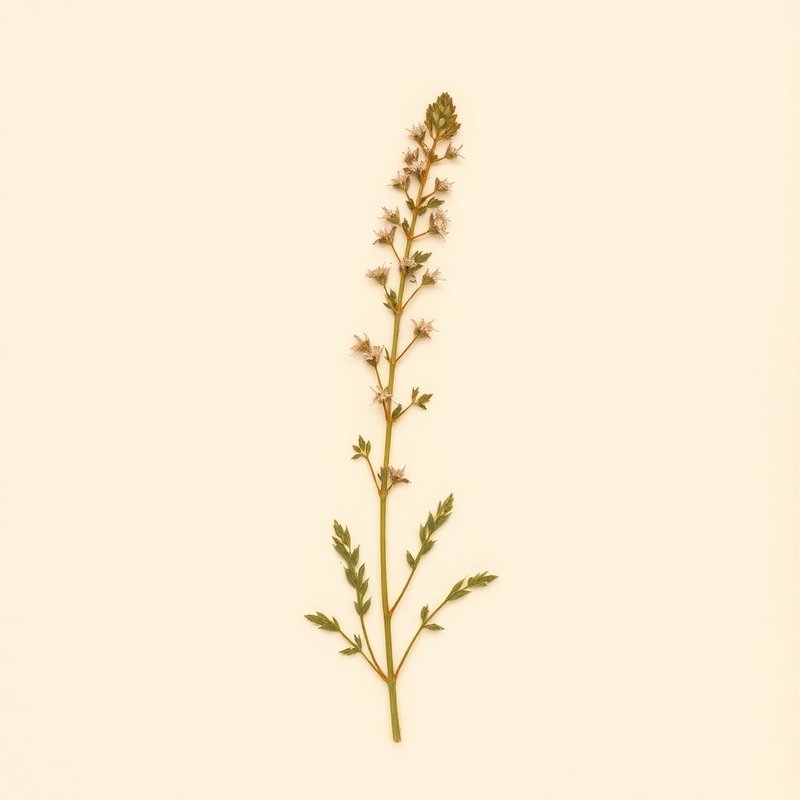
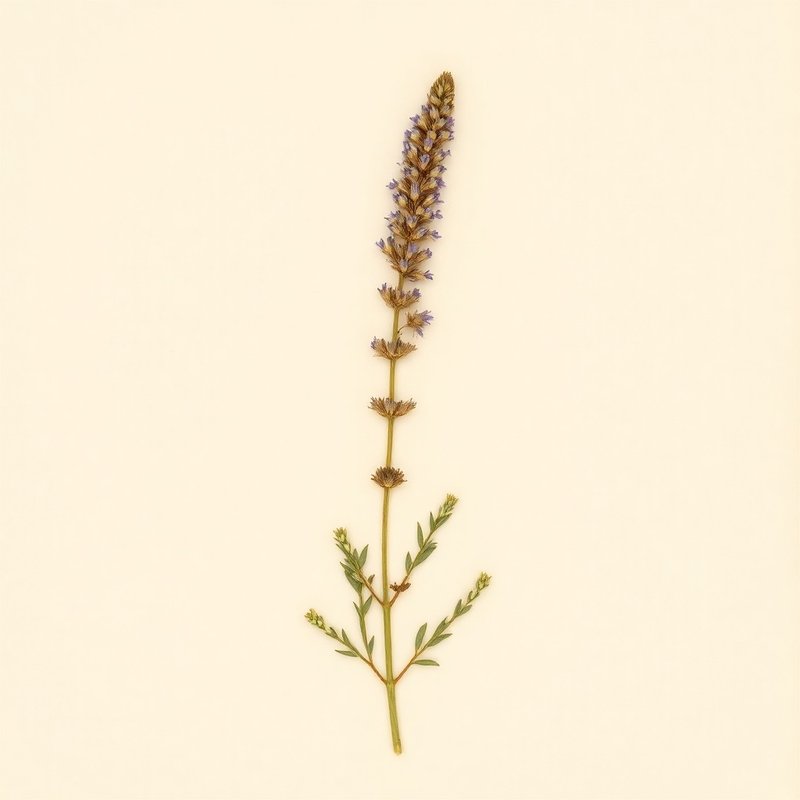
Pl. 8966 — Hyssopus officinalis
Hyssopus officinalisHyssopus officinalisHyssopus officinalisHyssopus officinalisHyssopus officinalisHyssopus officinalisHyssopus officinalisHyssopus officinalisHyssopus officinalisHyssopus officinalisHyssopus officinalisHyssopus officinalisHyssopus officinalisHyssopus officinalis
IOverview
Overview
Hyssop (Hyssopus officinalis), a member of the mint family (Lamiaceae), is native to regions including Albania, Algeria, Austria, Belarus, Bulgaria, and parts of Russia and Europe. This perennial subshrub or herb grows up to 0.6 meters in height with a width of 0.5 meters, thriving in full sun and various soil types from light (sandy) to medium. Known for its culinary and medicinal uses, hyssop is valued for its leaves, flowers, and shoots, which can be harvested throughout the growing season. Its adaptability to dry to moist conditions makes it a versatile plant in gardens and landscapes. Hyssop's distinctive feature includes its aromatic foliage and clusters of small purple or white flowers that add ornamental value to any setting.
Quick answers
What is Hyssop?
Hyssop (Hyssopus officinalis), a member of the mint family (Lamiaceae), is native to regions including Albania, Algeria, Austria, Belarus, Bulgaria, and parts of Russia and Europe. This perennial subshrub or herb grows up to 0.6 meters in height with a width of 0.
IV·bMixology suggestions
1 draft
Mixology suggestions
1 draftEditorial drafts. These pairings are AI-suggested from traditional herbal lore. Always verify with a qualified herbalist before brewing.
Calm Mind
focustincture
Historically used to promote mental clarity and focus.
Growingconditions · propagation · uses
VCultivation
Cultivation
Hyssop is a perennial subshrub that grows to be approximately 0.6 meters in height and 0.5 meters in width. It prefers full sun and can thrive in dry or moist conditions, but its ideal soil type is light sandy or medium. The plant's hardiness range spans from 3 to 11 degrees Celsius, making it suitable for temperate regions. Hyssop can be grown from edible parts such as flowers, leaves, and shoots. It is a hardy plant that can be propagated through division or cuttings.
Light
Full sun
Water
Dry, Moist
Soil
Light (sandy), Medium
Hardiness
3-11
Life cycle
Perennial
Habit
Subshrub, Forb/herb
Mature size
0.6 m × 0.5 m
For first-time growers
How to grow Hyssop for the first time
8steps
Start with a simple, low-maintenance perennial that thrives in full sun and well-draining soil.
- 1
What you'll need
Hyssop plants or seeds, potting mix, containers if planting in pots.
- 2
Best time to plant
Plant outdoors after the last frost in spring or start seeds indoors a month before the last frost.
- 3
Soil and container prep
Use well-draining soil with a pH between 6.0 and 7.5; ensure containers have drainage holes.
- 4
Sowing or transplanting
Direct sow seeds 1/4 inch deep, or plant young seedlings at 30 cm intervals in the garden.
- 5
First two weeks
Water regularly to keep soil moist but not waterlogged; avoid overwatering.
- 6
Ongoing care
Provide full sun and regular watering during dry spells; deadhead flowers for continuous bloom.
- 7
Harvest or pruning
Prune in early spring to encourage new growth, then trim back after flowering to maintain shape.
- 8
Common mistakes
Overwatering, planting in heavy soil, neglecting to prune regularly.
VIEdible & utility
Edible & utility
Edible parts:FlowersLeavesShoots
Edible uses: Oil, Condiment
Other uses:Essential OilantifungalHedgerowoilFragranceStrewingGround cover
Contextrange · companions · related
VIIDistribution
23 native · 7 introduced
Distribution
23 native · 7 introducedDistribution across3 continents· 23 native· 7 introduced
Europe15 regions
native (12)AlbaniaAustriaBelarusBulgariaFranceGreeceHungaryItalyRussiaSpainSwitzerlandUkraine
introduced (3)BelgiumPolandUnited Kingdom
Asia2 regions
native (2)IranTurkey
Africa2 regions
native (2)AlgeriaMorocco
Broader regions
native:Transcaucasus, Yugoslavia, Buryatiya, Czechoslovakia
introduced:New York, Vermont, Wisconsin, Baltic States
VIIIGarden companions
51 pairs
Garden companions
51 pairsPlant near these
These plants help — by repelling pests, fixing nitrogen, attracting pollinators, or sharing space well.
Neem
Azadirachta indica
Pest repellent
Lemon balm deters pests harmful to neem.
✶ AI suggested
Germander Speedwell
Veronica chamaedrys
Pest repellent
Hyssop repels aphids and spider mites.
✶ AI suggested
Mace
Achillea ageratum
Pest repellent
Hyssop repels pests that might otherwise harm Mace.
✶ AI suggested
African basil
Ocimum gratissimum
Pest repellent
African basil and hyssop repel common garden pests.
✶ AI suggested
Runner Bean
Phaseolus coccineus
Pest repellent
Lemon balm deters bean beetles and other pests.
✶ AI suggested
Satureja hortensis
Satureja hortensis
Pest repellent
Hyssop repels pests that might harm Satureja hortensis.
✶ AI suggested
Horsemint
Mentha longifolia
Pest repellent
Hyssop repels pests that might otherwise harm horsemint.
✶ AI suggested
Eau De Cologne Mint
Mentha x piperita citrata
Pest repellent
Lemon balm deters pests that might harm Eau De Cologne Mint.
✶ AI suggested
Purple Sage
Salvia carnosa
Pest repellent
Hyssop deters insects harmful to Purple Sage.
✶ AI suggested
Basil Thyme
Acinos arvensis
Pest repellent
Hyssop repels pests that might harm Basil Thyme.
✶ AI suggested
Chamomile
Matricaria chamomilla
Pest repellent
Hyssop repels pests that might harm chamomile.
✶ AI suggested
Black Caraway
Bunium persicum
Pest repellent
Hyssop repels insects and can deter pests from Black Caraway.
✶ AI suggested
Common Grape Vine
Vitis vinifera
Pest repellent
Hyssop is a traditional grape companion and insectary herb.
Yarrow
Achillea millefolium
Pollinator-friendly
Lower-confidence herb guild pairing: overlapping bloom windows increase beneficial-insect habitat in medicinal herb beds.
Pot marigold
Calendula officinalis
Pollinator-friendly
Lower-confidence herb guild pairing: overlapping bloom windows increase beneficial-insect habitat in medicinal herb beds.
Fagopyrum esculentum
Fagopyrum esculentum
Pollinator-friendly
Lower-confidence herb guild pairing: overlapping bloom windows increase beneficial-insect habitat in medicinal herb beds.
White Clover
Trifolium repens
Living mulch
Lower-confidence herb guild pairing: low living mulches protect soil around taller perennial herbs when kept from crowding crowns.
Urtica platyphylla
Urtica platyphylla
Pest repellent
Lemon balm deters pests that might otherwise harm Urtica platyphylla.
✶ AI suggested
Dwarf Catnip
Nepeta racemosa
Pest repellent
Hyssop repels pests that might otherwise harm Dwarf Catnip.
✶ AI suggested
Alecost
Tanacetum balsamita
Pest repellent
Hyssop repels pests that might harm Alecost.
✶ AI suggested
Beet
Beta trigyna
Pest repellent
Hyssop deters pests and improves soil health.
✶ AI suggested
Paper-Shell Piñon
Pinus remota
Pest repellent
Hyssop acts as a natural pest repellent for the tree.
✶ AI suggested
Artemisia keiskeana
Artemisia keiskeana
Pest repellent
Hyssop repels pests that might harm Artemisia keiskeana.
✶ AI suggested
Clary sage
Salvia sclarea
Pest repellent
Hyssop deters pests and can improve Salvia sclarea's growth.
✶ AI suggested
Purple Shiso
Perilla frutescens nankinensis
Pest repellent
Hyssop repels pests that might harm Purple Shiso.
✶ AI suggested
Florence Fennel
Foeniculum vulgare azoricum
Pest repellent
Hyssop repels pests that might harm Florence Fennel.
✶ AI suggested
Mexican Giant Hyssop
Agastache mexicana
Pest repellent
Mexican Giant Hyssop and Hyssop repel similar pests.
✶ AI suggested
Hardy Marjoram
Origanum x majoricum
Pest repellent
Hyssop helps deter pests and improves hardy marjoram's growth.
✶ AI suggested
Long Dan Cao
Gentiana scabra
Pest repellent
Lemon balm deters pests that might harm Long Dan Cao.
✶ AI suggested
Sand Rice
Agriophyllum squarrosum
Pest repellent
Hyssop deters insects harmful to Sand Rice.
✶ AI suggested
Orach
Atriplex hortensis
Pest repellent
Hyssop repels aphids and spider mites.
✶ AI suggested
Abelmoschus esculentus
Abelmoschus esculentus
Pest repellent
Lower-confidence guild pairing: aromatic foliage can confuse pests in dense polyculture beds when spacing and airflow are maintained.
Amaranthus cruentus
Amaranthus cruentus
Pest repellent
Lower-confidence guild pairing: aromatic foliage can confuse pests in dense polyculture beds when spacing and airflow are maintained.
Amaranthus hypochondriacus
Amaranthus hypochondriacus
Pest repellent
Lower-confidence guild pairing: aromatic foliage can confuse pests in dense polyculture beds when spacing and airflow are maintained.
Pigweed
Amaranthus retroflexus
Pest repellent
Lower-confidence guild pairing: aromatic foliage can confuse pests in dense polyculture beds when spacing and airflow are maintained.
Celery
Apium graveolens
Pest repellent
Lower-confidence guild pairing: aromatic foliage can confuse pests in dense polyculture beds when spacing and airflow are maintained.
Asparagus
Asparagus officinalis
Pest repellent
Lower-confidence guild pairing: aromatic foliage can confuse pests in dense polyculture beds when spacing and airflow are maintained.
Turnip
Brassica rapa
Pest repellent
Lower-confidence guild pairing: aromatic foliage can confuse pests in dense polyculture beds when spacing and airflow are maintained.
Cucumis melo
Cucumis melo
Pest repellent
Lower-confidence guild pairing: aromatic foliage can confuse pests in dense polyculture beds when spacing and airflow are maintained.
Cucumis sativus
Cucumis sativus
Pest repellent
Lower-confidence guild pairing: aromatic foliage can confuse pests in dense polyculture beds when spacing and airflow are maintained.
Pumpkin / Zucchini
Cucurbita pepo
Pest repellent
Lower-confidence guild pairing: aromatic foliage can confuse pests in dense polyculture beds when spacing and airflow are maintained.
Daucus carota
Daucus carota
Pest repellent
Lower-confidence guild pairing: aromatic foliage can confuse pests in dense polyculture beds when spacing and airflow are maintained.
Lactuca sativa
Lactuca sativa
Pest repellent
Lower-confidence guild pairing: aromatic foliage can confuse pests in dense polyculture beds when spacing and airflow are maintained.
Cress
Lepidium sativum
Pest repellent
Lower-confidence guild pairing: aromatic foliage can confuse pests in dense polyculture beds when spacing and airflow are maintained.
Pastinaca sativa
Pastinaca sativa
Pest repellent
Lower-confidence guild pairing: aromatic foliage can confuse pests in dense polyculture beds when spacing and airflow are maintained.
Radish
Raphanus sativus
Pest repellent
Lower-confidence guild pairing: aromatic foliage can confuse pests in dense polyculture beds when spacing and airflow are maintained.
Tomato
Solanum lycopersicum
Pest repellent
Lower-confidence guild pairing: aromatic foliage can confuse pests in dense polyculture beds when spacing and airflow are maintained.
Potato
Solanum tuberosum
Pest repellent
Lower-confidence guild pairing: aromatic foliage can confuse pests in dense polyculture beds when spacing and airflow are maintained.
Spinach
Spinacia oleracea
Pest repellent
Lower-confidence guild pairing: aromatic foliage can confuse pests in dense polyculture beds when spacing and airflow are maintained.
Wild Cabbage
Brassica oleracea
Pest repellent
Lower-confidence guild pairing: aromatic foliage can confuse pests in dense polyculture beds when spacing and airflow are maintained.
IXSpecimen gallery
1 image
Specimen gallery
1 imageXSee also
8 related
See also
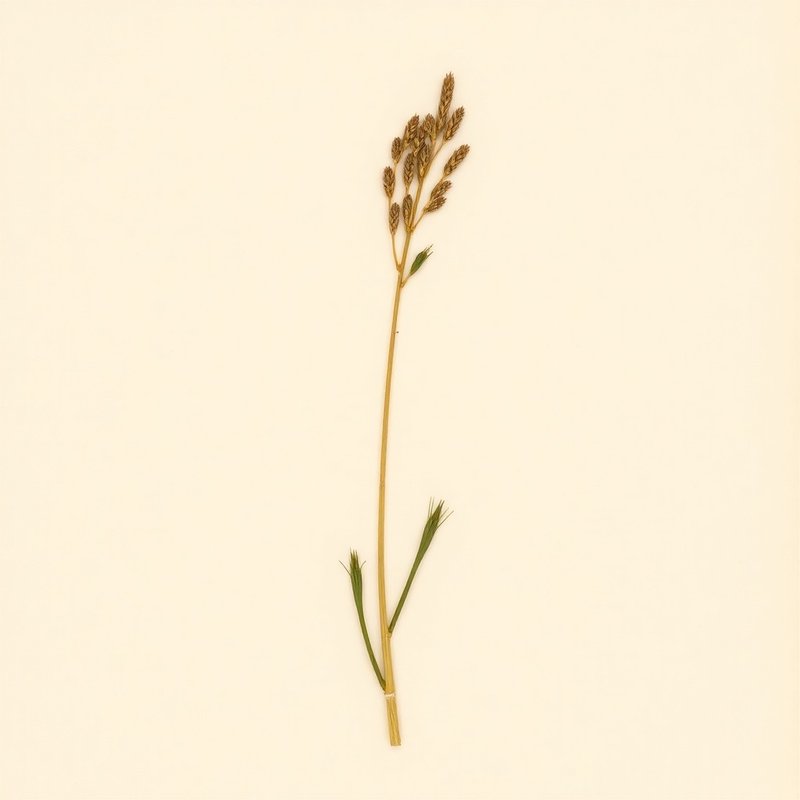
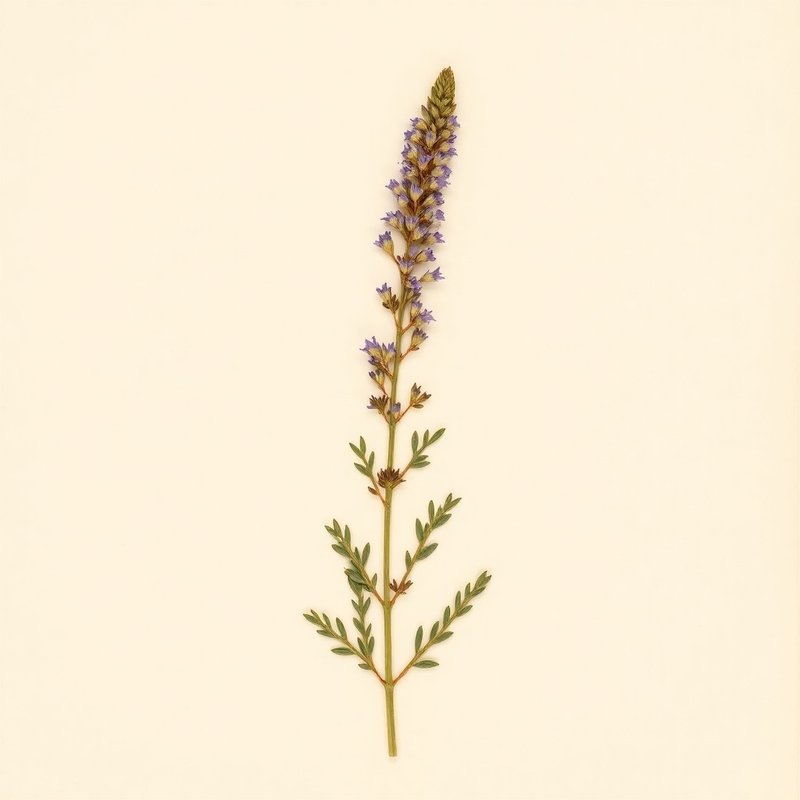
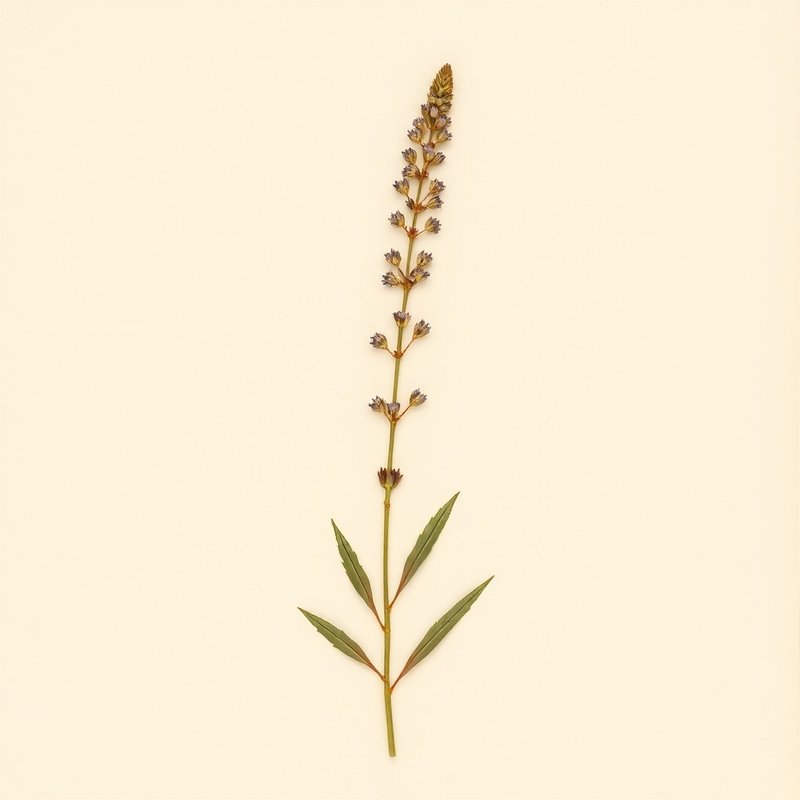
8 relatedPlants you might compare or use together — scored by shared family (Lamiaceae), common use cases, and growing requirements.
same family · Lamiaceae
Botanical relatives — often share phytochemistry + growing needs.

XI
Explore further
Companion planting
Compare with similar plants
Growing zone
XII
About this entry
- Last updated
- Citation
- How to cite this entry · Submit a correction
Back to the cataloguePlant id · 89661160-1c76-4cd9-b6d4-c8191f08c899
Decision aid
Choosing between Hyssop and something else?
Continue reading
❦❦❦❦
Endpaper · archive updates
Get archive updates
Occasional email when substantial new content lands — plant profiles, seasonal growing notes, folk-remedy additions. Free, no tracking, unsubscribe anytime.