
Annatto (Lipstick Plant
Bixa orellana
Educational content — not medical, botanical, or professional advice. Always consult a qualified clinician before using any herbal preparation — especially during pregnancy, breastfeeding, while on medication, or for children. How we source & review →
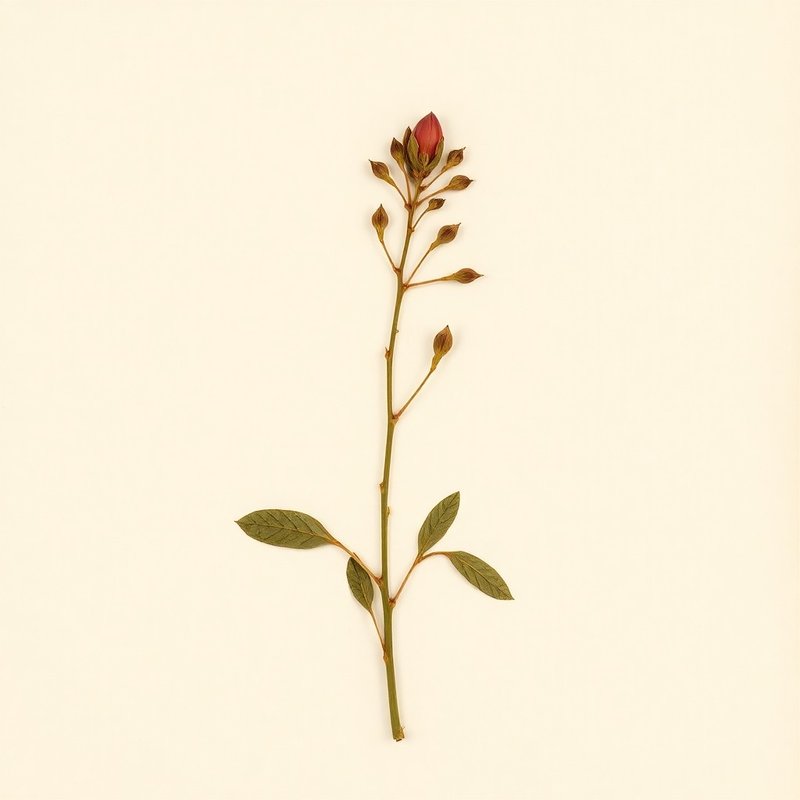
Pl. 9A3E — Bixa orellana
Bixa orellanaBixa orellanaBixa orellanaBixa orellanaBixa orellanaBixa orellanaBixa orellanaBixa orellanaBixa orellanaBixa orellanaBixa orellanaBixa orellanaBixa orellanaBixa orellana
IOverview
Overview
Annatto, also known as the Lipstick Plant (Bixa orellana), is a small tree or shrub native to Central and South America. It thrives in areas with full sun to partial shade and prefers moist, well-draining soil that can be light (sandy) or medium. Hardy from zones 10-12, this plant grows up to 5 meters tall. Known for its edible seeds, which are used to make a natural dye and flavoring agent, Annatto is also valued in traditional medicine. One distinctive feature of the plant is its bright red seed pods, which contain tiny seeds covered in a reddish-orange coating that has been traditionally used as a coloring agent in foods and cosmetics.
Quick answers
What is Annatto (Lipstick Plant?
Annatto, also known as the Lipstick Plant (Bixa orellana), is a small tree or shrub native to Central and South America. It thrives in areas with full sun to partial shade and prefers moist, well-draining soil that can be light (sandy) or medium.
What is Annatto (Lipstick Plant used for?
Traditionally used for topical & skin. Each claim is evidence-rated — see Section II for full citations.
Best for
Top 1 evidence-ranked use of Annatto (Lipstick Plant
Clinicaluses · safety · chemistry · dosagemedicinal profile
IIBenefits & evidence
1 claim · 0 sources
Benefits & evidence
1 claim · 0 sources- Annatto has been traditionally used in South American folk medicine for skin health, often applied topically to soothe minor irritations and promote healing. Its anti-inflammatory properties are attributed to compounds like bixin.
Bixin, a carotenoid found in annatto seeds, exhibits anti-inflammatory effects by modulating cytokine production and reducing oxidative stress.
IV·bMixology suggestions
1 draft
Mixology suggestions
1 draftEditorial drafts. These pairings are AI-suggested from traditional herbal lore. Always verify with a qualified herbalist before brewing.
Annatto (Lipstick Plant support blend
generaltea
AI returned a direct ingredient list; normalized into one draft blend for editorial review.
Growingconditions · propagation · uses
VCultivation
Cultivation
The Annatto or Lipstick Plant thrives in full to partial sun and requires moist, well-draining soil that is light (sandy) to medium in texture. It can grow up to 5 meters tall and is adaptable as both a tree and shrub. Hardy in zones 10-12, it prefers tropical and subtropical climates. For propagation, seeds are the recommended method. Ensure consistent moisture and ample sunlight for optimal growth.
Light
Full sun, Partial sun/shade
Water
Moist
Soil
Light (sandy), Medium
Hardiness
10-12
Habit
Tree, Shrub
Mature size
5.0 m tall
For first-time growers
How to grow Annatto (Lipstick Plant for the first time
8steps
Start with a simple, sunny spot and basic care for your Annatto plant.
- 1
What you'll need
A healthy Annatto seed or young plant, well-draining soil, and a container if planting in a pot.
- 2
Best time to plant
Plant in spring when the last frost has passed and temperatures are consistently warm.
- 3
Soil and container prep
Use light, sandy or medium soil with good drainage. Ensure containers have holes for proper water flow.
- 4
Sowing or transplanting
Direct sow seeds in the ground after danger of frost is past, or start them indoors 4-6 weeks before planting out.
- 5
First two weeks
Keep soil moist and place the plant in a partially shaded area to acclimate. Water regularly but avoid overwatering.
- 6
Ongoing care
Place your Annatto in full sun, water when the top inch of soil is dry, and fertilize lightly during growing season.
- 7
Harvest or pruning
Prune to maintain shape and remove dead branches. Collect seeds for new plants or use as needed.
- 8
Common mistakes
Overwatering, planting in heavy soil, not providing enough sunlight, and neglecting regular pruning.
VIEdible & utility
Edible & utility
Edible parts:Seed
Edible uses: Colouring, Condiment, Gum, Tea
Other uses:DyeEssential OilFencingFire starterGumHairHedgerowHouseplantPest controlPlant supportWind breakerSoap makingWeaving materialLumber
Contextrange · companions · related
VIIDistribution
28 native · 2 introduced
Distribution
28 native · 2 introducedDistribution across2 continents· 28 native· 2 introduced
Americas15 regions
native (15)BelizeBoliviaColombiaCosta RicaEcuadorEl SalvadorFrench GuianaGuatemalaGuyanaHondurasNicaraguaParaguayPeruSurinameVenezuela
Africa2 regions
introduced (2)EritreaEthiopia
Broader regions
native:Panamá, Mexico Northeast, Mexico Central, Mexico Gulf, Mexico Northwest, Mexico Southwest, Argentina Northeast, Brazil North, Argentina Northwest, Brazil Northeast, Mexico Southeast, Brazil Southeast, Brazil West-Central
IXSpecimen gallery
1 image
Specimen gallery
1 imageXSee also
8 related
See also
8 relatedPlants you might compare or use together — scored by shared family, common use cases, and growing requirements.
shared use cases
Different families, similar therapeutic role — good for comparing.


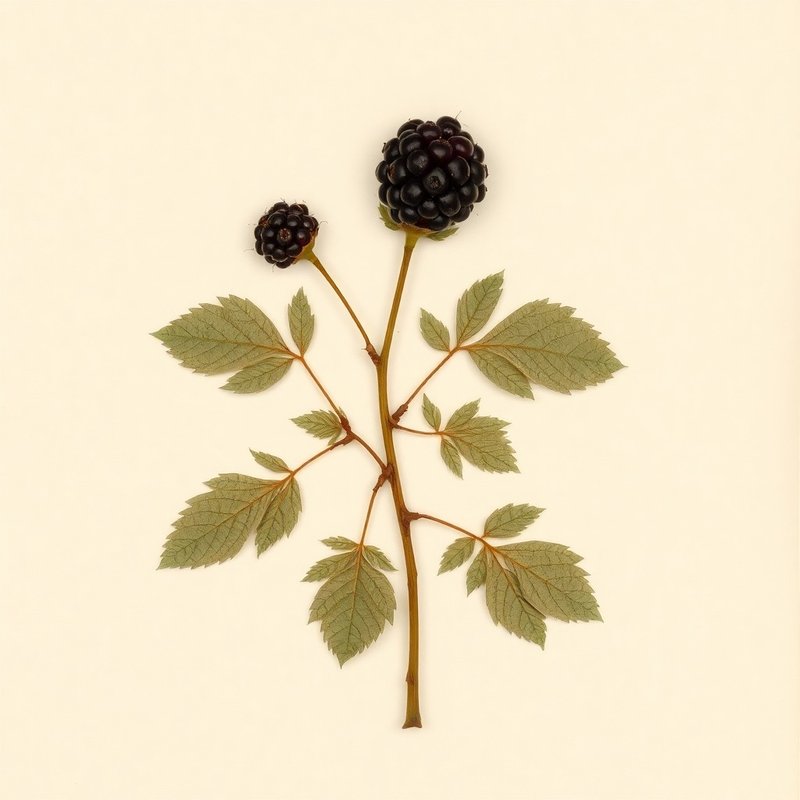
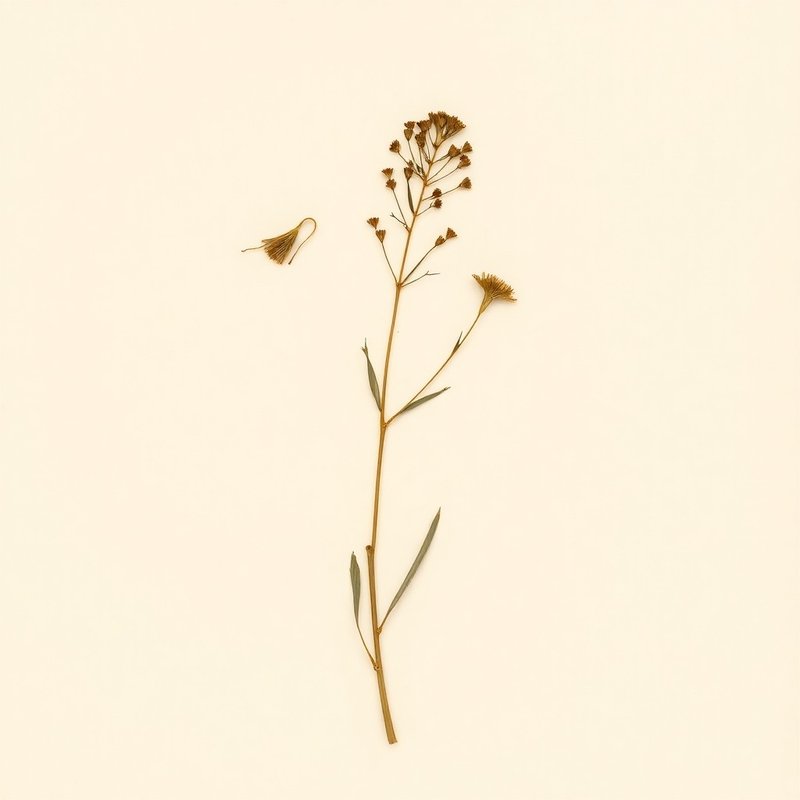

XI
Explore further
Companion planting
Compare with similar plants
Growing zone
XII
About this entry
- Last updated
- Citation
- How to cite this entry · Submit a correction
Back to the cataloguePlant id · 9a3eec2f-47ed-4358-ba88-cca7db565f8c
Decision aid
Choosing between Annatto (Lipstick Plant and something else?
Continue reading
❦❦❦❦
Endpaper · archive updates
Get archive updates
Occasional email when substantial new content lands — plant profiles, seasonal growing notes, folk-remedy additions. Free, no tracking, unsubscribe anytime.