
Green In The Snow
IOverview
Overview
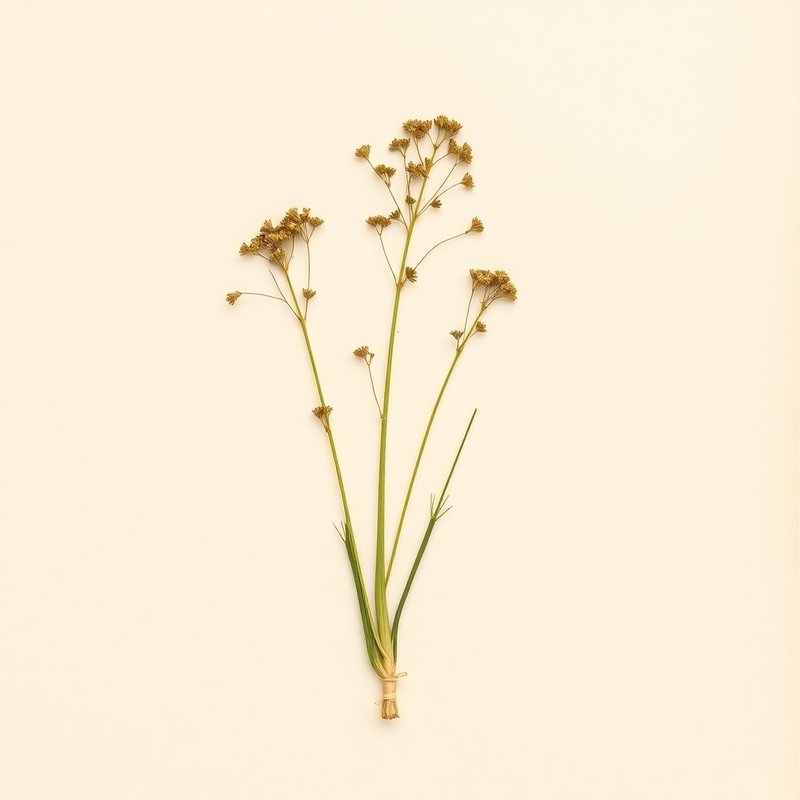
Green In The Snow (Brassica juncea tsatsai multiceps) is an annual herb native to the North Caucasus and Transcaucasus regions. This plant is valued for its edible parts, including flowers, leaves, seeds, shoots, and stems, making it a versatile addition to gardens or kitchen plots. It thrives in moist conditions with light (sandy), medium, and heavy (clay) soils, growing up to 0.4 meters tall. Known for its adaptability, Green In The Snow can be propagated by direct seeding outdoors, with seedlings thinned to about 15 cm apart. Its distinctive feature is its ability to grow in a range of soil types, from light to heavy, making it a resilient choice for gardeners in various conditions.
What is Green In The Snow?
Green In The Snow (Brassica juncea tsatsai multiceps) is an annual herb native to the North Caucasus and Transcaucasus regions. This plant is valued for its edible parts, including flowers, leaves, seeds, shoots, and stems, making it a versatile addition to gardens or kitchen plots.
What is Green In The Snow used for?
Traditionally used for digestion, immune support. Each claim is evidence-rated — see Section II for full citations.
IIBenefits & evidence
2 claims · traditional-use context
Benefits & evidence
2 claims · traditional-use context- Brassica juncea, the genus to which Green In The Snow belongs, has been traditionally used in Chinese medicine for digestive issues. A decoction of its leaves and stems may help alleviate symptoms such as bloating and indigestion.
The mechanism is not fully characterised but likely involves compounds like glucosinolates that support gut health by promoting the growth of beneficial bacteria and reducing inflammation in the digestive tract.
▲ ModerateDigestion → - Brassica juncea, commonly known as mustard greens, has been traditionally used in Ayurvedic medicine to support the immune system. Consuming a tea made from its leaves may help boost overall immunity.
The mechanism is not fully characterised but likely involves compounds such as glucoraphanin which can be converted into sulforaphane, known for its antioxidant and anti-inflammatory properties that support immune function.
▲ ModerateImmune support →
IV·bMixology suggestions
1 draft
Mixology suggestions
1 draftVCultivation
Cultivation
- Propagation
- Direct seed outdoors, thin seedings to 15cm apart
- Row spacing
- 3 cm
- Seed viability
- 3 to 7 years
How to grow Green In The Snow for the first time
Start with Green In The Snow for a simple and rewarding gardening experience.
- 1
What you'll need
Seeds, garden soil, a trowel or rake.
- 2
Best time to plant
Plant in spring after the last frost or in fall before the first freeze.
- 3
Soil and container prep
Prepare loose, well-draining soil with a pH between 6 and 7.2.
- 4
Sowing or transplanting
Direct seed outdoors once soil is warm, spacing seeds about 15 cm apart.
- 5
First two weeks
Water regularly to keep the soil moist but not waterlogged.
- 6
Ongoing care
Continue regular watering and thin seedlings if necessary. Monitor for pests and diseases.
- 7
Harvest or pruning
Prune or harvest leaves, shoots, flowers, and stems as needed throughout the growing season.
- 8
Common mistakes
Overwatering, planting too deep, neglecting to thin seedlings.
VIEdible & utility
Edible & utility
VIIDistribution
2 native · 204 introduced
Distribution
2 native · 204 introducedIXSpecimen gallery
1 image
Specimen gallery
1 imageXSee also
8 related
See also
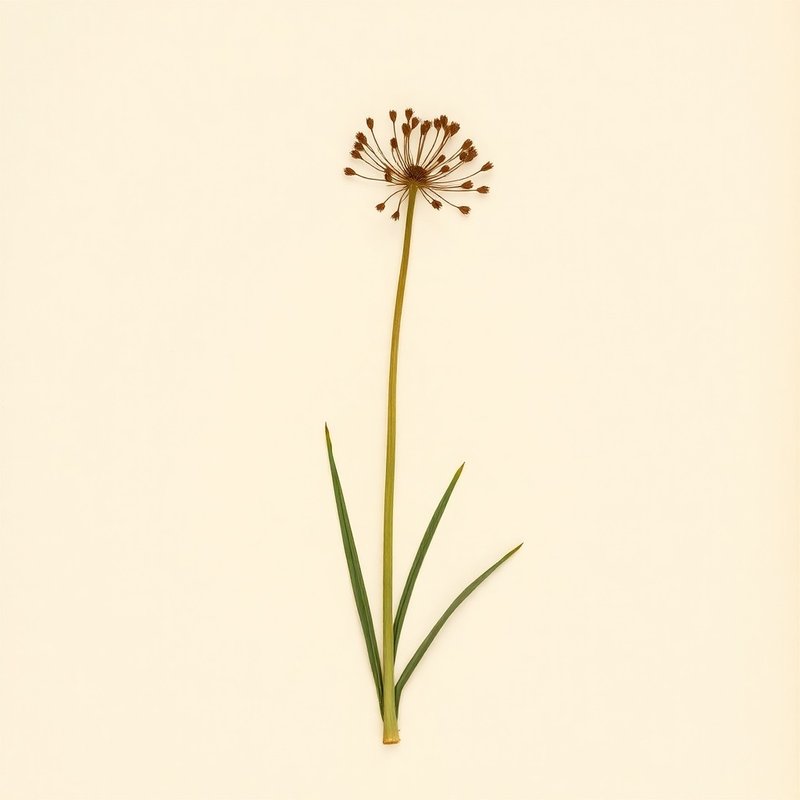
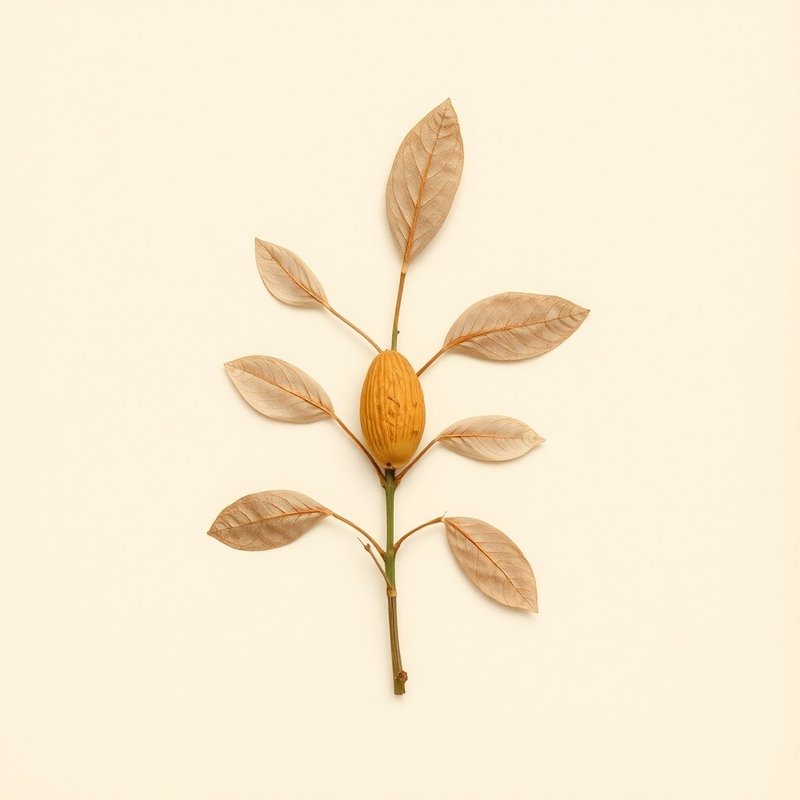
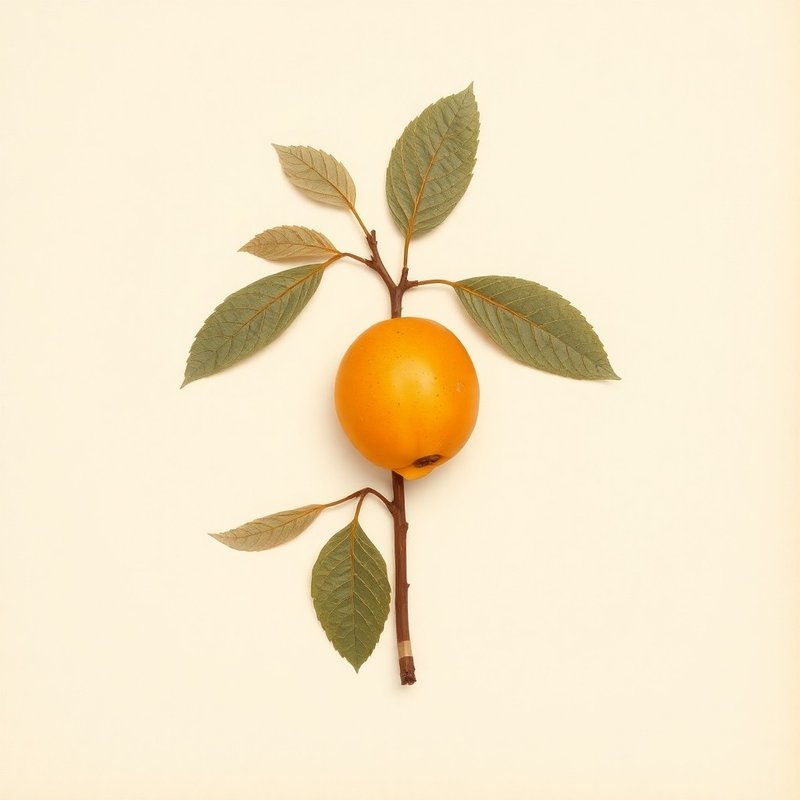
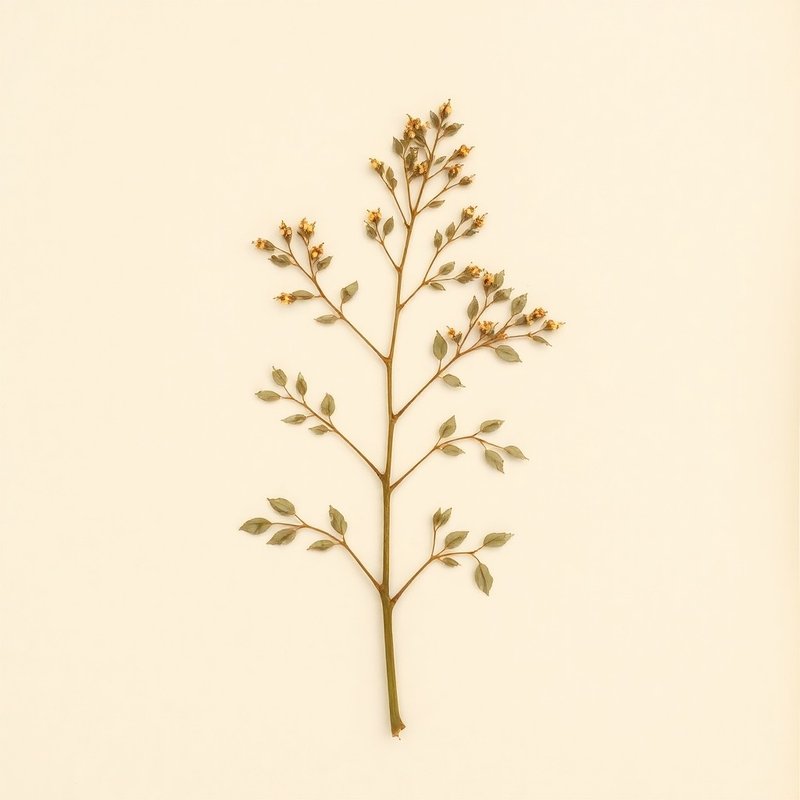
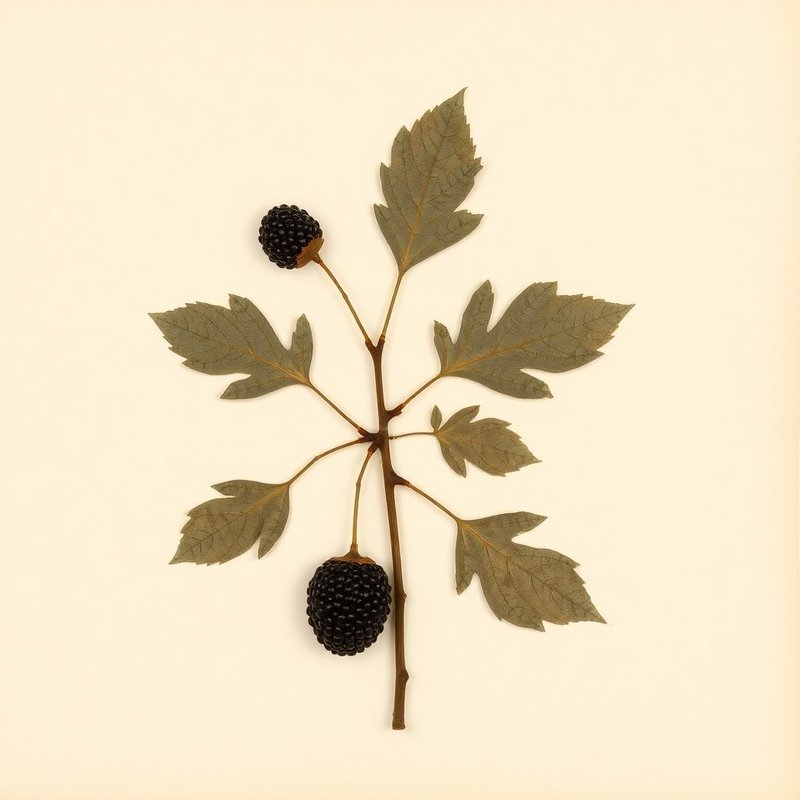
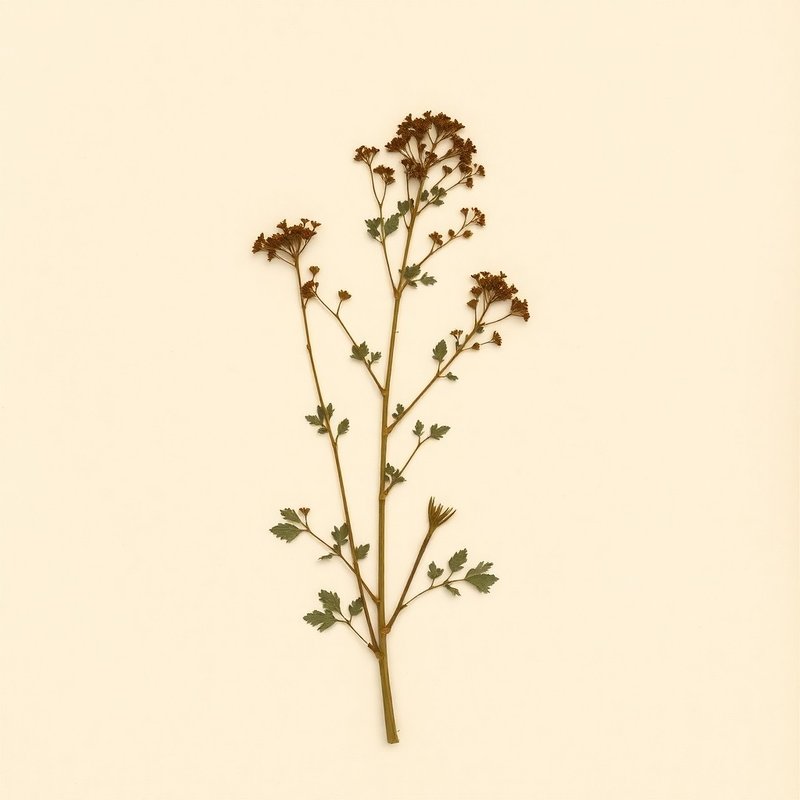
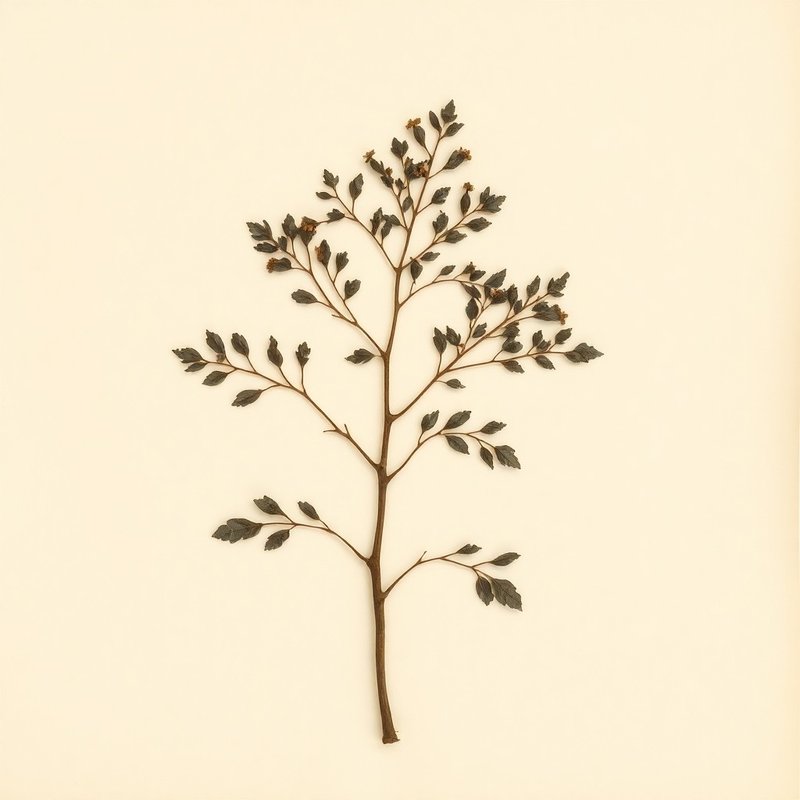
8 relatedPlants you might compare or use together — scored by shared family, common use cases, and growing requirements.

Explore further
About this entry
- Last updated
- Citation
- How to cite this entry · Submit a correction
Continue reading
Get archive updates
Occasional email when substantial new content lands — plant profiles, seasonal growing notes, folk-remedy additions. Free, no tracking, unsubscribe anytime.