
Taunton Deane Kale
Brassica oleracea acephala
Educational content — not medical, botanical, or professional advice. Always consult a qualified clinician before using any herbal preparation — especially during pregnancy, breastfeeding, while on medication, or for children. How we source & review →
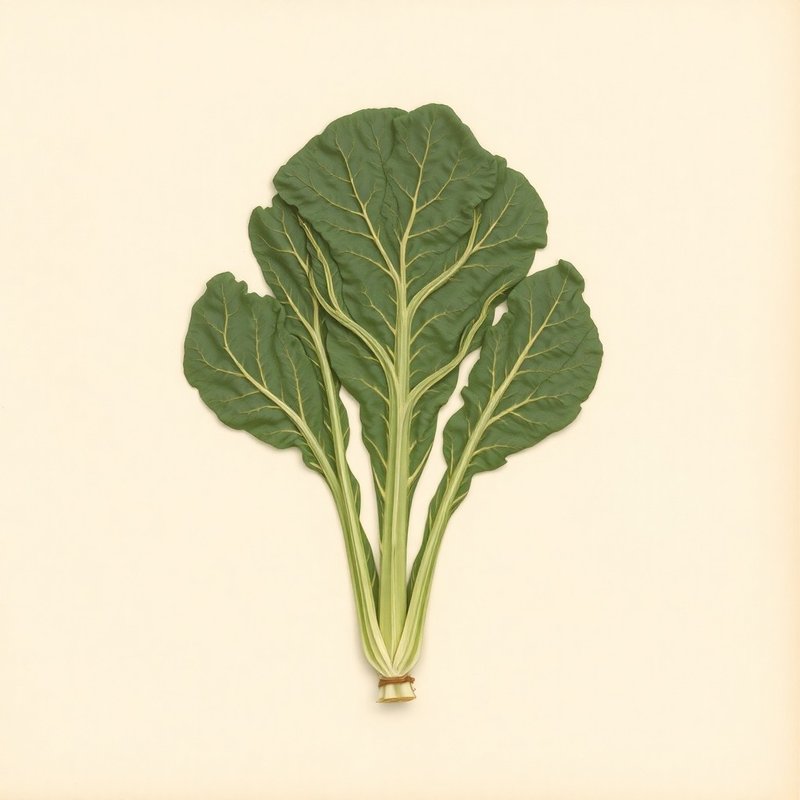
Pl. 46DD — Brassica oleracea acephala
Brassica oleracea acephalaBrassica oleracea acephalaBrassica oleracea acephalaBrassica oleracea acephalaBrassica oleracea acephalaBrassica oleracea acephalaBrassica oleracea acephalaBrassica oleracea acephalaBrassica oleracea acephalaBrassica oleracea acephalaBrassica oleracea acephalaBrassica oleracea acephalaBrassica oleracea acephalaBrassica oleracea acephala
IOverview
Overview
Taunton Deane Kale is a perennial variety of kale known for its purple stems and veins, making it a distinctive addition to the garden. Native to France, Great Britain, and Spain, this hardy plant thrives in full sun with rich, moist soil but can adapt to more shaded locations as well. It can grow up to 2 meters tall and develop a woody stem over time. Edible parts include its leaves, which are suitable for various culinary uses. This kale is easy to propagate by sowing seeds indoors and transplanting them outside. Its ability to tolerate cold climates and adaptability make it a versatile choice for gardeners in hardiness zones 5-11.
Quick answers
What is Taunton Deane Kale?
Taunton Deane Kale is a perennial variety of kale known for its purple stems and veins, making it a distinctive addition to the garden. Native to France, Great Britain, and Spain, this hardy plant thrives in full sun with rich, moist soil but can adapt to more shaded locations as well.
What is Taunton Deane Kale used for?
Traditionally used for digestion, immune support. Each claim is evidence-rated — see Section II for full citations.
Best for
Top 2 evidence-ranked uses of Taunton Deane Kale
Clinicaluses · safety · chemistry · dosagemedicinal profile
IIBenefits & evidence
2 claims · 0 sources
Benefits & evidence
2 claims · 0 sources- Kale has been traditionally used in European herbal medicine to support digestive health. Consuming cooked kale leaves regularly may help improve digestion and alleviate minor gastrointestinal discomfort.
The mechanism is not fully characterised but likely involves the dietary fibre content, which can aid in maintaining regular bowel movements and supporting gut microbiota health.
- Kale, including varieties like Taunton Deane Kale, has been traditionally used in European herbal medicine to support immune function due to its high content of vitamins and minerals. A daily serving of cooked leaves may help maintain a healthy immune system.
The mechanism is not fully characterised but likely involves the synergistic action of various antioxidants, such as vitamin C and beta-carotene, which can enhance immune cell activity and protect against oxidative stress.
IV·bMixology suggestions
1 draft
Mixology suggestions
1 draftEditorial drafts. These pairings are AI-suggested from traditional herbal lore. Always verify with a qualified herbalist before brewing.
Taunton Deane Kale support blend
generaltea
AI returned a direct ingredient list; normalized into one draft blend for editorial review.
Growingconditions · propagation · uses
VCultivation
Cultivation
Taunton Deane Kale is a perennial kale that thrives in full sun but can also tolerate partial shade. It prefers rich, moist conditions and adapts well to various soils, including light (sandy), medium, and heavy (clay). The plant can grow up to 2 meters tall and develops a woody stem over time. It is hardy in temperate regions with zones ranging from 5-11. To propagate, sow seeds indoors and transplant them outside. Harvest the edible leaves for use in your garden. Maintain soil pH between 7 and 7.5 for best growth.
Light
8/10
Soil
Light (sandy), Medium, Heavy (clay)
Hardiness
5-11
Life cycle
Perennial
Habit
Forb/herb
Mature size
2 m tall
Soil pH
7–7.5
- Propagation
- "Sow seeds indoors and transplant outside
For first-time growers
How to grow Taunton Deane Kale for the first time
8steps
Taunton Deane Kale is a hardy perennial that's easy to grow for beginners, especially if you follow these steps.
- 1
What you'll need
Kale seeds, small pots or trays, compost, and a garden fork.
- 2
Best time to plant
Start indoors in late winter to early spring for outdoor planting later.
- 3
Soil and container prep
Prepare soil with plenty of organic matter; ensure it's well-draining but moisture-retentive, pH 7–7.5.
- 4
Sowing or transplanting
Sow seeds indoors in small pots, then transplant outside once the weather warms and all danger of frost is past.
- 5
First two weeks
Keep soil consistently moist; protect from extreme cold if necessary. Thin seedlings to 30 cm apart.
- 6
Ongoing care
Water regularly, especially during dry spells. Mulch around the base for moisture retention and weed control.
- 7
Harvest or pruning
Prune any yellowing leaves and trim back leggy growth to encourage bushy foliage; harvest outer leaves as needed.
- 8
Common mistakes
Overcrowding, not providing enough water during dry spells, and neglecting to mulch.
VIEdible & utility
Edible & utility
Edible parts:Leaves
Edible uses: Taunton Deane Kale is edible, with its leaves being the main part consumed. The leaves can be prepared in various ways—eaten raw in salads or cooked by steaming, sautéing, or boiling. They can also be dried and used as a seasoning. SKIP
Contextrange · companions · related
VIIDistribution
3 native · 27 introduced
Distribution
3 native · 27 introducedDistribution across4 continents· 3 native· 27 introduced
Europe10 regions
native (3)FranceSpainUnited Kingdom
introduced (7)AlbaniaBelarusBelgiumBulgariaPortugalRussiaSpain
Asia3 regions
introduced (3)BangladeshChinaIndia
Americas3 regions
introduced (3)Costa RicaEcuadorEl Salvador
Africa1 region
introduced (1)Algeria
Broader regions
introduced:Antipodean Is., Baltic States, California, Caroline Is., Chatham Is., Chile South, Connecticut, Crozet Is., East Himalaya, Easter Is.
IXSpecimen gallery
1 image
Specimen gallery
1 imageXSee also
8 related
See also
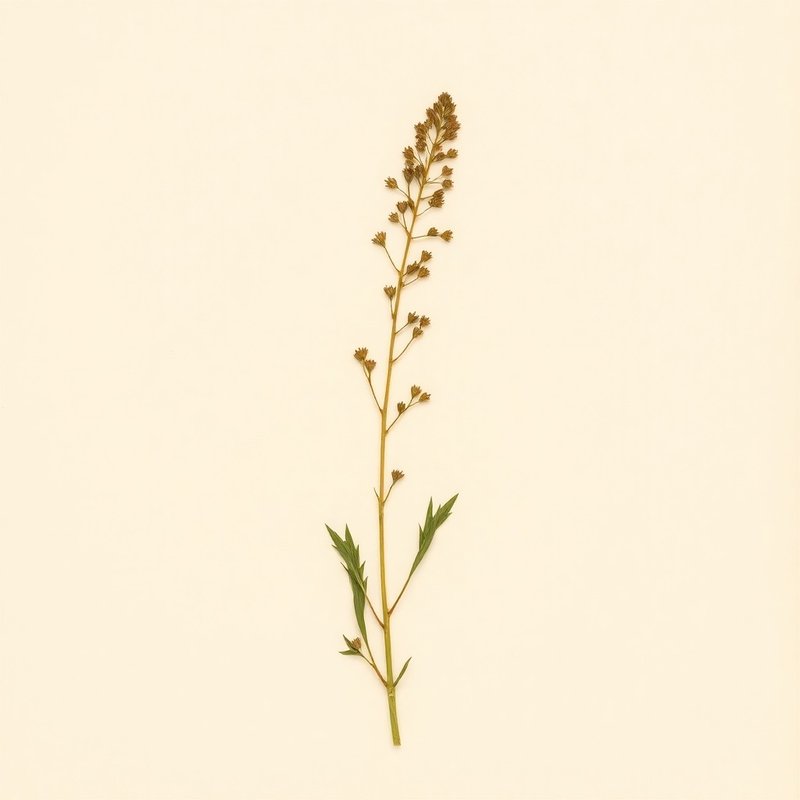
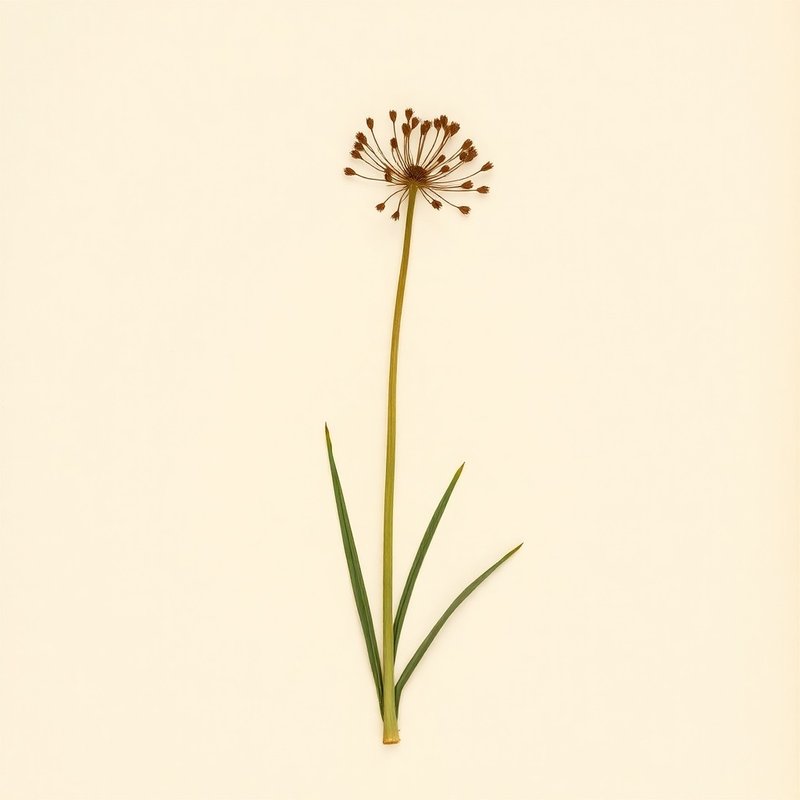
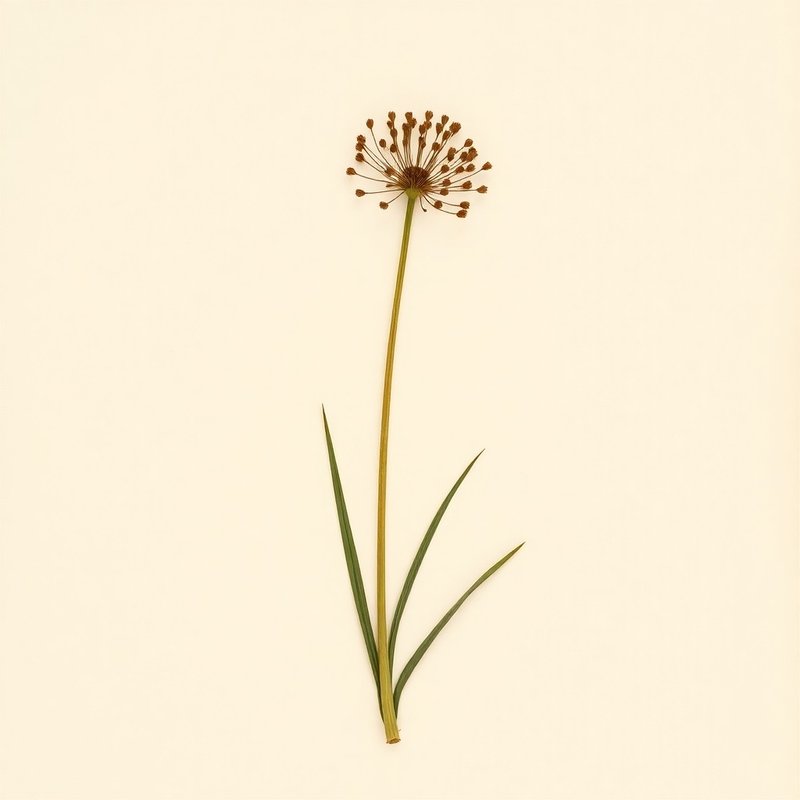
8 relatedPlants you might compare or use together — scored by shared family, common use cases, and growing requirements.
shared use cases
Different families, similar therapeutic role — good for comparing.

XI
Explore further
Companion planting
Health goals
Compare with similar plants
Growing zone
XII
About this entry
- Last updated
- Citation
- How to cite this entry · Submit a correction
Back to the cataloguePlant id · 46dd2278-1915-4361-8006-c1621f427625
Decision aid
Choosing between Taunton Deane Kale and something else?
Continue reading
❦❦❦❦
Endpaper · archive updates
Get archive updates
Occasional email when substantial new content lands — plant profiles, seasonal growing notes, folk-remedy additions. Free, no tracking, unsubscribe anytime.