
Anise
Pimpinella anisum
Educational content — not medical, botanical, or professional advice. Always consult a qualified clinician before using any herbal preparation — especially during pregnancy, breastfeeding, while on medication, or for children. How we source & review →
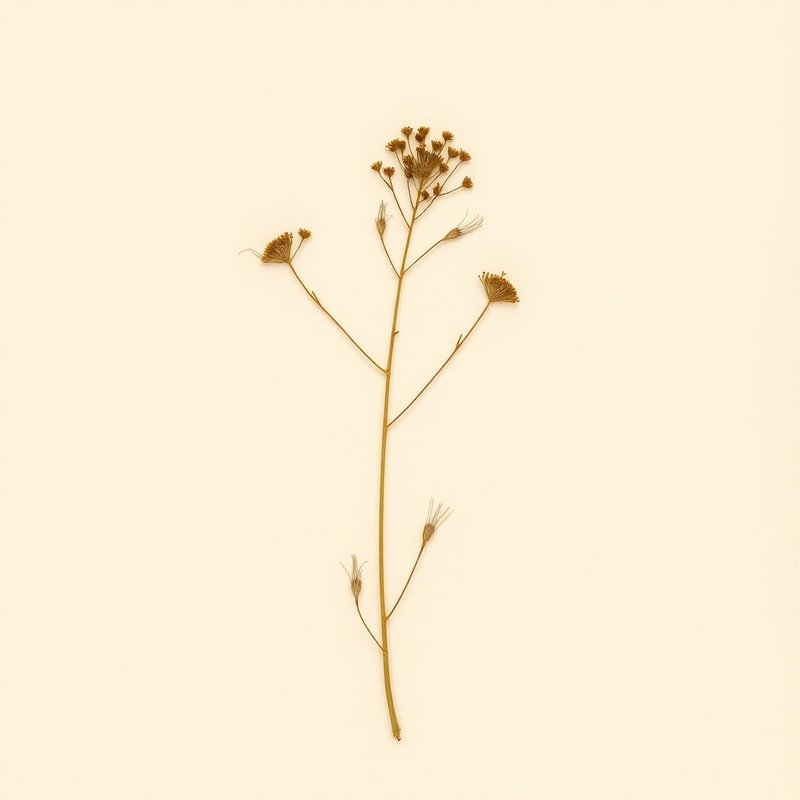
Pl. A1EF — Pimpinella anisum
Pimpinella anisumPimpinella anisumPimpinella anisumPimpinella anisumPimpinella anisumPimpinella anisumPimpinella anisumPimpinella anisumPimpinella anisumPimpinella anisumPimpinella anisumPimpinella anisumPimpinella anisumPimpinella anisum
IOverview
Overview
Anise (Pimpinella anisum) is a small herb native to the North Caucasus and Transcaucasus regions, with a range extending to Turkey, Cyprus, Lebanon-Syria, and Palestine. Known both for its culinary and medicinal uses, this plant has been cultivated for centuries. Anise thrives in light (sandy) and medium soil types, preferring a pH between 7.5 and 8, making it suitable for well-drained areas. Its annual life cycle and height of up to 0.5 meters make it an easy-to-grow herb. The plant's leaves and seeds are edible, with the seed being particularly prized in cooking. Anise is valued for its traditional use as a carminative and galactagogue, aiding digestion and supporting lactation. Its light and airy form, combined with these practical benefits, makes it a valuable addition to gardens and kitchens alike.
Quick answers
What is Anise?
Anise (Pimpinella anisum) is a small herb native to the North Caucasus and Transcaucasus regions, with a range extending to Turkey, Cyprus, Lebanon-Syria, and Palestine. Known both for its culinary and medicinal uses, this plant has been cultivated for centuries.
What is Anise used for?
Traditionally used for digestion. Each claim is evidence-rated — see Section II for full citations.
Best for
Top 1 evidence-ranked use of Anise
Clinicaluses · safety · chemistry · dosagemedicinal profile
IIBenefits & evidence
1 claim · 0 sources
Benefits & evidence
1 claim · 0 sources- Traditional use: anise as carminative + galactagogue.
Anethole
IV·bMixology suggestions
1 draft
Mixology suggestions
1 draftEditorial drafts. These pairings are AI-suggested from traditional herbal lore. Always verify with a qualified herbalist before brewing.
Digestive Comfort
digestiontea
Traditional blend for easing indigestion.
Growingconditions · propagation · uses
VCultivation
Cultivation
Pimpinella anisum thrives in light to moderately moist conditions and prefers well-drained soils that are slightly alkaline (pH 7.5-8). It is hardy in temperate regions but can be sensitive to extremes of temperature. This annual herb grows up to 0.5 meters tall and requires full sun or partial shade. For optimal growth, sow seeds directly into the garden soil after all danger of frost has passed. Keep the soil consistently moist during the growing season, especially when the plant is flowering and setting seed. Harvest leaves and seeds as needed throughout the summer.
Light
8/10
Water
Dry, Moist
Soil
Light (sandy), Medium
Hardiness
7-10
Life cycle
Annual
Habit
Forb/herb
Mature size
0.5 m tall
Soil pH
7.5–8
For first-time growers
How to grow Anise for the first time
7steps
Start with anise as a simple annual herb, focusing on basic care and harvesting.
- 1
What you'll need
Seeds or seedlings, small pots or garden space, potting soil if using containers.
- 2
Best time to plant
Plant in spring after the last frost, or start seeds indoors about 4 weeks before planting out.
- 3
Soil and container prep
Use well-draining soil with a pH between 7.5 and 8. Ensure containers are at least 30 cm deep if using pots.
- 4
Sowing or transplanting
Direct sow seeds 1-2 cm deep, spaced about 15 cm apart. Transplant seedlings when they have two sets of true leaves.
- 5
First two weeks
Keep soil consistently moist and protect from extreme heat or cold during this critical period.
- 6
Ongoing care
Water regularly, especially in dry spells, but avoid overwatering. Mulch to retain moisture and suppress weeds.
- 7
Harvest or pruning
Prune lightly after flowering to encourage more foliage growth. Harvest leaves as needed for culinary use.
VIEdible & utility
Edible & utility
Edible parts:LeavesSeed
Edible uses: Condiment, Tea
Other uses:Essential OilPest controlFragranceTeeth
Contextrange · companions · related
VIIDistribution
6 native · 24 introduced
Distribution
6 native · 24 introducedDistribution across4 continents· 6 native· 24 introduced
Europe10 regions
native (2)CyprusRussia
introduced (8)AustriaBelarusBulgariaDenmarkFranceGermanyHungaryItaly
Asia7 regions
native (2)PalestineTurkey
introduced (5)BangladeshIndiaIraqKazakhstanLaos
Americas1 region
introduced (1)Guatemala
Africa1 region
introduced (1)Morocco
Broader regions
native:Transcaucasus, Lebanon-Syria
introduced:Argentina Northeast, Argentina Northwest, Brazil South, Czechoslovakia, East Aegean Is., Kriti, Leeward Is., Masachusettes, Michigan
IXSpecimen gallery
1 image
Specimen gallery
1 imageXSee also
8 related
See also
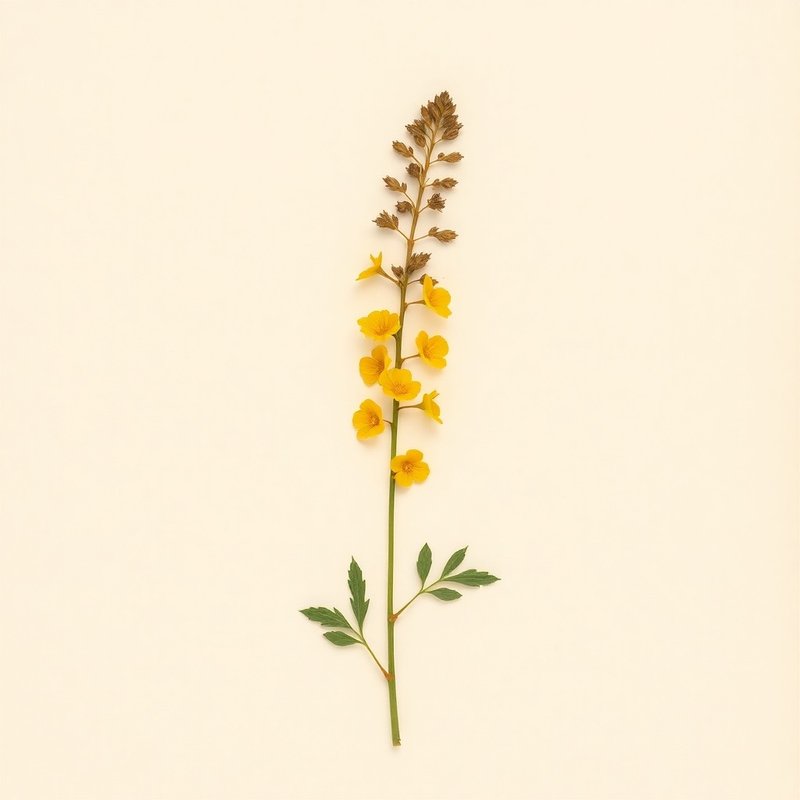
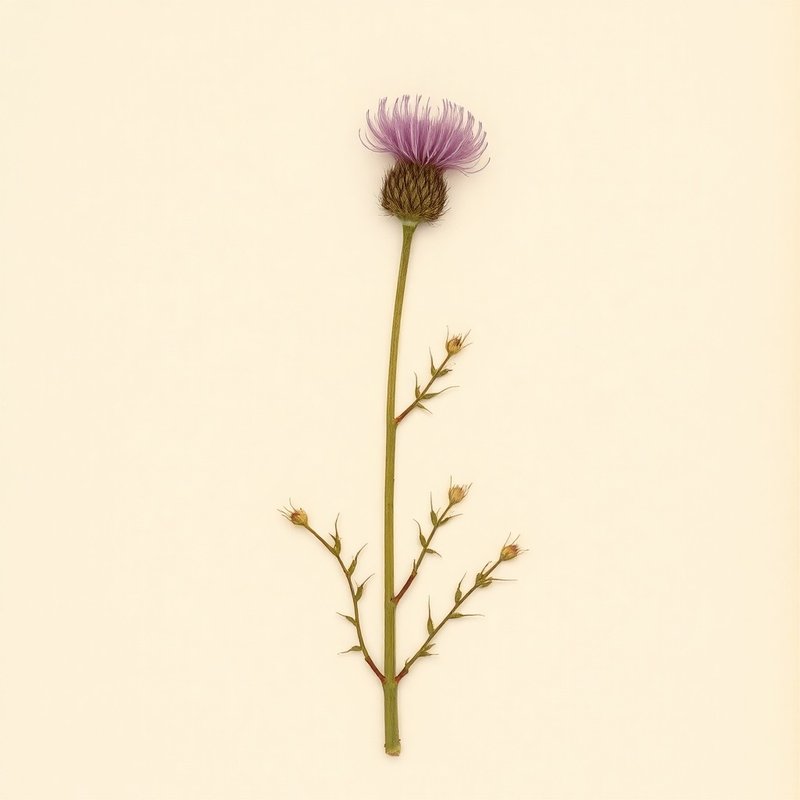
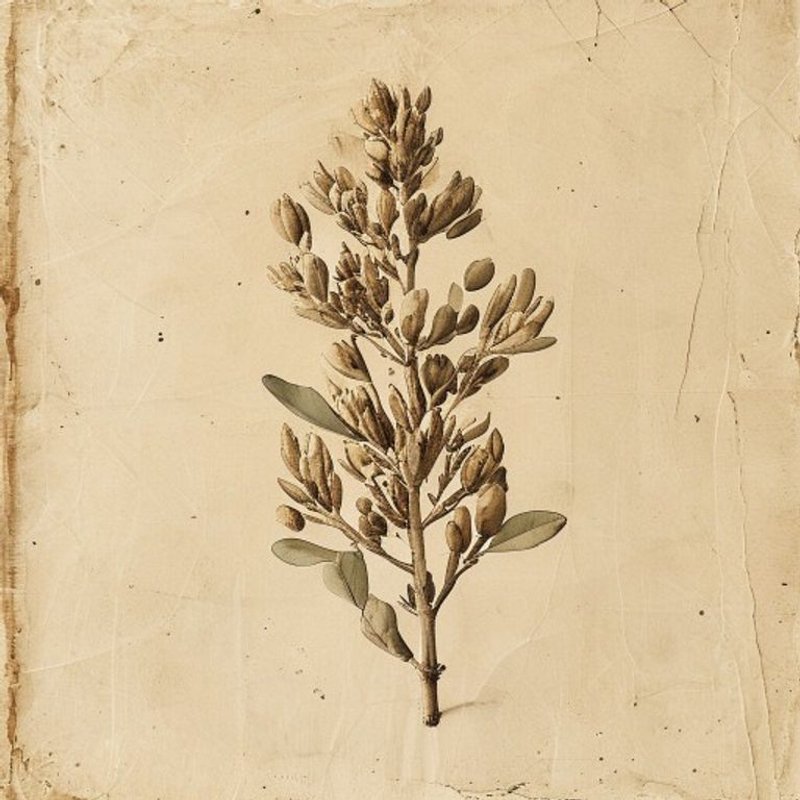
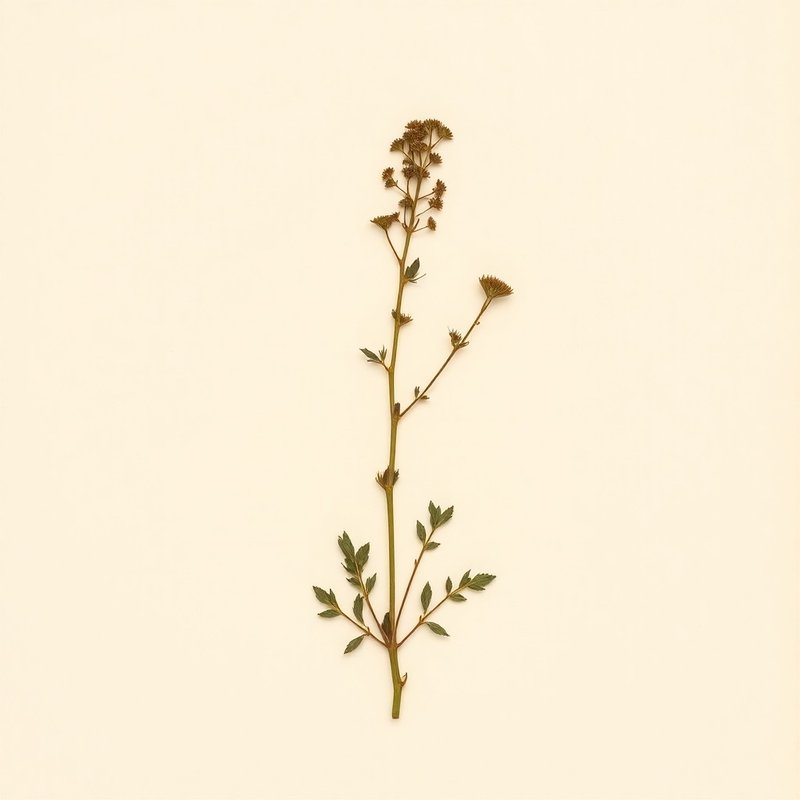
8 relatedPlants you might compare or use together — scored by shared family, common use cases, and growing requirements.
shared use cases
Different families, similar therapeutic role — good for comparing.

XI
Explore further
Companion planting
Health goals
Compare with similar plants
Growing zone
XII
About this entry
- Last updated
- Citation
- How to cite this entry · Submit a correction
Back to the cataloguePlant id · a1ef7b8f-96fc-4d32-8d5d-80aca8a3248f
Decision aid
Choosing between Anise and something else?
Continue reading
❦❦❦❦
Endpaper · archive updates
Get archive updates
Occasional email when substantial new content lands — plant profiles, seasonal growing notes, folk-remedy additions. Free, no tracking, unsubscribe anytime.