
Chinese Cabbage
Brassica rapa pekinensis
Educational content — not medical, botanical, or professional advice. Always consult a qualified clinician before using any herbal preparation — especially during pregnancy, breastfeeding, while on medication, or for children. How we source & review →
Garden journal pausedUse profile notes below
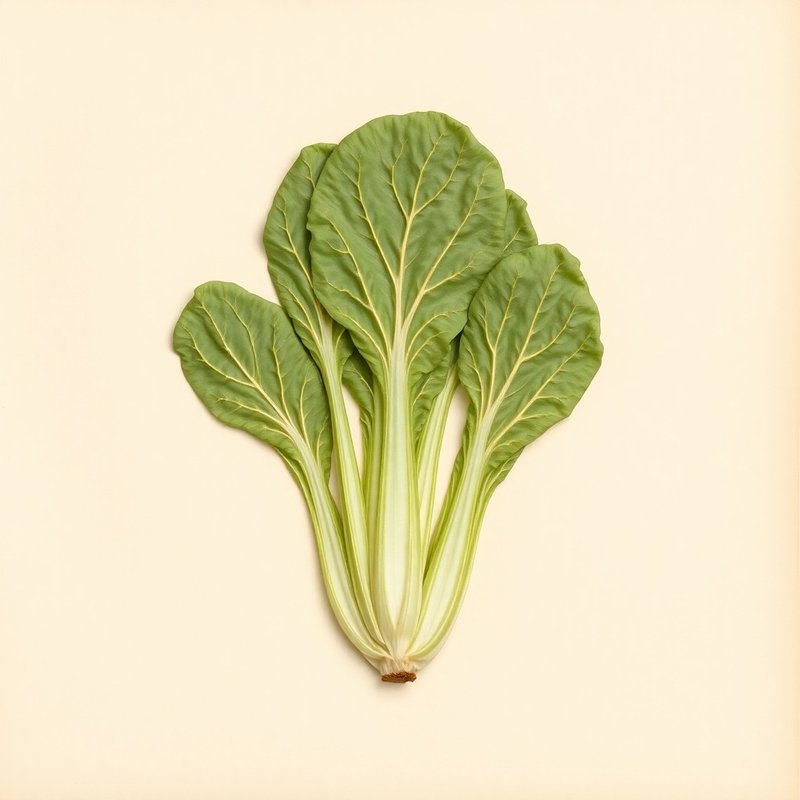
Pl. 33E4 — Brassica rapa pekinensis
Brassica rapa pekinensisBrassica rapa pekinensisBrassica rapa pekinensisBrassica rapa pekinensisBrassica rapa pekinensisBrassica rapa pekinensisBrassica rapa pekinensisBrassica rapa pekinensisBrassica rapa pekinensisBrassica rapa pekinensisBrassica rapa pekinensisBrassica rapa pekinensisBrassica rapa pekinensisBrassica rapa pekinensis
IOverview
Overview
Chinese Cabbage (Brassica rapa pekinensis) is an annual forb/herb that thrives in a variety of soil types, from light (sandy) to heavy (clay), with a preferred pH range of 5 to 8. Native to regions including Albania, Algeria, Bulgaria, Eritrea, Ethiopia, Greece, Iran, and Iraq, this edible variety is known for its versatility in the kitchen where both leaves and shoots can be enjoyed. The plant prefers moist conditions and grows up to 0.5 meters tall, with a growth rate classified as rapid. Its light energy requirement of 8/10 indicates it needs moderate sunlight but can tolerate some shade. Chinese cabbage is commonly eaten for its leaves and shoots. The leaves can be consumed raw in salads or cooked as a vegetable, while the tender young shoots are often used fresh in stir-fries or pickling. Propagation occurs through direct seeding outdoors, making it a straightforward addition to gardens. This plant is hardy in temperate regions (zones 6-9) and is classified as a dynamic accumulator, which means it can help improve soil fertility. In traditional Chinese medicine, Chinese cabbage has been used to support digestive health, often consumed as part of a balanced diet. Its high fiber content may help regulate bowel movements and alleviate minor digestive discomfort. However, caution should be exercised when using any plant for medicinal purposes, and professional guidance is recommended. Chinese cabbage prefers moist conditions and can be directly seeded outdoors. It thrives in light to heavy soils with a pH between 5 and 8, requiring moderate sunlight but tolerating some shade. Regular watering is necessary to keep the soil consistently moist.
Quick answers
What is Chinese Cabbage?
Chinese Cabbage (Brassica rapa pekinensis) is an annual forb/herb that thrives in a variety of soil types, from light (sandy) to heavy (clay), with a preferred pH range of 5 to 8.
What is Chinese Cabbage used for?
Traditionally used for digestion. Each claim is evidence-rated — see Section II for full citations.
Best for
Top 1 evidence-ranked use of Chinese Cabbage
Clinicaluses · safety · chemistry · dosagemedicinal profile
IIBenefits & evidence
1 claim · traditional-use context
Benefits & evidence
1 claim · traditional-use contextTraditional-use context
These notes are presented as ethnobotanical context. No cited clinical references are catalogued for this plant yet.
- Chinese cabbage has been traditionally used in Chinese medicine to support digestive health, often consumed as part of a balanced diet. Its high fiber content may help regulate bowel movements and alleviate minor digestive discomfort.
The dietary fiber in Chinese cabbage can promote gut motility by increasing stool bulk and softness, which helps maintain regularity and supports overall digestive function. However, the specific compounds responsible for this effect are not fully characterised.
▲ ModerateDigestion →
IV·bMixology suggestions
1 draft
Mixology suggestions
1 draftEditorial drafts. These pairings are AI-suggested from traditional herbal lore. Always verify with a qualified herbalist before brewing.
Chinese Cabbage support blend
generaltea
AI returned a direct ingredient list; normalized into one draft blend for editorial review.
Growingconditions · propagation · uses
VCultivation
Cultivation
Chinese Cabbage thrives in light to medium soil and prefers a pH between 5 and 8. It requires moist conditions and can be directly seeded outdoors. The plant is hardy in temperate regions (zones 6-9) and grows to about 0.5 meters tall. For best results, provide it with ample sunlight but avoid overly hot climates. Water regularly to keep the soil consistently moist. Direct seeding is the recommended propagation method for this annual forb/herb.
Light
8/10
Water
Moist
Soil
Light (sandy), Medium, Heavy (clay)
Hardiness
6-9
Life cycle
Annual
Habit
Forb/herb
Mature size
0.5 m tall
Soil pH
5–8
- Propagation
- Direct seed outdoors
- Row spacing
- 2 cm
For first-time growers
How to grow Chinese Cabbage for the first time
8steps
Start with Chinese Cabbage for a simple and rewarding gardening experience.
- 1
What you'll need
Seeds, a garden plot or large container, soil, water.
- 2
Best time to plant
Plant in spring after the last frost or in late summer for fall harvest.
- 3
Soil and container prep
Prepare loose, well-draining soil with a pH between 5 and 8. Ensure containers are at least 10 inches deep.
- 4
Sowing or transplanting
Direct seed outdoors when the soil is warm, about 2-3 seeds per inch, thinning to one plant later.
- 5
First two weeks
Keep soil consistently moist and protect from pests. Thin plants to stand about 6 inches apart.
- 6
Ongoing care
Water regularly, especially during dry spells. Monitor for pests like aphids and caterpillars.
- 7
Harvest or pruning
Cut outer leaves as needed when the plant is mature, leaving some to continue growing.
- 8
Common mistakes
Overcrowding plants, not providing enough water, using heavy containers without drainage holes.
VIEdible & utility
Edible & utility
Edible parts:FlowersLeavesShoots
Edible uses: Chinese cabbage is commonly eaten for its leaves and shoots. The leaves can be consumed raw in salads or cooked as a vegetable. The tender young shoots are often used fresh in stir-fries or pickling.
Other uses:Dynamic accumulator
Contextrange · companions · related
VIIDistribution
21 native · 202 introduced
Distribution
21 native · 202 introducedDistribution across5 continents· 21 native· 202 introduced
Europe25 regions
native (5)AlbaniaBulgariaGreeceItalyRussia
introduced (20)BelarusBelgiumDenmarkFinlandFranceGermanyHungaryIrelandItalyNetherlandsNorwayPolandPortugalRomaniaRussiaSpainSwedenSwitzerlandUkraineUnited Kingdom
Asia20 regions
native (6)IranIraqOmanPalestineSaudi ArabiaTurkey
introduced (14)BangladeshCambodiaChinaGeorgiaIndiaKazakhstanKuwaitNepalPakistanSouth KoreaTaiwanTurkmenistanUzbekistanVietnam
Americas16 regions
introduced (16)BoliviaColombiaCosta RicaCubaDominican RepublicEcuadorEl SalvadorGuatemalaHaitiHondurasNicaraguaParaguayPeruPuerto RicoUnited StatesUruguay
Africa15 regions
native (6)AlgeriaEritreaEthiopiaLibyaMoroccoTunisia
introduced (9)ComorosEgyptKenyaMauritiusMozambiqueRwandaTanzaniaUgandaZimbabwe
Oceania1 region
introduced (1)New Caledonia
Broader regions
native:Kriti, Lebanon-Syria, Transcaucasus, Yugoslavia
introduced:Alabama, Alberta, Aleutian Is., Altay, Amur, Andaman Is., Argentina Northeast, Argentina Northwest, Argentina South, Arizona, Arkansas, Baltic States, Brazil Northeast, Brazil South, Brazil Southeast, Brazil West-Central, British Columbia, Buryatiya, California, Cape Provinces, Cayman Is., Chile Central, Chile North, Chile South, Chita, Colorado, Connecticut, Cook Is., Czechoslovakia, Delaware, District of Columbia, Falkland Is., Florida, Føroyar, Free State, Galápagos, Gilbert Is., Idaho, Illinois, Indiana, Iowa, Irkutsk, Juan Fernández Is., Kamchatka, Kansas, Kentucky, Khabarovsk, Kirgizstan, Krasnoyarsk, Kuril Is., Labrador, Leeward Is., Line Is., Louisiana, Magadan, Maine, Manitoba, Marianas, Marshall Is., Maryland, Masachusettes, Mexico Central, Mexico Northeast, Mexico Northwest, Mexico Southwest, Michigan, Minnesota, Mississippi, Missouri, Montana, Nebraska, Nevada, New Brunswick, New Hampshire, New Jersey, New Mexico, New South Wales, New York, New Zealand North, New Zealand South, Newfoundland, Nicobar Is., North Carolina, North Dakota, Northern Provinces, Northern Territory, Northwest Territorie, Nova Scotia, Ohio, Oklahoma, Ontario, Oregon, Panamá, Pennsylvania, Primorye, Prince Edward I., Québec, Réunion, Rhode I., Sakhalin, Saskatchewan, Society Is., Solomon Is., South Australia, South Carolina, South China Sea, South Dakota, Tadzhikistan, Tasmania, Tennessee, Texas, Trinidad-Tobago, Tristan da Cunha, Tuamotu, Tuva, Utah, Vermont, Victoria, Virginia, Washington, West Himalaya, West Virginia, Western Australia, Windward Is., Wisconsin, Wyoming, Yakutskiya, Yukon
IXSpecimen gallery
1 image
Specimen gallery
1 imageXSee also
8 related
See also
8 relatedPlants you might compare or use together — scored by shared family, common use cases, and growing requirements.
shared use cases
Different families, similar therapeutic role — good for comparing.

XI
Explore further
Companion planting
Health goals
Compare with similar plants
Growing zone
XII
About this entry
- Last updated
- Citation
- How to cite this entry · Submit a correction
Back to the cataloguePlant id · 33e44468-f7f5-40ed-bfde-b49a99e82e5d
Decision aid
Choosing between Chinese Cabbage and something else?
Continue reading
❦❦❦❦
Endpaper · archive updates
Get archive updates
Occasional email when substantial new content lands — plant profiles, seasonal growing notes, folk-remedy additions. Free, no tracking, unsubscribe anytime.
Newsletter returning soon.
We are rebuilding the update list around a lightweight editorial workflow. New dispatches will resume after the next content review cycle.