
Ripgut Brome
Bromus rigidusfam. Poaceae
Educational content — not medical, botanical, or professional advice. Plant identification, safety, and edibility depend on local conditions, cultivars, and correct identification. Consult a qualified botanist or forager before consuming or handling wild specimens. How we source & review →
Garden journal pausedUse profile notes below
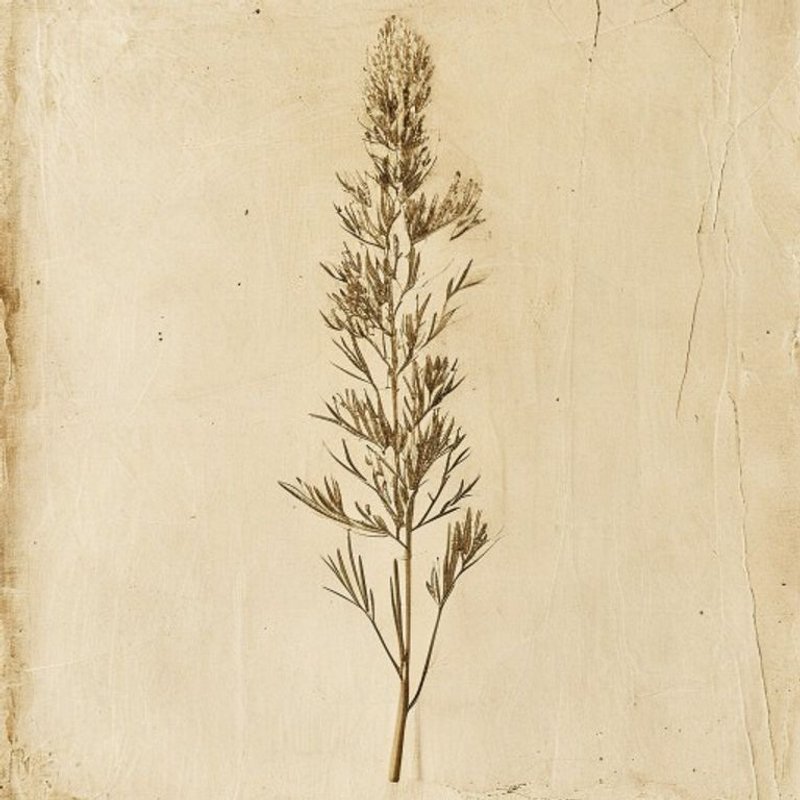
Pl. 04BC — Bromus rigidus
Bromus rigidusBromus rigidusBromus rigidusBromus rigidusBromus rigidusBromus rigidusBromus rigidusBromus rigidusBromus rigidusBromus rigidusBromus rigidusBromus rigidusBromus rigidusBromus rigidus
IOverview
Overview
Ripgut Brome (Bromus rigidus) is an annual grass in the family Poaceae, native to Saudi Arabia and Xinjiang. Beyond that native range it has been introduced across a broad sweep of the Mediterranean, the Middle East, and Central Asia, including Afghanistan, Algeria, Cyprus, Egypt, France, Greece, Iran, Iraq, Italy, Morocco, Portugal, Spain, Tunisia, Turkey, and Turkmenistan, among others. This wide distribution points to a plant suited to open, sunlit settings, and it grows best in full sun. It tolerates both dry and moist conditions as well as light sandy, medium, and heavy clay soils, reaching roughly one meter in height. Although it is not considered notably drought resistant, its tolerance of varied ground and moisture helps account for its spread. Ripgut Brome is edible, with the seed being the part harvested. The seeds are typically dried before use, then ground into flour or kept whole, and they may also be cooked to add flavor and nutrition to meals. It is not regarded as a medicinal plant, and it is grown chiefly as a source of seed rather than for ornamental purposes. Hardy in zones 6 through 9, it completes its life cycle within a single year, so cultivation depends on allowing plants to set seed that can be collected or left to drop. In short, Ripgut Brome is an adaptable annual grass of dry, sun-exposed ground with a modest but historically used edible seed.
Quick answers
What is Ripgut Brome?
Ripgut Brome (Bromus rigidus) is an annual grass in the family Poaceae, native to Saudi Arabia and Xinjiang.
Growingconditions · propagation · uses
VCultivation
Cultivation
Ripgut Brome thrives in full sun and can tolerate both dry and moist conditions. It grows well in light (sandy), medium, and heavy (clay) soil types. The plant is hardy in zones 6-9 and reaches a height of 1 meter. For cultivation, ensure the soil is well-drained to prevent waterlogging, though it can adapt to varying moisture levels. Harvest the edible seed for use.
Light
Full sun
Water
Dry, Moist
Soil
Light (sandy), Medium, Heavy (clay)
Hardiness
6-9
Life cycle
Annual
Mature size
1.0 m tall
For first-time growers
How to grow Ripgut Brome for the first time
8steps
Ripgut Brome is a straightforward annual grass for beginners, focusing on planting and basic care.
- 1
What you'll need
Seeds of Ripgut Brome.
- 2
Best time to plant
Plant in spring when the soil has warmed up.
- 3
Soil and container prep
Choose a location with well-draining, light to heavy soil. Ensure full sun exposure.
- 4
Sowing or transplanting
Direct sow seeds 1 cm deep in rows spaced about 30 cm apart.
- 5
First two weeks
Keep the area moist until germination occurs, then reduce watering to match soil conditions.
- 6
Ongoing care
Water only when the soil is dry. Mow or cut back any dead foliage to maintain appearance.
- 7
Harvest or pruning
Prune or mow Ripgut Brome after flowering to keep it tidy and prevent self-seeding.
- 8
Common mistakes
Overwatering, planting in poorly drained soil, neglecting to prune dead foliage.
VIEdible & utility
Edible & utility
Edible parts:Seed
Edible uses: The seed of Ripgut Brome is edible and can be harvested for consumption. Typically, the seeds are prepared by drying them before being ground into flour or used whole in various dishes. They may also be cooked to add flavor and nutrition to meals.
Contextrange · companions · related
VIIDistribution
33 native · 72 introduced
Distribution
33 native · 72 introducedDistribution across4 continents· 33 native· 72 introduced
Europe15 regions
native (8)CyprusFranceGreeceHungaryItalyPortugalRomaniaSpain
introduced (7)CyprusFranceGreeceItalyPortugalRussiaSpain
Asia16 regions
native (5)ChinaIranPalestineSaudi ArabiaTurkey
introduced (11)AfghanistanChinaGeorgiaIranIraqJapanPalestineSouth KoreaTaiwanTurkeyTurkmenistan
Americas1 region
introduced (1)United States
Africa14 regions
native (7)AlgeriaCabo VerdeEgyptLibyaMoroccoTunisiaWestern Sahara
introduced (7)AlgeriaChadEgyptLibyaMoroccoTunisiaWestern Sahara
Broader regions
native:East Aegean Is., Kriti, Lebanon-Syria, Transcaucasus, Turkey-in-Europe, Yugoslavia
introduced:Argentina Northeast, Argentina South, Arizona, Arkansas, British Columbia, California, Cape Provinces, Chile Central, Chile North, Chile South, Colorado, Czechoslovakia, Delaware, District of Columbia, East Aegean Is., Idaho, Illinois, Juan Fernández Is., Kriti, Lebanon-Syria, Louisiana, Maryland, Masachusettes, Mexico Central, Missouri, Montana, Nevada, New Jersey, New York, North Carolina, Oklahoma, Oregon, Sinai, South Carolina, Tadzhikistan, Texas, Transcaucasus, Turkey-in-Europe, Utah, Virginia, Washington
IXSpecimen gallery
1 image
Specimen gallery
1 imageXSee also
8 related
See also
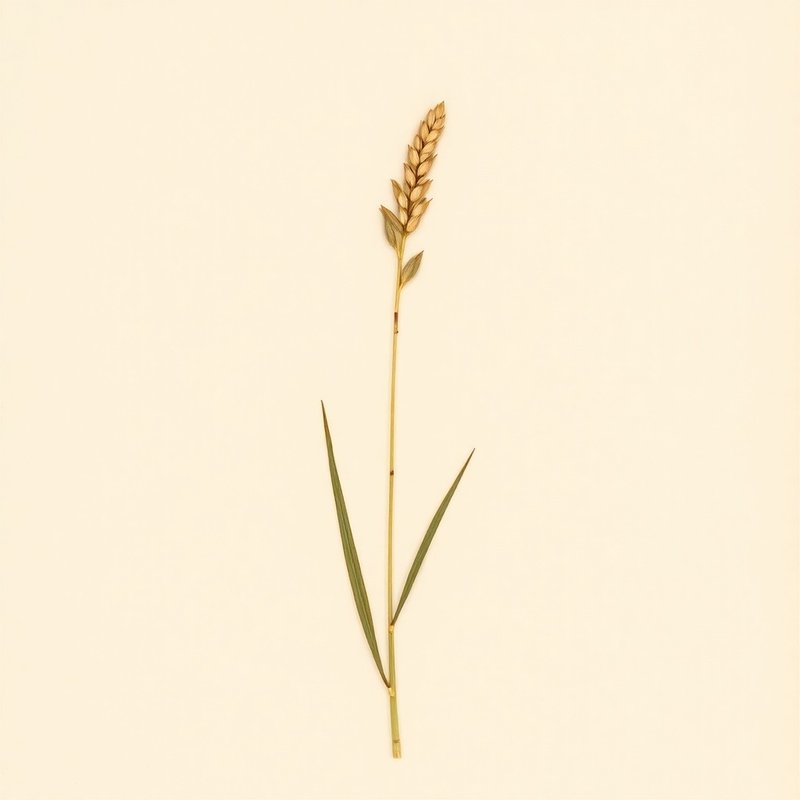
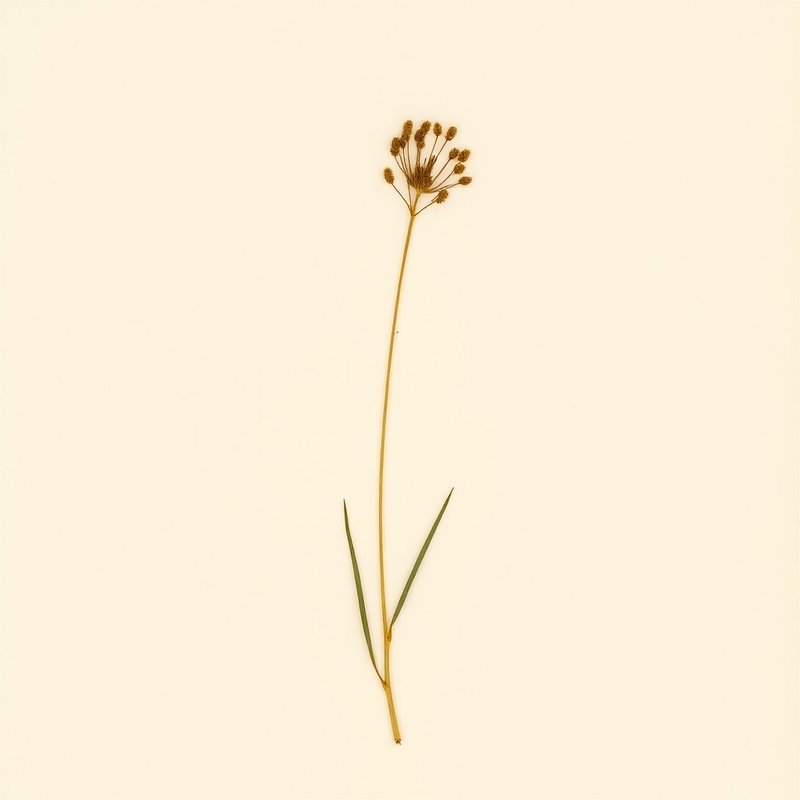
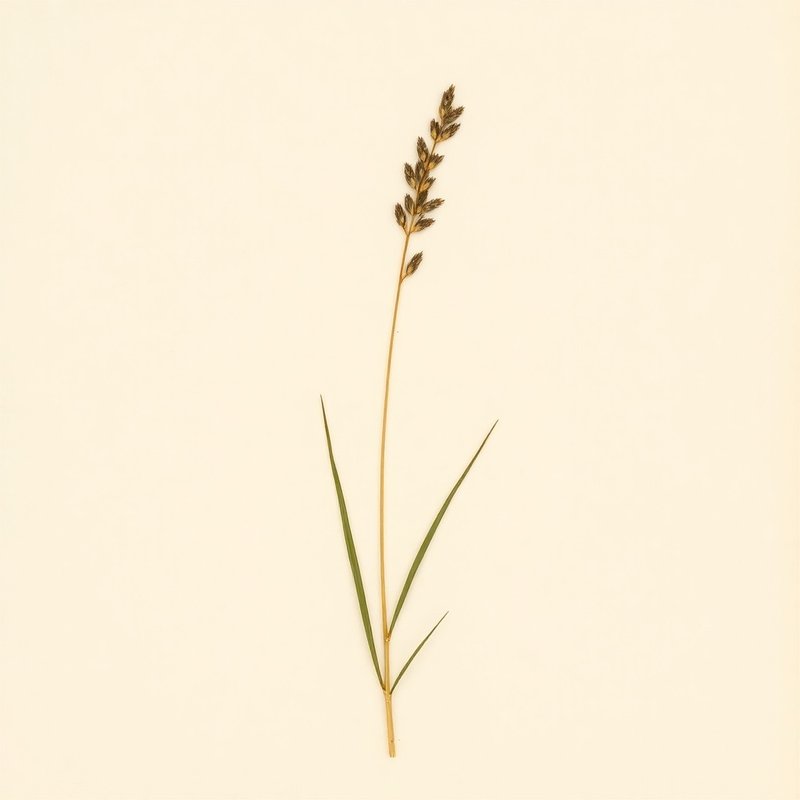
8 relatedPlants you might compare or use together — scored by shared family (Poaceae), common use cases, and growing requirements.
same family · Poaceae
Botanical relatives — often share phytochemistry + growing needs.
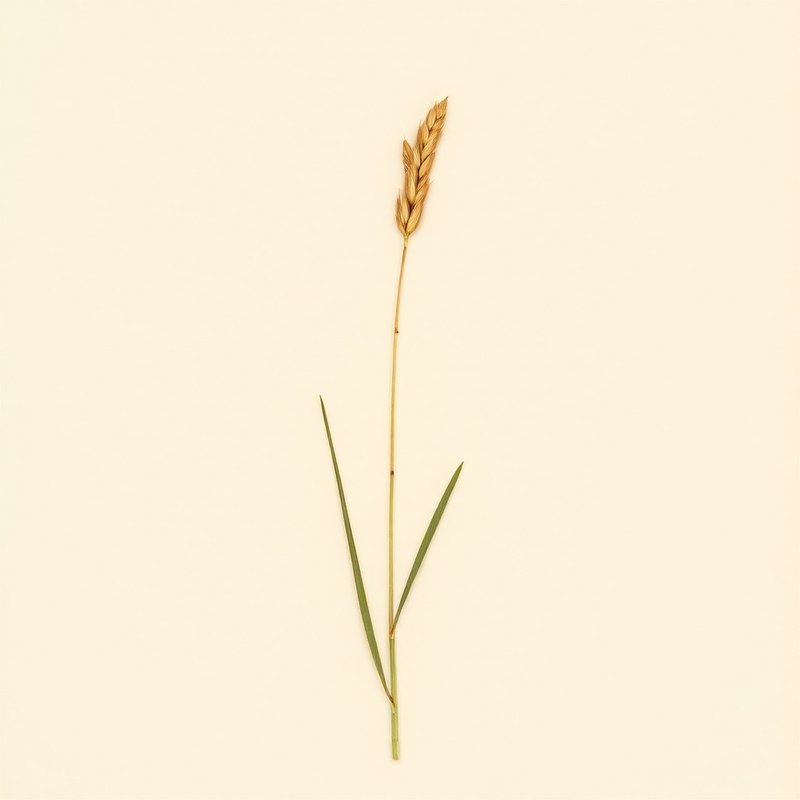
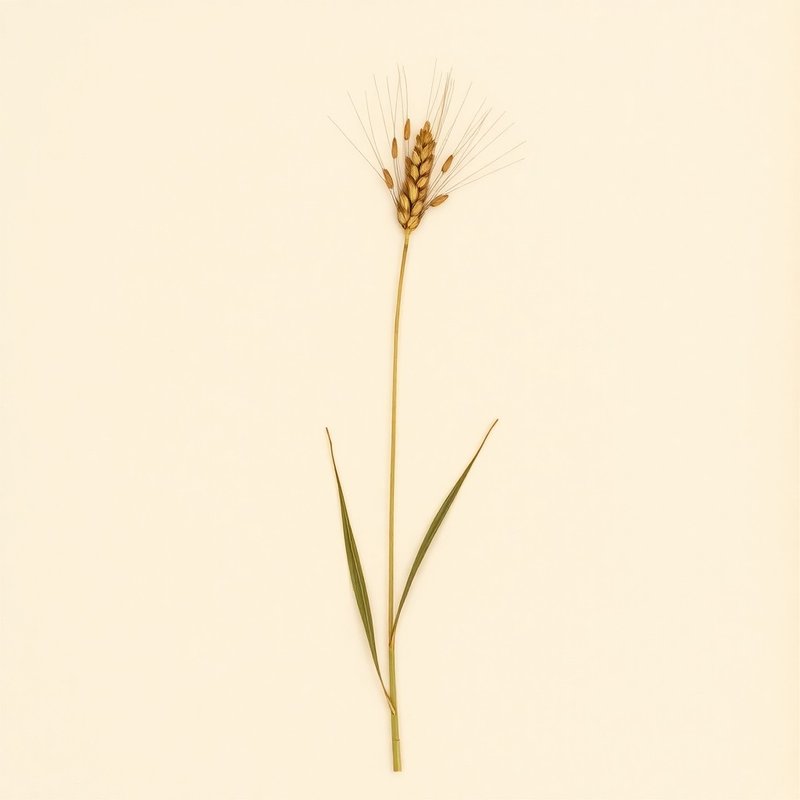
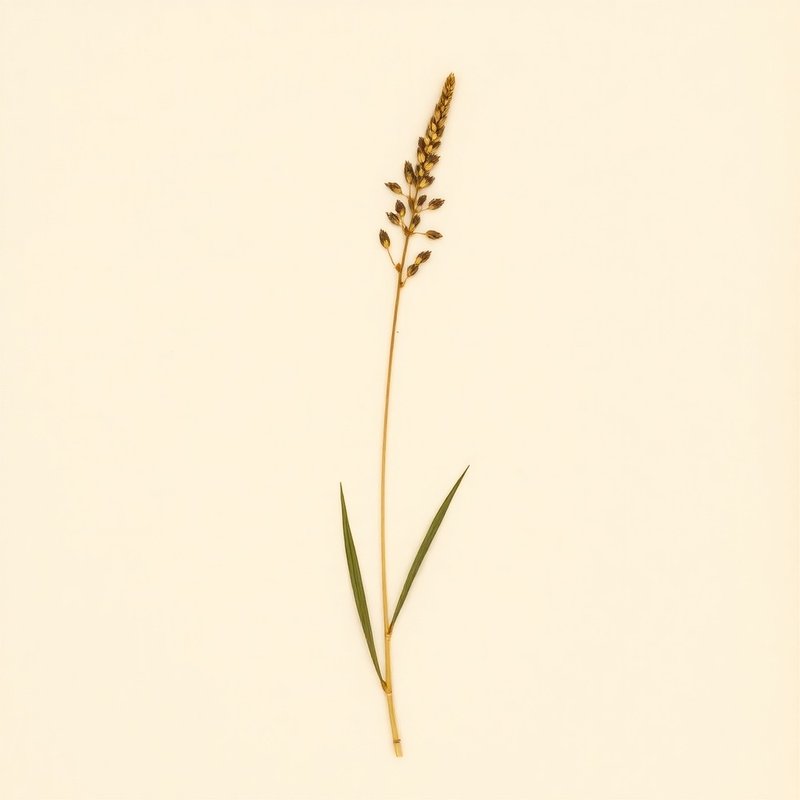

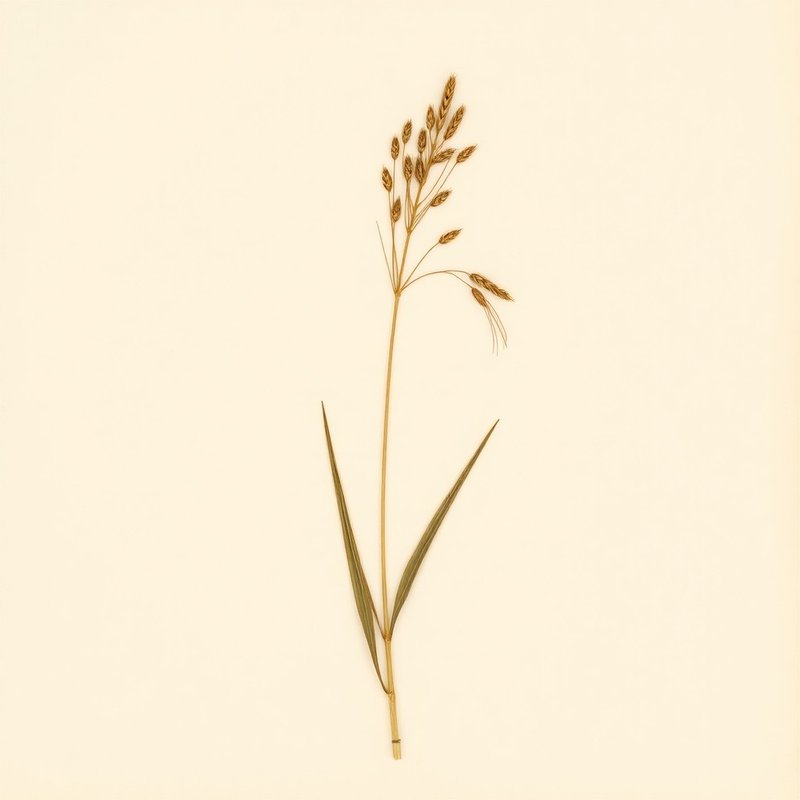
XI
Explore further
Companion planting
Compare with similar plants
Growing zone
XII
About this entry
- Last updated
- Citation
- How to cite this entry · Submit a correction
Back to the cataloguePlant id · 04bc56c9-64e5-4a31-9211-58984b005393
Decision aid
Choosing between Ripgut Brome and something else?
Continue reading
❦❦❦❦
Endpaper · archive updates
Get archive updates
Occasional email when substantial new content lands — plant profiles, seasonal growing notes, folk-remedy additions. Free, no tracking, unsubscribe anytime.
Newsletter returning soon.
We are rebuilding the update list around a lightweight editorial workflow. New dispatches will resume after the next content review cycle.