
Pigeon Pea
Cajanus cajanfam. Fabaceae
Educational content — not medical, botanical, or professional advice. Plant identification, safety, and edibility depend on local conditions, cultivars, and correct identification. Consult a qualified botanist or forager before consuming or handling wild specimens. How we source & review →
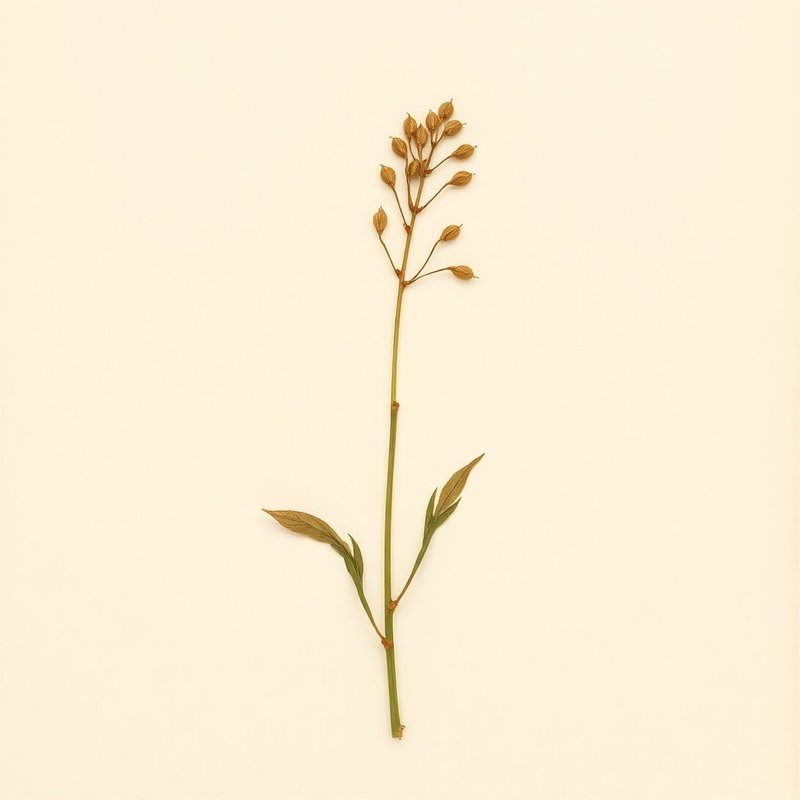
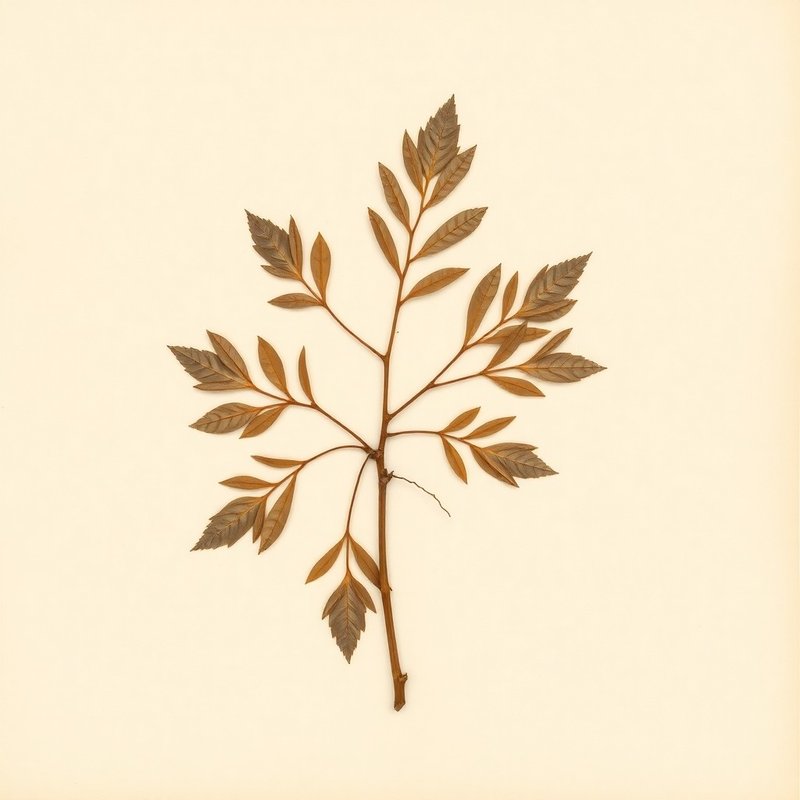
Pl. EED6 — Cajanus cajan
Cajanus cajanCajanus cajanCajanus cajanCajanus cajanCajanus cajanCajanus cajanCajanus cajanCajanus cajanCajanus cajanCajanus cajanCajanus cajanCajanus cajanCajanus cajanCajanus cajan
IOverview
Overview
Pigeon Pea, known botanically as Cajanus cajan, is a leguminous tree native to the Assam region of India and the West Himalayas. This plant thrives in full sun with moist soil that can range from light sandy to heavy clay. It is hardy in zones 9-12 and can grow up to 4 meters tall. Pigeon Pea is valued for its edible parts, including leaves, seeds, seedpods, and shoots, making it a versatile food source. Its distinctive feature lies in its ability to adapt to various soil types while providing sustenance through multiple harvests.
Quick answers
What is Pigeon Pea?
Pigeon Pea, known botanically as Cajanus cajan, is a leguminous tree native to the Assam region of India and the West Himalayas. This plant thrives in full sun with moist soil that can range from light sandy to heavy clay. It is hardy in zones 9-12 and can grow up to 4 meters tall.
Growingconditions · propagation · uses
VCultivation
Cultivation
Pigeon Pea thrives in full sun and prefers moist soil that can be light (sandy), medium, or heavy (clay). It is hardy in zones 9-12 and grows to a height of 4 meters. For propagation, seeds can be sown directly into the garden after the last frost. This versatile plant provides edible parts including leaves, seedpods, and shoots.
Light
Full sun
Water
Moist
Soil
Light (sandy), Medium, Heavy (clay)
Hardiness
9-12
Mature size
4.0 m tall
For first-time growers
How to grow Pigeon Pea for the first time
8steps
Start with Pigeon Pea for a low-maintenance, rewarding experience.
- 1
What you'll need
Seeds or seedlings, a garden spot, and basic gardening tools.
- 2
Best time to plant
Plant in spring after the last frost, when temperatures are consistently above 15°C (60°F).
- 3
Soil and container prep
Choose a location with well-draining soil that is light, medium, or heavy. Ensure full sun exposure.
- 4
Sowing or transplanting
Direct sow seeds 2-3 cm deep in rows spaced about 60 cm apart. Transplant seedlings when they have several true leaves.
- 5
First two weeks
Water regularly to keep the soil moist but not waterlogged. Monitor for pests and diseases.
- 6
Ongoing care
Provide regular watering, especially during dry spells. Fertilize lightly with compost or organic matter once a month.
- 7
Harvest or pruning
Prune regularly to encourage bushy growth and remove any dead or diseased branches. Harvest leaves, shoots, and pods as needed.
- 8
Common mistakes
Overwatering, not providing enough sunlight, neglecting regular pruning, planting in heavy clay soil without amending.
VIEdible & utility
Edible & utility
Edible parts:LeavesSeedSeedpodShoots
Edible uses: The pigeon pea is versatile in its edible uses. The leaves, shoots, and seedpods can be eaten fresh or cooked. Seeds are often dried and then boiled before being used in dishes. SKIP
Other uses:Weaving materialCraftingCompanionDeodorantEssential OilAnimal feedFire starterCover cropHedgerowPlant supportRoofingWind breakerSoil reclamationErosion controltextilesLumberCoppiceNitrogen fixer
Contextrange · companions · related
VIIDistribution
3 native · 27 introduced
Distribution
3 native · 27 introducedDistribution across3 continents· 3 native· 27 introduced
Asia4 regions
native (1)India
introduced (3)BangladeshCambodiaChina
Americas1 region
introduced (1)Dominican Republic
Africa11 regions
introduced (11)AngolaBeninBurkina FasoBurundiCabo VerdeCameroonChadComorosDjiboutiEritreaEthiopia
Broader regions
native:West Himalaya
introduced:Bermuda, Brazil Northeast, Brazil South, Cayman Is., Caroline Is., Central African Repu, Congo, Cook Is., East Himalaya, Florida, Bismarck Archipelago
IXSpecimen gallery
1 image
Specimen gallery
1 imageXSee also
8 related
See also
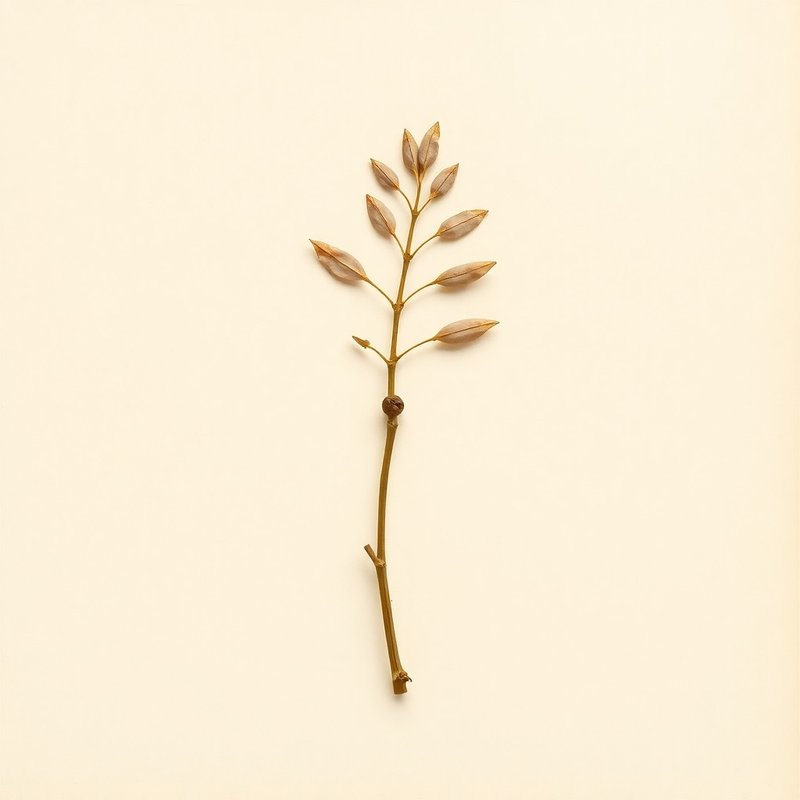
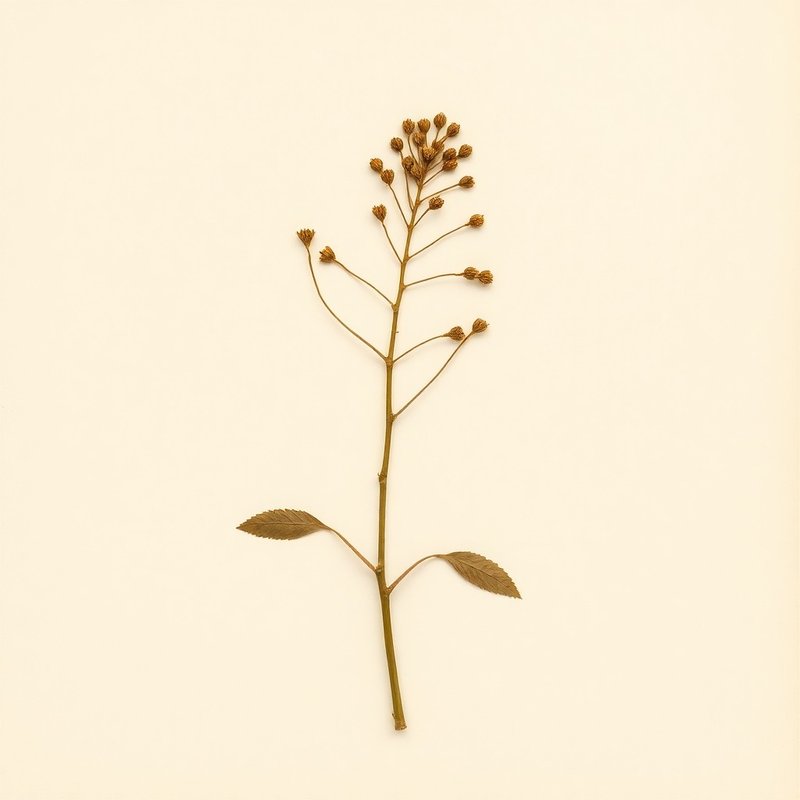
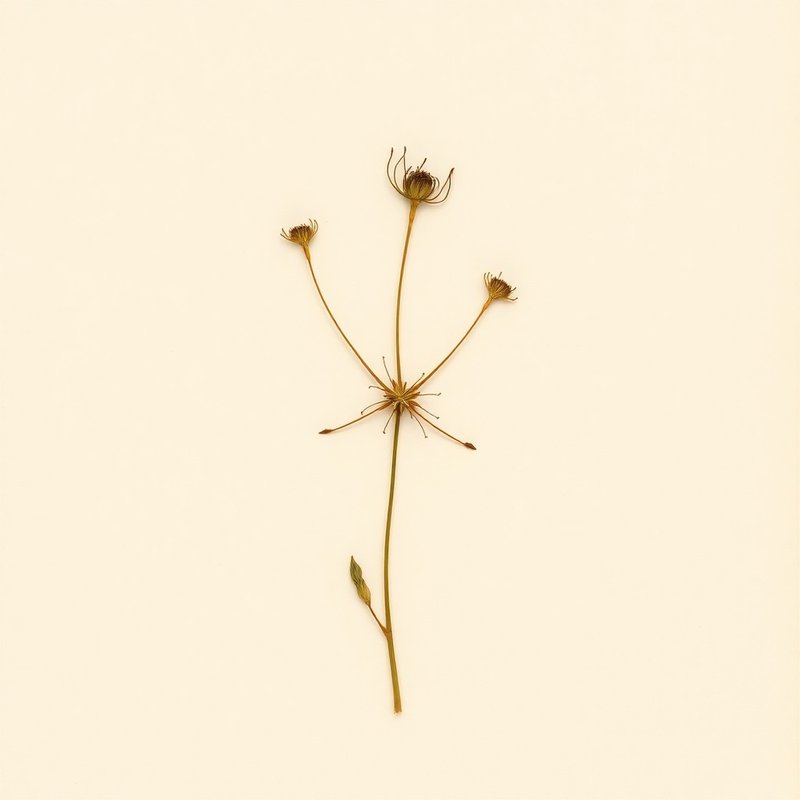
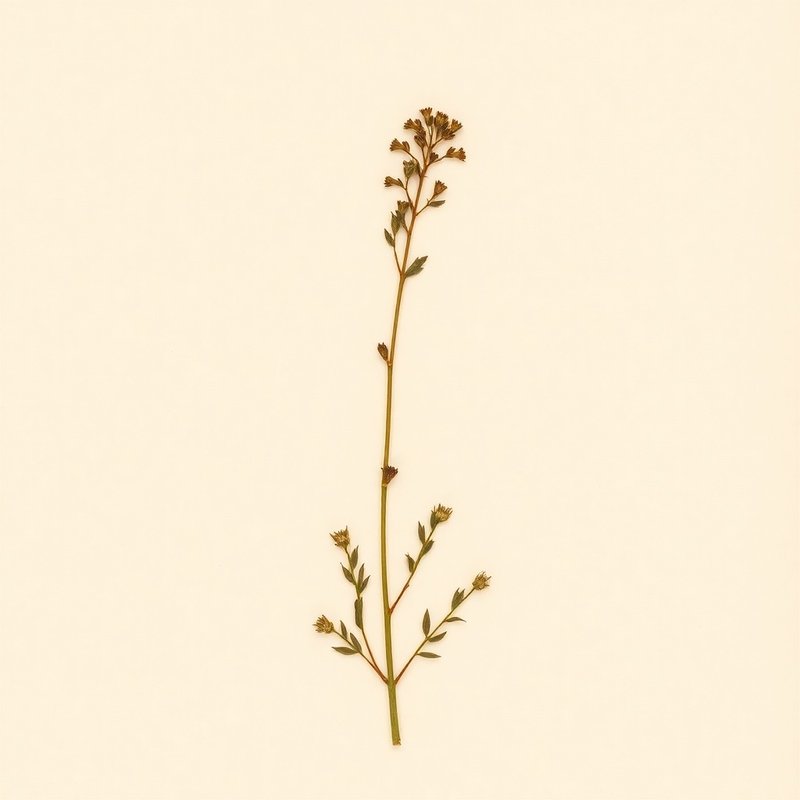
8 relatedPlants you might compare or use together — scored by shared family (Fabaceae), common use cases, and growing requirements.
same family · Fabaceae
Botanical relatives — often share phytochemistry + growing needs.
XI
Explore further
Companion planting
Compare with similar plants
Growing zone
XII
About this entry
- Last updated
- Citation
- How to cite this entry · Submit a correction
Back to the cataloguePlant id · eed6a038-ab39-4987-88c5-03dfcc35b9e5
Decision aid
Choosing between Pigeon Pea and something else?
Continue reading
❦❦❦❦
Endpaper · archive updates
Get archive updates
Occasional email when substantial new content lands — plant profiles, seasonal growing notes, folk-remedy additions. Free, no tracking, unsubscribe anytime.