
Tall Poppy-Mallow
IOverview
Overview
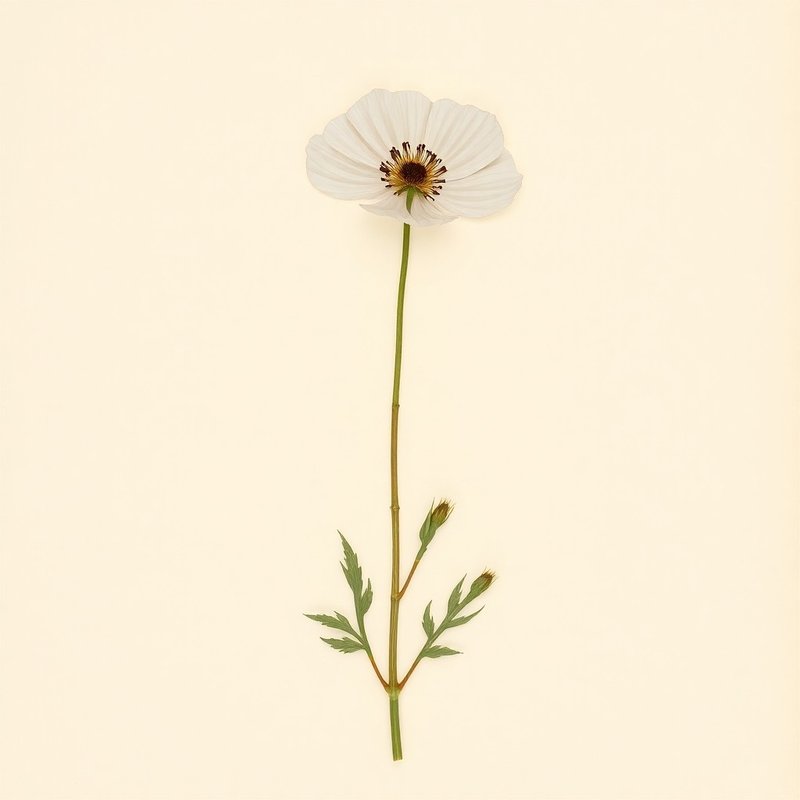
Tall Poppy-Mallow (Callirhoe leiocarpa) is an annual forb/herb belonging to the Fabaceae family, native to Kansas, Oklahoma, and Texas. This plant is well-adapted to a variety of growing conditions, thriving in full sun and tolerating both dry and moist environments, making it suitable for light sandy soils. Known for its edible roots, Tall Poppy-Mallow has been utilized by indigenous communities for centuries. The roots can be prepared in various ways, often used raw or cooked, adding a mild flavor to dishes and providing nutritional benefits. Additionally, the plant has documented medicinal uses, though specific applications are not detailed here. Standing at about 0.9 meters tall, Tall Poppy-Mallow is recognized by its sprawling habit and adaptability to its native range. This distinctive species is a noteworthy addition to gardens or natural habitats within its native regions, offering both culinary and potential medicinal value. Cultivation is straightforward; ensure the soil is light and sandy, and water regularly but avoid overwatering. Propagate via seeds.
What is Tall Poppy-Mallow?
Tall Poppy-Mallow (Callirhoe leiocarpa) is an annual forb/herb belonging to the Fabaceae family, native to Kansas, Oklahoma, and Texas. This plant is well-adapted to a variety of growing conditions, thriving in full sun and tolerating both dry and moist environments, making it suitable for light sandy soils.
IV·bMixology suggestions
1 draft
Mixology suggestions
1 draftVCultivation
Cultivation
How to grow Tall Poppy-Mallow for the first time
Start with Tall Poppy-Mallow as an easy-to-grow annual for beginners.
- 1
What you'll need
Seeds, a small trowel, and a watering can.
- 2
Best time to plant
Plant in spring after the last frost, when soil is warm.
- 3
Soil and container prep
Choose a light, sandy soil. Ensure good drainage for best results.
- 4
Sowing or transplanting
Direct sow seeds 0.5 cm deep in rows 30-45 cm apart. Thin seedlings to 15-20 cm apart.
- 5
First two weeks
Water regularly, keeping the soil moist but not waterlogged. Mulch lightly if needed.
- 6
Ongoing care
Provide full sun and minimal watering once established. Deadhead to encourage more blooms.
- 7
Harvest or pruning
Prune back any dead foliage in late winter before new growth starts.
- 8
Common mistakes
Overwatering, planting too deep, neglecting to mulch, and not providing enough sunlight.
VIEdible & utility
Edible & utility
VIIDistribution
3 native · 0 introduced
Distribution
3 native · 0 introducedIXSpecimen gallery
1 image
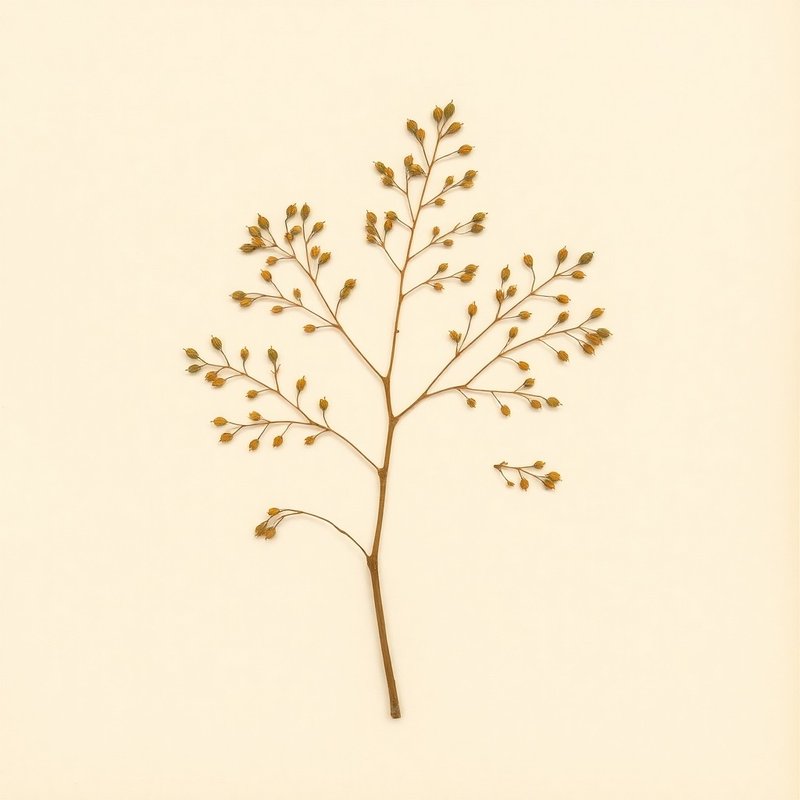
Specimen gallery
1 imageXSee also
8 related
See also
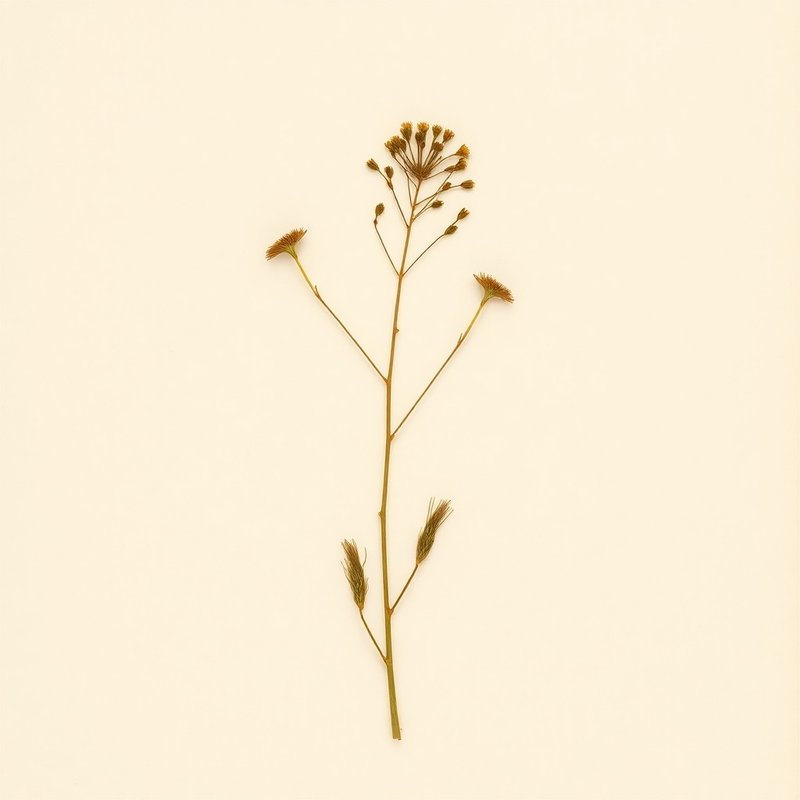
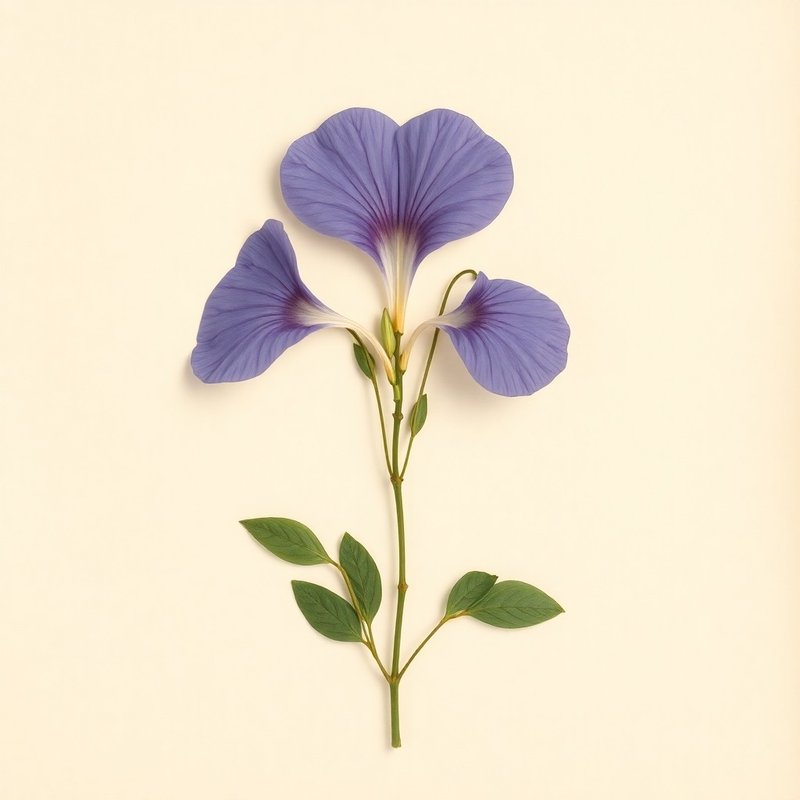
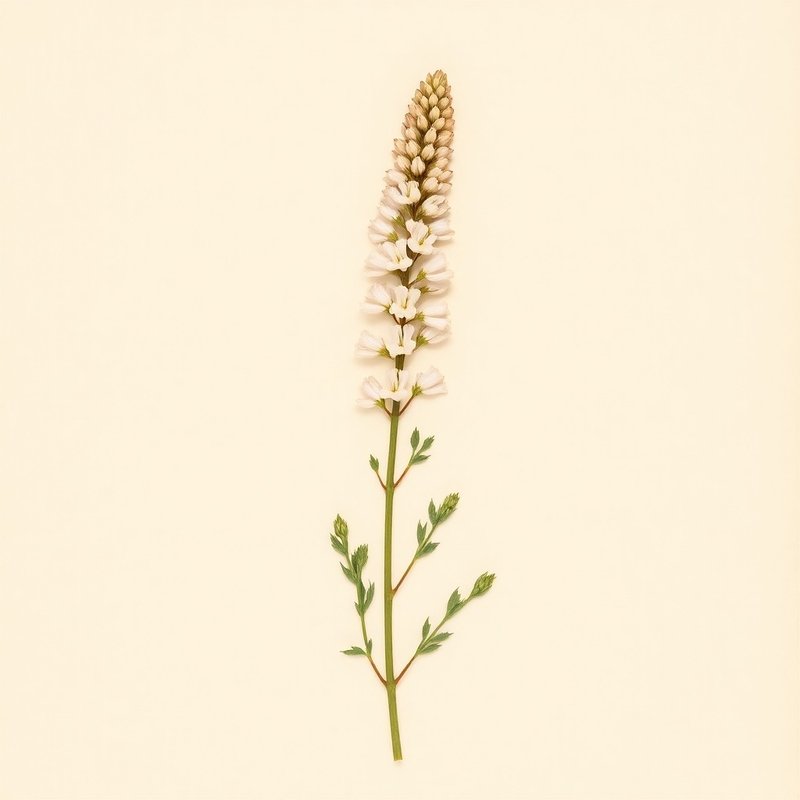
8 relatedPlants you might compare or use together — scored by shared family (Fabaceae), common use cases, and growing requirements.




Explore further
About this entry
- Last updated
- Citation
- How to cite this entry · Submit a correction
Continue reading
Get archive updates
Occasional email when substantial new content lands — plant profiles, seasonal growing notes, folk-remedy additions. Free, no tracking, unsubscribe anytime.