
Mount Diablo Globelily
IOverview
Overview
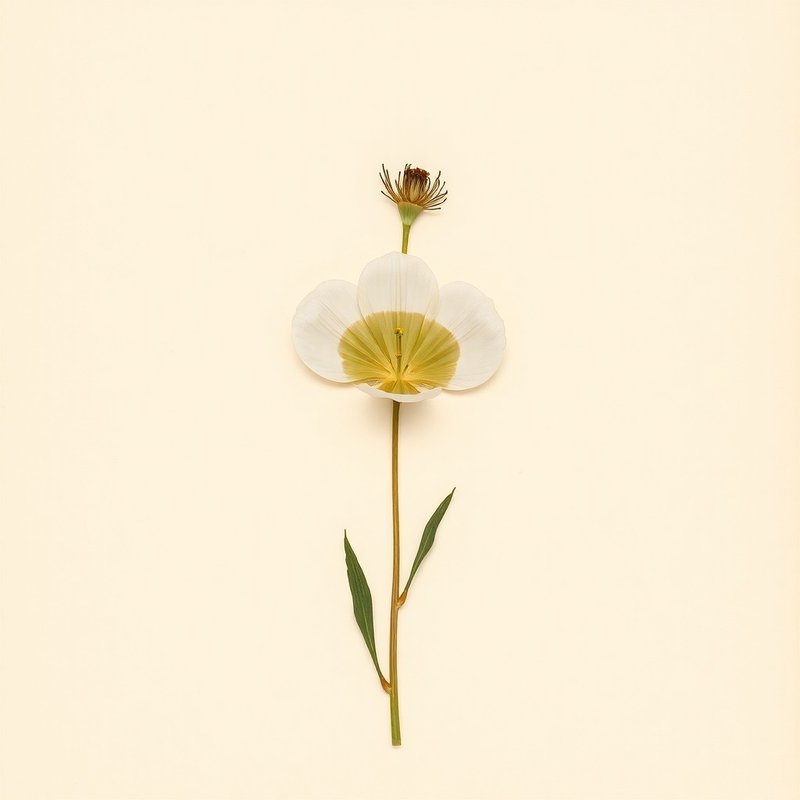
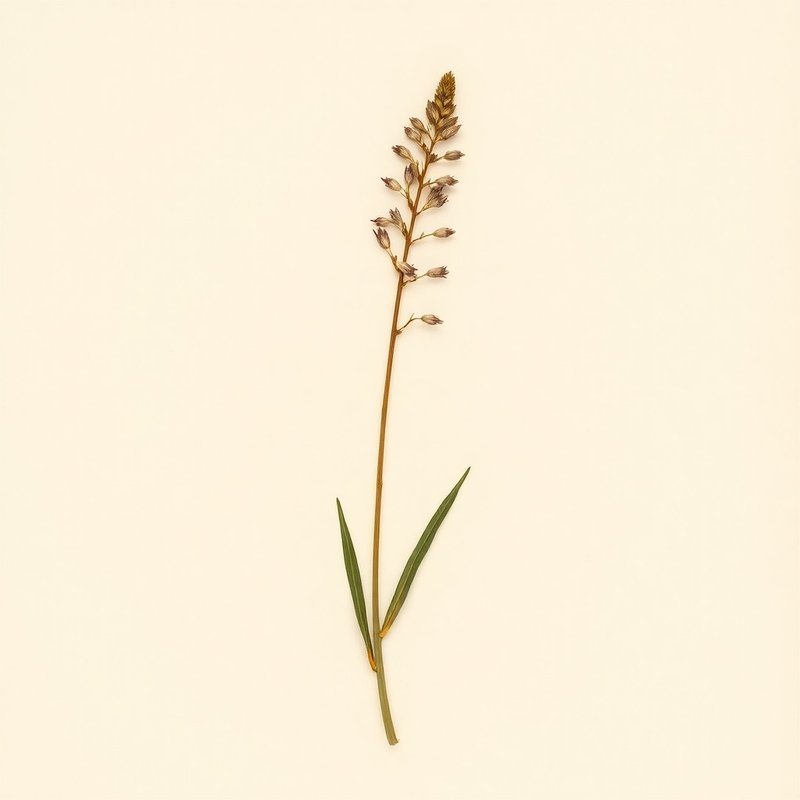
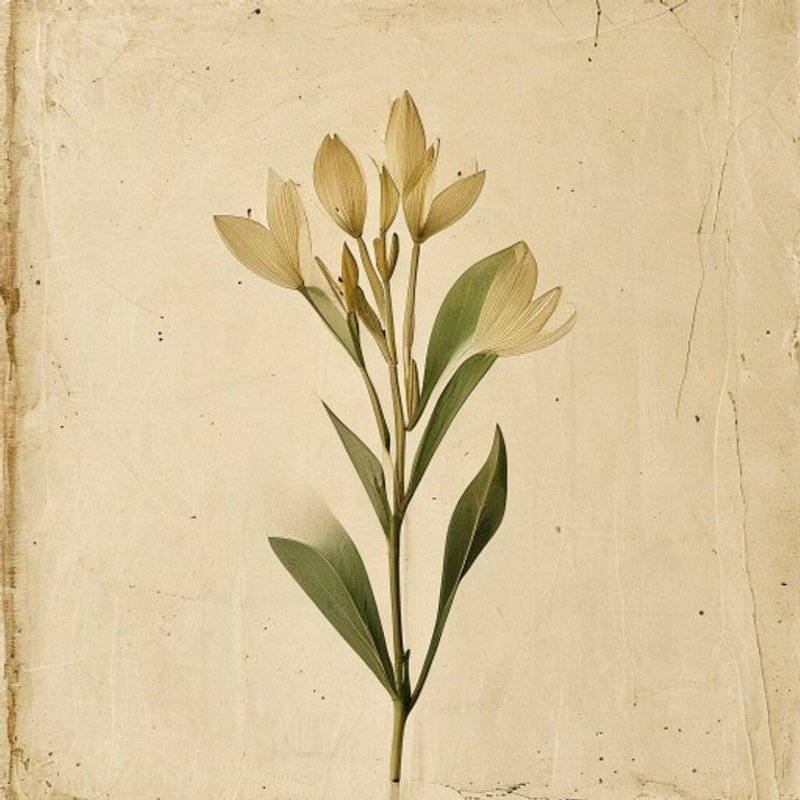
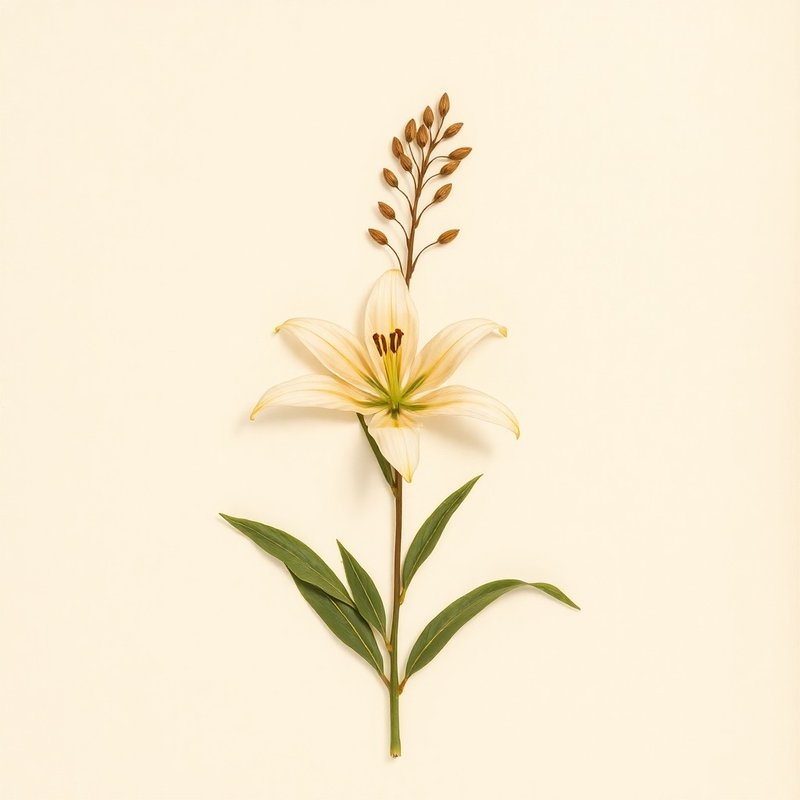
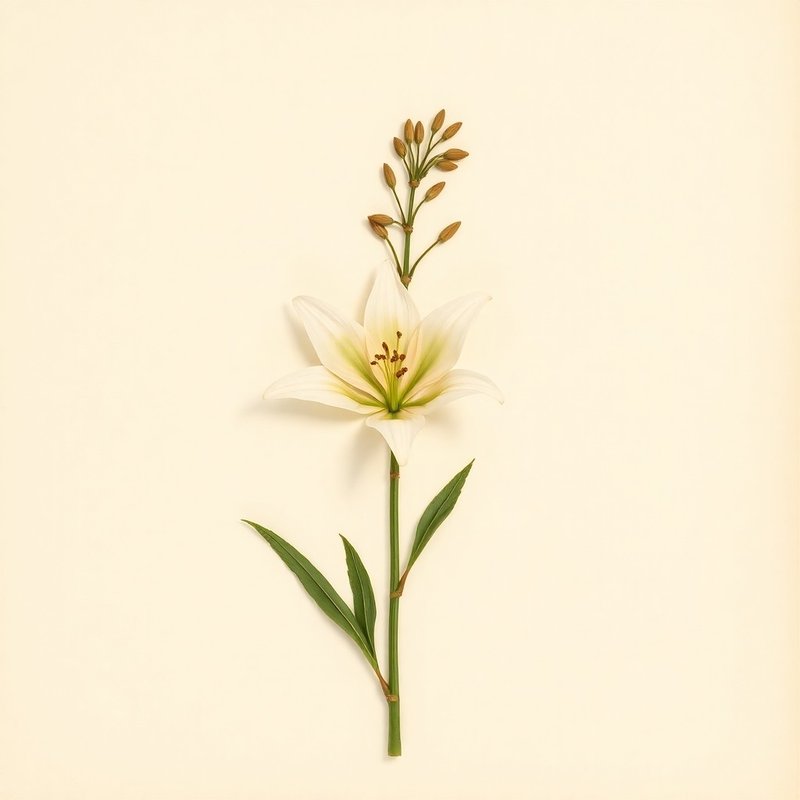
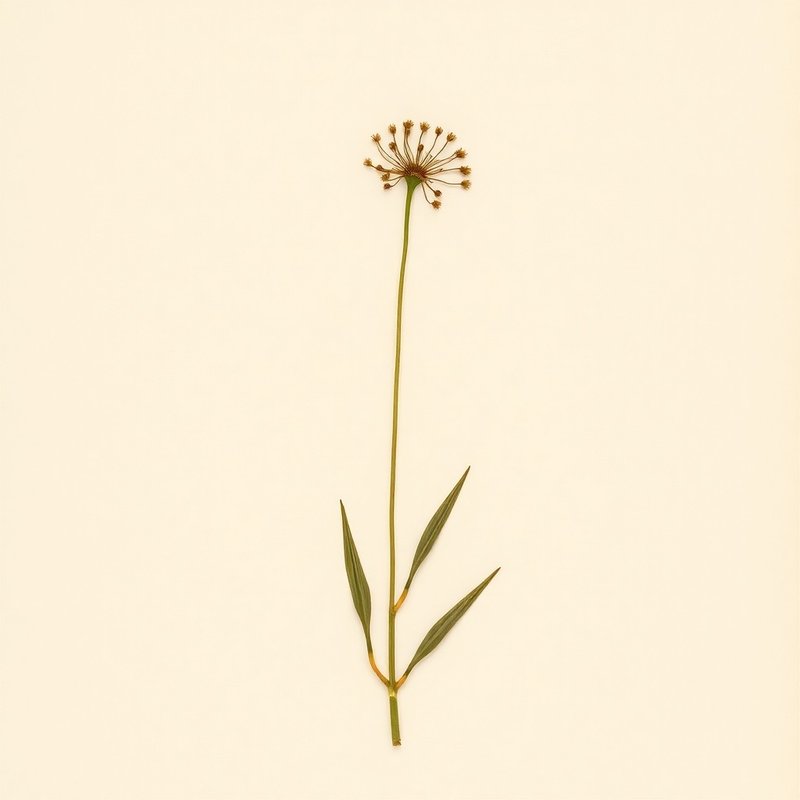
Mount Diablo Globelily (Calochortus pulchellus) is a native California plant belonging to the Lily family (Liliaceae). This herbaceous perennial thrives in habitats with full to partial sun and can tolerate both dry and moist conditions, making it adaptable to various growing environments. It prefers light or sandy soil and grows to about 0.3 meters tall, with a distinctive globe-shaped flower that gives it its common name. The plant is native to California and can be found in its natural habitat within the state. Mount Diablo Globelily is not only ornamental but also edible. Its root can be prepared in various ways, often eaten raw or cooked to add a unique flavor to dishes. However, detailed preparation methods are not provided. The plant grows best in hardiness zones 3-7, making it suitable for gardeners in these regions. It is drought-tolerant once established but requires consistent moisture during the initial growth period. Ensure the soil remains well-draining to prevent root rot. While the plant is not medicinal, it is a valuable addition to landscapes and gardens, offering both aesthetic and culinary benefits.
What is Mount Diablo Globelily?
Mount Diablo Globelily (Calochortus pulchellus) is a native California plant belonging to the Lily family (Liliaceae). This herbaceous perennial thrives in habitats with full to partial sun and can tolerate both dry and moist conditions, making it adaptable to various growing environments.
VCultivation
Cultivation
How to grow Mount Diablo Globelily for the first time
Start with Mount Diablo Globelily by ensuring you have the right conditions and care, making it a manageable project for beginners.
- 1
What you'll need
A small shovel or trowel, a container or garden bed, and some compost.
- 2
Best time to plant
Plant in early spring before new growth starts or in fall after the heat has subsided.
- 3
Soil and container prep
Use well-draining soil with a mix of light (sandy) and medium textures. Ensure containers have drainage holes.
- 4
Sowing or transplanting
Plant bulbs 2-3 times their depth, spacing them about 10 cm apart in the garden or container.
- 5
First two weeks
Water sparingly to avoid rot. Keep soil moist but not waterlogged during this period.
- 6
Ongoing care
Provide full sun to partial shade and keep soil moderately dry, watering only when necessary.
- 7
Harvest or pruning
After flowering, remove spent blooms to encourage more flowers next year. No need for root harvest as it is not commonly done.
- 8
Common mistakes
Overwatering, planting in heavy soil, and neglecting to provide enough sunlight are common pitfalls.
VIEdible & utility
Edible & utility
VIIDistribution
1 native · 0 introduced
Distribution
1 native · 0 introducedIXSpecimen gallery
1 image
Specimen gallery
1 imageXSee also
8 related
See also
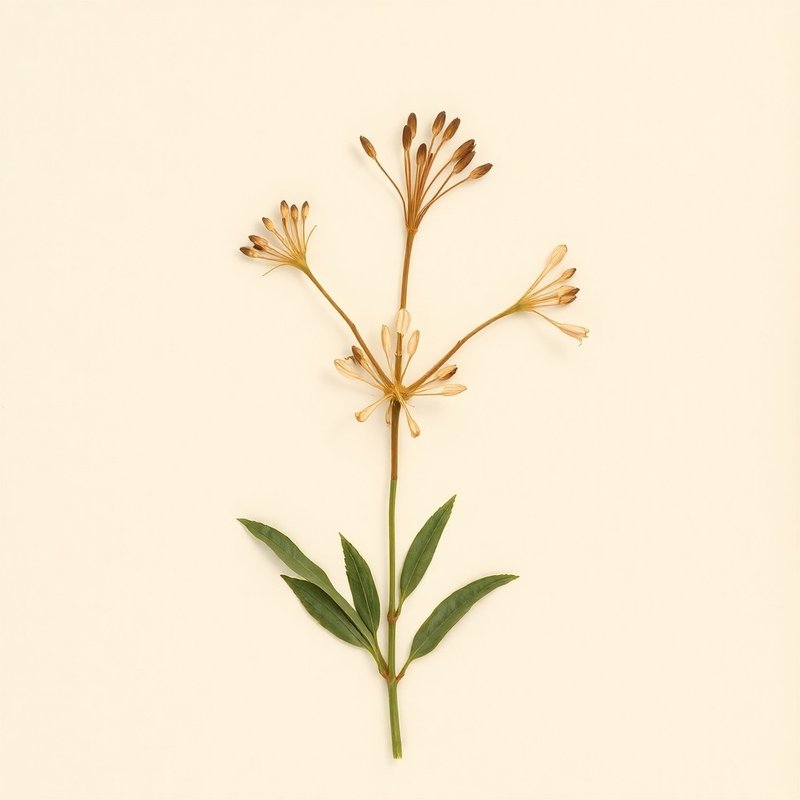
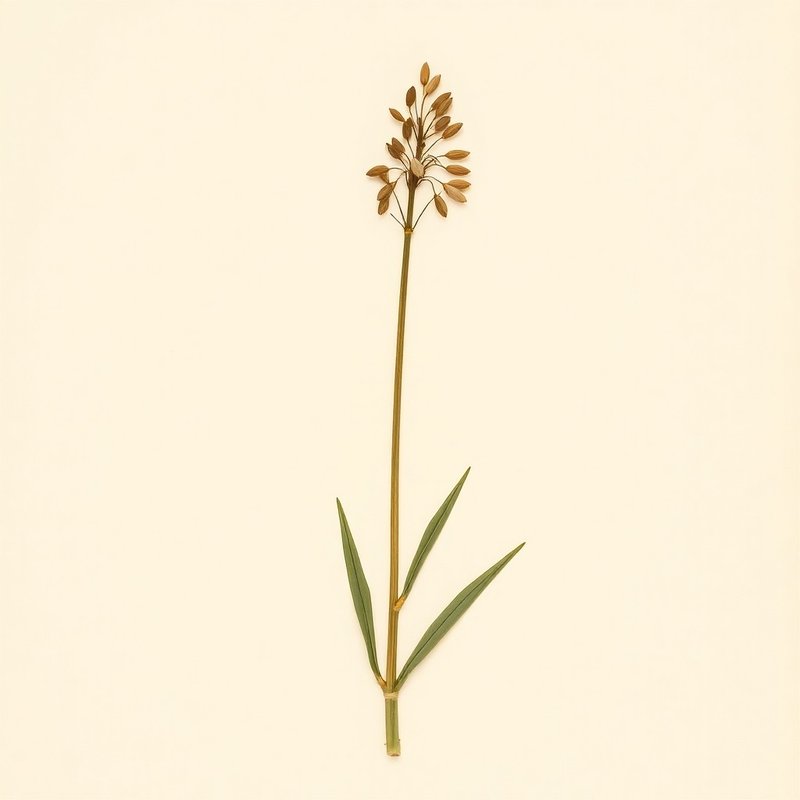
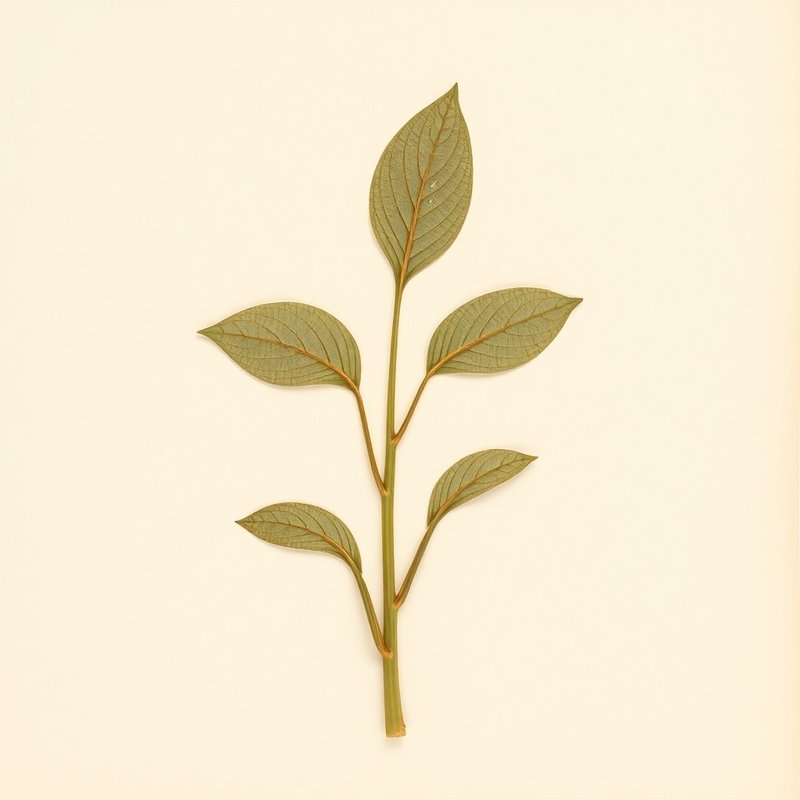
8 relatedPlants you might compare or use together — scored by shared family (Liliaceae), common use cases, and growing requirements.
Explore further
About this entry
- Last updated
- Citation
- How to cite this entry · Submit a correction
Continue reading
Get archive updates
Occasional email when substantial new content lands — plant profiles, seasonal growing notes, folk-remedy additions. Free, no tracking, unsubscribe anytime.