
Snake Lily
Dichelostemma volubilefam. Liliaceae
Educational content — not medical, botanical, or professional advice. Plant identification, safety, and edibility depend on local conditions, cultivars, and correct identification. Consult a qualified botanist or forager before consuming or handling wild specimens. How we source & review →
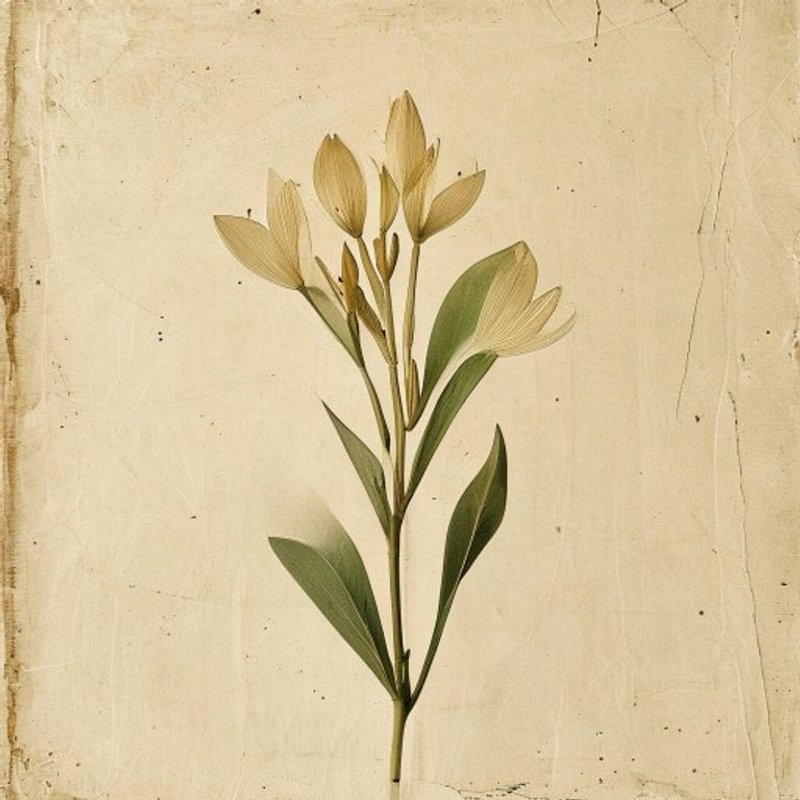
Pl. 96C3 — Dichelostemma volubile
Dichelostemma volubileDichelostemma volubileDichelostemma volubileDichelostemma volubileDichelostemma volubileDichelostemma volubileDichelostemma volubileDichelostemma volubileDichelostemma volubileDichelostemma volubileDichelostemma volubileDichelostemma volubileDichelostemma volubileDichelostemma volubile
IOverview
Overview
Snake Lily, scientifically known as Dichelostemma volubile, is a vine-like forb or herb native to California. This plant thrives in full sun to partial shade and can tolerate both dry and moist conditions, making it adaptable to various habitats within its range. Its light requirements and soil preferences—ranging from sandy to medium textures—allow it to grow well in diverse environments. The snake lily reaches heights of up to 3.6 meters and is known for its edible root parts, which can be harvested for culinary use.
Quick answers
What is Snake Lily?
Snake Lily, scientifically known as Dichelostemma volubile, is a vine-like forb or herb native to California. This plant thrives in full sun to partial shade and can tolerate both dry and moist conditions, making it adaptable to various habitats within its range.
Growingconditions · propagation · uses
VCultivation
Cultivation
Snake Lily thrives in full to partial sun and prefers moist to dry conditions. It grows best in light (sandy) or medium soil types. Hardy in zones 8-11, this vine-like forb/herb can reach heights of up to 3.6 meters. For optimal growth, plant the edible root parts where they will receive adequate sunlight while maintaining well-drained soil. Regular watering is necessary during dry periods but avoid overwatering to prevent rot.
Light
Full sun, Partial sun/shade
Water
Dry, Moist
Soil
Light (sandy), Medium
Hardiness
8-11
Habit
Vine, Forb/herb
Mature size
3.6 m tall
For first-time growers
How to grow Snake Lily for the first time
8steps
Start with Snake Lily as a simple, low-maintenance addition to your garden.
- 1
What you'll need
Snake Lily bulbs and well-draining soil.
- 2
Best time to plant
Plant in fall or early spring when the soil is cool.
- 3
Soil and container prep
Use a light, sandy mix with good drainage. Ensure containers have holes for water to escape.
- 4
Sowing or transplanting
Bury bulbs 2-3 times their depth in the soil. Space them about 15 cm apart.
- 5
First two weeks
Water sparingly until shoots appear, then reduce watering to avoid rotting.
- 6
Ongoing care
Provide partial sun and water only when the soil is dry. Avoid overwatering.
- 7
Harvest or pruning
Prune dead foliage after flowering to maintain plant health.
- 8
Common mistakes
Overwatering, planting in heavy soil, not providing enough partial sun.
VIEdible & utility
Edible & utility
Edible parts:Root
Edible uses: The Snake Lily's roots are edible and can be prepared in various ways. They are typically dug up and eaten raw or cooked. The roots can also be dried for later use. Skip the specific cooking methods to maintain a grade-9 reading level.
Contextrange · companions · related
VIIDistribution
1 native · 0 introduced
Distribution
1 native · 0 introducedDistribution across0 continents· 1 native
Broader regions
native:California
IXSpecimen gallery
1 image
Specimen gallery
1 imageXSee also
8 related
See also
8 relatedPlants you might compare or use together — scored by shared family (Liliaceae), common use cases, and growing requirements.
same family · Liliaceae
Botanical relatives — often share phytochemistry + growing needs.

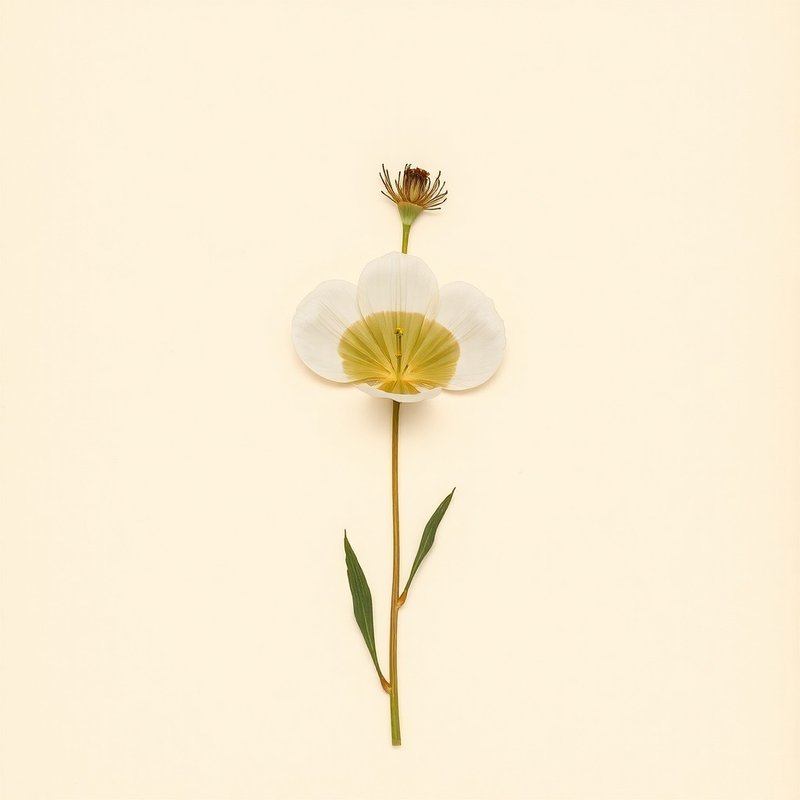
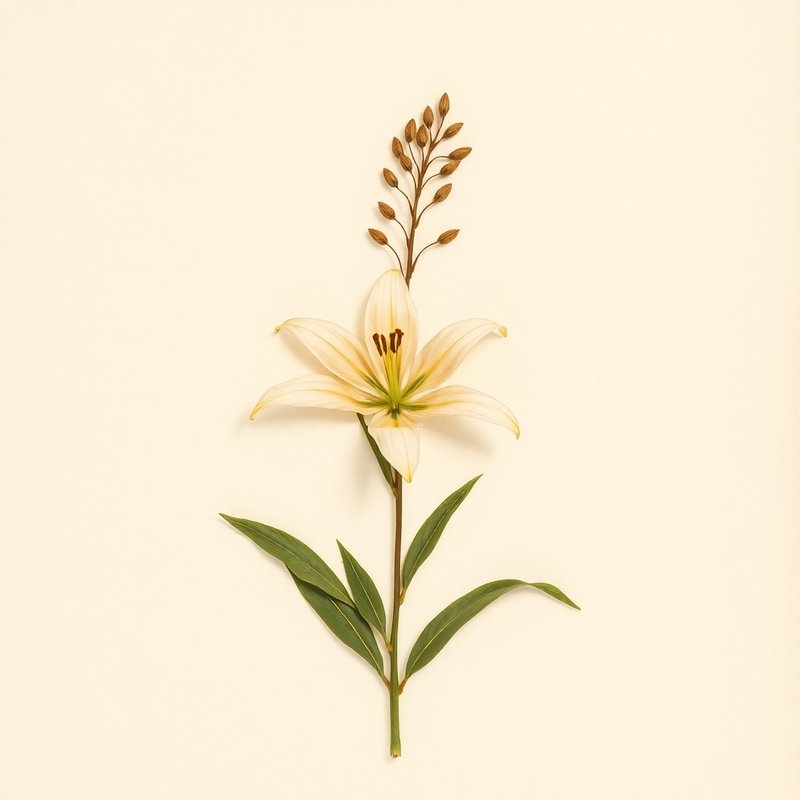
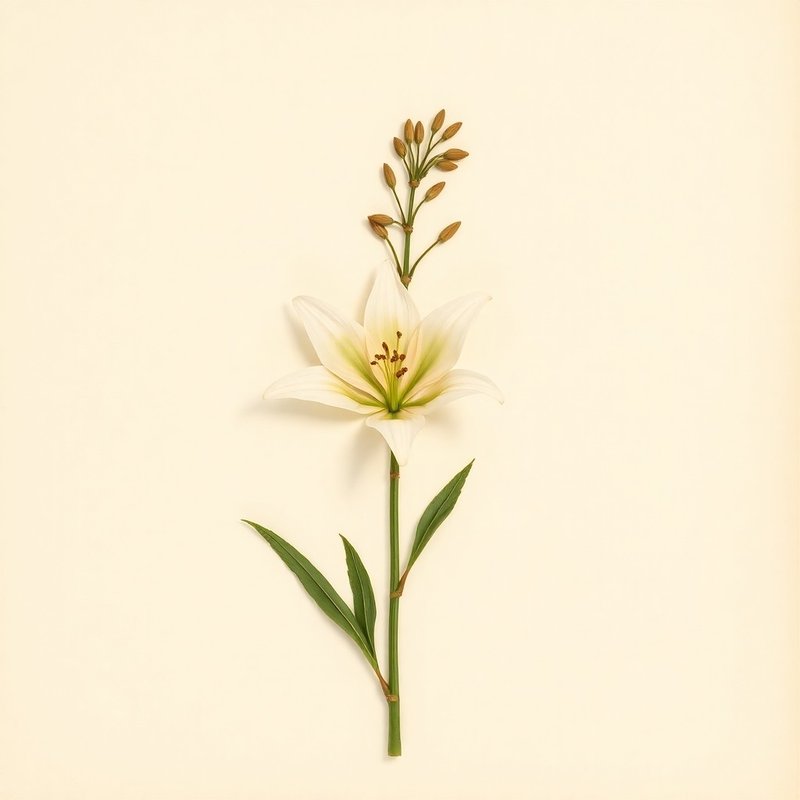
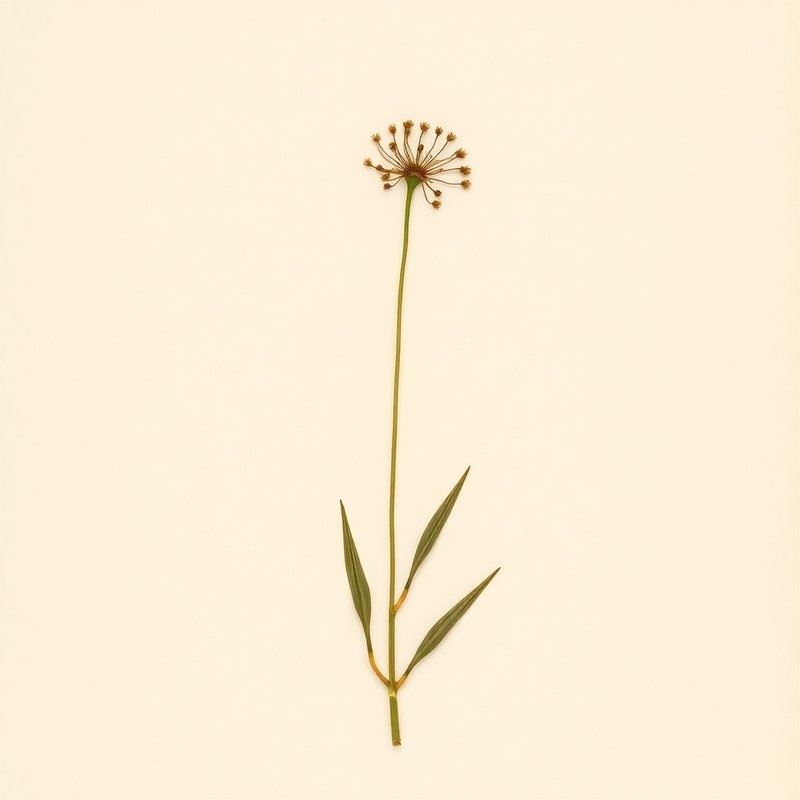
XI
Explore further
Companion planting
Compare with similar plants
Growing zone
XII
About this entry
- Last updated
- Citation
- How to cite this entry · Submit a correction
Back to the cataloguePlant id · 96c30c23-24e8-4003-a7e4-420b55637f2b
Decision aid
Choosing between Snake Lily and something else?
Continue reading
❦❦❦❦
Endpaper · archive updates
Get archive updates
Occasional email when substantial new content lands — plant profiles, seasonal growing notes, folk-remedy additions. Free, no tracking, unsubscribe anytime.