
To-tsubaki
Camellia reticulata
Educational content — not medical, botanical, or professional advice. Always consult a qualified clinician before using any herbal preparation — especially during pregnancy, breastfeeding, while on medication, or for children. How we source & review →
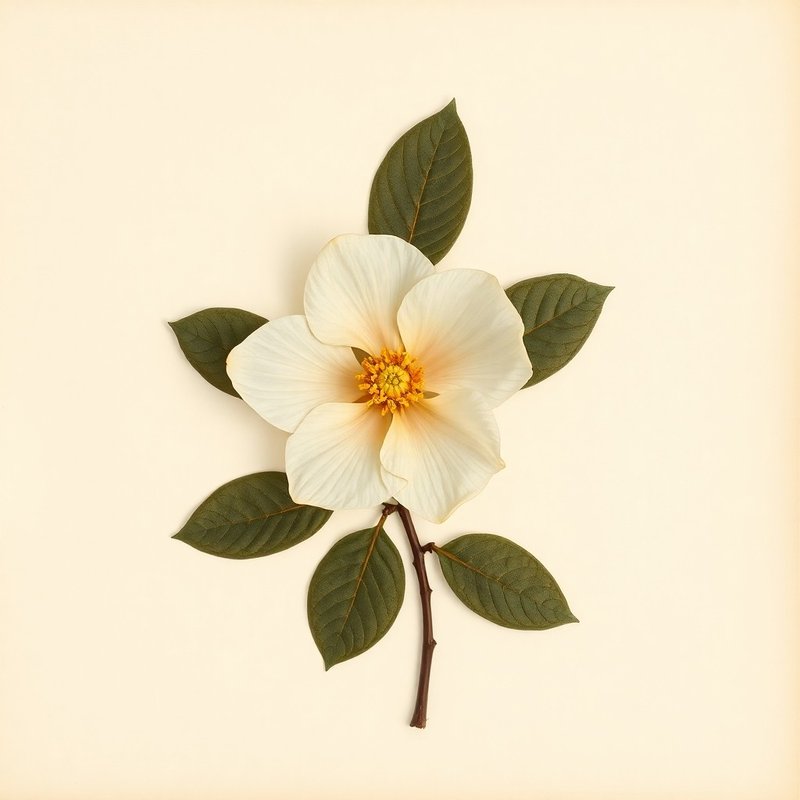
Pl. CAA6 — Camellia reticulata
Camellia reticulataCamellia reticulataCamellia reticulataCamellia reticulataCamellia reticulataCamellia reticulataCamellia reticulataCamellia reticulataCamellia reticulataCamellia reticulataCamellia reticulataCamellia reticulataCamellia reticulataCamellia reticulata
IOverview
Overview
To-tsubaki, scientifically known as Camellia reticulata, is a deciduous shrub or small tree native to the South-Central regions of China. This plant thrives in moist, well-drained soils and prefers partial sun to full sun exposure. It can grow up to 10 meters tall and is hardy in zones 7-10. Not only is To-tsubaki known for its ornamental value with its large, showy flowers, but it also has edible properties, making it a versatile addition to landscapes and gardens. Its distinctive feature includes the intricate reticulate venation visible on the leaves, which gives the plant its scientific name.
Quick answers
What is To-tsubaki?
To-tsubaki, scientifically known as Camellia reticulata, is a deciduous shrub or small tree native to the South-Central regions of China. This plant thrives in moist, well-drained soils and prefers partial sun to full sun exposure. It can grow up to 10 meters tall and is hardy in zones 7-10.
What is To-tsubaki used for?
Traditionally used for topical & skin, immune support. Each claim is evidence-rated — see Section II for full citations.
Best for
Top 2 evidence-ranked uses of To-tsubaki
Clinicaluses · safety · chemistry · dosagemedicinal profile
IIBenefits & evidence
2 claims · 0 sources
Benefits & evidence
2 claims · 0 sources- Camellia species, including To-tsubaki, have been traditionally used in Chinese medicine for skin health. A topical application may help soothe and protect the skin due to its anti-inflammatory properties.
Contains catechins which exhibit anti-inflammatory effects by inhibiting pro-inflammatory cytokines such as TNF-α and IL-6.
- Camellia species are traditionally used in Chinese medicine to support immune function. Drinking a tea made from Camellia leaves may help boost the body's defenses.
Polyphenols like epigallocatechin gallate (EGCG) have been shown to modulate immune responses by enhancing natural killer cell activity and increasing interferon production.
IV·bMixology suggestions
1 draft
Mixology suggestions
1 draftEditorial drafts. These pairings are AI-suggested from traditional herbal lore. Always verify with a qualified herbalist before brewing.
To-tsubaki support blend
generaltea
AI returned a direct ingredient list; normalized into one draft blend for editorial review.
Growingconditions · propagation · uses
VCultivation
Cultivation
To-tsubaki thrives in full to partial sun and prefers moist, light to medium soil. It is hardy in zones 7-10 and can grow up to 10 meters tall. Ensure the plant receives adequate water and consider its size when planting. SKIP
Light
Full sun, Partial sun/shade
Water
Moist
Soil
Light (sandy), Medium
Hardiness
7-10
Mature size
10.0 m tall
For first-time growers
How to grow To-tsubaki for the first time
7steps
To-tsubaki is a rewarding plant for beginners, but requires careful attention to its specific needs.
- 1
What you'll need
A To-tsubaki sapling or seedling, well-draining potting mix, and a container with drainage holes.
- 2
Best time to plant
Plant in spring when the threat of frost has passed, ensuring mild temperatures.
- 3
Soil and container prep
Use a soil mix that is light (sandy) or medium, ensuring it remains moist but not waterlogged.
- 4
Sowing or transplanting
Transplant the To-tsubaki from its nursery pot to a larger container if needed, gently loosening roots first.
- 5
First two weeks
Water regularly to keep soil consistently moist but not soggy. Place in partial shade to avoid direct sunlight.
- 6
Ongoing care
Provide full sun or partial shade depending on the variety, water when the top inch of soil feels dry, and fertilize lightly in spring.
- 7
Harvest or pruning
Prune after flowering to maintain shape and remove dead branches. Flowers can be harvested for decorative purposes.
VIEdible & utility
Edible & utility
Edible uses: Oil
Other uses:oil
Contextrange · companions · related
VIIDistribution
1 native · 0 introduced
Distribution
1 native · 0 introducedDistribution across1 continent· 1 native
Asia1 region
native (1)China
IXSpecimen gallery
1 image
Specimen gallery
1 imageXSee also
8 related
See also
8 relatedPlants you might compare or use together — scored by shared family, common use cases, and growing requirements.
shared use cases
Different families, similar therapeutic role — good for comparing.

XI
Explore further
Companion planting
Health goals
Compare with similar plants
Growing zone
XII
About this entry
- Last updated
- Citation
- How to cite this entry · Submit a correction
Back to the cataloguePlant id · caa6d2e9-1584-4775-a379-9956d21ae781
Decision aid
Choosing between To-tsubaki and something else?
Continue reading
❦❦❦❦
Endpaper · archive updates
Get archive updates
Occasional email when substantial new content lands — plant profiles, seasonal growing notes, folk-remedy additions. Free, no tracking, unsubscribe anytime.