
Rampion
Campanula rapunculusfam. Lamiaceae
Educational content — not medical, botanical, or professional advice. Plant identification, safety, and edibility depend on local conditions, cultivars, and correct identification. Consult a qualified botanist or forager before consuming or handling wild specimens. How we source & review →
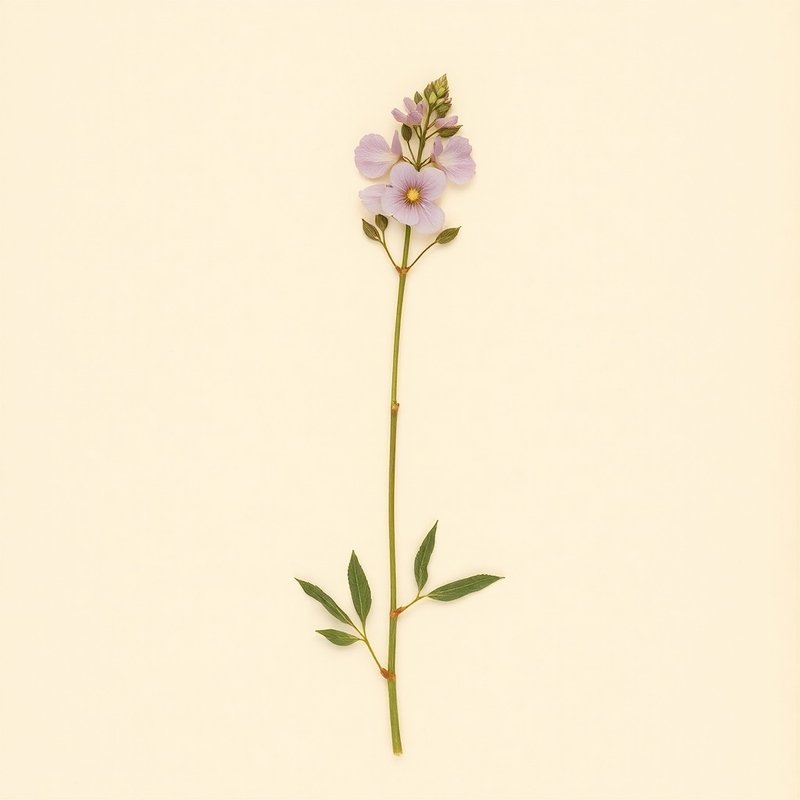
Pl. 3F7E — Campanula rapunculus
Campanula rapunculusCampanula rapunculusCampanula rapunculusCampanula rapunculusCampanula rapunculusCampanula rapunculusCampanula rapunculusCampanula rapunculusCampanula rapunculusCampanula rapunculusCampanula rapunculusCampanula rapunculusCampanula rapunculusCampanula rapunculus
IOverview
Overview
Rampion (Campanula rapunculus) is a biennial herb that thrives in moist, light to medium soil and prefers full sun to partial shade. Native to regions including Albania, Austria, Bulgaria, and parts of Europe and North Africa, this plant can grow up to 0.9 meters tall. Known for its edible leaves, shoots, and roots, rampion is valued both as a culinary ingredient and an ornamental addition to gardens. Its distinctive features include light blue or purple bell-shaped flowers that hang from the stem, creating a cascade of color.
Quick answers
What is Rampion?
Rampion (Campanula rapunculus) is a biennial herb that thrives in moist, light to medium soil and prefers full sun to partial shade. Native to regions including Albania, Austria, Bulgaria, and parts of Europe and North Africa, this plant can grow up to 0.
Growingconditions · propagation · uses
VCultivation
Cultivation
Rampion thrives in full to partial sun and prefers moist, well-draining soil that is light (sandy) or medium. It grows best in hardiness zones 4-8 and reaches a height of about 0.9 meters. This biennial plant can be propagated through seeds or division. For optimal growth, ensure the soil remains consistently moist but not waterlogged. Harvest edible parts such as leaves, roots, and shoots for culinary use.
Light
Full sun, Partial sun/shade
Water
Moist
Soil
Light (sandy), Medium
Hardiness
4-8
Life cycle
Biennial
Habit
Forb/herb
Mature size
0.9 m tall
Seasonal calendar
Northern hemisphere · UTC month is September
winterspringsummerautumnwinter
BloomJFMAMJJASOND
For first-time growers
How to grow Rampion for the first time
7steps
Start with Rampion as a simple, low-maintenance addition to your garden.
- 1
What you'll need
Seeds or young plants, a trowel, and a watering can.
- 2
Best time to plant
Plant in spring after the last frost or in fall before the first freeze.
- 3
Soil and container prep
Choose a location with light to partial shade and well-draining soil. Ensure containers are at least 12 inches wide and deep.
- 4
Sowing or transplanting
Direct sow seeds in the garden after danger of frost is past, or start indoors 4-6 weeks before planting outside. Transplant young plants if needed.
- 5
First two weeks
Water regularly to keep soil moist but not waterlogged. Monitor for pests and diseases.
- 6
Ongoing care
Provide consistent moisture, especially during dry spells. Deadhead spent flowers to encourage more blooms and prevent self-seeding.
- 7
Harvest or pruning
Prune back after flowering to maintain shape and promote new growth. Harvest leaves and shoots as needed for culinary use.
VIEdible & utility
Edible & utility
Edible parts:LeavesRootShoots
Edible uses: Rampion is eaten in its native range and beyond. The leaves, shoots, and roots can be consumed raw or cooked. Typically, the young shoots are prepared by boiling or steaming before being added to salads or soups. Roots may also be boiled and served as a vegetable.
Contextrange · companions · related
VIIDistribution
30 native · 0 introduced
Distribution
30 native · 0 introducedDistribution across3 continents· 30 native
Europe16 regions
native (16)AustriaBelarusBelgiumFranceGermanyGreeceHungaryItalyNetherlandsPolandPortugalRomaniaRussiaSpainSwitzerlandUkraine
Asia3 regions
native (3)IranPalestineTurkey
Africa3 regions
native (3)AlgeriaMoroccoTunisia
Broader regions
native:Turkey-in-Europe, Czechoslovakia, Lebanon-Syria, Transcaucasus
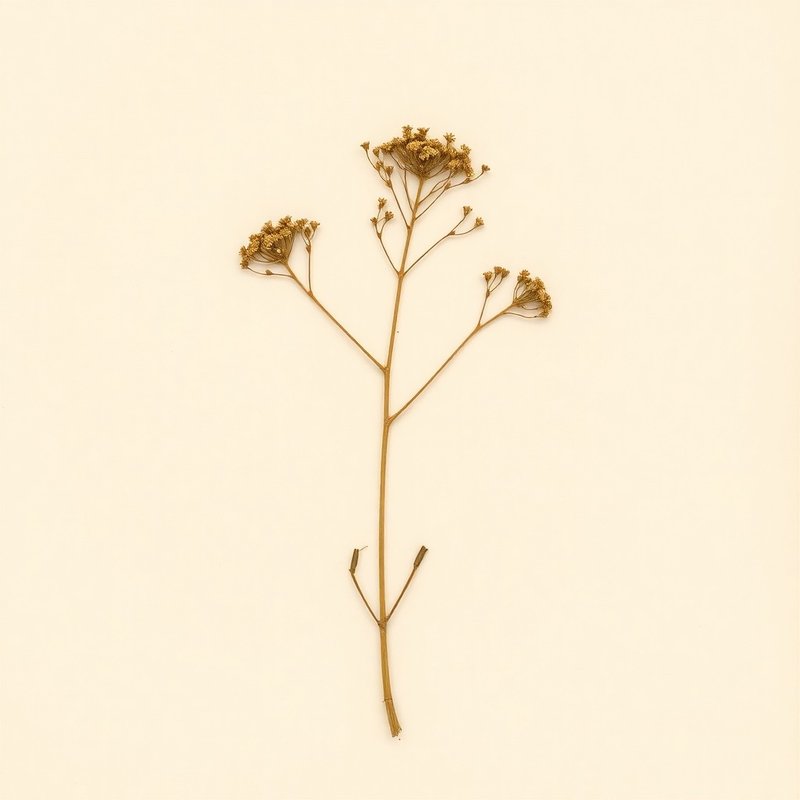
IXSpecimen gallery
1 image
Specimen gallery
1 imageXSee also
8 related
See also
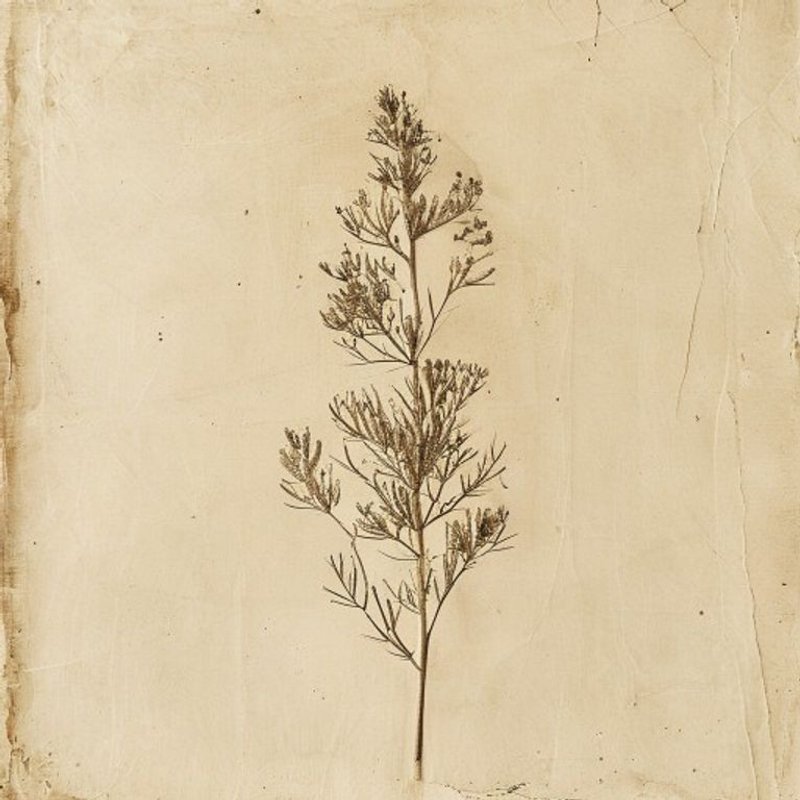
8 relatedPlants you might compare or use together — scored by shared family (Lamiaceae), common use cases, and growing requirements.
same family · Lamiaceae
Botanical relatives — often share phytochemistry + growing needs.



XI
Explore further
Companion planting
Compare with similar plants
Growing zone
XII
About this entry
- Last updated
- Citation
- How to cite this entry · Submit a correction
Back to the cataloguePlant id · 3f7ee80f-0c92-40b9-876d-0ab147b592ce
Decision aid
Choosing between Rampion and something else?
Continue reading
❦❦❦❦
Endpaper · archive updates
Get archive updates
Occasional email when substantial new content lands — plant profiles, seasonal growing notes, folk-remedy additions. Free, no tracking, unsubscribe anytime.