
Southern Huauzontle
Chenopodium berlandierifam. Chenopodiaceae
Educational content — not medical, botanical, or professional advice. Plant identification, safety, and edibility depend on local conditions, cultivars, and correct identification. Consult a qualified botanist or forager before consuming or handling wild specimens. How we source & review →
Garden journal pausedUse profile notes below
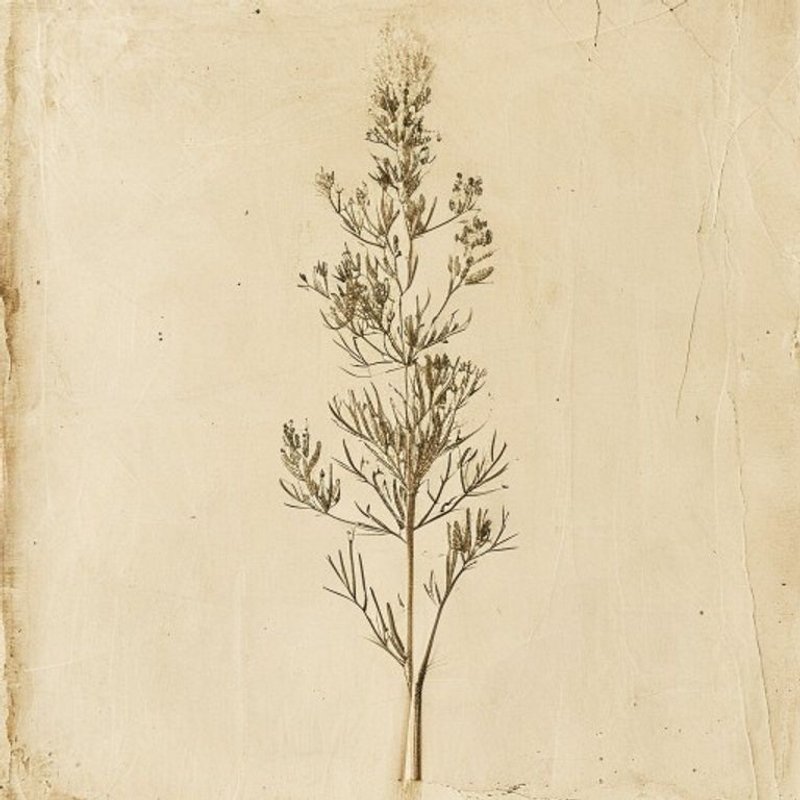
Pl. 0B52 — Chenopodium berlandieri
Chenopodium berlandieriChenopodium berlandieriChenopodium berlandieriChenopodium berlandieriChenopodium berlandieriChenopodium berlandieriChenopodium berlandieriChenopodium berlandieriChenopodium berlandieriChenopodium berlandieriChenopodium berlandieriChenopodium berlandieriChenopodium berlandieriChenopodium berlandieri
IOverview
Overview
Southern Huauzontle, Chenopodium berlandieri, is an annual forb or herb native to a wide range of North American and Mexican regions, including Alabama, Alaska, Arizona, and many other states and provinces. This plant thrives in moist conditions and can grow up to 1.2 meters tall, requiring full sun exposure. The soil types that support its growth include light (sandy), medium, and heavy (clay) varieties. Native to a diverse range of habitats, Southern Huauzontle is commonly found across the United States and parts of Mexico, making it a notable presence in both natural landscapes and cultivated gardens. The plant is known for its edible qualities, with its leaves, shoots, and seeds being commonly consumed. The leaves and shoots can be eaten raw in salads or cooked as a vegetable, while the seeds can be harvested and used in various culinary applications such as grinding into flour for bread or porridge. Southern Huauzontle has been introduced into Cuba, Czechoslovakia, Denmark, Finland, Great Britain, Norway, Sweden, and Trinidad-Tobago, showcasing its adaptability and potential for cultivation beyond its native range. While primarily known for its culinary uses, Southern Huauzontle also has potential as a dye plant, adding to its versatility. However, it is important to note that this plant has weed potential, which should be considered when cultivating it in gardens or natural areas. Its widespread native range and adaptability make Southern Huauzontle a valuable addition to both natural and cultivated environments.
Quick answers
What is Southern Huauzontle?
Southern Huauzontle, Chenopodium berlandieri, is an annual forb or herb native to a wide range of North American and Mexican regions, including Alabama, Alaska, Arizona, and many other states and provinces. This plant thrives in moist conditions and can grow up to 1.
Growingconditions · propagation · uses
VCultivation
Cultivation
Southern Huauzontle thrives in full sun and requires moist soil that can be light (sandy), medium, or heavy (clay). This annual plant grows up to 1.2 meters tall and is best suited for areas with a temperate climate, as it is native to regions across North America and parts of Mexico. For successful cultivation, ensure the soil remains consistently moist while providing ample sunlight. Harvest the leaves, shoots, and seeds for culinary use.
Light
Full sun
Water
Moist
Soil
Light (sandy), Medium, Heavy (clay)
Life cycle
Annual
Habit
Forb/herb
Mature size
1.2 m tall
For first-time growers
How to grow Southern Huauzontle for the first time
7steps
Start with Southern Huauzontle by planting it in a sunny spot and following these simple steps.
- 1
What you'll need
Seeds, small pots for starting, a garden bed or large container.
- 2
Best time to plant
Plant seeds after the last frost in spring when temperatures are warm.
- 3
Soil and container prep
Use well-draining soil with a mix of light (sandy), medium, or heavy clay. Ensure containers have drainage holes.
- 4
Sowing or transplanting
Start seeds indoors 4-6 weeks before the last frost date, then transplant outdoors after danger of frost passes.
- 5
First two weeks
Water regularly to keep soil moist. Provide full sun exposure and protect from strong winds.
- 6
Ongoing care
Continue regular watering as needed, especially during dry spells. Monitor for pests like aphids and caterpillars.
- 7
Harvest or pruning
Prune back shoots to encourage bushy growth. Harvest leaves and young shoots when the plant is about 30 cm tall.
VIEdible & utility
Edible & utility
Edible parts:LeavesSeedShoots
Edible uses: The Southern Huauzontle is edible, with its leaves, shoots, and seeds being commonly consumed. The leaves and shoots are often eaten raw in salads or cooked as a vegetable. Seeds can be harvested and used in various culinary applications such as grinding into flour for bread or porridge.
Other uses:Dye
Contextrange · companions · related
VIIDistribution
68 native · 8 introduced
Distribution
68 native · 8 introducedDistribution across3 continents· 68 native· 8 introduced
Europe5 regions
introduced (5)DenmarkFinlandNorwaySwedenUnited Kingdom
Asia1 region
native (1)Georgia
Americas3 regions
native (2)HondurasUnited States
introduced (1)Cuba
Broader regions
native:Alabama, Alberta, Arizona, Arkansas, British Columbia, California, Colorado, Connecticut, Delaware, District of Columbia, Florida, Idaho, Illinois, Indiana, Iowa, Kansas, Kentucky, Louisiana, Maine, Manitoba, Maryland, Masachusettes, Massachusetts, Mexico Central, Mexico Gulf, Mexico Northeast, Mexico Northwest, Mexico Southeast, Mexico Southwest, Michigan, Minnesota, Mississippi, Missouri, Montana, Nebraska, Nevada, New Brunswick, New Hampshire, New Jersey, New Mexico, New York, North Carolina, North Dakota, Northwest Territorie, Nova Scotia, Ohio, Oklahoma, Ontario, Oregon, Pennsylvania, Prince Edward I., Québec, Rhode I., Saskatchewan, South Carolina, South Dakota, Tennessee, Texas, Utah, Vermont, Virginia, West Virginia, Wisconsin, Wyoming, Yukon
introduced:Czechoslovakia, Trinidad-Tobago
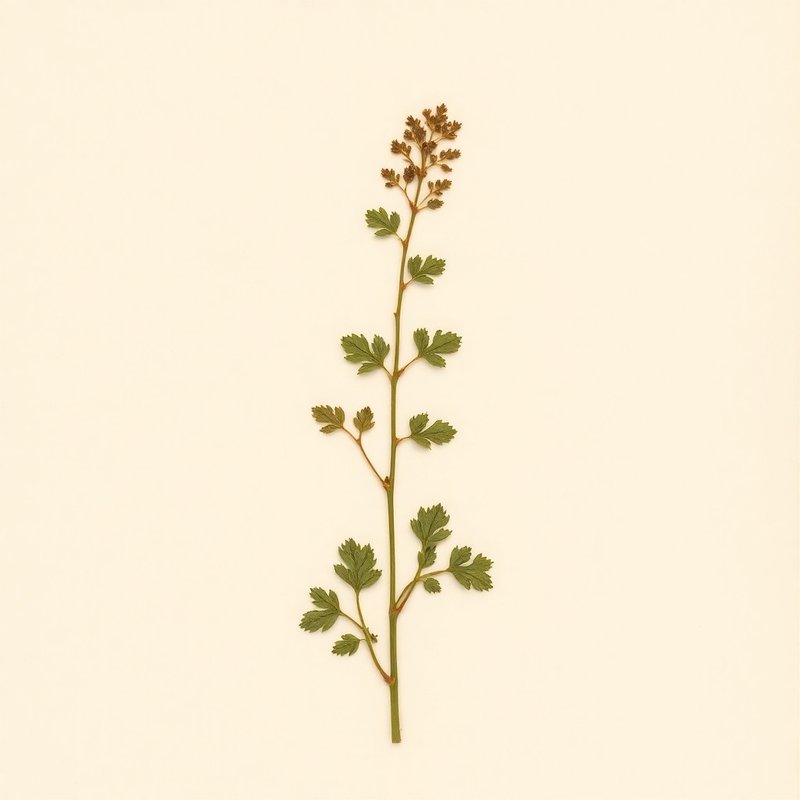
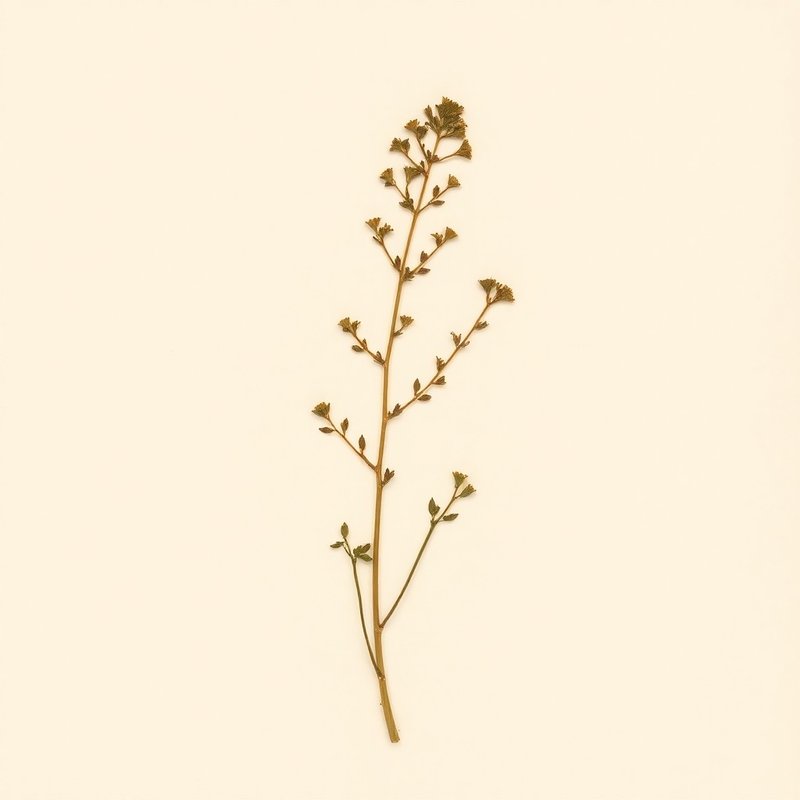
IXSpecimen gallery
1 image
Specimen gallery
1 imageXSee also
8 related
See also
8 relatedPlants you might compare or use together — scored by shared family (Chenopodiaceae), common use cases, and growing requirements.
same family · Chenopodiaceae
Botanical relatives — often share phytochemistry + growing needs.



XI
Explore further
Companion planting
Compare with similar plants
XII
About this entry
- Last updated
- Citation
- How to cite this entry · Submit a correction
Back to the cataloguePlant id · 0b52ddb0-37e3-4da4-a04a-5186eab815b7
Decision aid
Choosing between Southern Huauzontle and something else?
Continue reading
❦❦❦❦
Endpaper · archive updates
Get archive updates
Occasional email when substantial new content lands — plant profiles, seasonal growing notes, folk-remedy additions. Free, no tracking, unsubscribe anytime.
Newsletter returning soon.
We are rebuilding the update list around a lightweight editorial workflow. New dispatches will resume after the next content review cycle.