
Grapefruit
Citrus x paradisifam. Rutaceae
Educational content — not medical, botanical, or professional advice. Always consult a qualified clinician before using any herbal preparation — especially during pregnancy, breastfeeding, while on medication, or for children. How we source & review →
Garden journal pausedUse profile notes below
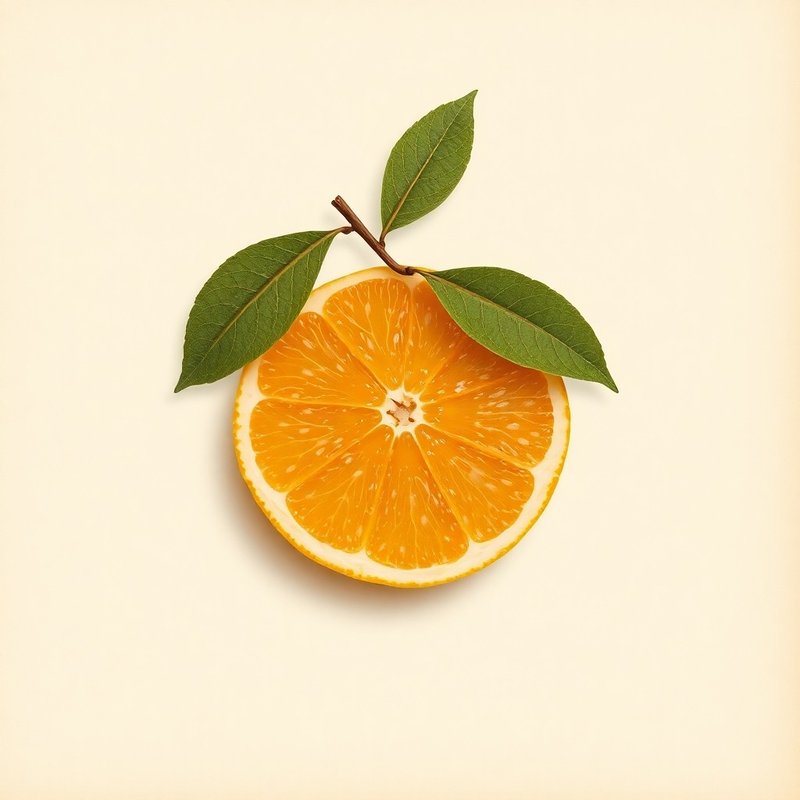
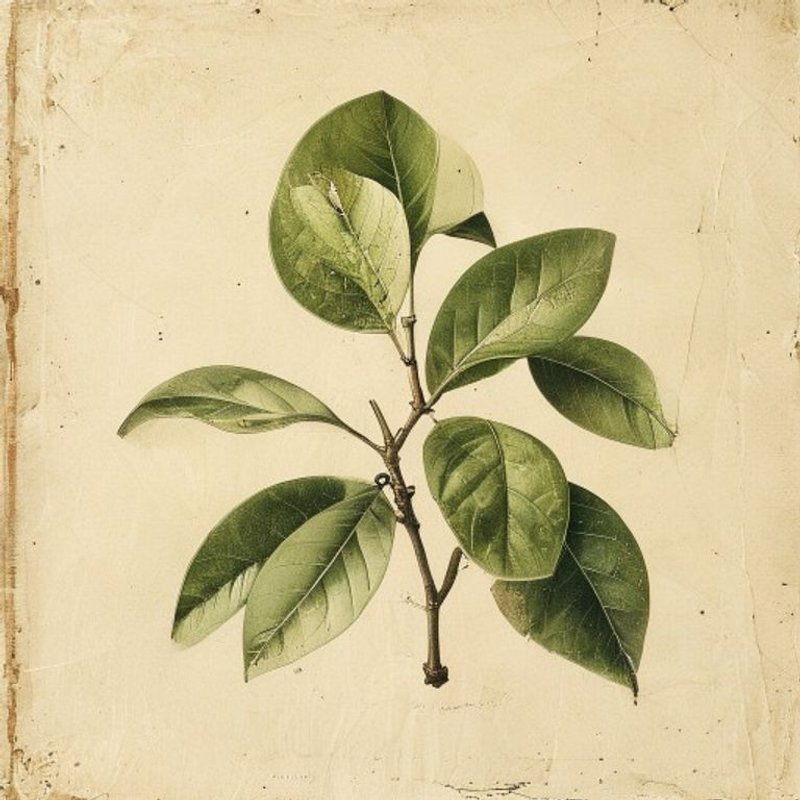
Pl. 584E — Citrus x paradisi
Citrus x paradisiCitrus x paradisiCitrus x paradisiCitrus x paradisiCitrus x paradisiCitrus x paradisiCitrus x paradisiCitrus x paradisiCitrus x paradisiCitrus x paradisiCitrus x paradisiCitrus x paradisiCitrus x paradisiCitrus x paradisi
IOverview
Overview
Grapefruit (Citrus x paradisi) is a hybrid citrus tree known for its distinctive segmented fruit and light, sunny disposition. Native to regions including Albania, Algeria, Angola, Argentina, and Bangladesh, this plant has spread across much of the world's tropical and subtropical zones. Grapefruit trees are both edible and medicinal; their fruits are widely consumed, while extracts from various parts of the tree have been used in traditional medicine. The tree thrives in light to medium soil types and can grow up to 7 meters in height with a similar width. It requires full sun and is hardy in zones 9-11, making it suitable for cultivation in warm climates. The grapefruit tree, which belongs to the Rutaceae family, is a versatile and adaptable plant. Its fruit, rich in vitamin C and antioxidants, is enjoyed fresh or used in juices, salads, and desserts. The seeds and peels of the grapefruit are also utilized in culinary applications, providing a unique flavor and aroma. In traditional medicine, grapefruit extracts have been used for their potential health benefits, though their medicinal properties should be approached with caution. Grapefruit trees are known for their hardiness and ability to thrive in a variety of soil types, including light (sandy), medium, and heavy (clay) soils. They require full sun and can grow up to 7 meters tall and wide, making them a significant presence in any garden or orchard. While they are not drought-resistant, regular watering is essential for optimal growth and fruit production. The grapefruit tree is also suitable for espalier, a training method that can help manage space in smaller gardens or containers. In summary, the grapefruit tree is a valuable addition to gardens and orchards, offering both culinary and medicinal benefits. Its adaptability and hardiness make it a reliable choice for warm climates, where it can flourish and provide a bounty of flavorful fruit.
Quick answers
What is Grapefruit?
Grapefruit (Citrus x paradisi) is a hybrid citrus tree known for its distinctive segmented fruit and light, sunny disposition. Native to regions including Albania, Algeria, Angola, Argentina, and Bangladesh, this plant has spread across much of the world's tropical and subtropical zones.
IV·bMixology suggestions
1 draft
Mixology suggestions
1 draftEditorial drafts. These pairings are AI-suggested from traditional herbal lore. Always verify with a qualified herbalist before brewing.
Digestive Harmony
digestiontincture
Traditional use for aiding digestion and soothing the stomach.
Growingconditions · propagation · uses
VCultivation
Cultivation
Grapefruit thrives in full sun and prefers light (sandy), medium, or heavy (clay) soil types. It is hardy in zones 9-11, making it suitable for warmer climates. The plant can grow up to 7 meters tall and wide, so ample space should be provided. For propagation, grapefruit seeds can be used, though grafting may also be employed for more consistent results. Regular watering is essential, but the plant is adaptable to various soil conditions.
Light
Full sun
Soil
Light (sandy), Medium, Heavy (clay)
Hardiness
9-11
Mature size
7.0 m × 7.6 m
For first-time growers
How to grow Grapefruit for the first time
8steps
Start with a simple grapefruit tree to experience growing citrus from scratch.
- 1
What you'll need
A young grapefruit sapling, well-draining soil, and a large pot or garden space.
- 2
Best time to plant
Plant in late winter or early spring when temperatures are mild.
- 3
Soil and container prep
Use a mix of light (sandy), medium, or heavy soil with good drainage. Ensure the pot has holes for water to escape.
- 4
Sowing or transplanting
Transplant your sapling into its permanent spot or a large pot filled with well-draining soil.
- 5
First two weeks
Water regularly, keeping the soil moist but not soggy. Place in full sun for at least 6 hours daily.
- 6
Ongoing care
Provide full sun and water when the top inch of soil feels dry. Fertilize every few months with a balanced citrus fertilizer.
- 7
Harvest or pruning
Prune to shape the tree and remove dead branches. Harvest fruit when it turns orange and is firm.
- 8
Common mistakes
Overwatering, not providing enough sunlight, and using too much fertilizer are common pitfalls.
VIEdible & utility
Edible & utility
Edible parts:FruitSeed
Edible uses: Oil
Other uses:oilEspalier
Contextrange · companions · related
VIIDistribution
85 native · 85 introduced
Distribution
85 native · 85 introducedDistribution across5 continents· 85 native· 85 introduced
Europe8 regions
native (4)AlbaniaItalyPortugalSpain
introduced (4)AlbaniaItalyPortugalSpain
Asia30 regions
native (15)BangladeshCambodiaChinaIndiaIraqJapanLaosMyanmarNepalPakistanPhilippinesSouth KoreaSri LankaTaiwanVietnam
introduced (15)BangladeshCambodiaChinaIndiaIraqJapanLaosMyanmarNepalPakistanPhilippinesSouth KoreaSri LankaTaiwanVietnam
Americas28 regions
native (14)BahamasBelizeCosta RicaCubaDominican RepublicEcuadorEl SalvadorHaitiHondurasJamaicaParaguayPeruPuerto RicoVenezuela
introduced (14)BahamasBelizeCosta RicaCubaDominican RepublicEcuadorEl SalvadorHaitiHondurasJamaicaParaguayPeruPuerto RicoVenezuela
Africa24 regions
native (12)AlgeriaAngolaBeninEgyptEthiopiaGambiaGuinea-BissauLibyaMauritiusMoroccoSomaliaTunisia
introduced (12)AlgeriaAngolaBeninEgyptEthiopiaGambiaGuinea-BissauLibyaMauritiusMoroccoSomaliaTunisia
Oceania4 regions
native (2)New CaledoniaVanuatu
introduced (2)New CaledoniaVanuatu
Broader regions
native:Argentina Northeast, Argentina Northwest, Bermuda, Borneo, Brazil Northeast, Brazil South, Brazil Southeast, Brazil West-Central, Caroline Is., Cayman Is., Central American Pac, Cook Is., East Himalaya, Florida, Gulf of Guinea Is., Leeward Is., Line Is., Louisiana, Marianas, Mexico Southeast, Nansei-shoto, Panamá, Réunion, Rodrigues, Santa Cruz Is., Socotra, Solomon Is., Tadzhikistan, Trinidad-Tobago, Tuamotu, Wallis-Futuna Is., West Himalaya
introduced:Argentina Northeast, Argentina Northwest, Bermuda, Borneo, Brazil Northeast, Brazil South, Brazil Southeast, Brazil West-Central, Caroline Is., Cayman Is., Central American Pac, Cook Is., East Himalaya, Florida, Gulf of Guinea Is., Leeward Is., Line Is., Louisiana, Marianas, Mexico Southeast, Nansei-shoto, Panamá, Réunion, Rodrigues, Santa Cruz Is., Socotra, Solomon Is., Tadzhikistan, Trinidad-Tobago, Tuamotu, Wallis-Futuna Is., West Himalaya
IXSpecimen gallery
1 image
Specimen gallery
1 imageXSee also
8 related
See also
8 relatedPlants you might compare or use together — scored by shared family (Rutaceae), common use cases, and growing requirements.
same family · Rutaceae
Botanical relatives — often share phytochemistry + growing needs.

XI
Explore further
Companion planting
Compare with similar plants
Growing zone
XII
About this entry
- Last updated
- Citation
- How to cite this entry · Submit a correction
Back to the cataloguePlant id · 584e22cd-b221-4963-b984-ed383f469576
Decision aid
Choosing between Grapefruit and something else?
Continue reading
❦❦❦❦
Endpaper · archive updates
Get archive updates
Occasional email when substantial new content lands — plant profiles, seasonal growing notes, folk-remedy additions. Free, no tracking, unsubscribe anytime.
Newsletter returning soon.
We are rebuilding the update list around a lightweight editorial workflow. New dispatches will resume after the next content review cycle.