
Danish Scurvy Grass
Cochlearia danica
Educational content — not medical, botanical, or professional advice. Plant identification, safety, and edibility depend on local conditions, cultivars, and correct identification. Consult a qualified botanist or forager before consuming or handling wild specimens. How we source & review →
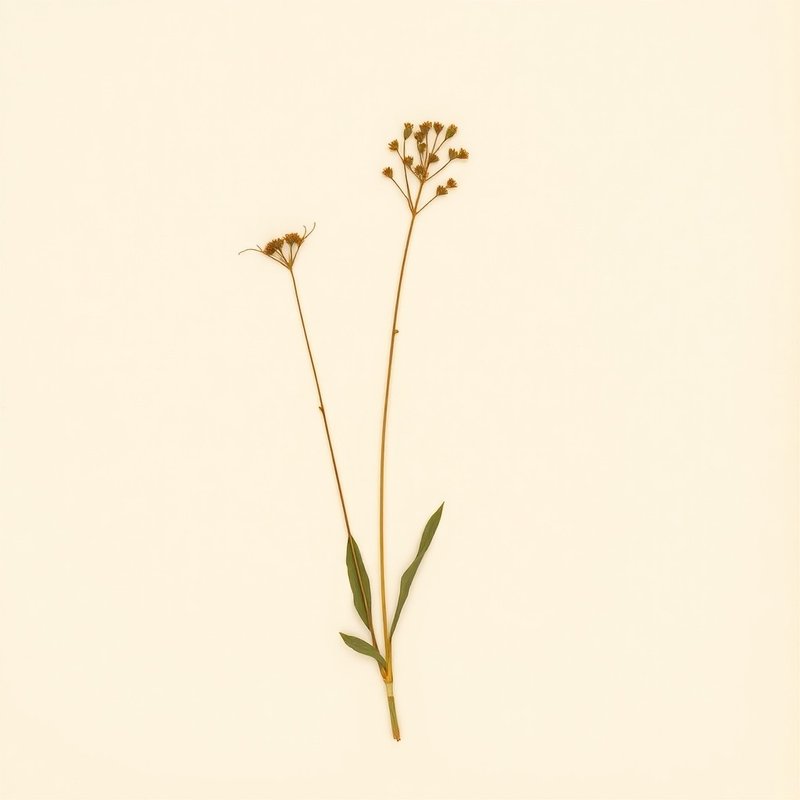
Pl. 883A — Cochlearia danica
Cochlearia danicaCochlearia danicaCochlearia danicaCochlearia danicaCochlearia danicaCochlearia danicaCochlearia danicaCochlearia danicaCochlearia danicaCochlearia danicaCochlearia danicaCochlearia danicaCochlearia danicaCochlearia danica
IOverview
Overview
Danish Scurvy Grass (Cochlearia danica) is an annual plant native to the coastal regions of Northwest Europe, including areas such as the Baltic States, Belgium, Denmark, Finland, France, Germany, Great Britain, and Ireland. This hardy plant thrives in moist, light to heavy soil with a pH between 7 and 7.5, making it adaptable to various environments within its native range. Known for its edible leaves, Danish Scurvy Grass is particularly notable for its distinctive, spoon-shaped leaves that give the species its genus name "Cochlearia." Its presence in coastal areas has made it an important part of local flora and cuisine.
Quick answers
What is Danish Scurvy Grass?
Danish Scurvy Grass (Cochlearia danica) is an annual plant native to the coastal regions of Northwest Europe, including areas such as the Baltic States, Belgium, Denmark, Finland, France, Germany, Great Britain, and Ireland. This hardy plant thrives in moist, light to heavy soil with a pH between 7 and 7.
Growingconditions · propagation · uses
VCultivation
Cultivation
Danish Scurvy Grass thrives in moist, light to heavy soils with a pH of 7-7.5 and prefers partial shade to full sun. It is hardy in temperate regions, tolerating zones 5-9. For cultivation, plant the annual in well-drained soil that can be sandy, medium, or clay-like. Keep the soil consistently moist but not waterlogged. Harvest its edible leaves for use as needed. Skip specific product recommendations and zone details beyond those provided.
Light
8/10
Water
Moist
Soil
Light (sandy), Medium, Heavy (clay)
Hardiness
5-9
Life cycle
Annual
Mature size
0.2 m tall
Soil pH
7–7.5
Seasonal calendar
Northern hemisphere · UTC month is September
winterspringsummerautumnwinter
BloomJFMAMJJASOND
For first-time growers
How to grow Danish Scurvy Grass for the first time
8steps
Start with Danish Scurvy Grass as an easy-to-grow annual for a beginner gardener.
- 1
What you'll need
Seeds or young plants, a small trowel, and a watering can.
- 2
Best time to plant
Plant in spring after the last frost, or start seeds indoors about 4 weeks before planting out.
- 3
Soil and container prep
Choose a spot with moist soil that is light (sandy), medium, or heavy. Ensure the pH is between 7 and 7.5.
- 4
Sowing or transplanting
Direct sow seeds in the garden or start them indoors and transplant when they have two sets of true leaves.
- 5
First two weeks
Keep soil consistently moist, watering regularly to prevent drying out.
- 6
Ongoing care
Water as needed to keep soil moist but not waterlogged. Mulch around plants to retain moisture and suppress weeds.
- 7
Harvest or pruning
Prune back any yellowing leaves to encourage new growth, and harvest young leaves for use in salads.
- 8
Common mistakes
Overwatering, planting in too dry soil, neglecting to mulch, and not providing enough light.
VIEdible & utility
Edible & utility
Edible parts:Leaves
Edible uses: The leaves of Danish Scurvy Grass are edible and can be eaten raw or cooked. Typically, they are used fresh in salads for their slightly bitter taste. They can also be added to soups or stews for flavoring. Skip the drying process as the leaves lose much of their palatability when dried.
Contextrange · companions · related
VIIDistribution
15 native · 4 introduced
Distribution
15 native · 4 introducedDistribution across1 continent· 15 native· 4 introduced
Europe17 regions
native (14)BelgiumDenmarkFinlandFranceGermanyIrelandNetherlandsNorwayPortugalRussiaSpainSwedenSwitzerlandUnited Kingdom
introduced (3)AustriaHungaryPoland
Broader regions
native:Baltic States
introduced:Czechoslovakia
IXSpecimen gallery
1 image
Specimen gallery
1 imageXI
Explore further
Companion planting
Growing zone
XII
About this entry
- Last updated
- Citation
- How to cite this entry · Submit a correction
Back to the cataloguePlant id · 883a2ba3-6d77-4c34-8b1b-684cbc7d0c8a
Decision aid
Choosing between Danish Scurvy Grass and something else?
Continue reading
❦❦❦❦
Endpaper · archive updates
Get archive updates
Occasional email when substantial new content lands — plant profiles, seasonal growing notes, folk-remedy additions. Free, no tracking, unsubscribe anytime.