
Cornus iberica
Cornus ibericafam. Cornaceae
Educational content — not medical, botanical, or professional advice. Plant identification, safety, and edibility depend on local conditions, cultivars, and correct identification. Consult a qualified botanist or forager before consuming or handling wild specimens. How we source & review →
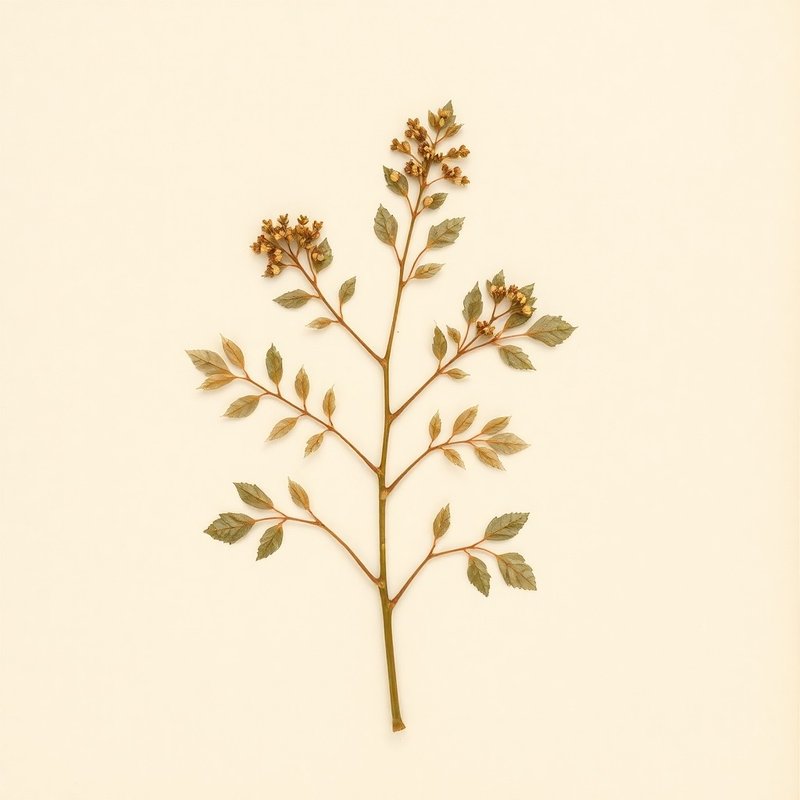
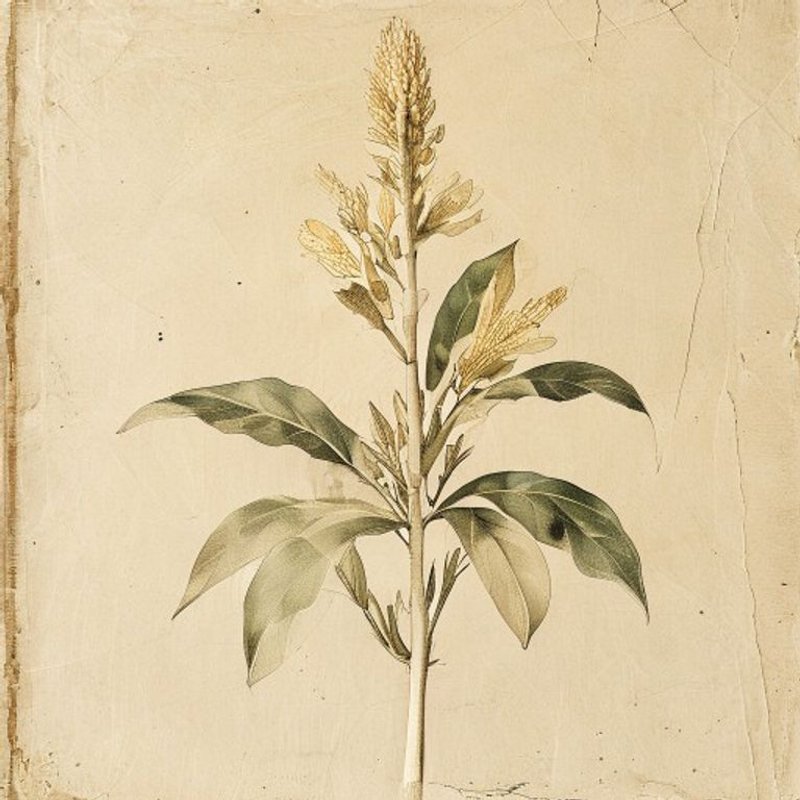
Pl. 94C5 — Cornus iberica
Cornus ibericaCornus ibericaCornus ibericaCornus ibericaCornus ibericaCornus ibericaCornus ibericaCornus ibericaCornus ibericaCornus ibericaCornus ibericaCornus ibericaCornus ibericaCornus iberica
IOverview
Overview
Cornus iberica, known as the Caucasian dogwood, is a deciduous shrub native to the Transcaucasus region. This plant thrives in full sun to partial shade and prefers moist soil that can be light (sandy), medium, or heavy (clay). Reaching a height of about 4 meters, it is valued for its edible fruit, which makes it a useful addition to gardens seeking both ornamental value and food sources. Its adaptability to various soil types and sunlight conditions make it a versatile choice for gardeners in suitable climates.
Quick answers
What is Cornus iberica?
Cornus iberica, known as the Caucasian dogwood, is a deciduous shrub native to the Transcaucasus region. This plant thrives in full sun to partial shade and prefers moist soil that can be light (sandy), medium, or heavy (clay).
Growingconditions · propagation · uses
VCultivation
Cultivation
Cornus iberica thrives in full to partial sun and requires moist soil that can be light (sandy), medium, or heavy (clay). It grows up to 4 meters tall and is native to the Transcaucasus region. The plant produces edible fruit and is hardy in temperate regions. Propagate through seeds or cuttings.
Light
Full sun, Partial sun/shade
Water
Moist
Soil
Light (sandy), Medium, Heavy (clay)
Mature size
4.0 m tall
For first-time growers
How to grow Cornus iberica for the first time
8steps
Start with planting Skip in a sunny spot and follow these beginner-friendly steps.
- 1
What you'll need
Skip plants, well-draining soil, mulch.
- 2
Best time to plant
Plant Skip in spring or fall when the weather is cooler.
- 3
Soil and container prep
Ensure the soil is light (sandy), medium, or heavy with good drainage. Amend as needed.
- 4
Sowing or transplanting
Transplant Skip from a nursery pot to your garden bed, ensuring roots are not damaged.
- 5
First two weeks
Water regularly to keep the soil moist but not waterlogged. Monitor for signs of stress.
- 6
Ongoing care
Provide full sun or partial shade and regular watering. Prune lightly in late winter to maintain shape.
- 7
Harvest or pruning
Prune Skip in late winter to encourage new growth and remove any dead branches.
- 8
Common mistakes
Overwatering, planting in heavy clay soil without amending, neglecting winter protection.
VIEdible & utility
Edible & utility
Edible parts:Fruit
Edible uses: Oil
Other uses:Weaving materialFire starterDyeoilLumber
Contextrange · companions · related
VIIDistribution
1 native · 0 introduced
Distribution
1 native · 0 introducedDistribution across0 continents· 1 native
Broader regions
native:Transcaucasus
IXSpecimen gallery
1 image
Specimen gallery
1 imageXSee also
8 related
See also
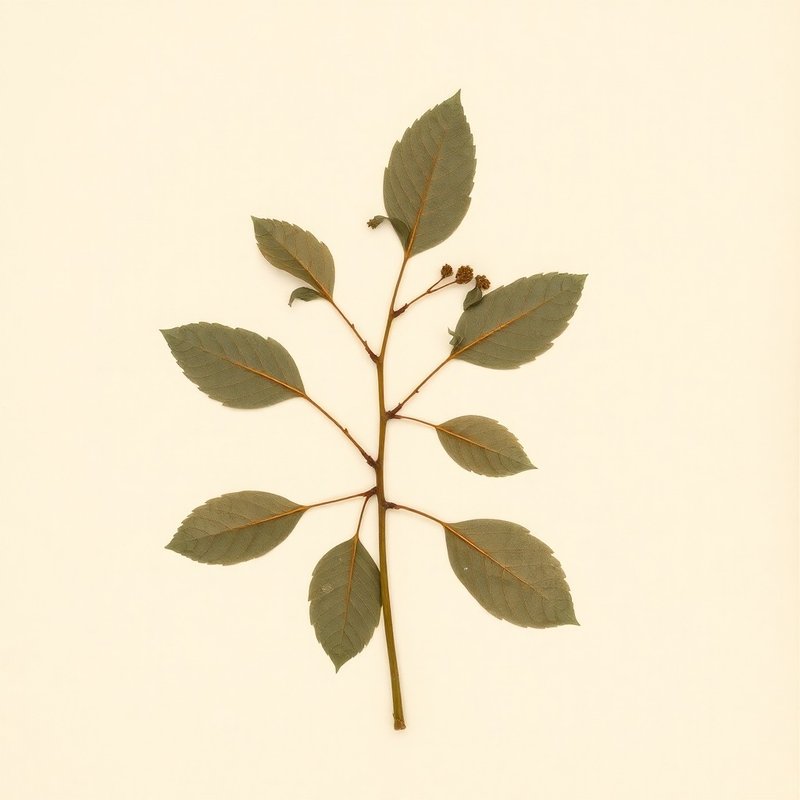
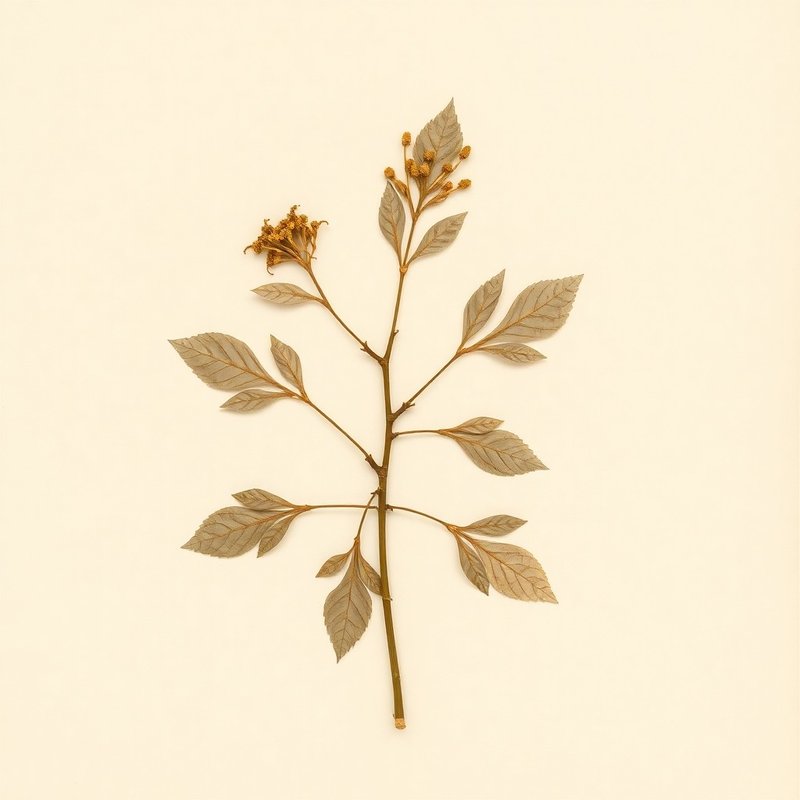
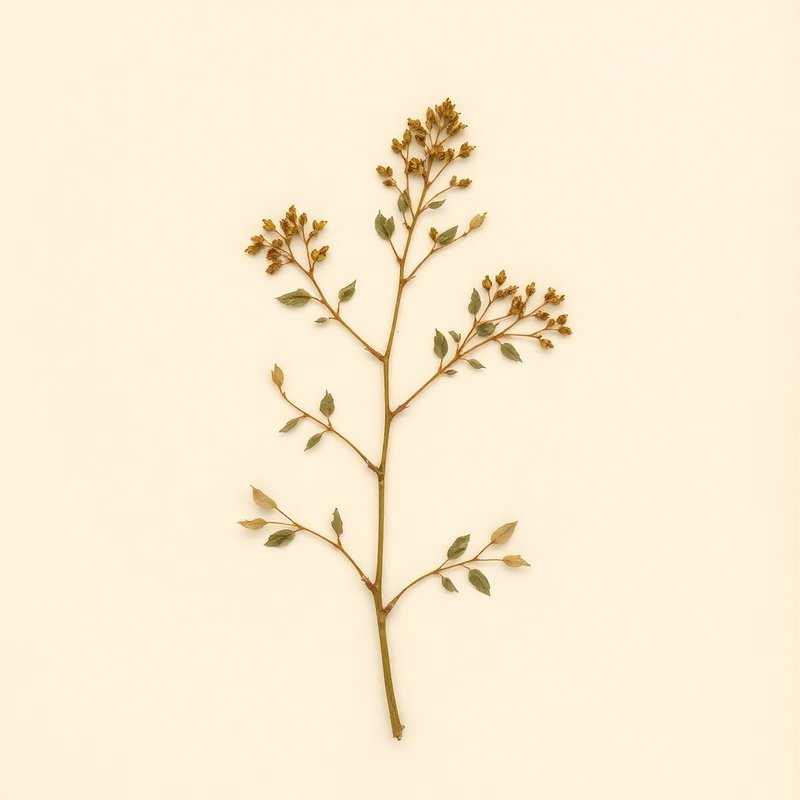
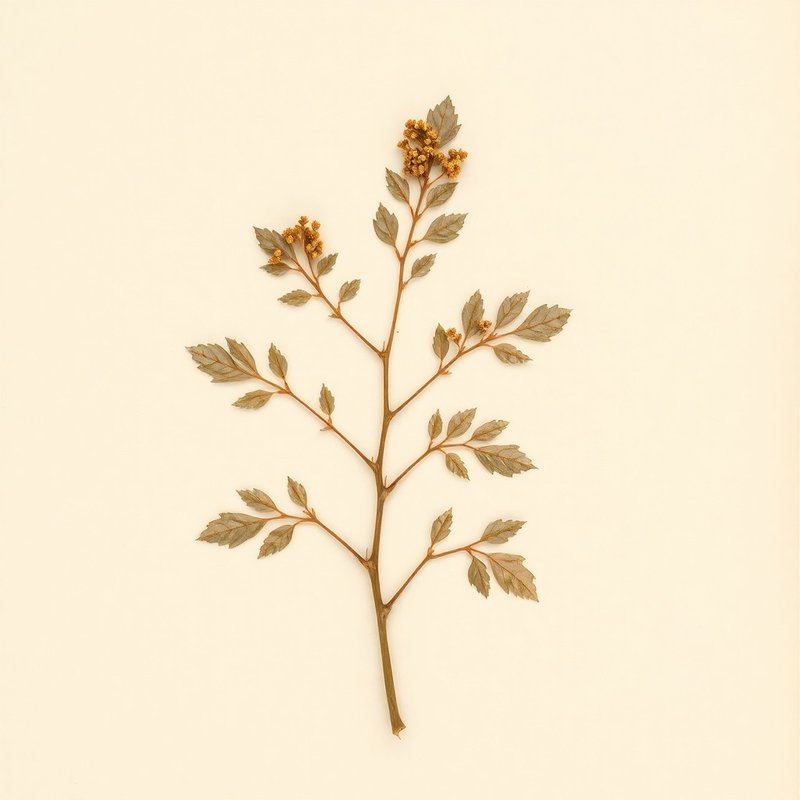
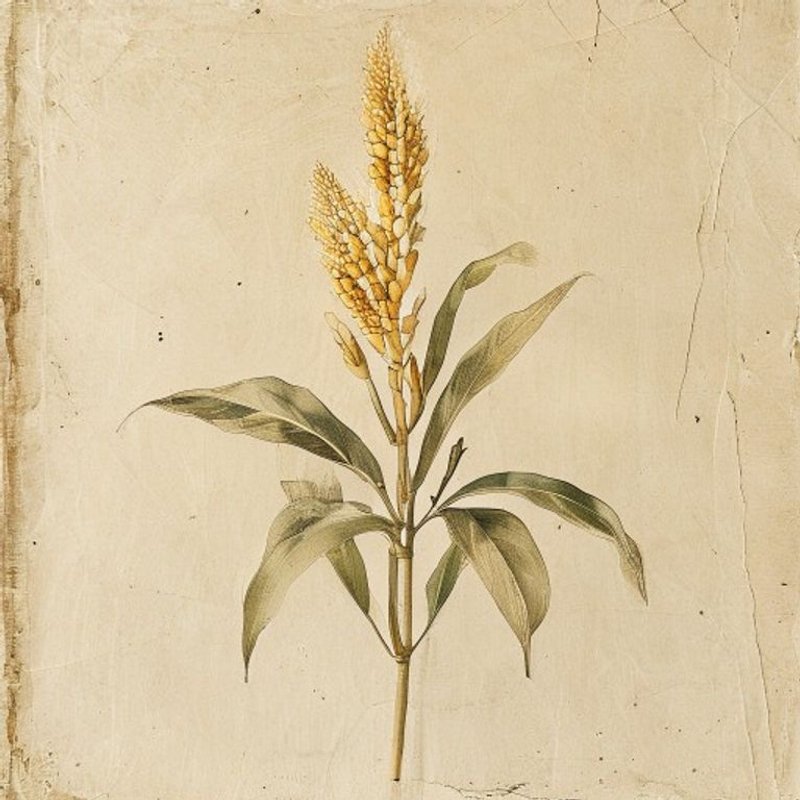
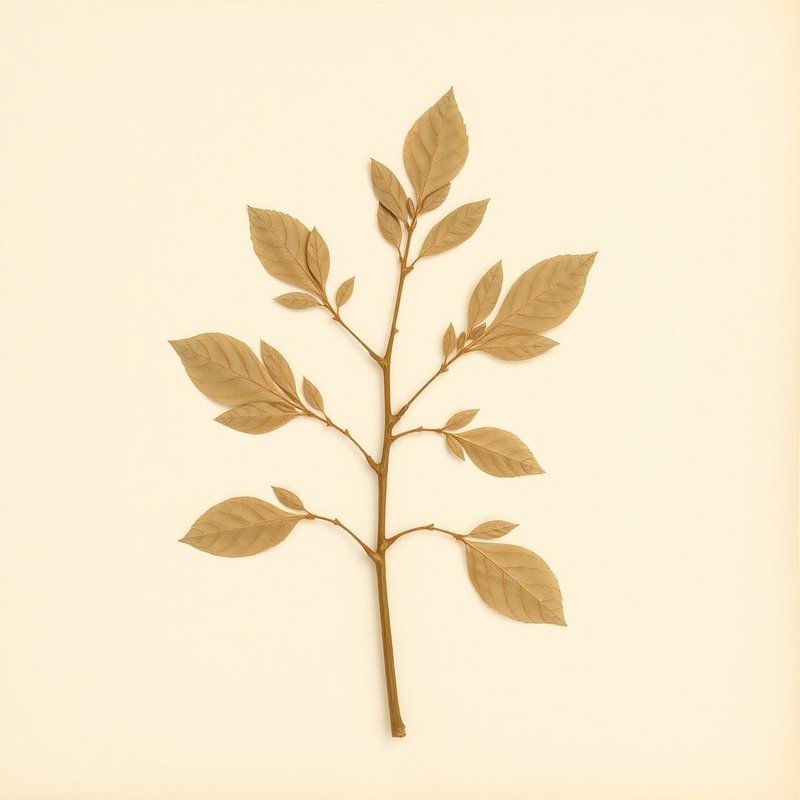
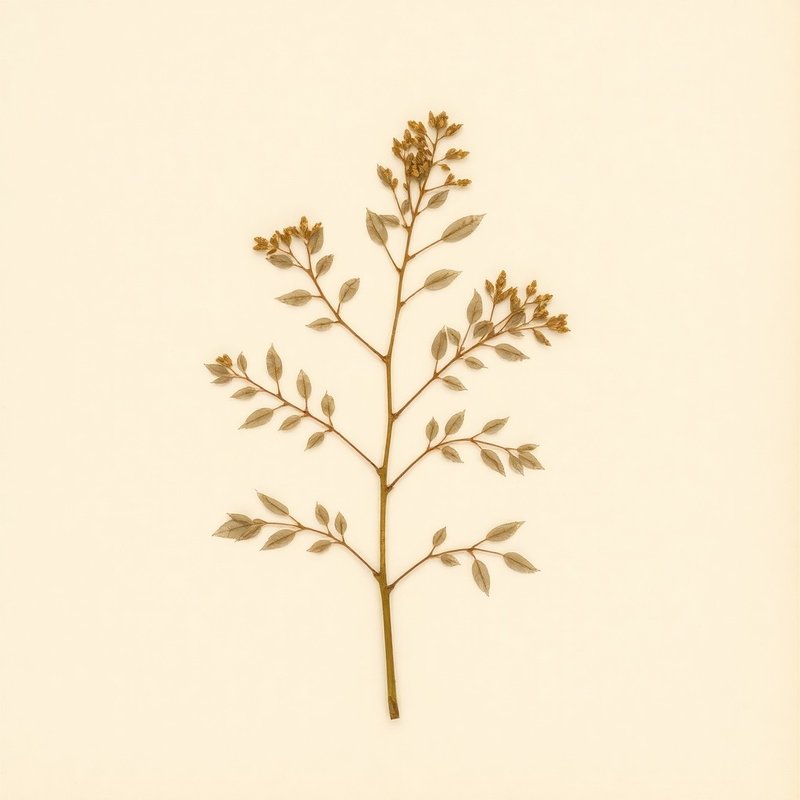
8 relatedPlants you might compare or use together — scored by shared family (Cornaceae), common use cases, and growing requirements.
same family · Cornaceae
Botanical relatives — often share phytochemistry + growing needs.
XI
Explore further
Companion planting
Compare with similar plants
XII
About this entry
- Last updated
- Citation
- How to cite this entry · Submit a correction
Back to the cataloguePlant id · 94c502b3-7373-45b8-aee3-4597c7d44b94
Decision aid
Choosing between Cornus iberica and something else?
Continue reading
❦❦❦❦
Endpaper · archive updates
Get archive updates
Occasional email when substantial new content lands — plant profiles, seasonal growing notes, folk-remedy additions. Free, no tracking, unsubscribe anytime.