
Hardy swamplily
IOverview
Overview
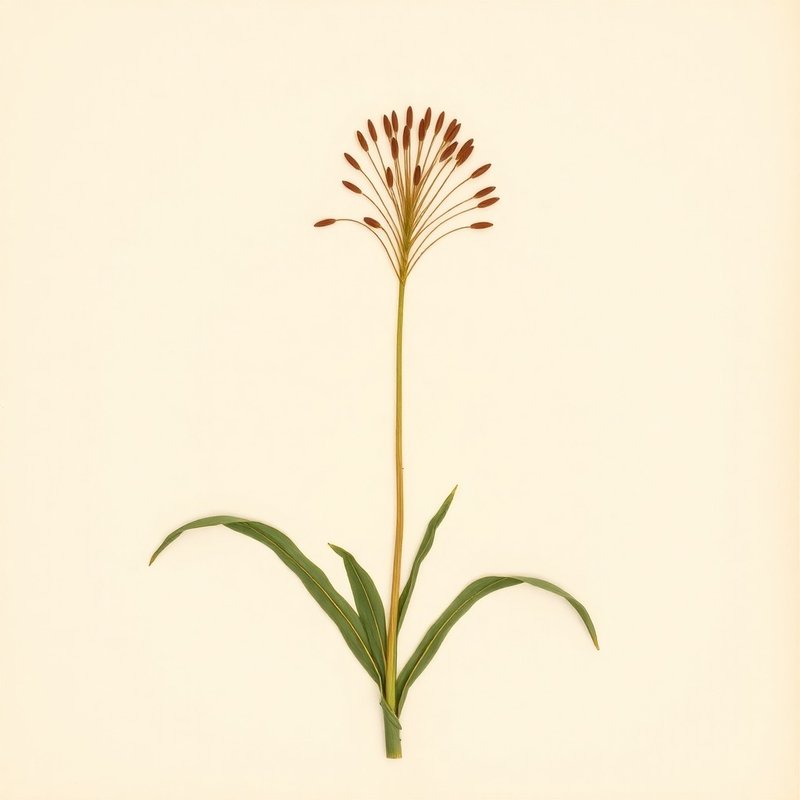
Hardy swamplily, scientifically known as Crinum bulbispermum, is a hardy perennial native to the Cape Provinces, Free State, KwaZulu-Natal, Lesotho, Northern Provinces, and Swaziland in southern Africa. This plant thrives in full sun with moist, light (sandy) or medium-textured soil, making it well-suited for areas with a hardiness zone of 5-9. Standing at about 1 meter tall, Hardy swamplily is a forb/herb that can be found growing in various landscapes and gardens, adding both ornamental value and an edible source. The root of the Hardy swamplily is edible and can be consumed raw or cooked. It is commonly prepared by boiling to enhance its flavor and texture. This plant has been introduced into several regions including Alabama, Cuba, Florida, Honduras, Leeward Islands, Louisiana, Madeira, North Carolina, Texas, and Windward Islands, showcasing its adaptability and versatility. Hardy swamplily is a valuable addition to gardens and landscapes, offering both ornamental and edible benefits. Its ability to thrive in a range of environments and its use as a food source make it a versatile plant for cultivation in temperate regions. While not traditionally used for medicinal purposes, the plant's introduction to various regions highlights its adaptability and potential for diverse applications.
What is Hardy swamplily?
Hardy swamplily, scientifically known as Crinum bulbispermum, is a hardy perennial native to the Cape Provinces, Free State, KwaZulu-Natal, Lesotho, Northern Provinces, and Swaziland in southern Africa.
VCultivation
Cultivation
How to grow Hardy swamplily for the first time
Start with planting Hardy swamplily in a sunny spot and follow these simple steps for success.
- 1
What you'll need
Hardy swamplily bulbs, well-draining soil mix, garden fork.
- 2
Best time to plant
Plant in late winter or early spring when the threat of frost has passed.
- 3
Soil and container prep
Choose a location with full sun. Amend the soil with compost for better drainage.
- 4
Sowing or transplanting
Plant bulbs 10-15 cm deep, spacing them about 30 cm apart in well-draining soil.
- 5
First two weeks
Water regularly to keep the soil moist but not waterlogged. Avoid overwatering.
- 6
Ongoing care
Provide full sun and regular watering, especially during dry spells. Fertilize once a year in spring.
- 7
Harvest or pruning
Prune dead leaves to maintain the plant's appearance but avoid cutting into healthy growth.
VIEdible & utility
Edible & utility
VIIDistribution
6 native · 10 introduced
Distribution
6 native · 10 introducedIXSpecimen gallery
1 image
Specimen gallery
1 imageXSee also
8 related
See also
8 relatedPlants you might compare or use together — scored by shared family (Amaryllidaceae), common use cases, and growing requirements.

Explore further
About this entry
- Last updated
- Citation
- How to cite this entry · Submit a correction
Continue reading
Get archive updates
Occasional email when substantial new content lands — plant profiles, seasonal growing notes, folk-remedy additions. Free, no tracking, unsubscribe anytime.