
Cholla
IOverview
Overview
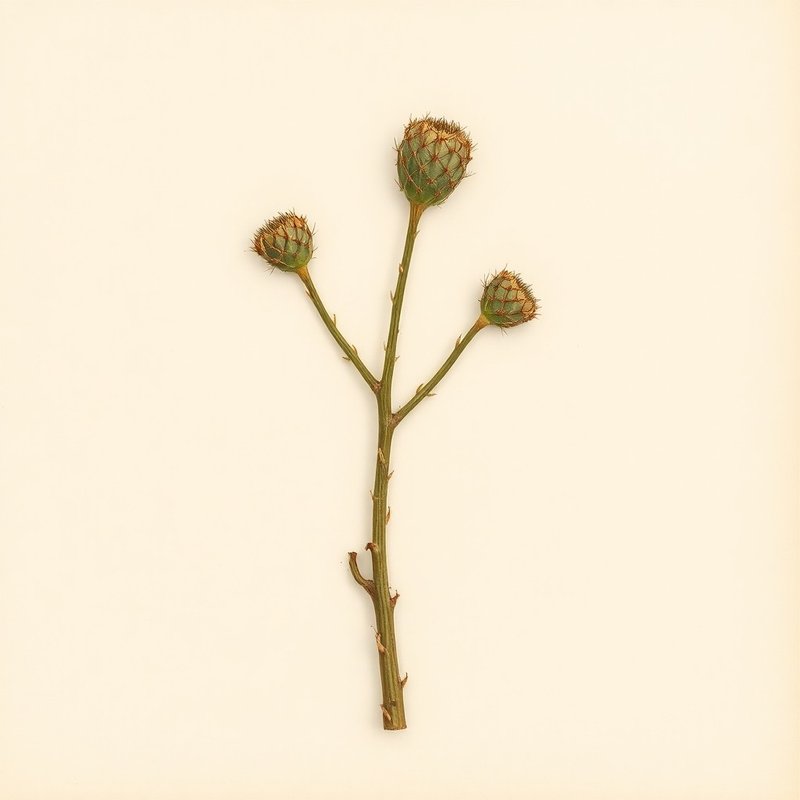
Cholla (Cylindropuntia spp.), a shrub-like perennial, is native to the deserts of Arizona and Mexico. This plant thrives in environments requiring full sun to partial shade and can grow up to 2 meters tall. Cholla is adaptable to various soil types, including light (sandy), medium, and heavy (clay), and prefers dry conditions, making it a suitable choice for arid landscapes. The distinctive feature of cholla is its segmented stems, covered with spines, which serve as both a defense mechanism and an adaptation to arid environments. Cholla plants are edible and can be consumed in various forms. The fruit, leaves, and seeds are all part of the plant that people eat. The fruit is often eaten raw or dried, while the leaves can be used fresh or cooked. Seeds are typically harvested and then roasted before consumption. Cultivation of cholla is relatively simple, requiring well-draining soil and full to partial sun. It is hardy in zones 8-12 and can be propagated through seeds or cuttings. While cholla is not known for its medicinal properties, its edible parts make it a valuable addition to desert gardens and culinary practices.
What is Cholla?
Cholla (Cylindropuntia spp.), a shrub-like perennial, is native to the deserts of Arizona and Mexico. This plant thrives in environments requiring full sun to partial shade and can grow up to 2 meters tall.
VCultivation
Cultivation
How to grow Cholla for the first time
Start with a simple, low-maintenance cholla plant for your beginner garden.
- 1
What you'll need
A young cholla plant, well-draining soil mix, and a sunny spot in your garden.
- 2
Best time to plant
Plant cholla during the spring or fall when temperatures are mild.
- 3
Soil and container prep
Use a cactus-specific potting mix or add perlite to regular soil for better drainage. Ensure containers have holes for excess water to escape.
- 4
Sowing or transplanting
Transplant young cholla plants directly into the garden or a large container, spacing them about 1 meter apart.
- 5
First two weeks
Water sparingly but deeply once every two weeks. Avoid overwatering as it can lead to root rot.
- 6
Ongoing care
Provide full sun and water only when the soil is completely dry. Prune dead or damaged parts as needed.
- 7
Harvest or pruning
Prune cholla in late winter before new growth starts to maintain shape and remove any dead branches.
- 8
Common mistakes
Overwatering, planting in poorly drained soil, and not providing enough sunlight are common issues beginners should avoid.
VIEdible & utility
Edible & utility
VIIDistribution
9 native · 3 introduced
Distribution
9 native · 3 introducedIXSpecimen gallery
1 image
Specimen gallery
1 imageXSee also
8 related
See also
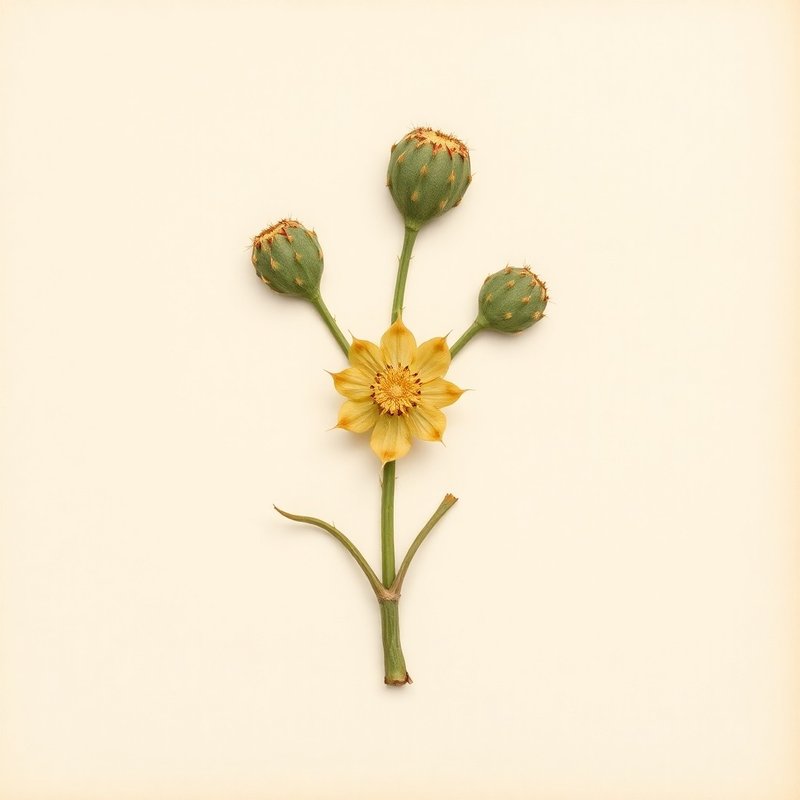
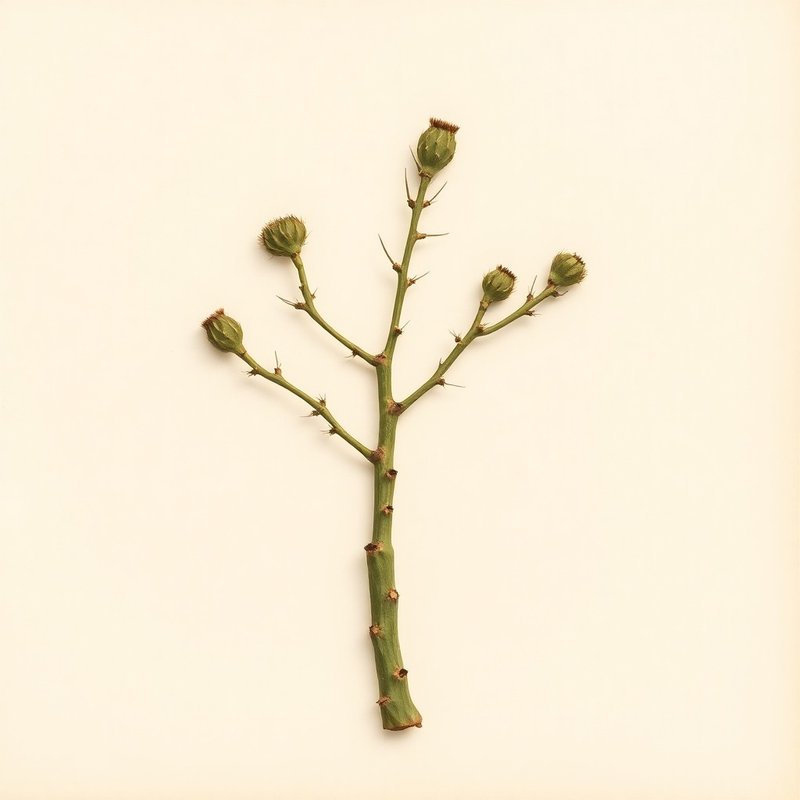
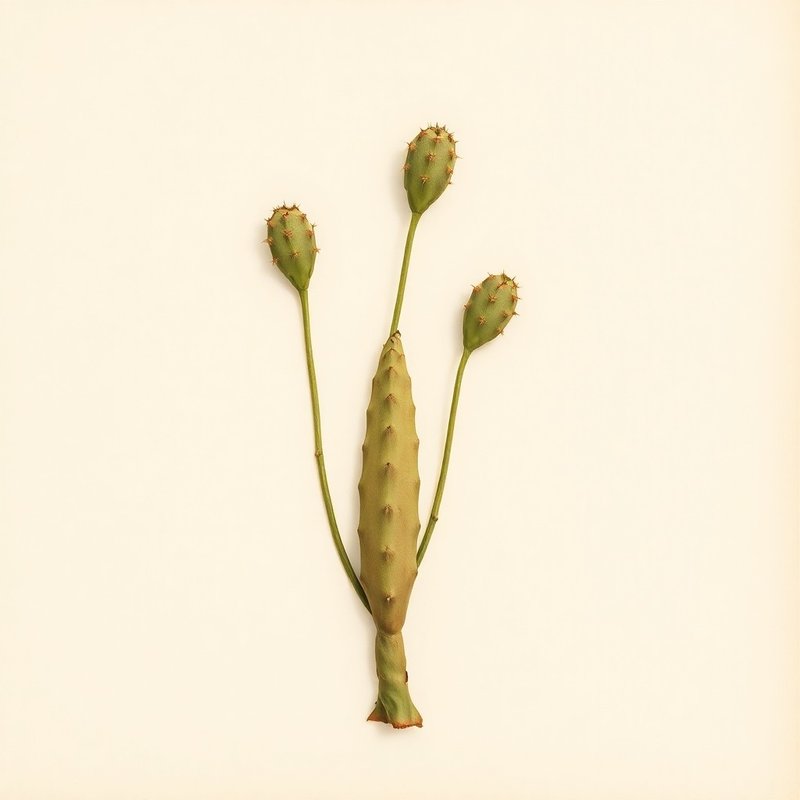
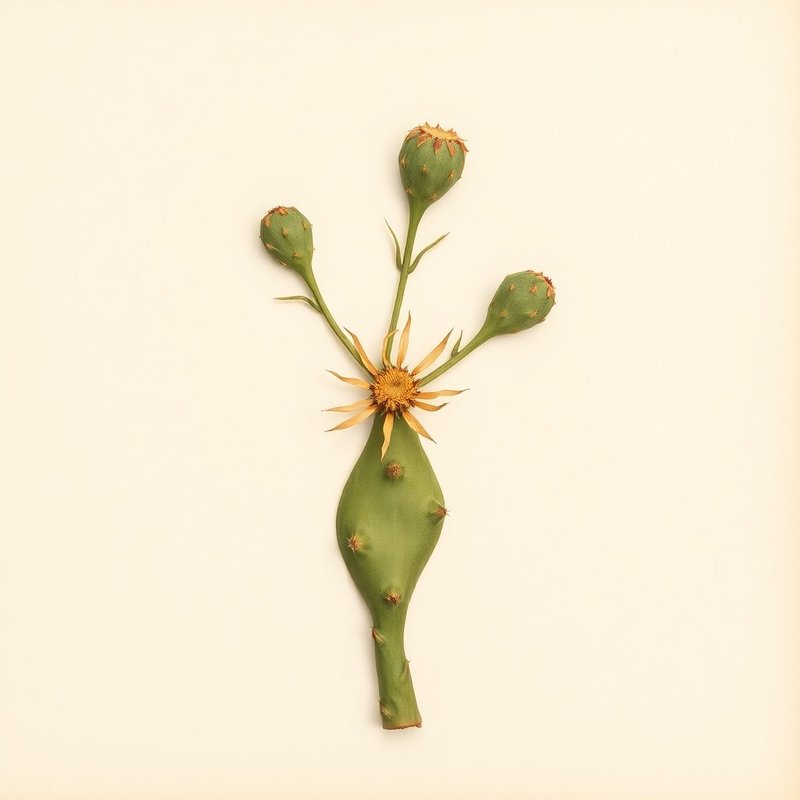
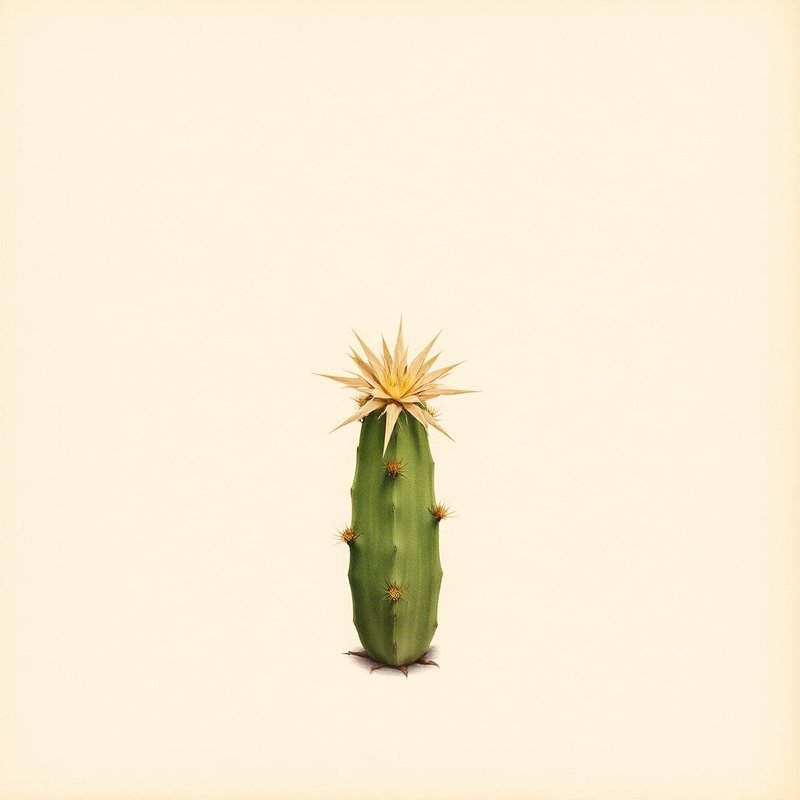
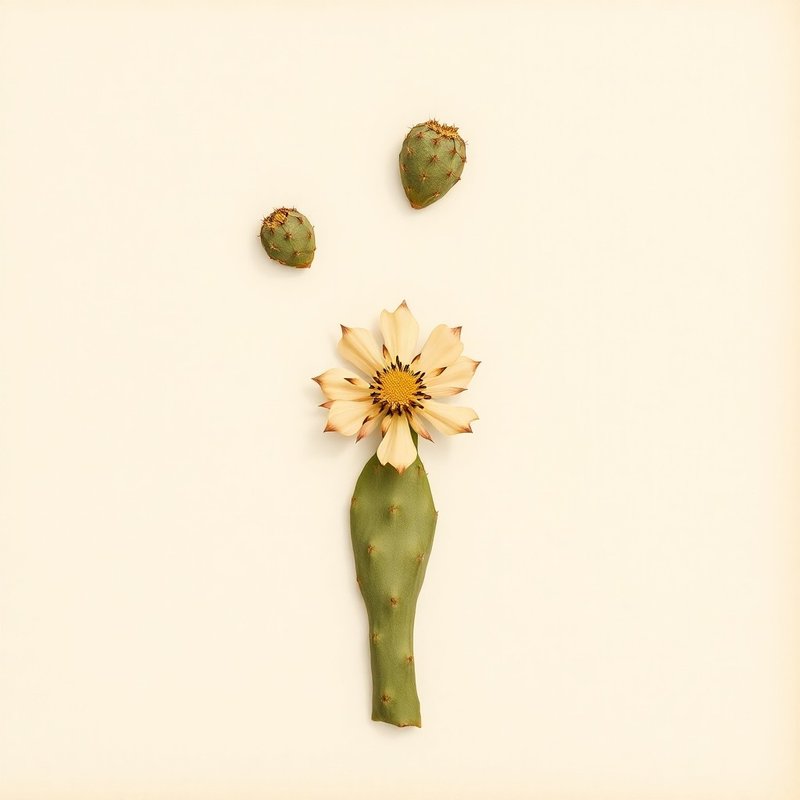
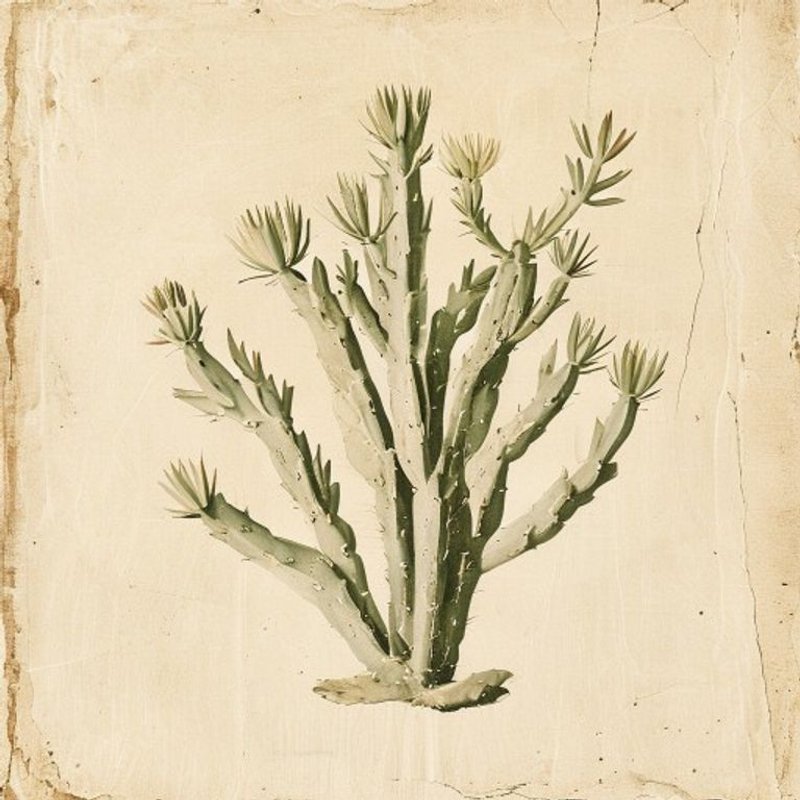
8 relatedPlants you might compare or use together — scored by shared family (Cactaceae), common use cases, and growing requirements.
Explore further
About this entry
- Last updated
- Citation
- How to cite this entry · Submit a correction
Continue reading
Get archive updates
Occasional email when substantial new content lands — plant profiles, seasonal growing notes, folk-remedy additions. Free, no tracking, unsubscribe anytime.