
Pineapple
Ananas comosusfam. Cactaceae
Educational content — not medical, botanical, or professional advice. Plant identification, safety, and edibility depend on local conditions, cultivars, and correct identification. Consult a qualified botanist or forager before consuming or handling wild specimens. How we source & review →
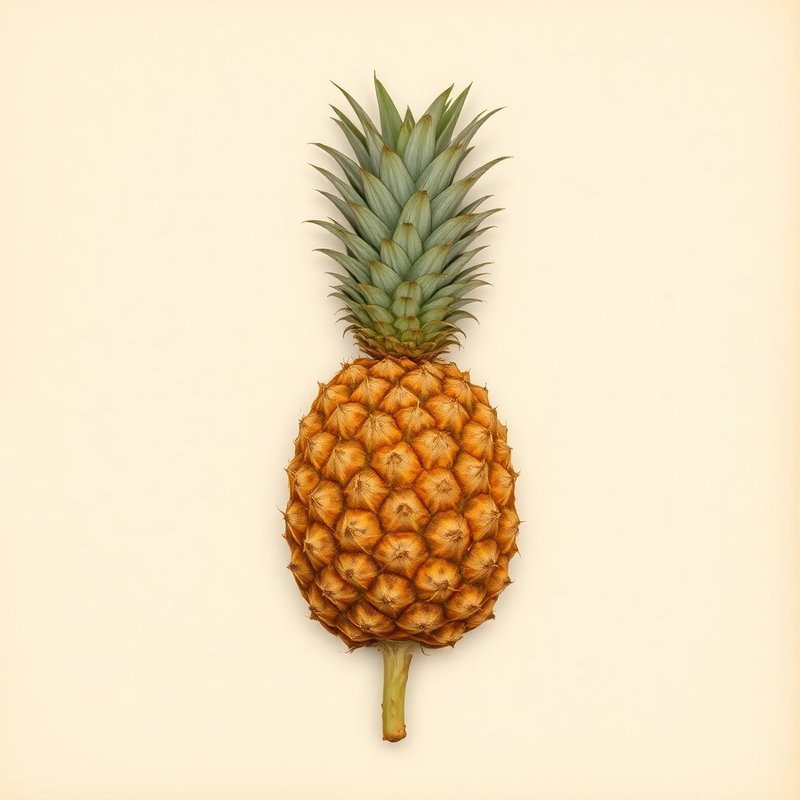
Pl. 0B3C — Ananas comosus
Ananas comosusAnanas comosusAnanas comosusAnanas comosusAnanas comosusAnanas comosusAnanas comosusAnanas comosusAnanas comosusAnanas comosusAnanas comosusAnanas comosusAnanas comosusAnanas comosus
IOverview
Overview
Pineapple (Ananas comosus) is a perennial herb that thrives in full to partial sun and prefers moist, well-draining soil with a pH between 4 and 6. Native to regions of South America including Argentina Northeast, Bolivia, Brazil North, Brazil Northeast, Brazil South, Brazil Southeast, Brazil West-Central, Colombia, Costa Rica, Ecuador, French Guiana, Guyana, Panamá, Paraguay, Peru, Suriname, and Venezuela, this plant is widely cultivated for its edible fruits. Pineapple plants can grow up to 1 meter in height and are propagated through crowns, slips, or suckers. Known for its culinary uses, pineapple is a popular ingredient in many tropical dishes due to its sweet and tangy flavor. One distinctive feature of the pineapple is its spiky, tough outer skin that protects the juicy, yellow flesh within.
Quick answers
What is Pineapple?
Pineapple (Ananas comosus) is a perennial herb that thrives in full to partial sun and prefers moist, well-draining soil with a pH between 4 and 6.
Growingconditions · propagation · uses
VCultivation
Cultivation
Pineapple thrives in full to partial sun and requires moist, well-draining soil that can be light (sandy), medium, or heavy (clay). It is hardy in zones 9-11, making it suitable for tropical climates. For propagation, use crowns, slips, or suckers. The plant grows up to 1 meter tall and produces edible fruits. Ensure the soil pH ranges between 4 and 6 for optimal growth.
Light
Full sun, Partial sun/shade
Water
Moist
Soil
Light (sandy), Medium, Heavy (clay)
Hardiness
9-11
Life cycle
Perennial
Habit
Forb/herb
Mature size
1.0 m tall
Soil pH
4–6
- Propagation
- Crowns, slips, or suckers
- Row spacing
- 30 cm
For first-time growers
How to grow Pineapple for the first time
7steps
Start with a crown from a store-bought pineapple for an easy beginner project.
- 1
What you'll need
A ripe pineapple, a sharp knife, and a pot or garden bed.
- 2
Best time to plant
Plant in spring when temperatures are consistently above 20°C (68°F).
- 3
Soil and container prep
Use well-draining soil with a pH between 4-6. Ensure containers have drainage holes.
- 4
Sowing or transplanting
Cut the crown into sections, leaving one leaf on each. Plant them in moist soil, burying about half of each section.
- 5
First two weeks
Keep the soil consistently moist and place in a sunny spot. Mist daily to keep leaves hydrated.
- 6
Ongoing care
Water when the top inch of soil feels dry, ensuring good drainage. Fertilize every 4-6 months with a balanced fertilizer.
- 7
Harvest or pruning
Prune dead leaves to maintain plant health and harvest ripe fruits by cutting them off at the stem.
VIEdible & utility
Edible & utility
Edible parts:fruits
Edible uses: The pineapple (Ananas comosus) is primarily eaten for its sweet and tangy fruit. The fruit can be consumed raw, sliced in various dishes, or used to make juices and jams. It can also be cooked in pies and stews. Additionally, the leaves are sometimes used to extract essential oils.
Other uses:FiberHedgerowHouseplantGround cover
Contextrange · companions · related
VIIDistribution
17 native · 13 introduced
Distribution
17 native · 13 introducedDistribution across4 continents· 17 native· 13 introduced
Asia2 regions
introduced (2)BangladeshChina
Americas11 regions
native (10)BoliviaColombiaCosta RicaEcuadorFrench GuianaGuyanaParaguayPeruSurinameVenezuela
introduced (1)Dominican Republic
Africa2 regions
introduced (2)ComorosEquatorial Guinea
Oceania1 region
introduced (1)Fiji
Broader regions
native:Brazil Southeast, Panamá, Brazil North, Brazil West-Central, Argentina Northeast, Brazil South, Brazil Northeast
introduced:Easter Is., Cook Is., Congo, Central African Repu, Cayman Is., Bermuda
IXSpecimen gallery
1 image
Specimen gallery
1 imageXSee also
8 related
See also
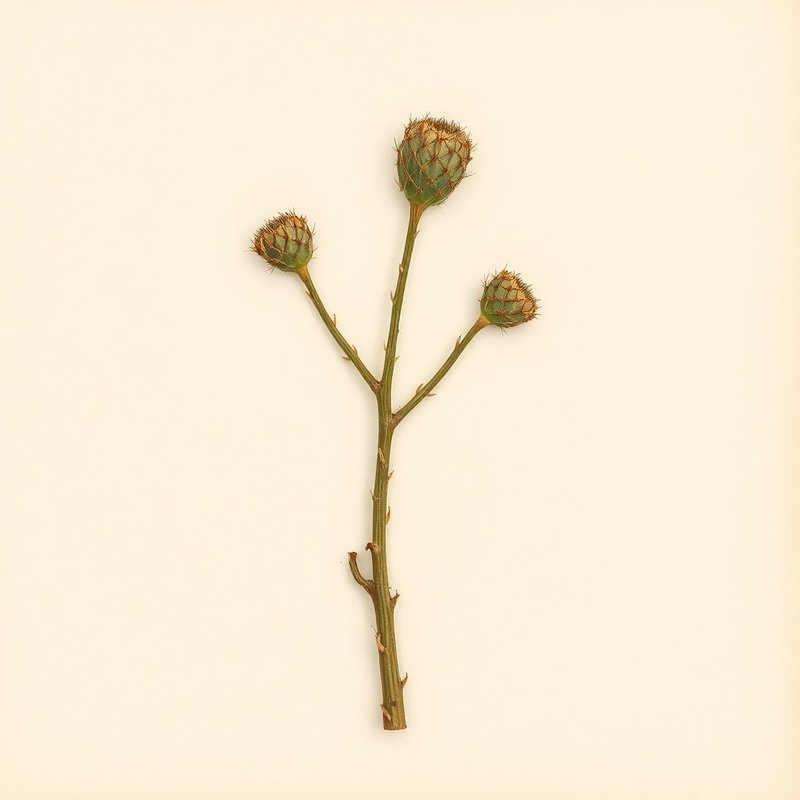
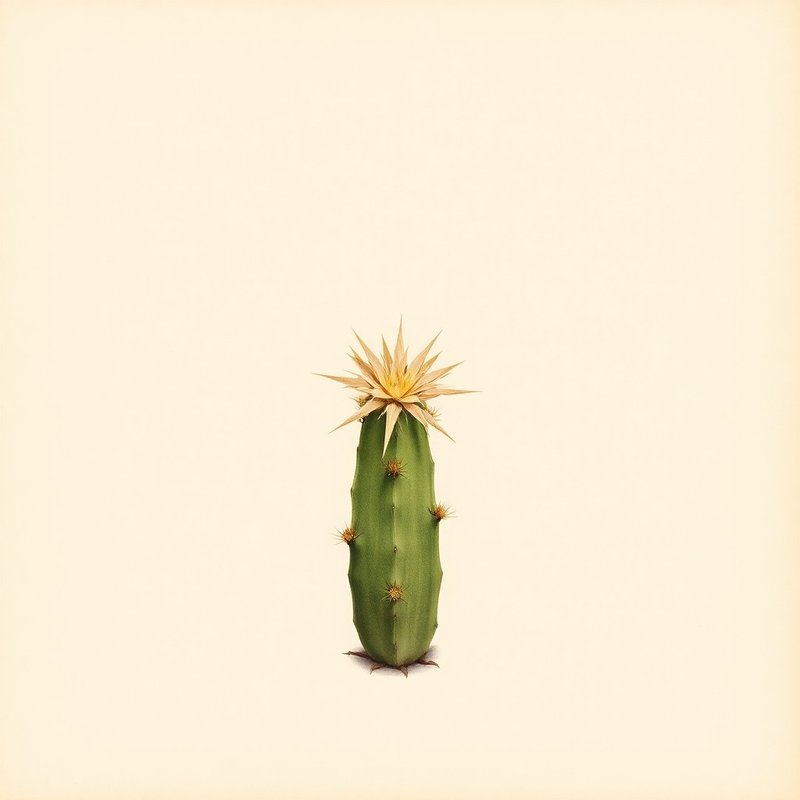
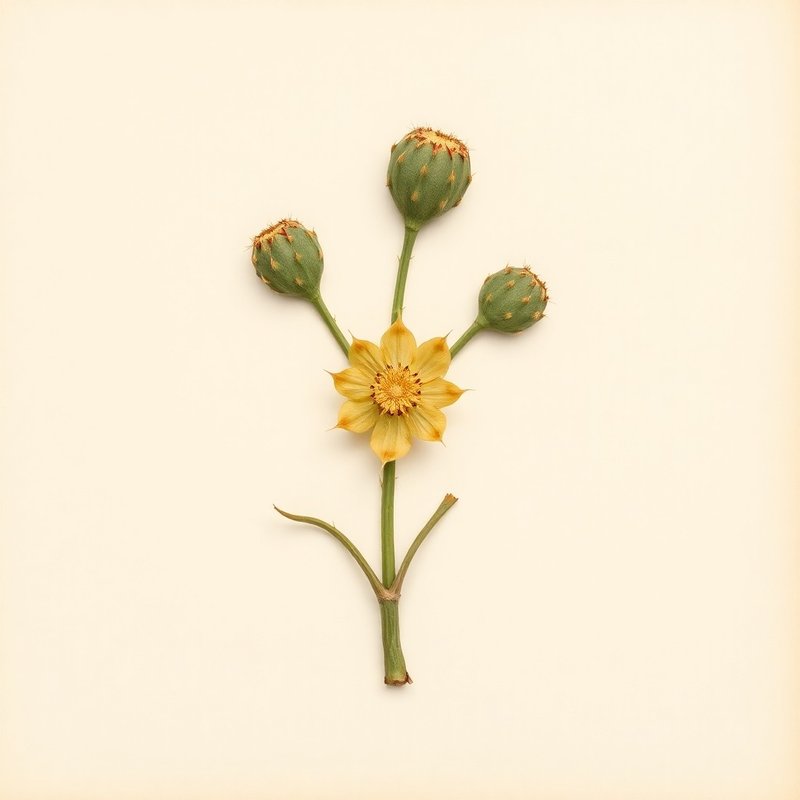
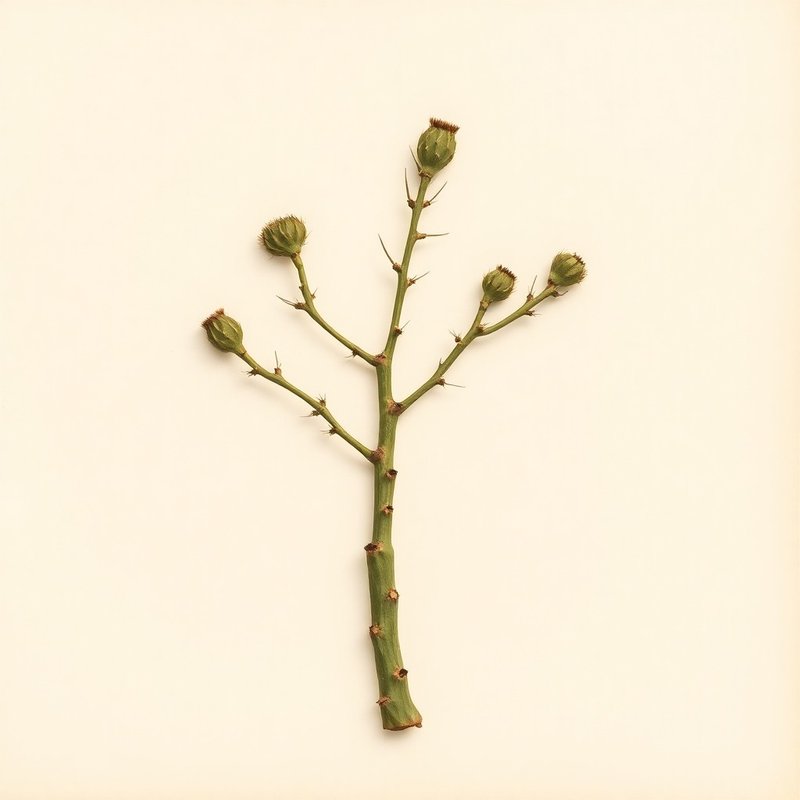
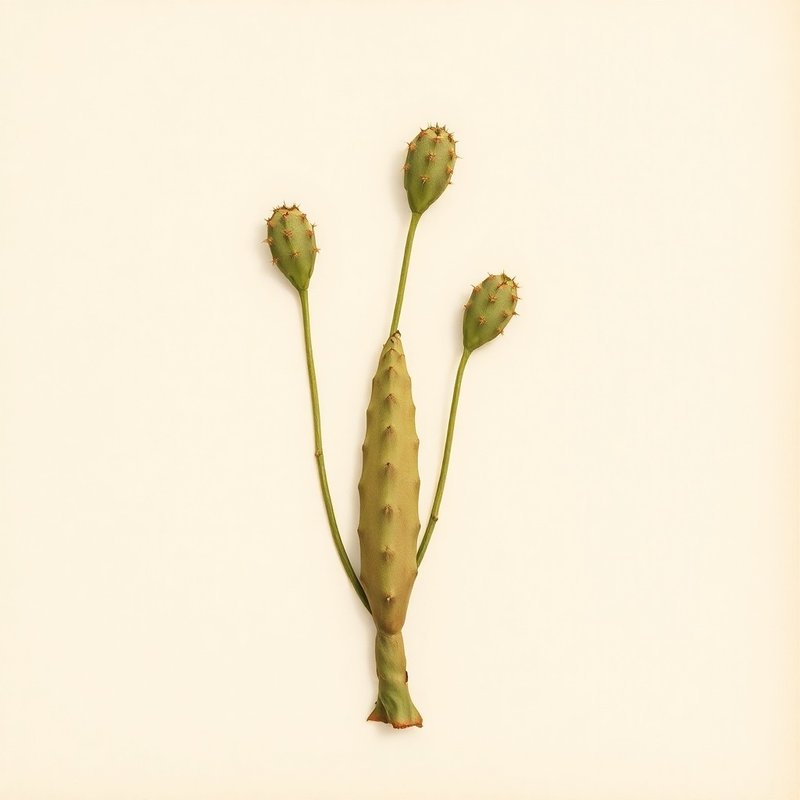
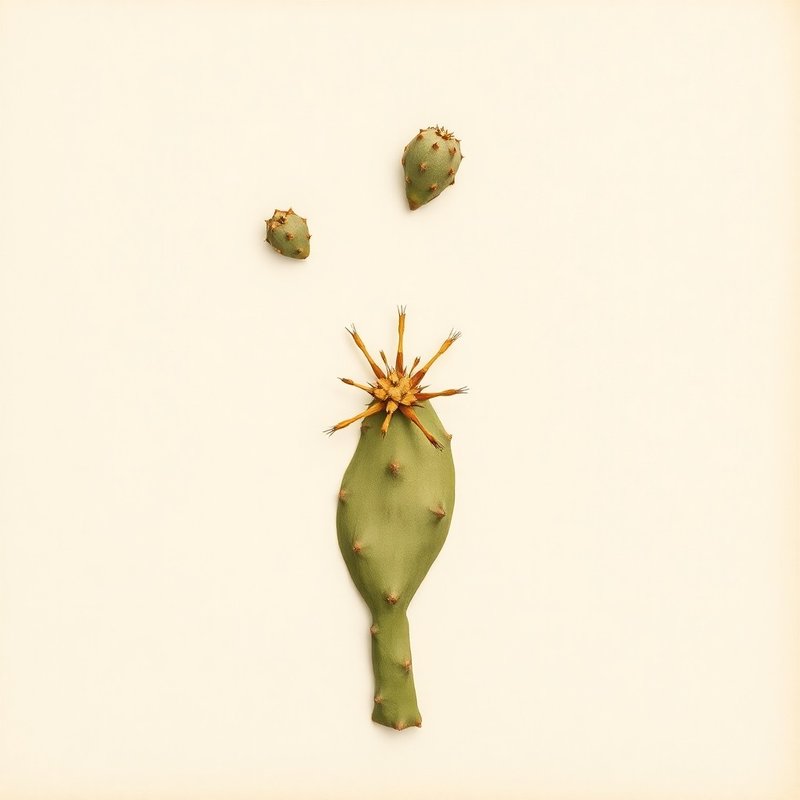
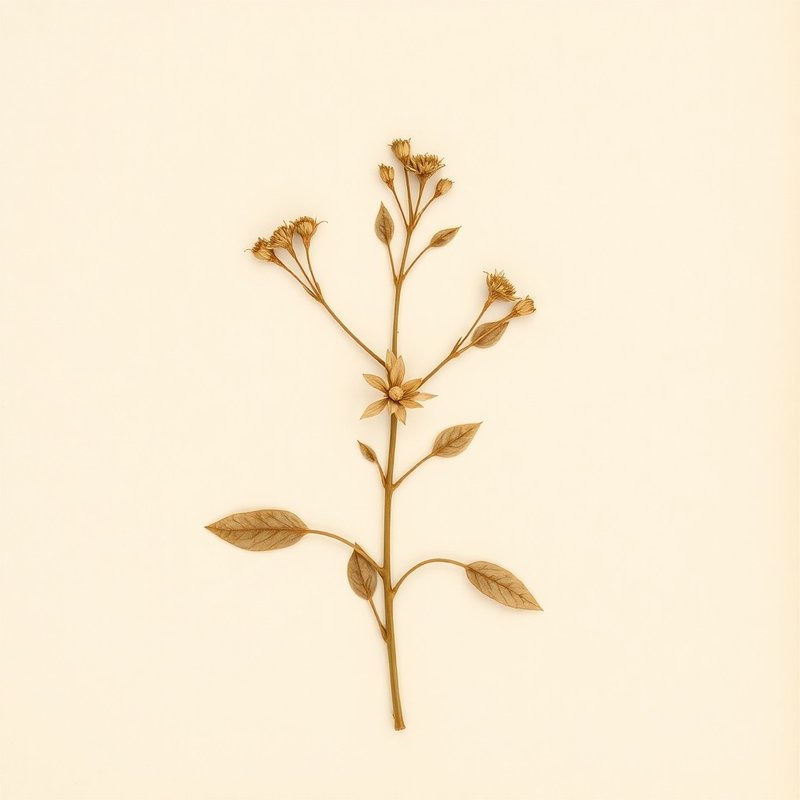
8 relatedPlants you might compare or use together — scored by shared family (Cactaceae), common use cases, and growing requirements.
same family · Cactaceae
Botanical relatives — often share phytochemistry + growing needs.

XI
Explore further
Companion planting
Compare with similar plants
Growing zone
XII
About this entry
- Last updated
- Citation
- How to cite this entry · Submit a correction
Back to the cataloguePlant id · 0b3ce710-b521-4f1b-94c5-ef58a5dcfe2a
Decision aid
Choosing between Pineapple and something else?
Continue reading
❦❦❦❦
Endpaper · archive updates
Get archive updates
Occasional email when substantial new content lands — plant profiles, seasonal growing notes, folk-remedy additions. Free, no tracking, unsubscribe anytime.