
White bamboo
Dendrocalamus membranaceusfam. Poaceae
Educational content — not medical, botanical, or professional advice. Plant identification, safety, and edibility depend on local conditions, cultivars, and correct identification. Consult a qualified botanist or forager before consuming or handling wild specimens. How we source & review →

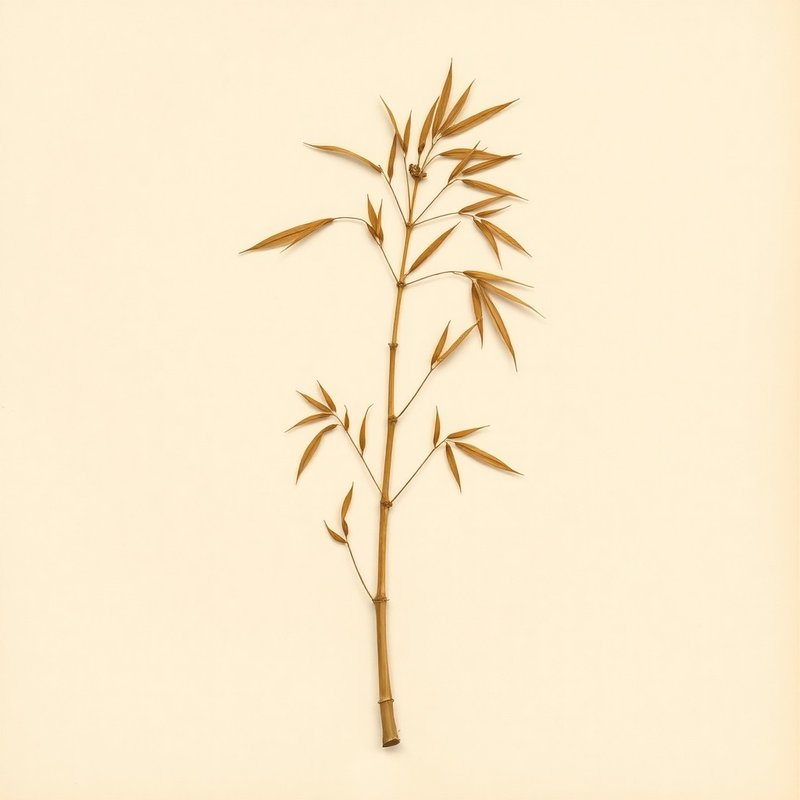
Pl. E040 — Dendrocalamus membranaceus
Dendrocalamus membranaceusDendrocalamus membranaceusDendrocalamus membranaceusDendrocalamus membranaceusDendrocalamus membranaceusDendrocalamus membranaceusDendrocalamus membranaceusDendrocalamus membranaceusDendrocalamus membranaceusDendrocalamus membranaceusDendrocalamus membranaceusDendrocalamus membranaceusDendrocalamus membranaceusDendrocalamus membranaceus
IOverview
Overview
White bamboo, scientifically known as Dendrocalamus membranaceus, is a tall and slender member of the grass family, growing up to 15 meters in height. Native to countries such as Bangladesh, Cambodia, China South-Central, Laos, Myanmar, Thailand, and Vietnam, this plant thrives in various habitats, from dry areas to moist environments. It prefers light or partial sun exposure and can adapt to different soil types, including sandy, medium, and clay soils. Known for its edible shoots, white bamboo is a valuable resource in the regions where it grows, providing sustenance while also serving as an ornamental plant due to its elegant form.
Quick answers
What is White bamboo?
White bamboo, scientifically known as Dendrocalamus membranaceus, is a tall and slender member of the grass family, growing up to 15 meters in height.
Growingconditions · propagation · uses
VCultivation
Cultivation
White bamboo thrives in full to partial sun and prefers moist but well-drained soil that can be light (sandy), medium, or heavy (clay). It is hardy in temperate regions with a cold tolerance of 10-12 on the USDA Hardiness Zone scale. This plant requires regular watering, especially when young, but can tolerate some dry conditions once established. For propagation, divide the rhizomes in spring to ensure healthy growth. Harvest edible shoots for culinary use.
Light
Full sun, Partial sun/shade
Water
Dry, Moist
Soil
Light (sandy), Medium, Heavy (clay)
Hardiness
10-12
Mature size
15.0 m tall
For first-time growers
How to grow White bamboo for the first time
7steps
Start with planting White bamboo in a sunny spot and follow these steps for success.
- 1
What you'll need
A young white bamboo plant, garden gloves, a shovel, and water.
- 2
Best time to plant
Plant in spring or early summer when the weather is warming up.
- 3
Soil and container prep
Choose a location with well-draining soil that can be light (sandy), medium, or heavy (clay).
- 4
Sowing or transplanting
Transplant young bamboo to a prepared hole slightly larger than the root ball.
- 5
First two weeks
Water regularly to keep the soil moist but not waterlogged. Monitor for any signs of stress.
- 6
Ongoing care
Provide full sun or partial shade, and ensure consistent watering, especially during dry periods.
- 7
Harvest or pruning
Prune dead or damaged canes to maintain the plant's health. Harvest young shoots for culinary use if desired.
VIEdible & utility
Edible & utility
Edible parts:Shoots
Edible uses: The shoots of the white bamboo (Dendrocalamus membranaceus) are edible and can be eaten raw or cooked. They are typically prepared by peeling and boiling before consumption. These tender young stems offer a mild, slightly sweet flavor when added to dishes.
Other uses:Weaving materialBiomassFibertextilesErosion controlLumber
Contextrange · companions · related
VIIDistribution
7 native · 2 introduced
Distribution
7 native · 2 introducedDistribution across2 continents· 7 native· 2 introduced
Asia7 regions
native (7)BangladeshCambodiaChinaLaosMyanmarThailandVietnam
Americas1 region
introduced (1)Puerto Rico
Broader regions
introduced:Sumatera
IXSpecimen gallery
1 image
Specimen gallery
1 imageXSee also
8 related
See also
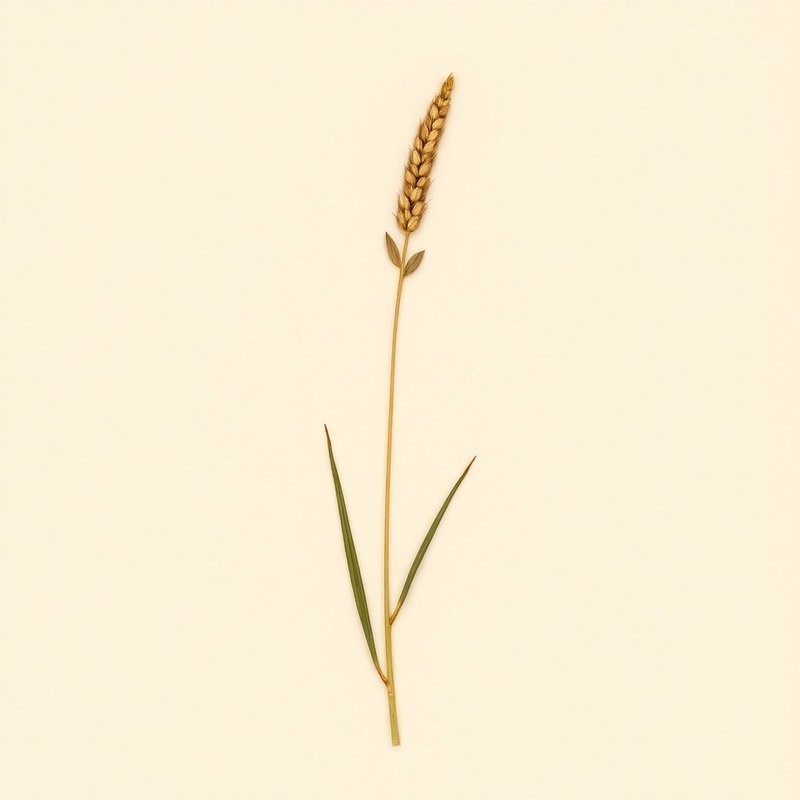
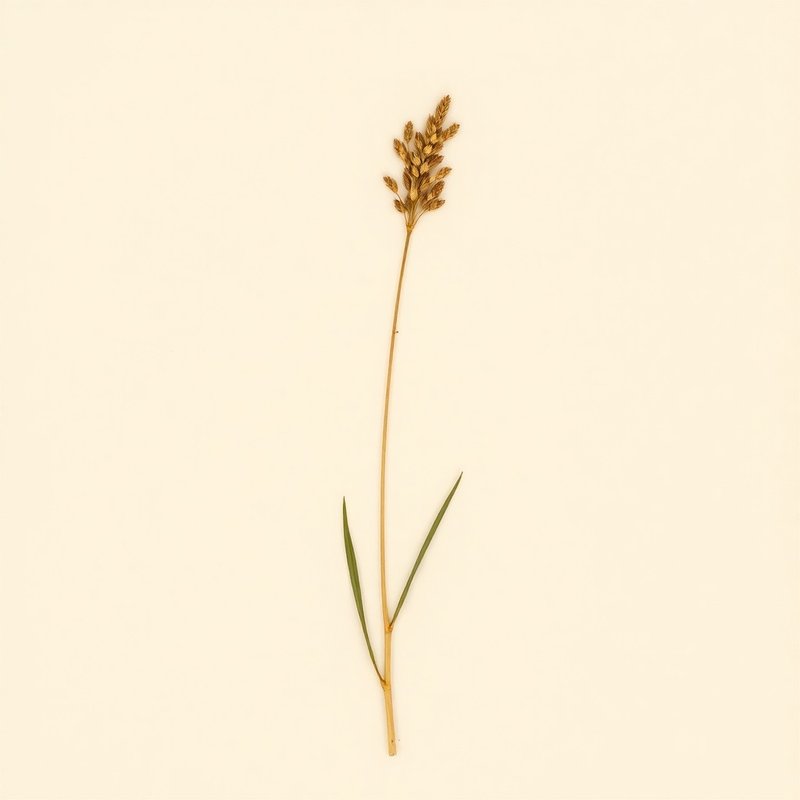
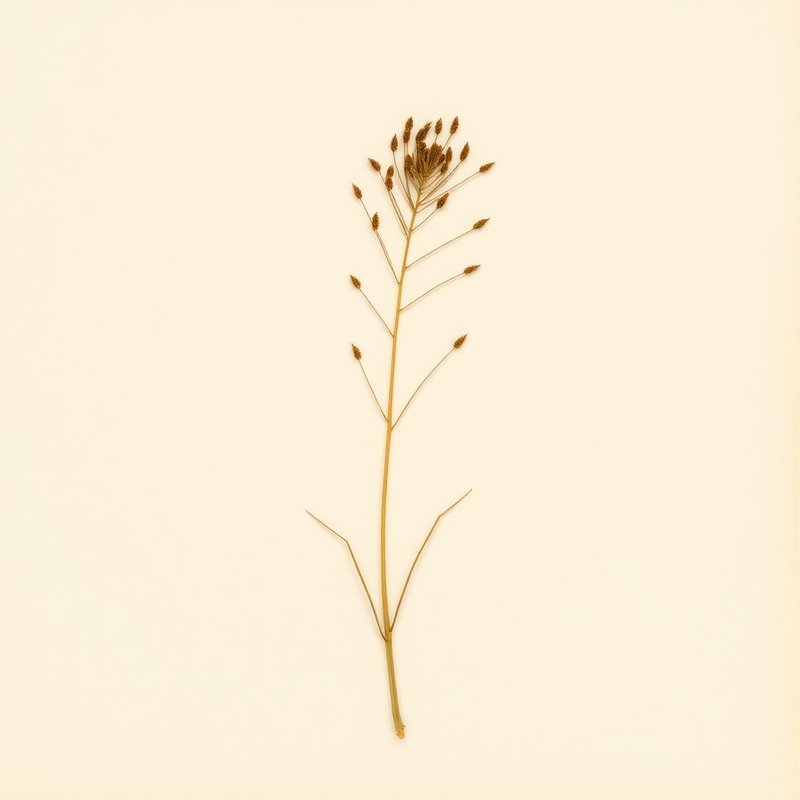
8 relatedPlants you might compare or use together — scored by shared family (Poaceae), common use cases, and growing requirements.
same family · Poaceae
Botanical relatives — often share phytochemistry + growing needs.
XI
Explore further
Companion planting
Compare with similar plants
Growing zone
XII
About this entry
- Last updated
- Citation
- How to cite this entry · Submit a correction
Back to the cataloguePlant id · e0402291-840d-46fe-9779-66843ed9634b
Decision aid
Choosing between White bamboo and something else?
Continue reading
❦❦❦❦
Endpaper · archive updates
Get archive updates
Occasional email when substantial new content lands — plant profiles, seasonal growing notes, folk-remedy additions. Free, no tracking, unsubscribe anytime.