
Marabou Thorn
Dichrostachys cinereafam. Fabaceae
Educational content — not medical, botanical, or professional advice. Plant identification, safety, and edibility depend on local conditions, cultivars, and correct identification. Consult a qualified botanist or forager before consuming or handling wild specimens. How we source & review →
Garden journal pausedUse profile notes below
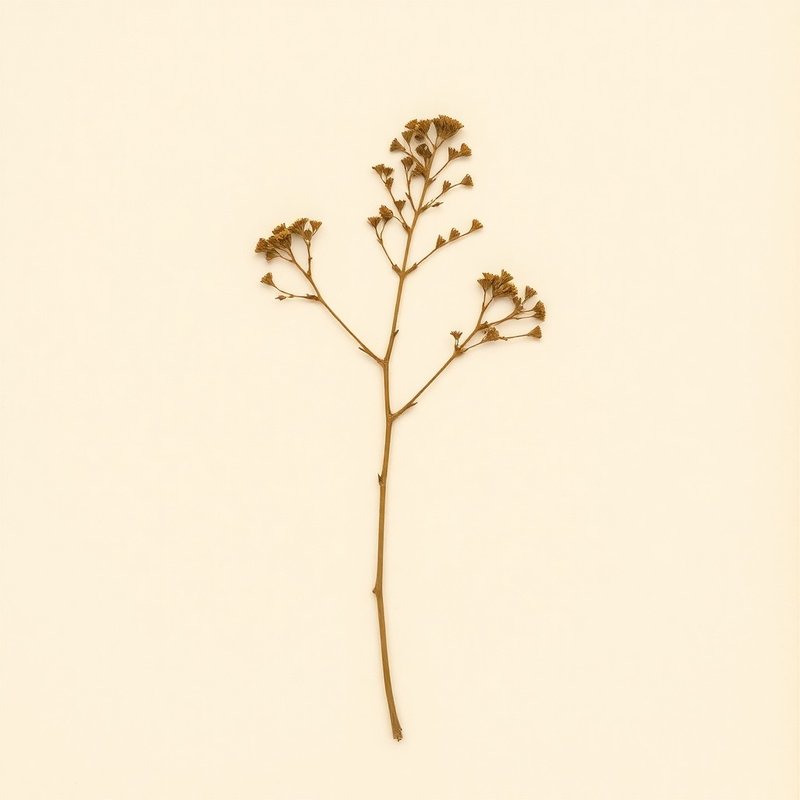
Pl. 6F53 — Dichrostachys cinerea
Dichrostachys cinereaDichrostachys cinereaDichrostachys cinereaDichrostachys cinereaDichrostachys cinereaDichrostachys cinereaDichrostachys cinereaDichrostachys cinereaDichrostachys cinereaDichrostachys cinereaDichrostachys cinereaDichrostachys cinereaDichrostachys cinereaDichrostachys cinerea
IOverview
Overview
Marabou Thorn, scientifically known as Dichrostachys cinerea, is a large shrub or small tree native to Madagascar and parts of Africa, including Angola, Benin, Botswana, Burkina Faso, Burundi, Cameroon, and the Cape Provinces. This plant thrives in environments with full to partial sun and prefers soil that is light (sandy), medium, or heavy (clay). It is hardy in zones 8-12 and can grow up to 8 meters tall. Marabou Thorn is notable for its edible fruit, seed, and seedpod, making it a valuable resource for both wildlife and humans in its native range. In addition to its edible uses, Marabou Thorn has a variety of practical applications. It serves as a weaving material, a biomass source, and is used for fencing, fiber production, and as a fire starter. The plant can also be used as a cover crop, a gum source, in hedgerows, and as a soil conditioner or for soil reclamation and erosion control. Its ability to fix nitrogen in the soil makes it an excellent choice for improving soil health. However, it is important to note that Marabou Thorn has the potential to become a weed in certain areas. Marabou Thorn has been introduced to Botswana, expanding its range and utility. Its adaptability to different climates and its multiple uses make it a valuable plant for cultivation and conservation efforts.
Quick answers
What is Marabou Thorn?
Marabou Thorn, scientifically known as Dichrostachys cinerea, is a large shrub or small tree native to Madagascar and parts of Africa, including Angola, Benin, Botswana, Burkina Faso, Burundi, Cameroon, and the Cape Provinces.
Compare with:African Oil Bean Oil Bean Tree→African Walnut→Allanblackia parviflora→all comparisons →
Growingconditions · propagation · uses
VCultivation
Cultivation
Marabou Thorn thrives in full to partial sun and prefers moist soil that is light (sandy), medium, or heavy (clay). It grows well in hardiness zones 8-12 and can reach a height of 8 meters. For propagation, seeds are the preferred method. Given its native range across various African regions, this plant is adaptable to different climates but generally requires consistent moisture for optimal growth.
Light
Full sun, Partial sun/shade
Water
Moist
Soil
Light (sandy), Medium, Heavy (clay)
Hardiness
8-12
Mature size
8.0 m tall
For first-time growers
How to grow Marabou Thorn for the first time
8steps
Start with a simple, low-maintenance plant that thrives in full sun and well-draining soil.
- 1
What you'll need
A Marabou Thorn sapling or seeds, a pot or garden bed, good quality topsoil.
- 2
Best time to plant
Plant in spring when the last frost has passed and temperatures are warm.
- 3
Soil and container prep
Ensure soil is well-draining. For containers, use a mix of light (sandy), medium, or heavy clay soil.
- 4
Sowing or transplanting
Transplant saplings directly into the garden bed or start seeds indoors 4-6 weeks before planting outside.
- 5
First two weeks
Water regularly to keep the soil moist but not waterlogged. Monitor for pests and diseases.
- 6
Ongoing care
Provide full sun, regular watering, and occasional pruning to maintain shape.
- 7
Harvest or pruning
Prune in late winter to early spring to encourage new growth and remove dead branches.
- 8
Common mistakes
Overwatering, planting in poorly draining soil, neglecting regular pruning.
VIEdible & utility
Edible & utility
Edible parts:FruitSeedSeedpod
Edible uses: Gum
Other uses:Weaving materialBiomassFencingFiberFire starterCover cropGumHedgerowSoil conditionerSoil reclamationErosion controlLumberNitrogen fixer
Contextrange · companions · related
VIIDistribution
55 native · 16 introduced
Distribution
55 native · 16 introducedDistribution across3 continents· 55 native· 16 introduced
Asia9 regions
native (6)IndiaMyanmarOmanSaudi ArabiaSri LankaYemen
introduced (3)BangladeshPakistanThailand
Americas2 regions
introduced (2)CubaJamaica
Africa42 regions
native (37)AngolaBeninBotswanaBurkina FasoBurundiCabo VerdeCameroonChadCôte d'IvoireEritreaEswatiniEthiopiaGabonGambiaGhanaGuineaGuinea-BissauKenyaLiberiaMadagascarMalawiMaliMauritaniaMozambiqueNamibiaNigerNigeriaRwandaSenegalSierra LeoneSomaliaSudanTanzaniaTogoUgandaZambiaZimbabwe
introduced (5)BotswanaComorosEgyptMadagascarMauritius
Broader regions
native:Cape Provinces, Caprivi Strip, Central African Repu, Congo, Free State, Jawa, KwaZulu-Natal, Lesser Sunda Is., Northern Provinces, Northern Territory, Sumatera, Zaïre
introduced:Alabama, Florida, Leeward Is., Queensland, Réunion, Windward Is.
IXSpecimen gallery
1 image
Specimen gallery
1 imageXSee also
8 related
See also
8 relatedPlants you might compare or use together — scored by shared family (Fabaceae), common use cases, and growing requirements.
same family · Fabaceae
Botanical relatives — often share phytochemistry + growing needs.

XI
Explore further
Companion planting
Compare with similar plants
Growing zone
XII
About this entry
- Last updated
- Citation
- How to cite this entry · Submit a correction
Back to the cataloguePlant id · 6f53591a-018b-4cd6-a82c-defa34897bd2
Decision aid
Choosing between Marabou Thorn and something else?
Continue reading
❦❦❦❦
Endpaper · archive updates
Get archive updates
Occasional email when substantial new content lands — plant profiles, seasonal growing notes, folk-remedy additions. Free, no tracking, unsubscribe anytime.
Newsletter returning soon.
We are rebuilding the update list around a lightweight editorial workflow. New dispatches will resume after the next content review cycle.