
Water Yam
Dioscorea alata
Educational content — not medical, botanical, or professional advice. Always consult a qualified clinician before using any herbal preparation — especially during pregnancy, breastfeeding, while on medication, or for children. How we source & review →
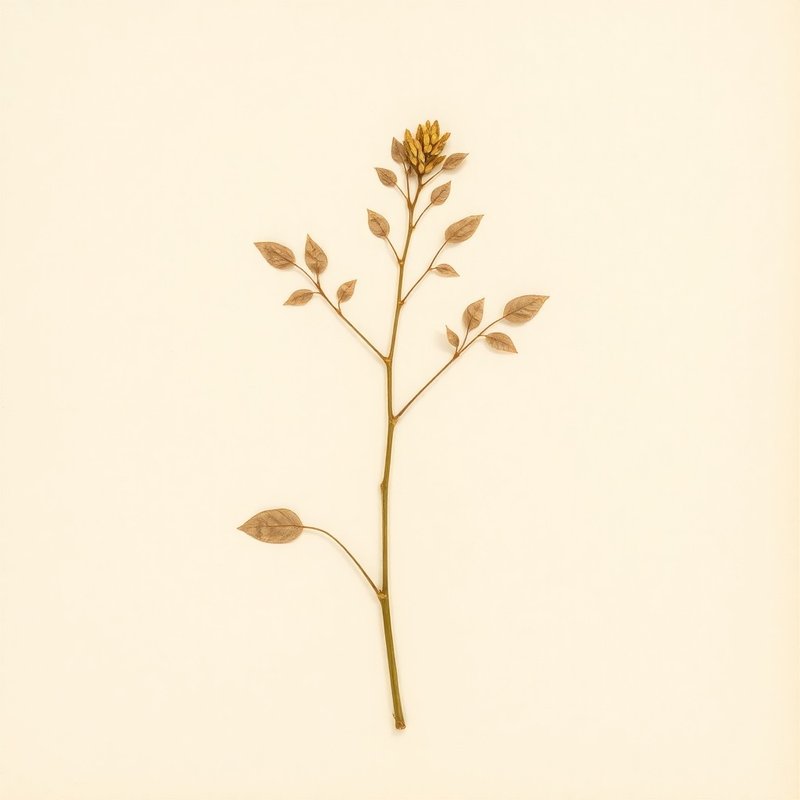
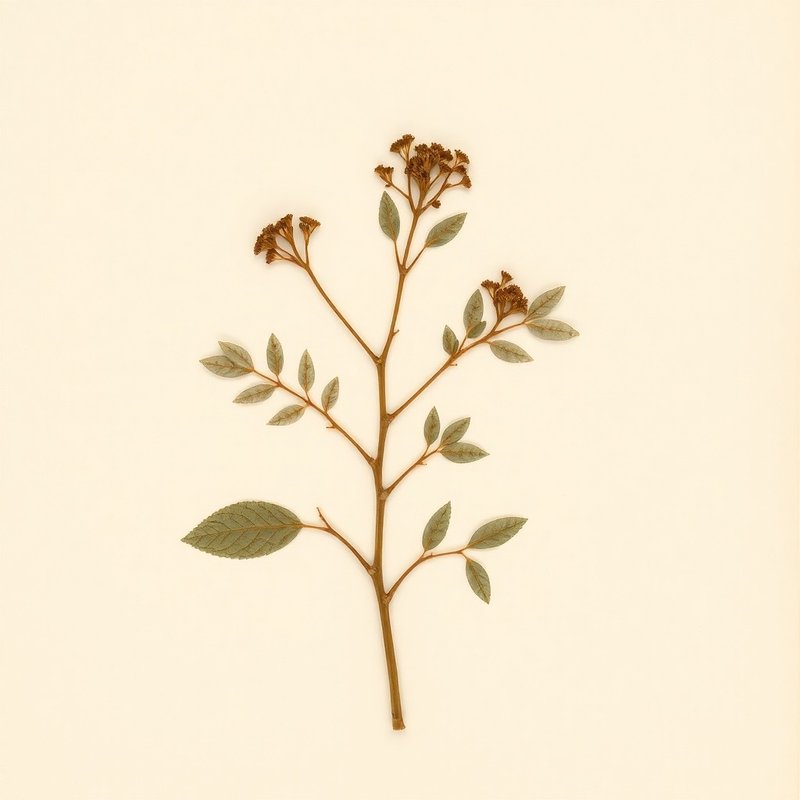
Pl. 94CB — Dioscorea alata
Dioscorea alataDioscorea alataDioscorea alataDioscorea alataDioscorea alataDioscorea alataDioscorea alataDioscorea alataDioscorea alataDioscorea alataDioscorea alataDioscorea alataDioscorea alataDioscorea alata
IOverview
Overview
Water Yam (Dioscorea alata) is a perennial vine and herb native to regions including Assam, Bangladesh, Bismarck Archipelago, Borneo, Cambodia, Christmas Island, East Himalaya, India, among others. This plant thrives in partial sun or shade, prefers moist conditions, and can grow in light (sandy), medium, or heavy (clay) soil types. It is hardy to zones 10-12 and can reach heights of up to 15 meters. Known for its edible roots, it is widely cultivated for food in its native range and beyond. One distinctive feature of the water yam is its ability to grow as a vine, making it an ornamental addition to gardens where space allows.
Quick answers
What is Water Yam?
Water Yam (Dioscorea alata) is a perennial vine and herb native to regions including Assam, Bangladesh, Bismarck Archipelago, Borneo, Cambodia, Christmas Island, East Himalaya, India, among others.
What is Water Yam used for?
Traditionally used for immune support, digestion. Each claim is evidence-rated — see Section II for full citations.
Best for
Top 2 evidence-ranked uses of Water Yam
Clinicaluses · safety · chemistry · dosagemedicinal profile
IIBenefits & evidence
2 claims · 0 sources
Benefits & evidence
2 claims · 0 sources- Water Yam is traditionally used to support immune function, particularly during times of stress or illness. Its root can be prepared as a decoction.
The mechanism by which Water Yam supports the immune system is not fully characterised but may involve compounds that modulate inflammatory responses and enhance immune cell activity.
- Water Yam has been traditionally used in Asian medicine to support digestive health, particularly for alleviating symptoms of indigestion and bloating. Its root is often prepared as a decoction.
The mechanism by which Water Yam supports digestion is not fully characterised but may involve compounds that help regulate gastrointestinal motility and reduce inflammation in the gut.
IV·bMixology suggestions
1 draft
Mixology suggestions
1 draftEditorial drafts. These pairings are AI-suggested from traditional herbal lore. Always verify with a qualified herbalist before brewing.
Water Yam support blend
generaltea
AI returned a direct ingredient list; normalized into one draft blend for editorial review.
Growingconditions · propagation · uses
VCultivation
Cultivation
Water Yam prefers partial sun to shade and thrives in moist conditions with light (sandy), medium, or heavy (clay) soil. It is hardy in zones 10-12 and can grow up to 15 meters as a perennial vine or herb. Ensure the soil remains consistently damp for optimal growth. Propagation can be done through root cuttings.
Light
Partial sun/shade
Water
Moist
Soil
Light (sandy), Medium, Heavy (clay)
Hardiness
10-12
Life cycle
Perennial
Habit
Vine, Forb/herb
Mature size
15.0 m tall
For first-time growers
How to grow Water Yam for the first time
8steps
Start with a simple, light-loving Water Yam in moist soil for a beginner-friendly experience.
- 1
What you'll need
Water Yam tubers or seeds, gardening gloves, spade, watering can.
- 2
Best time to plant
Plant in spring when the risk of frost has passed and temperatures are warm.
- 3
Soil and container prep
Choose a location with partial sun to shade. Ensure soil is well-draining but moist, rich in organic matter.
- 4
Sowing or transplanting
Plant tubers 2-3 inches deep and 18-24 inches apart. Transplant seedlings when they are about 6 inches tall.
- 5
First two weeks
Keep the soil consistently moist but not waterlogged. Monitor for pests and diseases, treating if necessary.
- 6
Ongoing care
Water regularly to keep the soil moist but avoid overwatering. Fertilize with compost every few months.
- 7
Harvest or pruning
Prune vines as needed for shape and size control, and harvest roots after 6-9 months when they are large enough.
- 8
Common mistakes
Overwatering, planting in full sun, neglecting to prune, not fertilizing regularly.
VIEdible & utility
Edible & utility
Edible parts:Root
Edible uses: Colouring
Other uses:DyeAnimal feed
Contextrange · companions · related
VIIDistribution
19 native · 11 introduced
Distribution
19 native · 11 introducedDistribution across2 continents· 19 native· 11 introduced
Asia9 regions
native (8)BangladeshCambodiaIndiaMyanmarNepalPhilippinesThailandVietnam
introduced (1)China
Africa5 regions
introduced (5)Burkina FasoBurundiCameroonChadComoros
Broader regions
native:Bismarck Archipelago, Christmas I., Malaya, Sumatera, Sulawesi, East Himalaya, New Guinea, Borneo, Jawa, Lesser Sunda Is.
introduced:Cook Is., Central African Repu, Caroline Is., Andaman Is.
IXSpecimen gallery
1 image
Specimen gallery
1 imageXSee also
8 related
See also
8 relatedPlants you might compare or use together — scored by shared family, common use cases, and growing requirements.
shared use cases
Different families, similar therapeutic role — good for comparing.



XI
Explore further
Companion planting
Compare with similar plants
Growing zone
XII
About this entry
- Last updated
- Citation
- How to cite this entry · Submit a correction
Back to the cataloguePlant id · 94cb67fc-dee9-40b5-bff6-1523046f2ff9
Decision aid
Choosing between Water Yam and something else?
Continue reading
❦❦❦❦
Endpaper · archive updates
Get archive updates
Occasional email when substantial new content lands — plant profiles, seasonal growing notes, folk-remedy additions. Free, no tracking, unsubscribe anytime.