
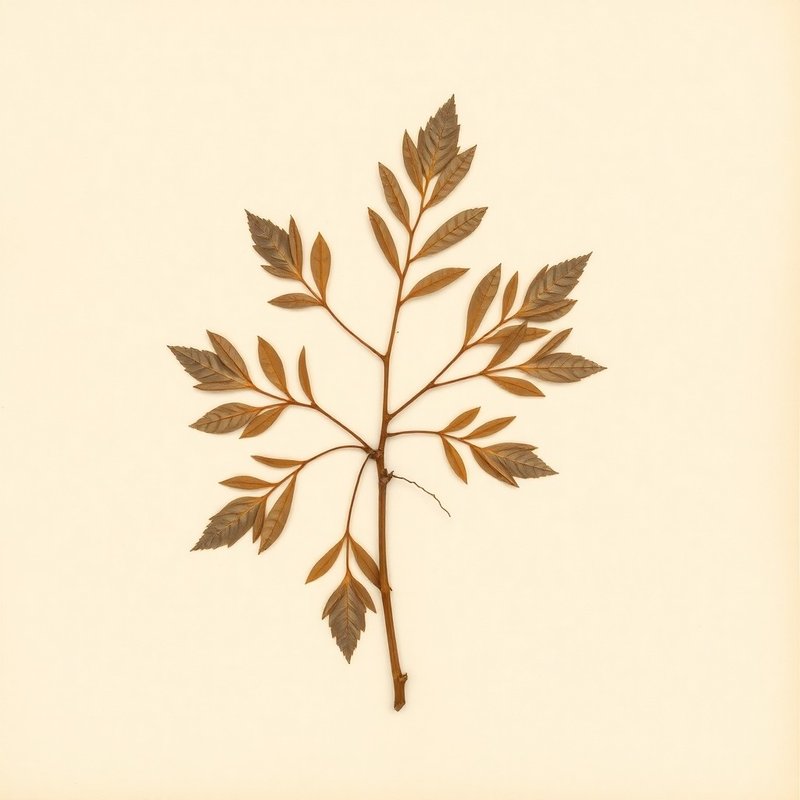
Docynia indica
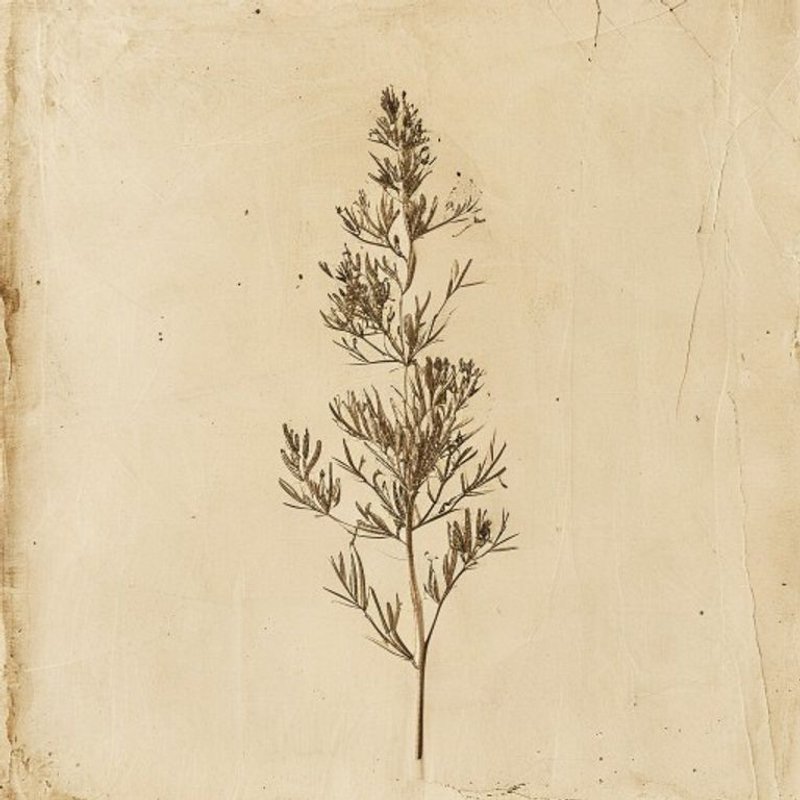
IOverview
Overview
Docynia indica, commonly known as the Indian yellowwood or golden rain tree, is a deciduous tree native to regions including Assam, China South-Central, East Himalaya, Myanmar, Nepal, Thailand, and Vietnam. This tree thrives in full sun with moist soil that can be light (sandy), medium, or heavy (clay). It is hardy in USDA zones 7-10 and can grow up to 4 meters tall. Known for its edible fruit, Docynia indica is both ornamental and useful as a food source. The fruit can be eaten raw or used in various preparations, making it a versatile addition to the diet. One distinctive feature of this tree is the golden-yellow flowers that it produces, which give rise to its alternative name, golden rain tree. The fruit, which can be consumed fresh or dried, adds a unique flavor to dishes and is often enjoyed in its natural state. While primarily valued for its edible fruit, the tree also offers ornamental value with its attractive foliage and flowers. The fruit, while edible, should be consumed with caution, as some parts of the plant may contain compounds that could be harmful if ingested in large quantities.
What is Docynia indica?
Docynia indica, commonly known as the Indian yellowwood or golden rain tree, is a deciduous tree native to regions including Assam, China South-Central, East Himalaya, Myanmar, Nepal, Thailand, and Vietnam. This tree thrives in full sun with moist soil that can be light (sandy), medium, or heavy (clay).
VCultivation
Cultivation
How to grow Docynia indica for the first time
Start with planting Skip in a sunny spot and follow these simple steps for success.
- 1
What you'll need
Skip seeds or seedlings, a trowel, compost, and mulch.
- 2
Best time to plant
Plant Skip during spring when the soil is moist and warm.
- 3
Soil and container prep
Choose a location with well-draining soil that's light (sandy), medium, or heavy. Ensure containers are at least 30 cm deep.
- 4
Sowing or transplanting
Direct sow seeds 2-3 cm deep in rows spaced 60 cm apart. Transplant seedlings when they have two sets of true leaves.
- 5
First two weeks
Water regularly to keep the soil moist but not waterlogged. Provide light shade if temperatures are high.
- 6
Ongoing care
Fertilize with compost every 4-6 weeks and prune any dead or damaged branches as needed.
- 7
Harvest or pruning
Prune the plant in late winter to encourage new growth. Harvest fruits when they are fully ripe.
- 8
Common mistakes
Overwatering, planting too deep, and not providing enough sunlight are common issues beginners face.
VIEdible & utility
Edible & utility
VIIDistribution
7 native · 0 introduced
Distribution
7 native · 0 introducedIXSpecimen gallery
1 image
Specimen gallery
1 imageXSee also
8 related
See also
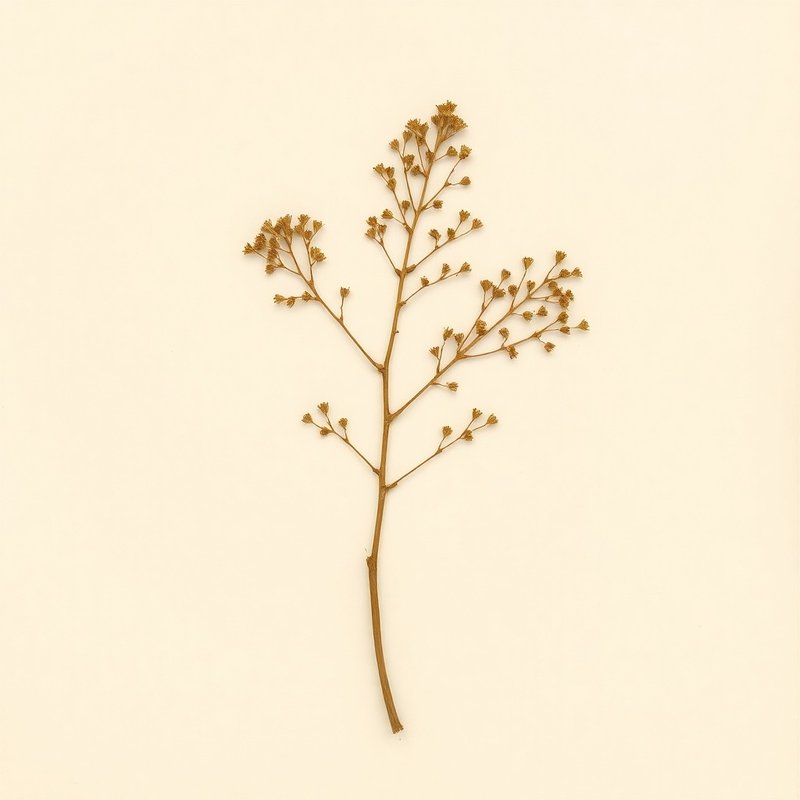
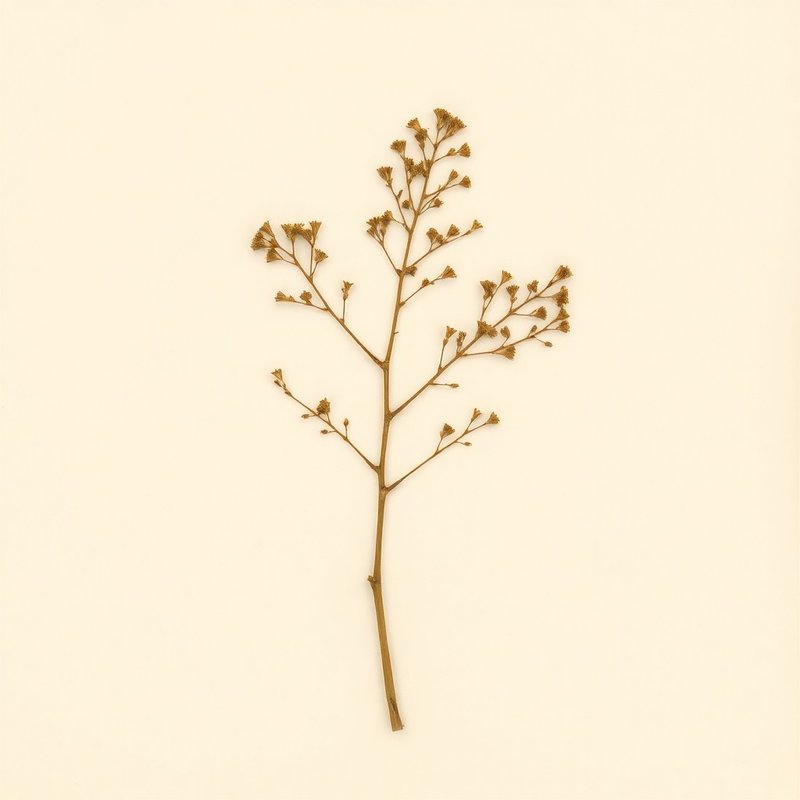
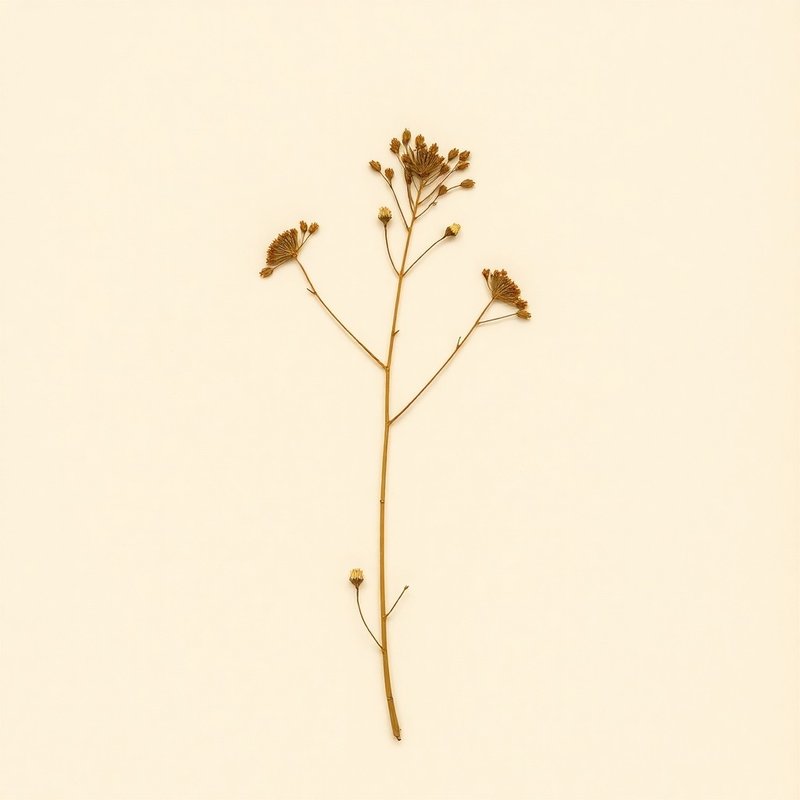
8 relatedPlants you might compare or use together — scored by shared family (Fabaceae), common use cases, and growing requirements.
Explore further
About this entry
- Last updated
- Citation
- How to cite this entry · Submit a correction
Continue reading
Get archive updates
Occasional email when substantial new content lands — plant profiles, seasonal growing notes, folk-remedy additions. Free, no tracking, unsubscribe anytime.