
Han Lian Cao
Eclipta prostratafam. Asteraceae
Educational content — not medical, botanical, or professional advice. Always consult a qualified clinician before using any herbal preparation — especially during pregnancy, breastfeeding, while on medication, or for children. How we source & review →
Garden journal pausedUse profile notes below

Pl. 18CB — Eclipta prostrata
Eclipta prostrataEclipta prostrataEclipta prostrataEclipta prostrataEclipta prostrataEclipta prostrataEclipta prostrataEclipta prostrataEclipta prostrataEclipta prostrataEclipta prostrataEclipta prostrataEclipta prostrataEclipta prostrata
IOverview
Overview
Han Lian Cao (Eclipta prostrata) is an annual forb or herb native to a wide range of regions including Alabama, Argentina, Arizona, Arkansas, and many other areas in North and South America, as well as parts of Central America and the Caribbean. This plant thrives in moist, wet conditions with soil that is light (sandy), medium, or heavy (clay) and prefers a pH between 5 and 5.5. It is commonly found in hardiness zones 10-12 and can grow up to 0.6 meters tall. Han Lian Cao is valued for its edible leaves and shoots, which can be prepared fresh in salads or cooked as a vegetable. The plant thrives in soils with a light energy requirement of 7/10, indicating it prefers sunlight but can tolerate some shade. Han Lian Cao is also used for its dye and essential oil properties, and it has been introduced into various regions such as Afghanistan, Albania, and Angola, among others. While it is suitable for cultivation in gardens, it has weed potential and should be managed accordingly. The plant's versatility makes it a useful addition to gardens and landscapes, especially in moist, well-drained soils. For best results, keep the soil consistently moist but avoid overwatering. Han Lian Cao can be propagated through seeds sown directly in the garden after the danger of frost has passed. Harvest the edible parts such as leaves and shoots throughout the growing season.
Quick answers
What is Han Lian Cao?
Han Lian Cao (Eclipta prostrata) is an annual forb or herb native to a wide range of regions including Alabama, Argentina, Arizona, Arkansas, and many other areas in North and South America, as well as parts of Central America and the Caribbean.
IV·bMixology suggestions
1 draft
Mixology suggestions
1 draftEditorial drafts. These pairings are AI-suggested from traditional herbal lore. Always verify with a qualified herbalist before brewing.
Han Lian Cao support blend
generaltea
AI returned a direct ingredient list; normalized into one draft blend for editorial review.
Growingconditions · propagation · uses
VCultivation
Cultivation
Han Lian Cao thrives in moist to wet soils that are light (sandy), medium, or heavy (clay). It prefers a pH between 5 and 5.5. This annual plant requires full sun to partial shade and grows up to 0.6 meters tall. For best results, keep the soil consistently moist but avoid overwatering. Han Lian Cao is hardy in temperate regions with zones 10-12. Propagate through seeds sown directly in the garden after all danger of frost has passed. Harvest edible parts such as leaves and shoots throughout the growing season.
Light
7/10
Water
Moist, Wet
Soil
Light (sandy), Medium, Heavy (clay)
Hardiness
10-12
Life cycle
Annual
Habit
Forb/herb
Mature size
0.6 m tall
Soil pH
5–5.5
For first-time growers
How to grow Han Lian Cao for the first time
7steps
Start with Han Lian Cao by planting it in a moist, well-draining soil and providing light to medium sunlight.
- 1
What you'll need
Seeds or young plants, a container or garden bed, potting mix suitable for herbs.
- 2
Best time to plant
Plant in spring after the last frost when temperatures are mild.
- 3
Soil and container prep
Use a well-draining soil with a pH of 5-5.5, ensuring it's moist but not waterlogged.
- 4
Sowing or transplanting
Direct sow seeds in the garden or start them indoors 4 weeks before planting outside. Transplant young plants if needed.
- 5
First two weeks
Water regularly to keep soil consistently moist, but avoid overwatering which can lead to root rot.
- 6
Ongoing care
Provide light to medium sunlight and water when the top inch of soil feels dry. Fertilize sparingly with a balanced liquid fertilizer.
- 7
Harvest or pruning
Prune regularly to encourage bushy growth, cutting back stems by one-third at a time.
VIEdible & utility
Edible & utility
Edible parts:LeavesShoots
Edible uses: The leaves and shoots of Han Lian Cao (Eclipta prostrata) are edible. Typically, they are prepared fresh in salads or cooked as a vegetable. The plant thrives in moist, light to medium soil with a pH between 5 and 5.5, making it suitable for various climates.
Other uses:DyeEssential OilHair
Contextrange · companions · related
VIIDistribution
79 native · 141 introduced
Distribution
79 native · 141 introducedDistribution across5 continents· 79 native· 141 introduced
Europe10 regions
introduced (10)AlbaniaBulgariaFranceGreeceItalyPortugalRomaniaRussiaSpainUkraine
Asia27 regions
native (1)Georgia
introduced (26)AfghanistanBangladeshCambodiaChinaIndiaIranIraqJapanKuwaitLaosMaldivesMyanmarNepalOmanPakistanPalestinePhilippinesSaudi ArabiaSouth KoreaSri LankaTaiwanThailandTurkeyUzbekistanVietnamYemen
Americas22 regions
native (21)BahamasBelizeBoliviaColombiaCosta RicaCubaDominican RepublicEcuadorEl SalvadorFrench GuianaGuatemalaGuyanaHaitiHondurasNicaraguaParaguayPeruPuerto RicoSurinameUruguayVenezuela
introduced (1)United States
Africa33 regions
introduced (33)AngolaBeninBotswanaBurkina FasoBurundiCabo VerdeCameroonChadComorosCôte d'IvoireDjiboutiEgyptEritreaEswatiniEthiopiaGabonGuinea-BissauLesothoMadagascarMalawiMaliMauritaniaMauritiusMoroccoMozambiqueNamibiaNigeriaRwandaSenegalSudanTogoZambiaZimbabwe
Oceania3 regions
introduced (3)FijiNew CaledoniaTuvalu
Broader regions
native:Alabama, Argentina Northeast, Argentina Northwest, Arizona, Arkansas, Brazil North, Brazil Northeast, Brazil South, Brazil Southeast, Brazil West-Central, California, Chile Central, Chile North, Chile South, Connecticut, Delaware, District of Columbia, Florida, Illinois, Indiana, Iowa, Kansas, Kentucky, Louisiana, Maryland, Masachusettes, Massachusetts, Mexico Central, Mexico Gulf, Mexico Northeast, Mexico Northwest, Mexico Southeast, Mexico Southwest, Michigan, Minnesota, Mississippi, Missouri, Nebraska, New Jersey, New Mexico, New York, North Carolina, Ohio, Oklahoma, Ontario, Panamá, Pennsylvania, Rhode I., South Carolina, South Dakota, Tennessee, Texas, Trinidad-Tobago, Vermont, Virginia, West Virginia, Wisconsin
introduced:Andaman Is., Aruba, Borneo, Cape Provinces, Caprivi Strip, Caroline Is., Cayman Is., Central African Repu, Chagos Archipelago, Christmas I., Congo, Cook Is., Czechoslovakia, East Aegean Is., East Himalaya, Free State, Galápagos, Gulf of Guinea Is., Gulf States, Hainan, Jawa, KwaZulu-Natal, Laccadive Is., Lebanon-Syria, Leeward Is., Malaya, Marianas, Marquesas, Marshall Is., Nansei-shoto, Netherlands Antilles, New South Wales, Nicobar Is., Niue, Northern Provinces, Northern Territory, Primorye, Queensland, Réunion, Rodrigues, Sinai, Society Is., Socotra, South Australia, South China Sea, Sumatera, Tasmania, Transcaucasus, Tuamotu, Tubuai Is., Venezuelan Antilles, Victoria, West Himalaya, Western Australia, Windward Is., Zaïre
IXSpecimen gallery
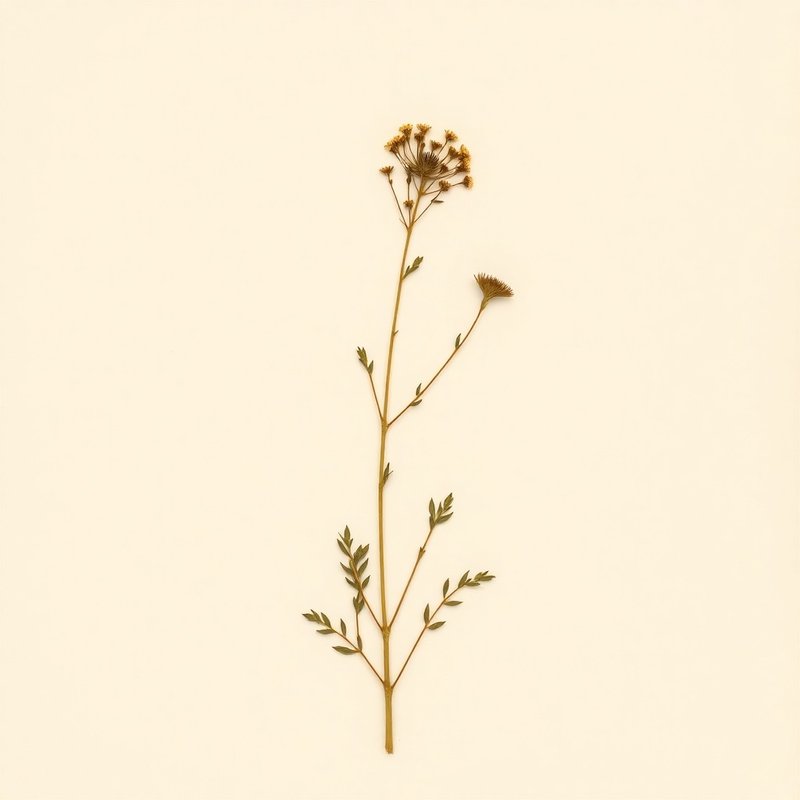
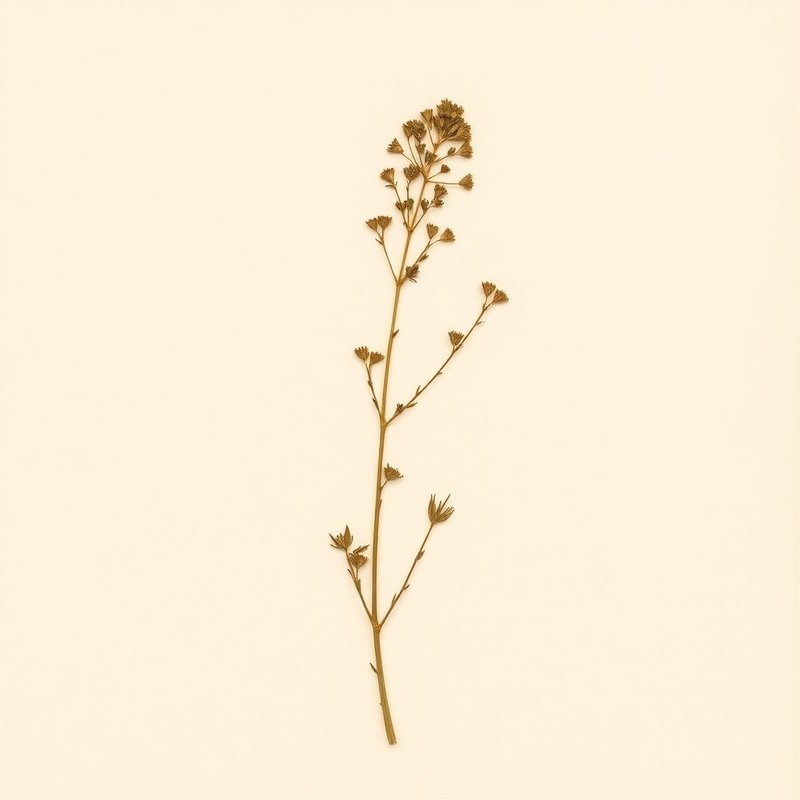
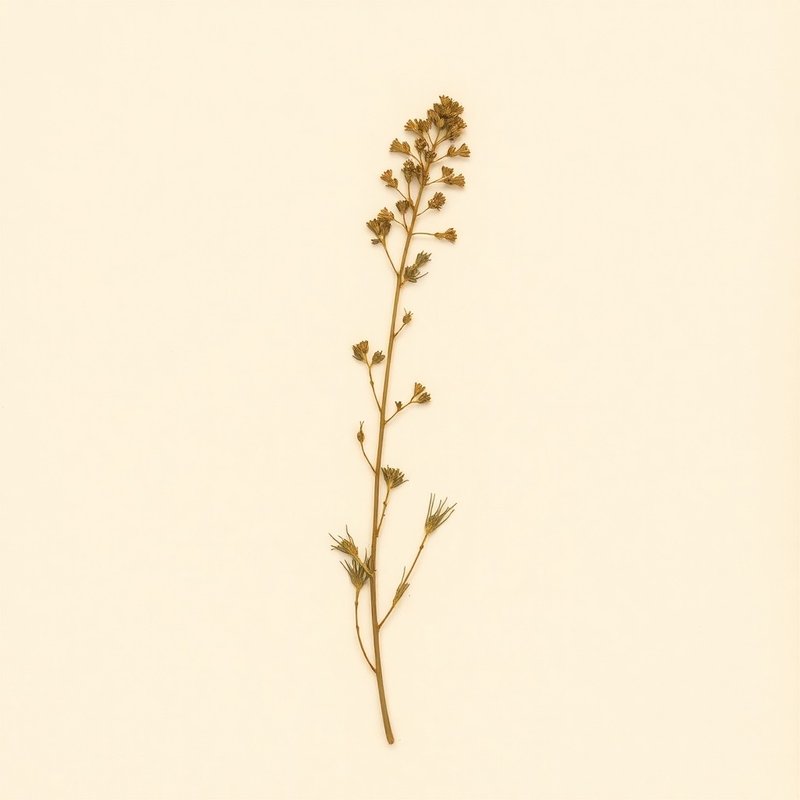
1 image
Specimen gallery
1 imageXSee also
8 related
See also
8 relatedPlants you might compare or use together — scored by shared family (Asteraceae), common use cases, and growing requirements.
same family · Asteraceae
Botanical relatives — often share phytochemistry + growing needs.



XI
Explore further
Companion planting
Compare with similar plants
Growing zone
XII
About this entry
- Last updated
- Citation
- How to cite this entry · Submit a correction
Back to the cataloguePlant id · 18cbb7bd-44a7-4714-8f44-87db5f1a3c5e
Decision aid
Choosing between Han Lian Cao and something else?
Continue reading
❦❦❦❦
Endpaper · archive updates
Get archive updates
Occasional email when substantial new content lands — plant profiles, seasonal growing notes, folk-remedy additions. Free, no tracking, unsubscribe anytime.
Newsletter returning soon.
We are rebuilding the update list around a lightweight editorial workflow. New dispatches will resume after the next content review cycle.