
Common Mugwort
Artemisia vulgarisfam. Asteraceae
Educational content — not medical, botanical, or professional advice. Always consult a qualified clinician before using any herbal preparation — especially during pregnancy, breastfeeding, while on medication, or for children. How we source & review →
Pl. 1D13 — Artemisia vulgaris
Artemisia vulgarisArtemisia vulgarisArtemisia vulgarisArtemisia vulgarisArtemisia vulgarisArtemisia vulgarisArtemisia vulgarisArtemisia vulgarisArtemisia vulgarisArtemisia vulgarisArtemisia vulgarisArtemisia vulgarisArtemisia vulgarisArtemisia vulgaris
IOverview
Overview
Common Mugwort (Artemisia vulgaris) is a perennial herb native to regions spanning from Europe and Asia to North Africa and parts of the Middle East. This plant thrives in various habitats and can be found growing wild across a wide range including Afghanistan, Albania, Algeria, and many other countries listed above. Common Mugwort is known for its edible leaves and shoots, which are often used in cooking. It prefers well-drained soils with a pH between 6.5 and 7, thriving in light (sandy), medium, or heavy (clay) soil types. One distinctive feature of this plant is its ability to grow up to 1-2 meters tall, making it a noticeable presence in gardens or natural landscapes. Its light requirements are moderate, with a hardiness rating between zones 3 and 9, allowing it to survive in diverse climates.
Quick answers
What is Common Mugwort?
Common Mugwort (Artemisia vulgaris) is a perennial herb native to regions spanning from Europe and Asia to North Africa and parts of the Middle East. This plant thrives in various habitats and can be found growing wild across a wide range including Afghanistan, Albania, Algeria, and many other countries listed above.
IV·bMixology suggestions
1 draft
Mixology suggestions
1 draftEditorial drafts. These pairings are AI-suggested from traditional herbal lore. Always verify with a qualified herbalist before brewing.
Digestive Harmony
digestiontea
Historically used for digestive issues.
Growingconditions · propagation · uses
VCultivation
Cultivation
Common Mugwort thrives in light to medium soils and prefers a pH of 6.5-7. It is drought-tolerant but also grows well in moist conditions. The plant can handle both sandy and clay soils, making it adaptable to various garden settings. Hardy from zones 3-9, Common Mugwort is a perennial that reaches heights of 1-2 meters. For best results, grow its edible parts—leaves and shoots—in full sun or partial shade. Ensure the soil remains consistently moist but not waterlogged for optimal growth.
Light
7/10
Water
Dry, Moist
Soil
Light (sandy), Medium, Heavy (clay)
Hardiness
3-9
Life cycle
Perennial
Habit
Forb/herb, Subshrub
Mature size
1-2m m tall
Soil pH
6.5–7
For first-time growers
How to grow Common Mugwort for the first time
8steps
Start with planting Common Mugwort in a sunny spot, and it will thrive with minimal effort.
- 1
What you'll need
Seeds or small plants, a trowel, and a watering can.
- 2
Best time to plant
Plant in spring after the last frost or in early fall.
- 3
Soil and container prep
Ensure soil is well-draining with a pH of 6.5–7; prepare containers at least 30 cm deep.
- 4
Sowing or transplanting
Direct sow seeds 1-2 cm deep, or plant small plants 30-45 cm apart.
- 5
First two weeks
Water regularly to keep the soil moist but not waterlogged; mulch helps retain moisture.
- 6
Ongoing care
Water when dry and apply a light layer of compost in spring. Prune back after flowering.
- 7
Harvest or pruning
Prune regularly to encourage bushy growth, cutting back by one-third in late summer.
- 8
Common mistakes
Overwatering, not providing enough sunlight, and using the wrong soil type are common issues.
VIEdible & utility
Edible & utility
Edible parts:LeavesShoots
Edible uses: Colouring, Condiment
Other uses:Pest controlFire starterDynamic accumulator
Contextrange · companions · related
VIIDistribution
30 native · 0 introduced
Distribution
30 native · 0 introducedDistribution across3 continents· 30 native
Europe13 regions
native (13)AlbaniaAustriaBelarusBelgiumBulgariaDenmarkFinlandFranceGermanyGreeceHungaryItalyRussia
Asia4 regions
native (4)ChinaIndiaIranIraq
Africa1 region
native (1)Algeria
Broader regions
native:Altay, Amur, Baltic States, Buryatiya, Chita, Czechoslovakia, East Aegean Is., Irkutsk
VIIIGarden companions
1 pair
Garden companions
1 pairPlant near these
These plants help — by repelling pests, fixing nitrogen, attracting pollinators, or sharing space well.
XSee also
8 related
See also
8 relatedPlants you might compare or use together — scored by shared family (Asteraceae), common use cases, and growing requirements.
same family · Asteraceae
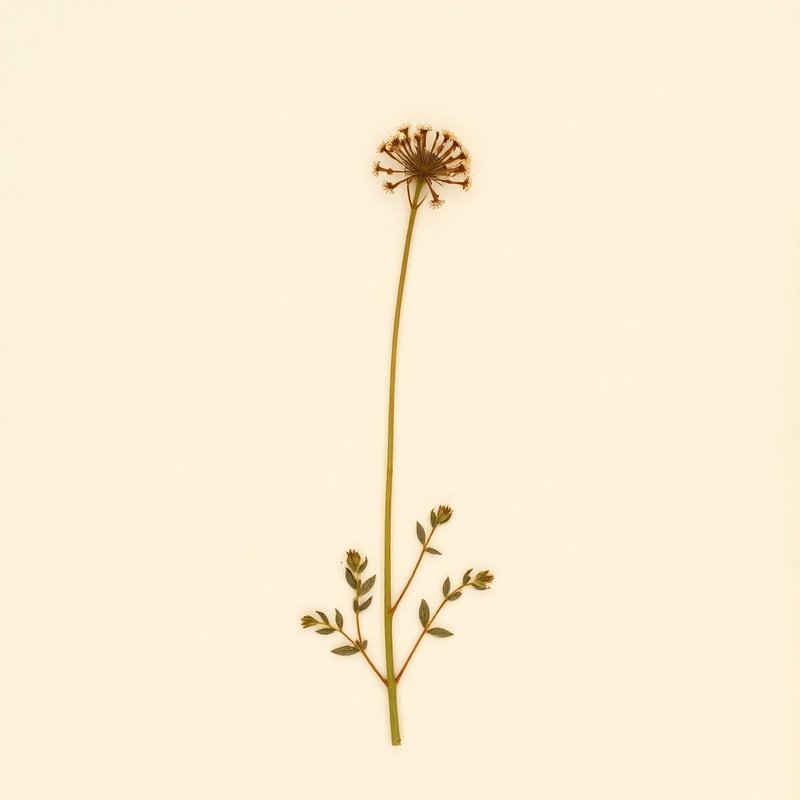
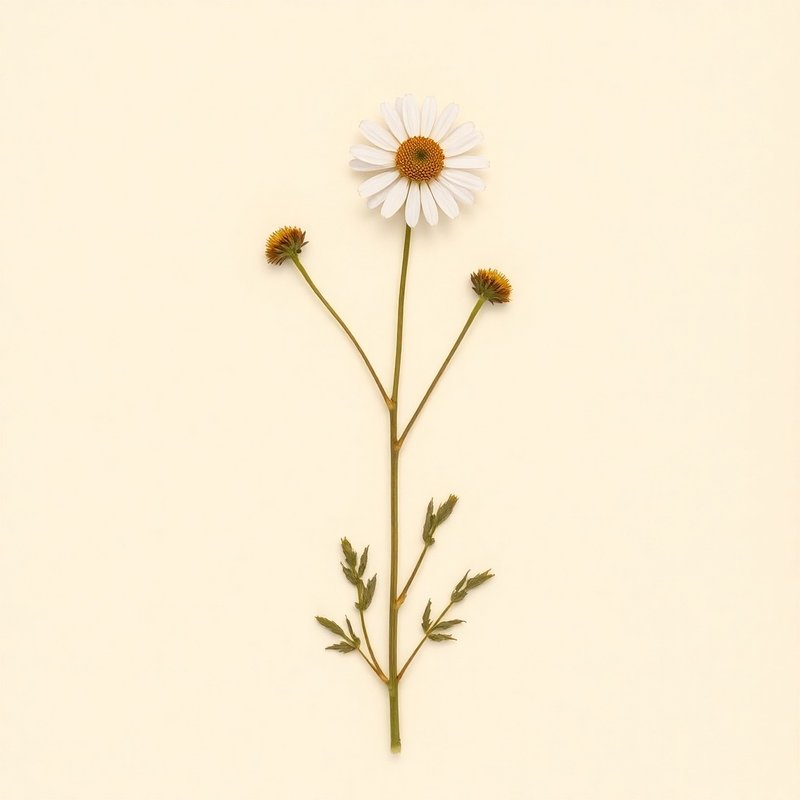
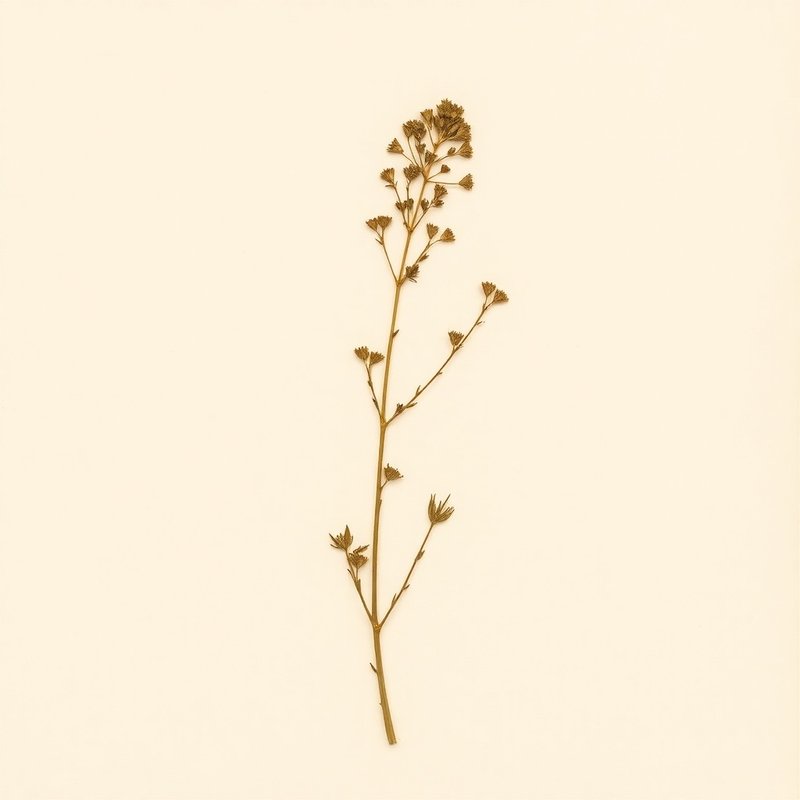
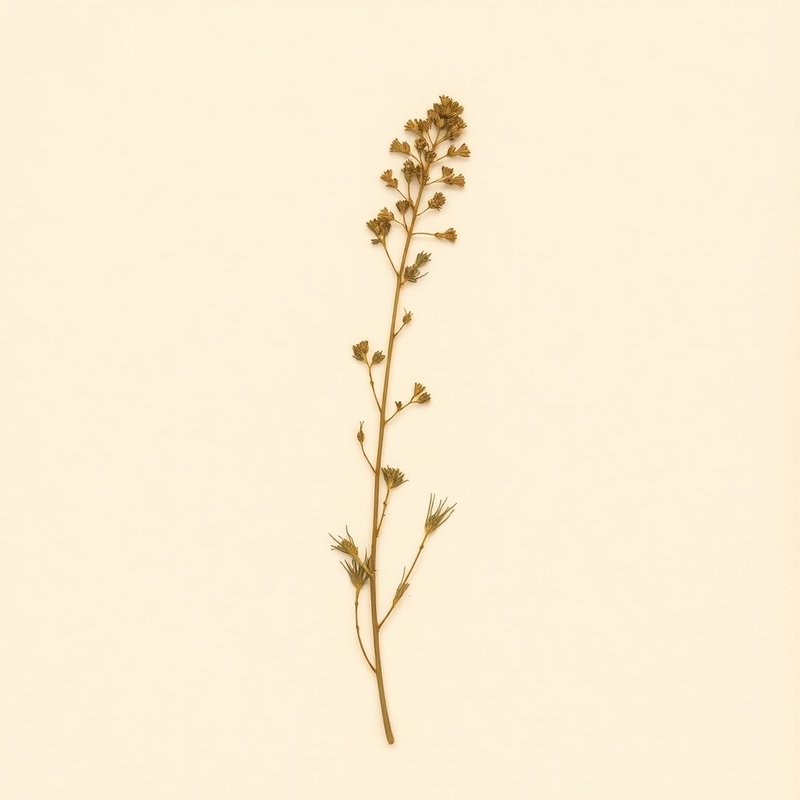
Botanical relatives — often share phytochemistry + growing needs.
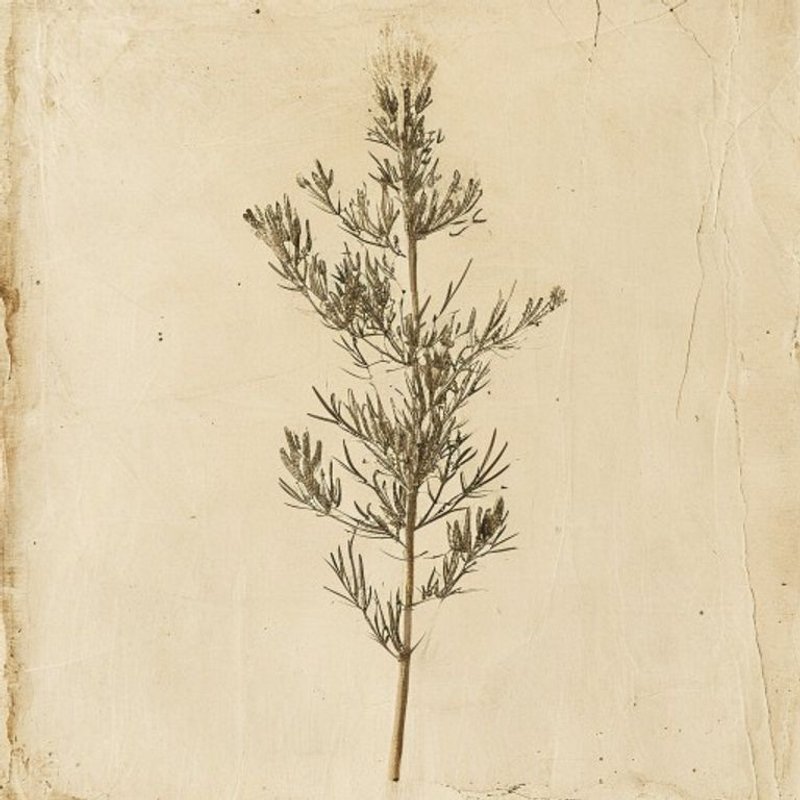
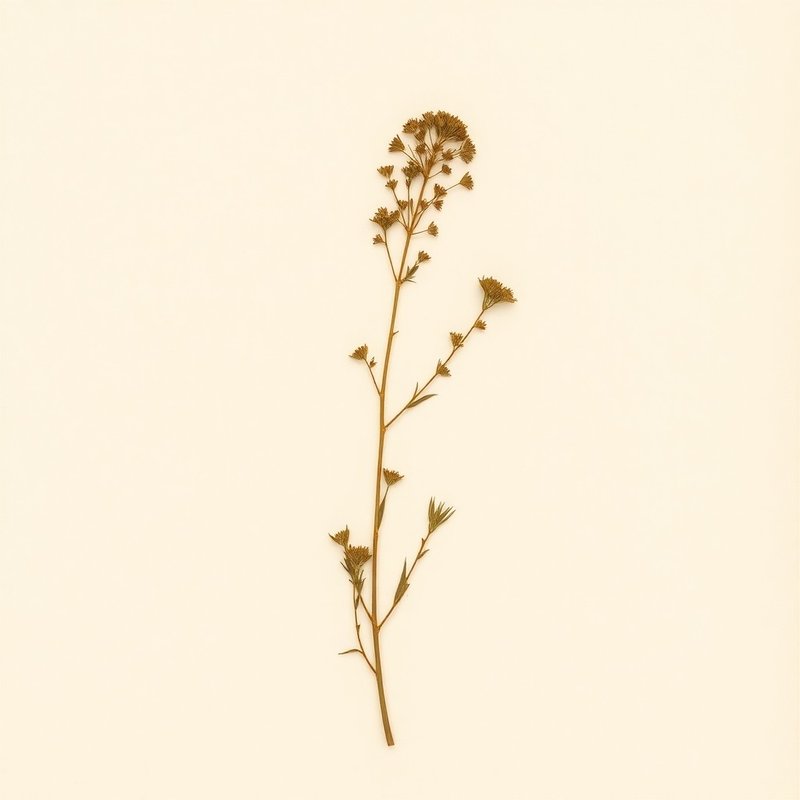
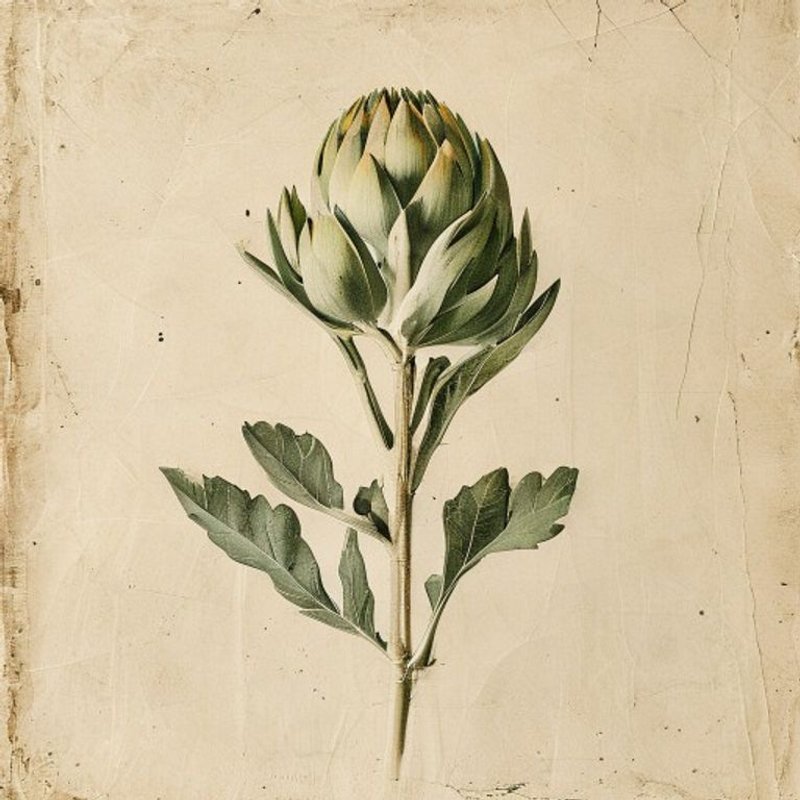
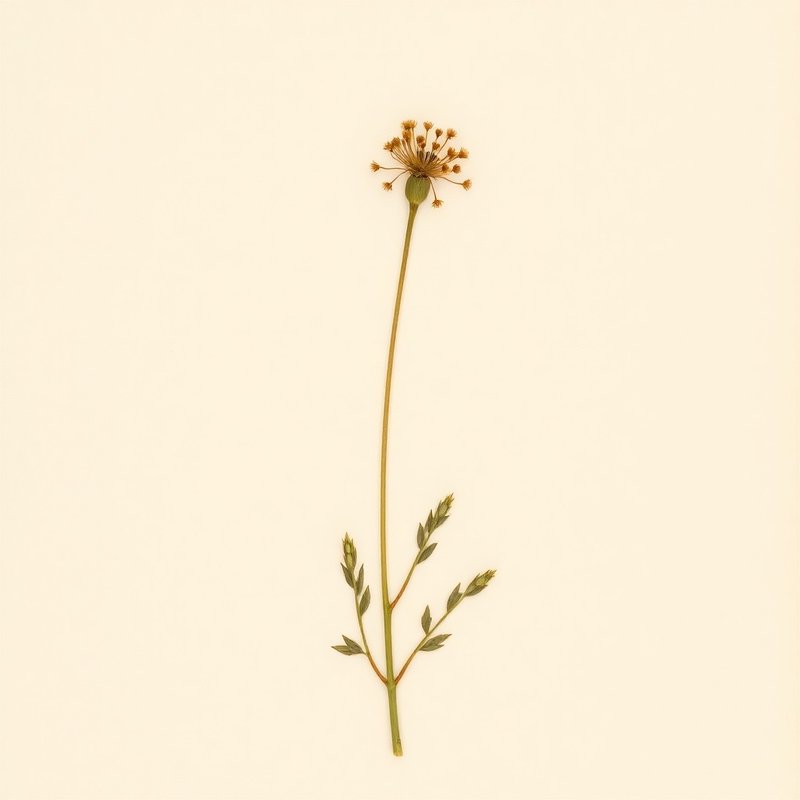
XI
Explore further
Companion planting
Compare with similar plants
Growing zone
XII
About this entry
- Last updated
- Citation
- How to cite this entry · Submit a correction
Back to the cataloguePlant id · 1d133662-0ab2-45f3-a536-9ed3c6ebe3d7
Decision aid
Choosing between Common Mugwort and something else?
Continue reading
❦❦❦❦
Endpaper · archive updates
Get archive updates
Occasional email when substantial new content lands — plant profiles, seasonal growing notes, folk-remedy additions. Free, no tracking, unsubscribe anytime.