
Elaeis oleifera
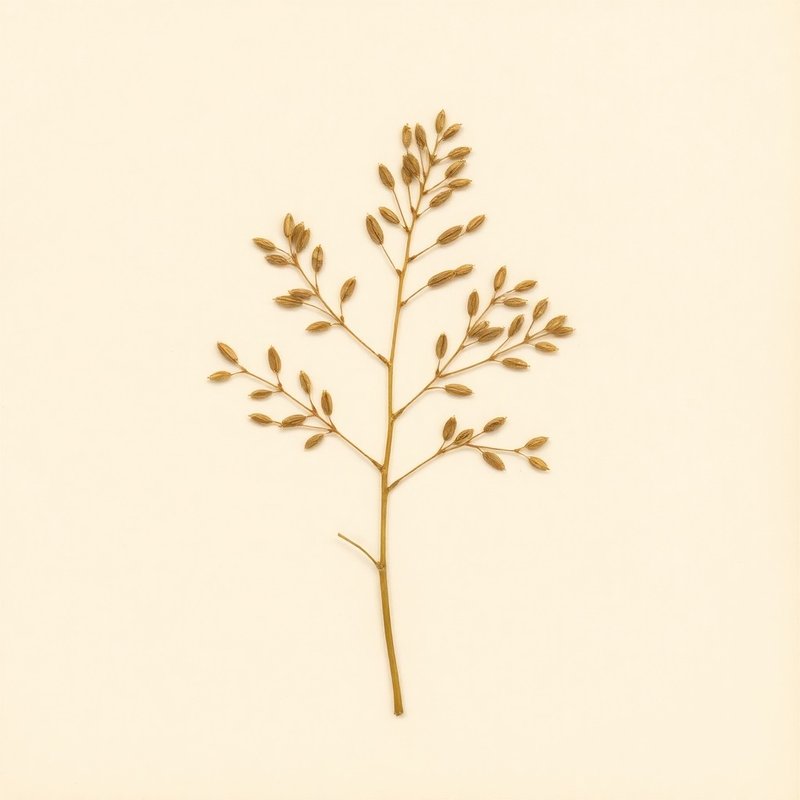
IOverview
Overview
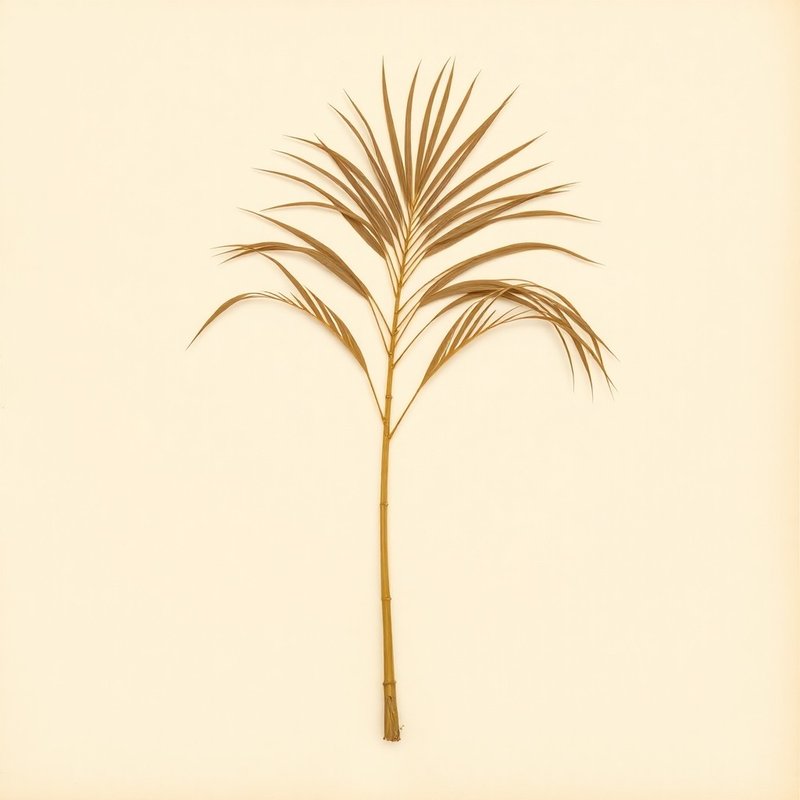
Elaeis oleifera, commonly known as the African oil palm, is a member of the Arecaceae family and is native to the tropical regions of Central and South America, including Brazil North, Colombia, Costa Rica, Ecuador, French Guiana, Honduras, Nicaragua, Panamá, Peru, and Suriname. This tree thrives in light, medium, or heavy (clay) soils and prefers moist conditions with full sun exposure. It can grow up to 4 meters tall and is hardy within USDA zones 10-12, making it well-suited for cultivation in warm, tropical climates. The African oil palm is highly valued for its edible fruit and seeds, which are rich in oil. The fruit, particularly the mesocarp, is harvested for its oil, which is used in a variety of cosmetic, hair care, and soap products. The seeds are also a source of oil, making the plant an important crop for oil production. Its ability to produce abundant fruit and seeds has made it a significant economic resource in many tropical regions. While the plant is primarily cultivated for its edible and cosmetic uses, it is important to note that any part of the plant should be handled with caution, especially if intended for medicinal purposes, as no medicinal claims are supported by the provided data.
What is Elaeis oleifera?
Elaeis oleifera, commonly known as the African oil palm, is a member of the Arecaceae family and is native to the tropical regions of Central and South America, including Brazil North, Colombia, Costa Rica, Ecuador, French Guiana, Honduras, Nicaragua, Panamá, Peru, and Suriname.
VCultivation
Cultivation
How to grow Elaeis oleifera for the first time
Start with Elaeis oleifera as a simple, low-maintenance plant for your garden.
- 1
What you'll need
A young Elaeis oleifera plant or seeds, potting soil, and a container if planting in a pot.
- 2
Best time to plant
Plant Elaeis oleifera during the spring when temperatures are consistently above 10°C (50°F).
- 3
Soil and container prep
Use well-draining soil with a mix of light, medium, or heavy texture. Ensure containers have drainage holes.
- 4
Sowing or transplanting
Transplant young plants directly into the garden if possible, or start seeds indoors 6-8 weeks before planting outdoors.
- 5
First two weeks
Water regularly to keep soil moist but not waterlogged. Place in a sunny spot and avoid direct sunlight for the first few days.
- 6
Ongoing care
Provide full sun, regular watering, and occasional light fertilization during the growing season.
- 7
Harvest or pruning
Prune dead leaves to maintain plant health. Harvest fruit when it turns yellow or orange.
- 8
Common mistakes
Overwatering, planting in full sun without acclimatizing, and not providing enough drainage.
VIEdible & utility
Edible & utility
VIIDistribution
10 native · 0 introduced
Distribution
10 native · 0 introducedIXSpecimen gallery
1 image
Specimen gallery
1 imageXSee also
8 related
See also
8 relatedPlants you might compare or use together — scored by shared family (Arecaceae), common use cases, and growing requirements.
Explore further
About this entry
- Last updated
- Citation
- How to cite this entry · Submit a correction
Continue reading
Get archive updates
Occasional email when substantial new content lands — plant profiles, seasonal growing notes, folk-remedy additions. Free, no tracking, unsubscribe anytime.