
Date Palm
Phoenix dactyliferafam. Arecaceae
Educational content — not medical, botanical, or professional advice. Plant identification, safety, and edibility depend on local conditions, cultivars, and correct identification. Consult a qualified botanist or forager before consuming or handling wild specimens. How we source & review →
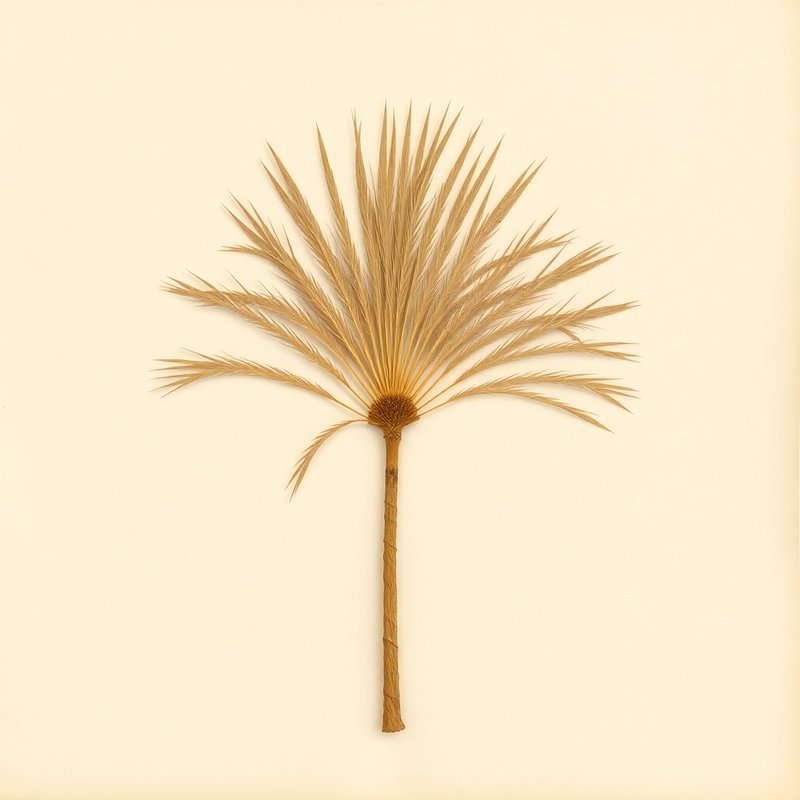
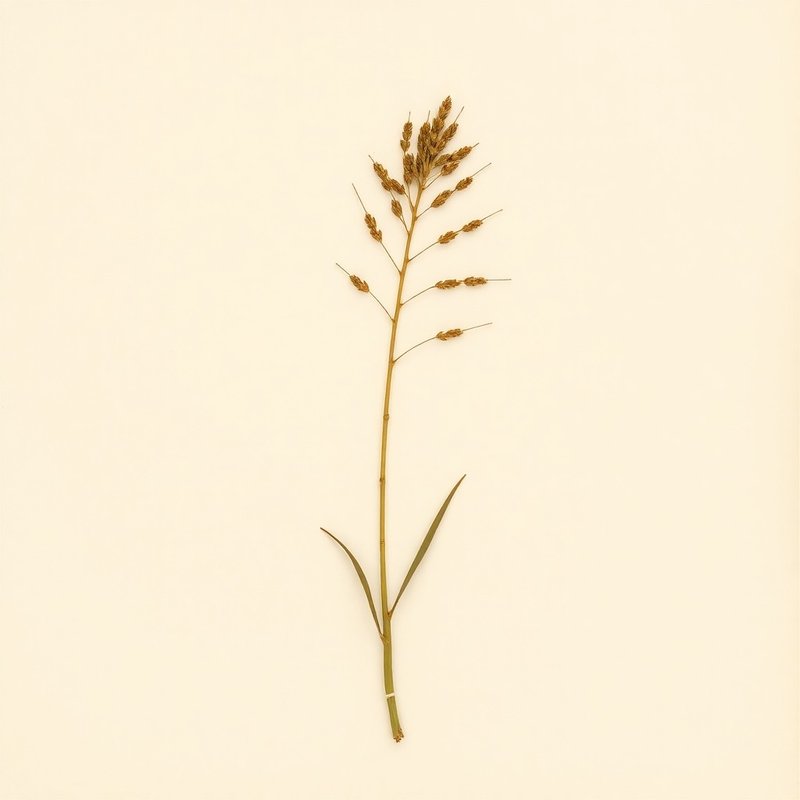
Pl. 51D5 — Phoenix dactylifera
Phoenix dactyliferaPhoenix dactyliferaPhoenix dactyliferaPhoenix dactyliferaPhoenix dactyliferaPhoenix dactyliferaPhoenix dactyliferaPhoenix dactyliferaPhoenix dactyliferaPhoenix dactyliferaPhoenix dactyliferaPhoenix dactyliferaPhoenix dactyliferaPhoenix dactylifera
IOverview
Overview
The Date Palm (Phoenix dactylifera) is a tree native to the Gulf States, Iran, Iraq, Oman, Pakistan, and Saudi Arabia. Known for its edible fruits, this palm thrives in full sun and can tolerate dry to moist conditions, thriving best in light, medium, or heavy clay soils. It grows up to 25 meters tall and produces flowers, fruit, pollen, and sap that are all used for various purposes. This versatile plant is a prominent feature in its native range and has been cultivated for thousands of years for its sweet, nutritious dates.
Quick answers
What is Date Palm?
The Date Palm (Phoenix dactylifera) is a tree native to the Gulf States, Iran, Iraq, Oman, Pakistan, and Saudi Arabia. Known for its edible fruits, this palm thrives in full sun and can tolerate dry to moist conditions, thriving best in light, medium, or heavy clay soils.
Growingconditions · propagation · uses
VCultivation
Cultivation
The Date Palm thrives in full sun and prefers well-draining soil that can be light (sandy), medium, or heavy (clay). It is drought-tolerant but will produce better fruit with regular moisture. This palm is hardy in zones 8-12 and can grow up to 25 meters tall. For propagation, use seeds or grafting. Harvest edible parts such as flowers, fruit, pollen, and sap from mature plants.
Light
Full sun
Water
Dry, Moist
Soil
Light (sandy), Medium, Heavy (clay)
Hardiness
8-12
Habit
Tree, Shrub
Mature size
25.0 m tall
For first-time growers
How to grow Date Palm for the first time
7steps
Start with a young date palm tree for the best beginner experience.
- 1
What you'll need
A young date palm sapling, well-draining soil, and a large container or planting area.
- 2
Best time to plant
Plant in spring when temperatures are warm but not too hot.
- 3
Soil and container prep
Use a mix of sand, loam, and clay for good drainage. Ensure the container is at least 1 meter deep and wide.
- 4
Sowing or transplanting
Transplant the sapling carefully, ensuring roots are not damaged during transfer.
- 5
First two weeks
Water regularly to keep soil moist but avoid waterlogging. Place in a sunny spot.
- 6
Ongoing care
Provide full sun and regular watering, especially when fruiting. Fertilize once or twice a year with organic compost.
- 7
Harvest or pruning
Prune dead fronds to maintain the tree’s health. Harvest dates when they turn golden brown.
VIEdible & utility
Edible & utility
Edible parts:FlowersFruitPollenSap
Edible uses: Drink, Sweetener
Other uses:Weaving materialFencingFiberFire retardantHouseplanttextilesRoofingSoil reclamationLumber
Contextrange · companions · related
VIIDistribution
6 native · 24 introduced
Distribution
6 native · 24 introducedDistribution across5 continents· 6 native· 24 introduced
Europe1 region
introduced (1)Portugal
Asia6 regions
native (5)IranIraqOmanPakistanSaudi Arabia
introduced (1)China
Americas3 regions
introduced (3)Dominican RepublicEl SalvadorPuerto Rico
Africa6 regions
introduced (6)ChadGambiaMaliMauritaniaMauritiusSenegal
Oceania2 regions
introduced (2)FijiNew Caledonia
Broader regions
native:Gulf States
introduced:Cayman Is., Central African Repu, East Aegean Is., Gulf of Guinea Is., Leeward Is., Mexico Northwest, Mozambique Channel I, Northern Territory, Queensland, Réunion
IXSpecimen gallery
1 image
Specimen gallery
1 imageXSee also
8 related
See also
8 relatedPlants you might compare or use together — scored by shared family (Arecaceae), common use cases, and growing requirements.
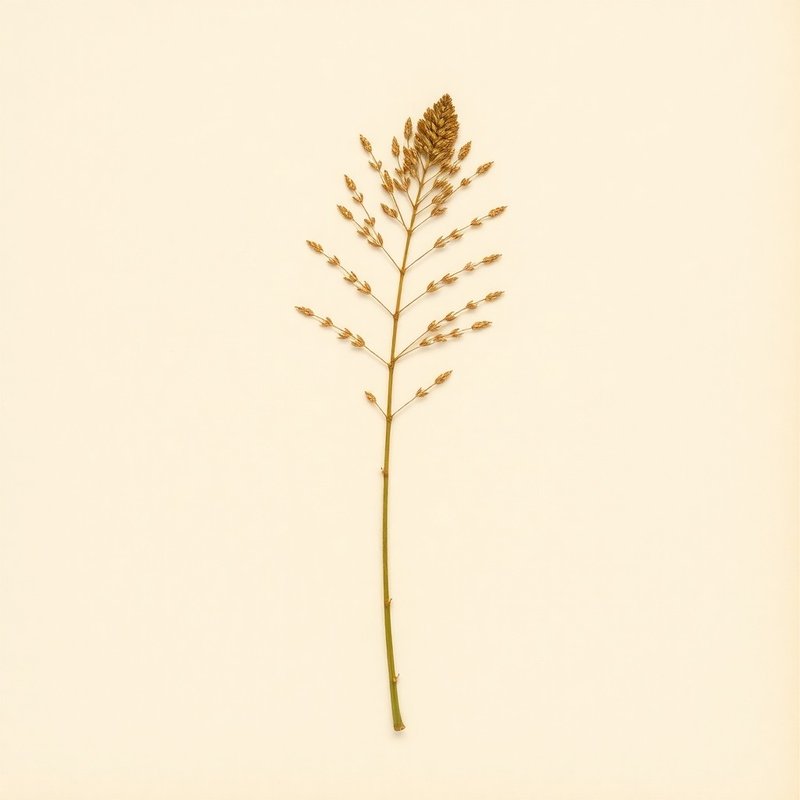
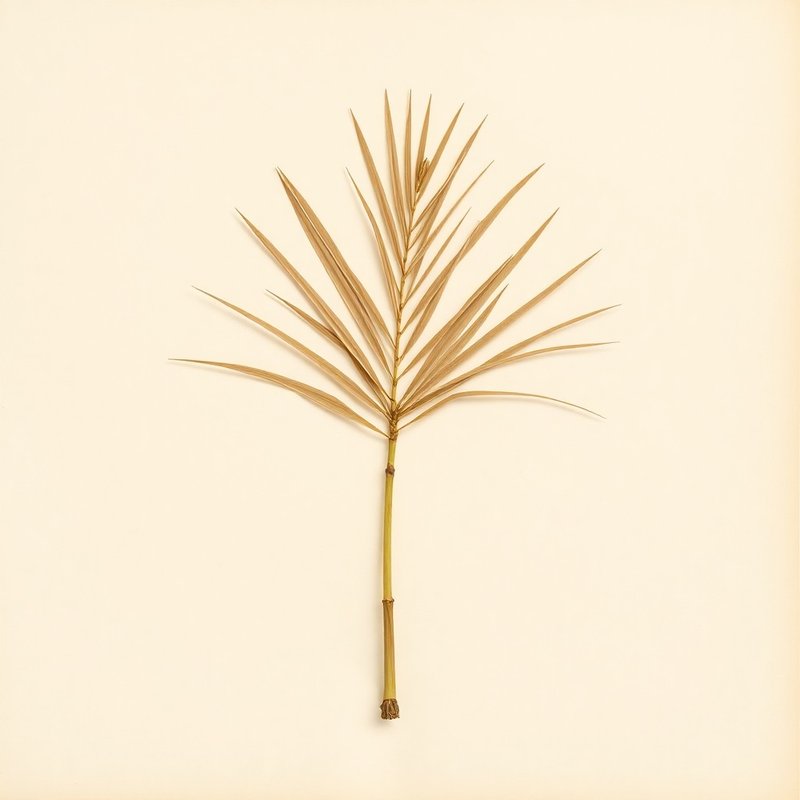
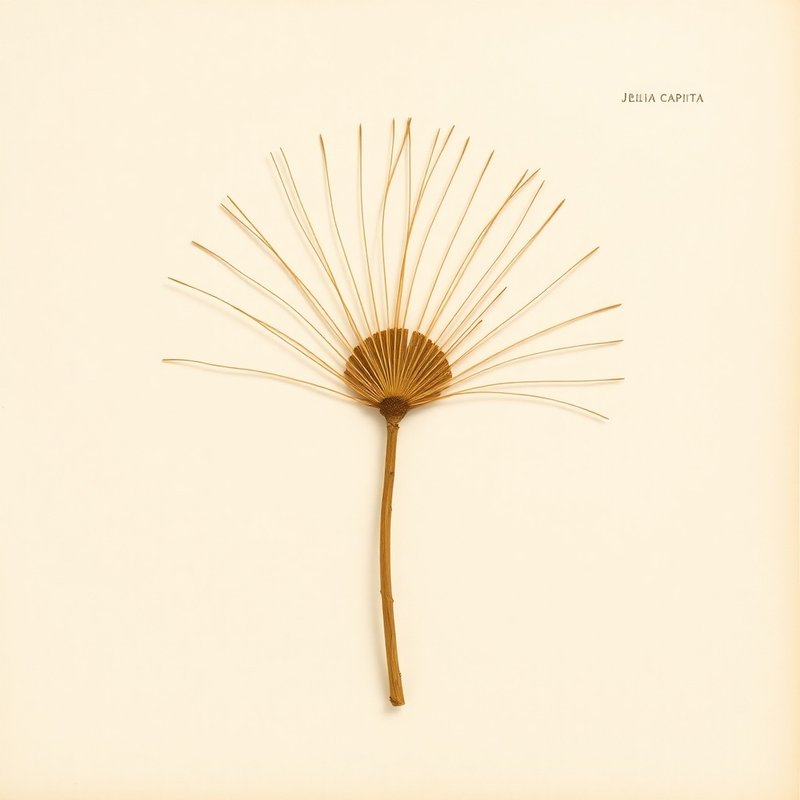
same family · Arecaceae
Botanical relatives — often share phytochemistry + growing needs.
XI
Explore further
Companion planting
Compare with similar plants
Growing zone
XII
About this entry
- Last updated
- Citation
- How to cite this entry · Submit a correction
Back to the cataloguePlant id · 51d551d4-0bf1-4a67-a5b1-a9ccf0a65241
Decision aid
Choosing between Date Palm and something else?
Continue reading
❦❦❦❦
Endpaper · archive updates
Get archive updates
Occasional email when substantial new content lands — plant profiles, seasonal growing notes, folk-remedy additions. Free, no tracking, unsubscribe anytime.