
Canary Island Date Palm
Phoenix canariensisfam. Arecaceae
Educational content — not medical, botanical, or professional advice. Plant identification, safety, and edibility depend on local conditions, cultivars, and correct identification. Consult a qualified botanist or forager before consuming or handling wild specimens. How we source & review →
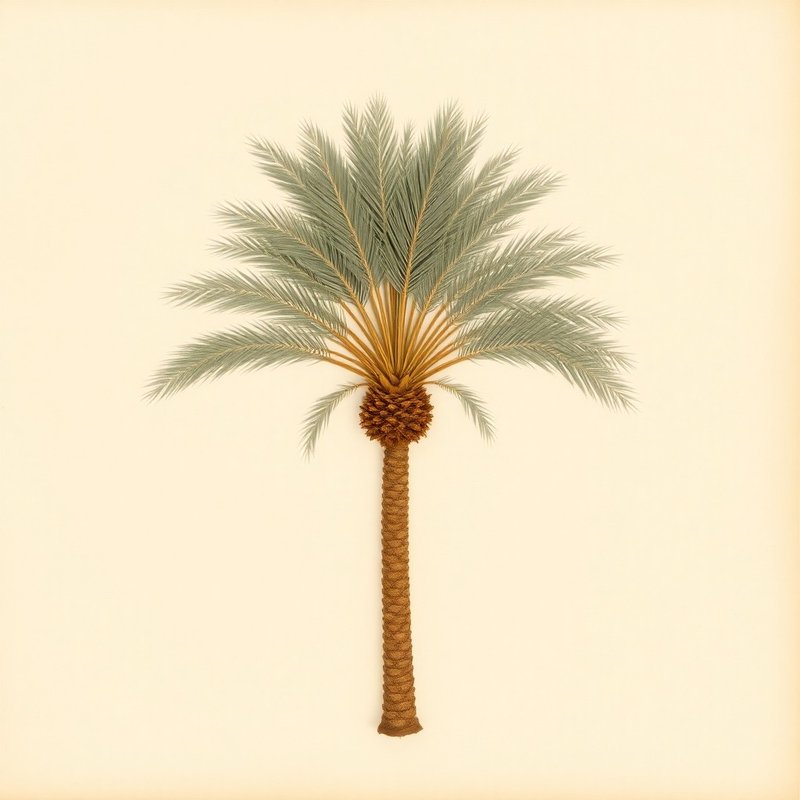
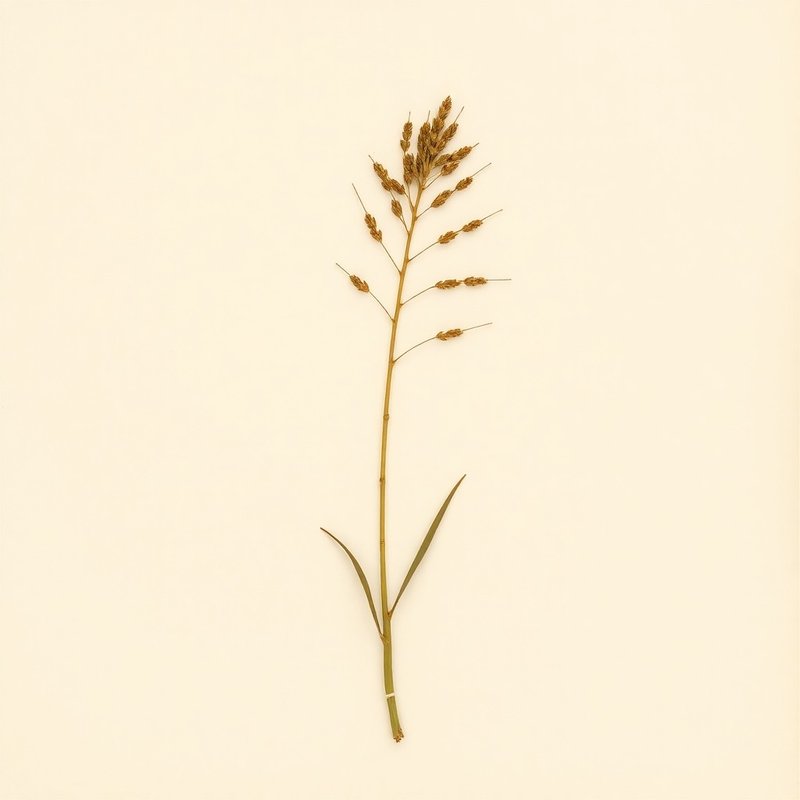
Pl. 6D01 — Phoenix canariensis
Phoenix canariensisPhoenix canariensisPhoenix canariensisPhoenix canariensisPhoenix canariensisPhoenix canariensisPhoenix canariensisPhoenix canariensisPhoenix canariensisPhoenix canariensisPhoenix canariensisPhoenix canariensisPhoenix canariensisPhoenix canariensis
IOverview
Overview
The Canary Island Date Palm (Phoenix canariensis) is a tree native to the Canary Islands and thrives in full sun with varying soil types—light, medium, or heavy clay—and prefers dry to moist conditions. Known for its ornamental value and edible fruit, this palm grows up to 12 meters tall. Its distinctive feature includes large, feathery fronds that can span widely, creating a lush canopy. The tree produces edible flowers and fruits, making it not only attractive but also useful in landscapes where full sun is available.
Quick answers
What is Canary Island Date Palm?
The Canary Island Date Palm (Phoenix canariensis) is a tree native to the Canary Islands and thrives in full sun with varying soil types—light, medium, or heavy clay—and prefers dry to moist conditions. Known for its ornamental value and edible fruit, this palm grows up to 12 meters tall.
Growingconditions · propagation · uses
VCultivation
Cultivation
The Canary Island Date Palm thrives in full sun and is adaptable to various soil types, including light (sandy), medium, and heavy (clay). It requires dry to moist conditions but prefers well-drained soils. Hardy in zones 8-11, this tree can grow up to 12 meters tall. For propagation, use seeds or division of suckers. Harvest edible parts such as flowers and fruit when mature.
Light
Full sun
Water
Dry, Moist
Soil
Light (sandy), Medium, Heavy (clay)
Hardiness
8-11
Habit
Tree
Mature size
12.0 m tall
For first-time growers
How to grow Canary Island Date Palm for the first time
8steps
Start with a Canary Island Date Palm to experience the joy of growing a tropical tree, even in cooler climates.
- 1
What you'll need
A young Canary Island Date Palm plant and a large pot or planting area.
- 2
Best time to plant
Plant in spring when the weather is warming up.
- 3
Soil and container prep
Use well-draining soil. For containers, choose one at least 30 cm wide and deep.
- 4
Sowing or transplanting
Transplant young plants from a nursery pot to your chosen location or container.
- 5
First two weeks
Water regularly but avoid overwatering. Keep the soil moist, not soggy.
- 6
Ongoing care
Provide full sun and water when the top inch of soil is dry. Fertilize once a year in spring.
- 7
Harvest or pruning
Prune dead fronds to maintain appearance, but fruit is not commonly harvested by beginners.
- 8
Common mistakes
Overwatering, planting too deep, and neglecting to prune dead leaves are common pitfalls for new growers.
VIEdible & utility
Edible & utility
Edible parts:FlowersFruit
Edible uses: Sweetener
Other uses:Weaving materialFencingFibertextiles
Contextrange · companions · related
VIIDistribution
1 native · 16 introduced
Distribution
1 native · 16 introducedDistribution across3 continents· 1 native· 16 introduced
Europe5 regions
native (1)Spain
introduced (4)GreeceItalyPortugalSpain
Americas1 region
introduced (1)Bolivia
Africa2 regions
introduced (2)AlgeriaTunisia
Broader regions
introduced:Bermuda, New South Wales, New Zealand North, Norfolk Is., South Australia, Victoria, Western Australia
IXSpecimen gallery
1 image
Specimen gallery
1 imageXSee also
8 related
See also
8 relatedPlants you might compare or use together — scored by shared family (Arecaceae), common use cases, and growing requirements.
same family · Arecaceae
Botanical relatives — often share phytochemistry + growing needs.
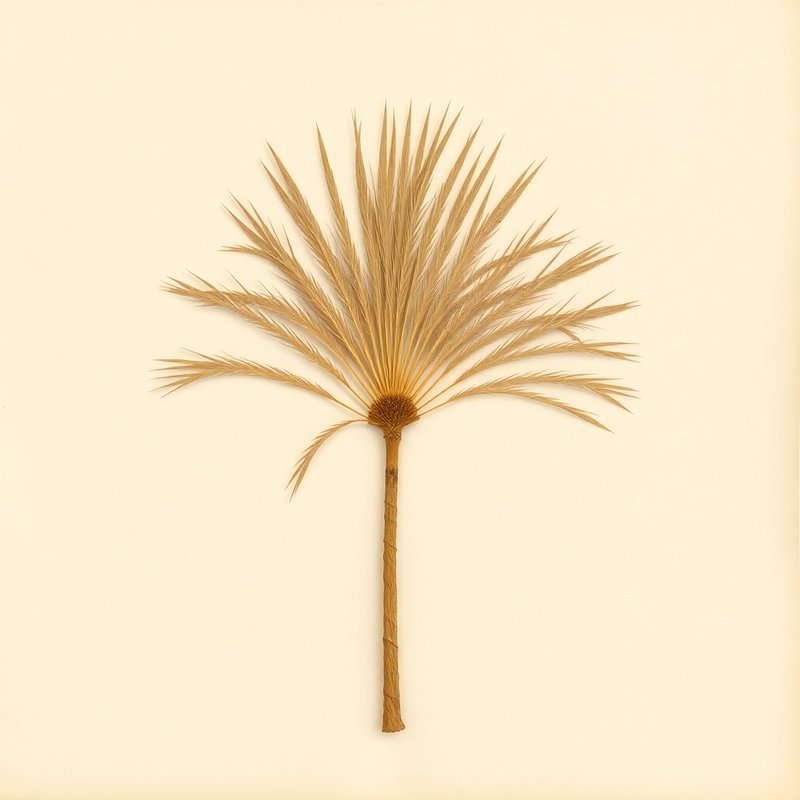
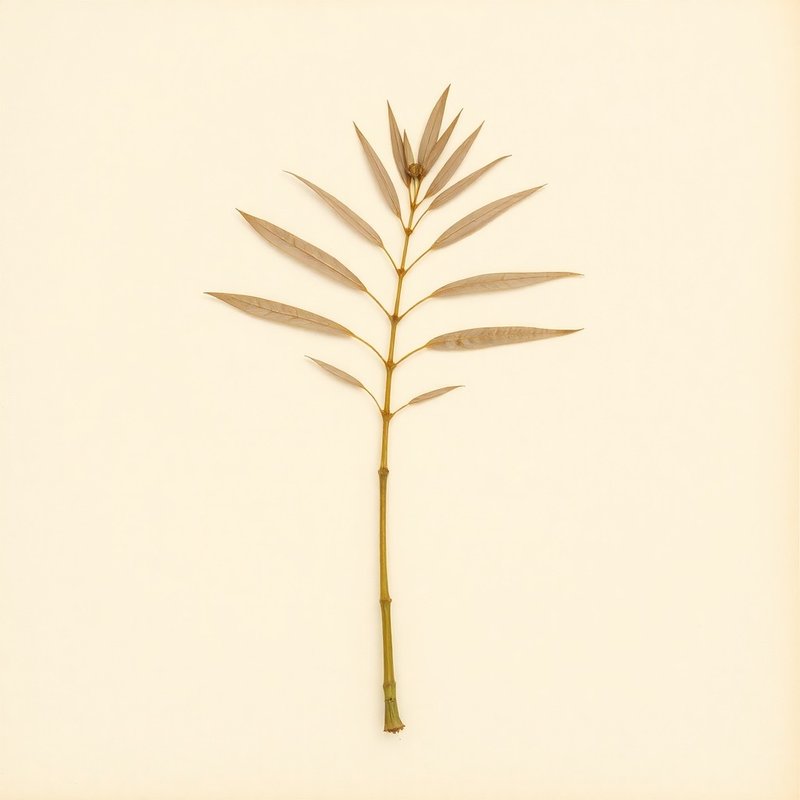
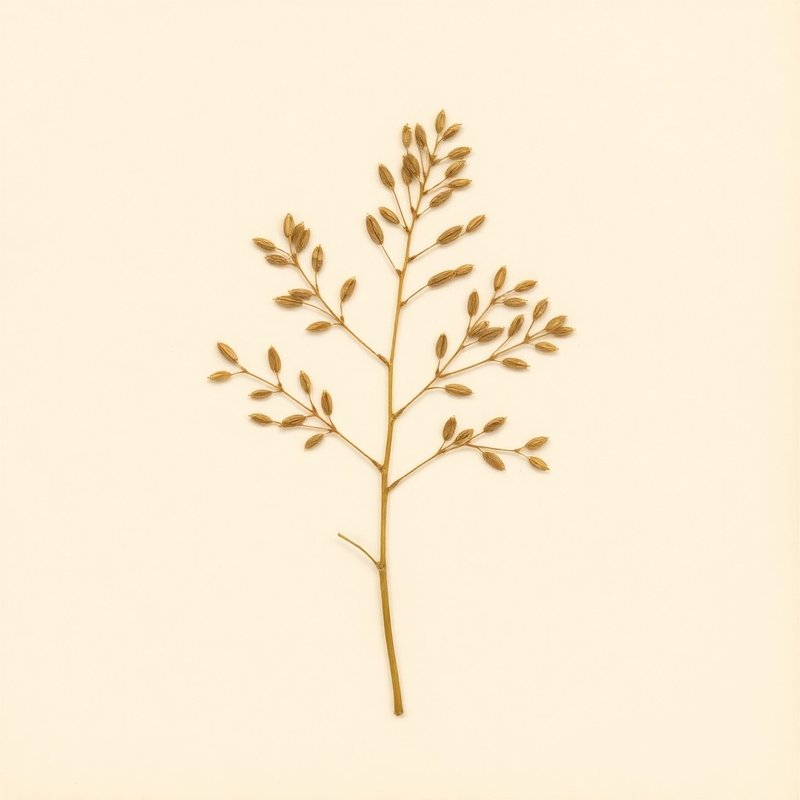
XI
Explore further
Companion planting
Compare with similar plants
Growing zone
XII
About this entry
- Last updated
- Citation
- How to cite this entry · Submit a correction
Back to the cataloguePlant id · 6d01026a-0cc3-474a-ba28-2f8837ce71b6
Decision aid
Choosing between Canary Island Date Palm and something else?
Continue reading
❦❦❦❦
Endpaper · archive updates
Get archive updates
Occasional email when substantial new content lands — plant profiles, seasonal growing notes, folk-remedy additions. Free, no tracking, unsubscribe anytime.