
True Cardamom
Elettaria cardamomumfam. Zingiberaceae
Educational content — not medical, botanical, or professional advice. Always consult a qualified clinician before using any herbal preparation — especially during pregnancy, breastfeeding, while on medication, or for children. How we source & review →
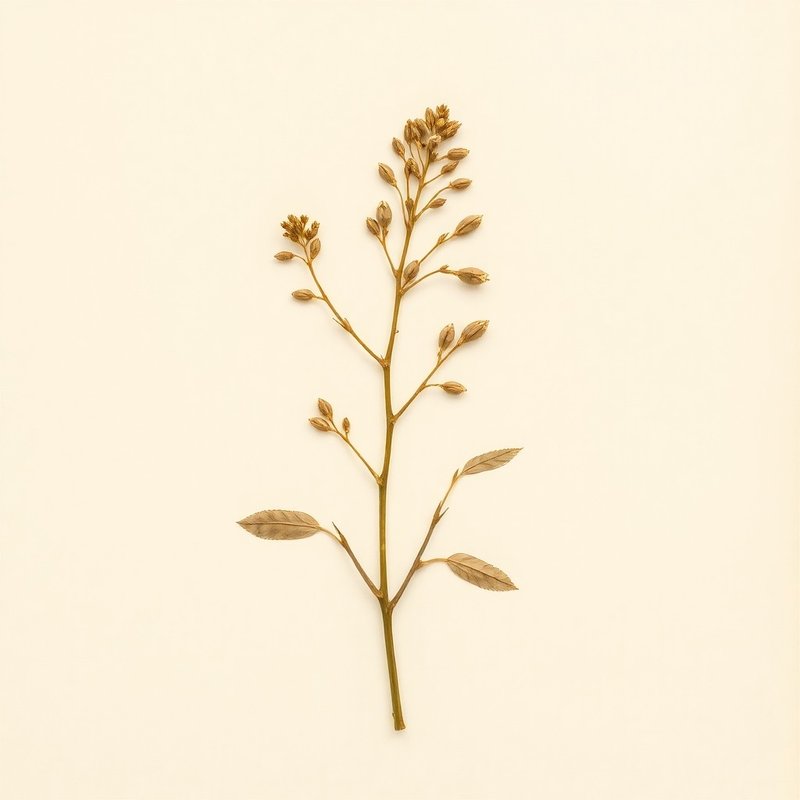
Pl. 2483 — Elettaria cardamomum
Elettaria cardamomumElettaria cardamomumElettaria cardamomumElettaria cardamomumElettaria cardamomumElettaria cardamomumElettaria cardamomumElettaria cardamomumElettaria cardamomumElettaria cardamomumElettaria cardamomumElettaria cardamomumElettaria cardamomumElettaria cardamomum
IOverview
Overview
True Cardamom (Elettaria cardamomum) belongs to the Zingiberaceae family and is native to the tropical regions of southwest India, Burma, and Sri Lanka. This perennial plant thrives in partial sun or full shade and requires moist conditions, making it suitable for cultivation in areas with moderate temperatures between USDA hardiness zones 10-12. Known for its aromatic seed pods used extensively in cooking and traditional medicine, True Cardamom is both edible and medicinal. Its distinctive feature lies in the small, green, three-sided fruits that contain tiny black seeds, which are highly prized for their flavor and fragrance. The plant can grow up to 4 meters tall and is often propagated through division or seed.
Quick answers
What is True Cardamom?
True Cardamom (Elettaria cardamomum) belongs to the Zingiberaceae family and is native to the tropical regions of southwest India, Burma, and Sri Lanka.
IV·bMixology suggestions
1 draft
Mixology suggestions
1 draftEditorial drafts. These pairings are AI-suggested from traditional herbal lore. Always verify with a qualified herbalist before brewing.
Digestive Harmony
digestiontincture
Traditional blend for aiding digestion.
Growingconditions · propagation · uses
VCultivation
Cultivation
True Cardamom thrives in partial sun to full shade and requires moist soil. It is a perennial that can grow up to 4 meters tall. Propagate through division or seed. Hardy in zones 10-12, this plant prefers humid conditions typical of its native regions in Southwest India, Burma, and Sri Lanka. Water the plant regularly to keep the soil consistently moist.
Light
Partial sun/shade, Full shade
Water
Moist
Hardiness
10-12
Life cycle
Perennial
Mature size
4m m tall
- Propagation
- Division, Seed
For first-time growers
How to grow True Cardamom for the first time
8steps
Start with a simple, partial-shade planting to get familiar with True Cardamom.
- 1
What you'll need
A small plant or seeds, a pot or garden bed, and basic gardening tools.
- 2
Best time to plant
Plant in spring when the weather is mild and moist.
- 3
Soil and container prep
Use well-draining soil with plenty of organic matter. Ensure containers have drainage holes if planting indoors.
- 4
Sowing or transplanting
Transplant a small plant or sow seeds 1-2 cm deep in the soil, keeping them about 30 cm apart.
- 5
First two weeks
Keep the soil consistently moist and provide partial shade to protect from direct sunlight.
- 6
Ongoing care
Water regularly to keep the soil moist but not waterlogged. Provide partial shade and mulch to retain moisture.
- 7
Harvest or pruning
Prune after flowering to encourage new growth, but wait for a few years before harvesting seeds.
- 8
Common mistakes
Overwatering, planting in full sun, neglecting partial shade requirements, and not providing enough organic matter.
VIEdible & utility
Edible & utility
Edible parts:Seed
Edible uses: True Cardamom's seeds are the edible part used in cooking and flavoring. Typically, they are added whole or ground into dishes like curries, breads, and desserts for their aromatic flavor. The seeds can also be dried and used to make tea.
Contextrange · companions · related
VIIDistribution
4 native · 7 introduced
Distribution
4 native · 7 introducedDistribution across2 continents· 4 native· 7 introduced
Asia6 regions
native (3)IndiaMyanmarSri Lanka
introduced (3)BangladeshCambodiaThailand
Americas1 region
introduced (1)Costa Rica
Broader regions
native:Southwest India
introduced:Lesser Sunda Is., Réunion, Trinidad-Tobago
IXSpecimen gallery
1 image
Specimen gallery
1 imageXSee also
3 related
See also
3 relatedPlants you might compare or use together — scored by shared family (Zingiberaceae), common use cases, and growing requirements.
same family · Zingiberaceae
Botanical relatives — often share phytochemistry + growing needs.
XI
Explore further
Companion planting
Compare with similar plants
Growing zone
XII
About this entry
- Last updated
- Citation
- How to cite this entry · Submit a correction
Back to the cataloguePlant id · 2483c0f2-93ae-47b0-b782-f538dfeaf71a
Decision aid
Choosing between True Cardamom and something else?
Continue reading
❦❦❦❦
Endpaper · archive updates
Get archive updates
Occasional email when substantial new content lands — plant profiles, seasonal growing notes, folk-remedy additions. Free, no tracking, unsubscribe anytime.