
Ethiopian Banana
Ensete ventricosumfam. Zingiberaceae
Educational content — not medical, botanical, or professional advice. Plant identification, safety, and edibility depend on local conditions, cultivars, and correct identification. Consult a qualified botanist or forager before consuming or handling wild specimens. How we source & review →
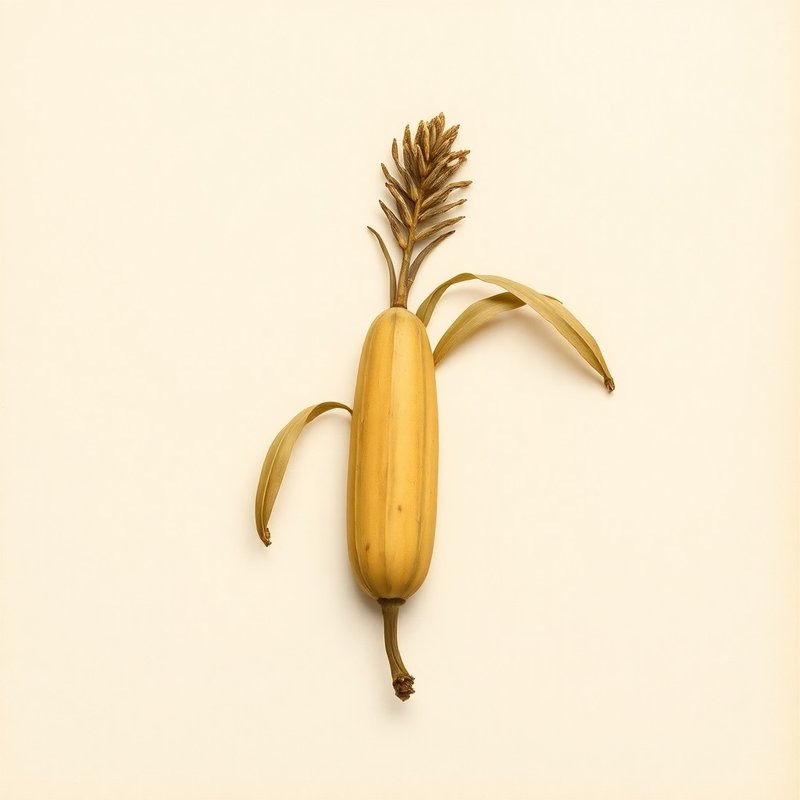
Pl. 3E22 — Ensete ventricosum
Ensete ventricosumEnsete ventricosumEnsete ventricosumEnsete ventricosumEnsete ventricosumEnsete ventricosumEnsete ventricosumEnsete ventricosumEnsete ventricosumEnsete ventricosumEnsete ventricosumEnsete ventricosumEnsete ventricosumEnsete ventricosum
IOverview
Overview
Ethiopian Banana (Ensete ventricosum) is a large perennial plant native to the highlands of Ethiopia and other East African countries such as Angola, Burundi, Kenya, Malawi, Mozambique, Rwanda, Sudan, Tanzania, Uganda, Zambia, and Zaïre. Known for its edible parts—root, seed, and stem—the plant thrives in full sun with moist soil that is light (sandy), medium, or heavy (clay). It can grow up to 6 meters tall and is hardy in zones 9-11. This distinctive plant is valued not only for its ornamental qualities but also as a source of food in the region.
Quick answers
What is Ethiopian Banana?
Ethiopian Banana (Ensete ventricosum) is a large perennial plant native to the highlands of Ethiopia and other East African countries such as Angola, Burundi, Kenya, Malawi, Mozambique, Rwanda, Sudan, Tanzania, Uganda, Zambia, and Zaïre.
Growingconditions · propagation · uses
VCultivation
Cultivation
Ethiopian Banana thrives in full sun and prefers moist soil that is light (sandy), medium, or heavy (clay). It grows well in hardiness zones 9-11, making it suitable for warmer climates. This perennial can reach heights of 6 meters and is known for its edible root, seed, and stem parts. For propagation, gardeners can use seeds or divide the plant's rhizomes.
Light
Full sun
Water
Moist
Soil
Light (sandy), Medium, Heavy (clay)
Hardiness
9-11
Life cycle
Perennial
Mature size
6.0 m tall
For first-time growers
How to grow Ethiopian Banana for the first time
8steps
Start with a simple, low-maintenance approach to growing Ethiopian Banana.
- 1
What you'll need
A young plant or seedling, well-draining soil, and a large container.
- 2
Best time to plant
Plant in spring when the last frost has passed and temperatures are consistently warm.
- 3
Soil and container prep
Use a pot with good drainage holes. Mix regular garden soil with compost for better fertility.
- 4
Sowing or transplanting
Transplant young plants into the prepared container, ensuring the root ball is covered with soil.
- 5
First two weeks
Keep the plant in a sheltered spot and water regularly to keep the soil moist but not soggy.
- 6
Ongoing care
Place the plant in full sun, water it deeply once a week, and fertilize every few months with a balanced fertilizer.
- 7
Harvest or pruning
Prune dead leaves to maintain the plant's appearance. Harvest roots when needed for food.
- 8
Common mistakes
Overwatering, planting in heavy soil, and not providing enough sunlight are common issues beginners face.
VIEdible & utility
Edible & utility
Edible parts:RootSeedStem
Edible uses: The Ethiopian Banana's root and stem are edible. The roots can be eaten raw or cooked, while the stems are typically prepared by boiling before consumption. Seeds may also be consumed but are not commonly used in cooking.
Other uses:Fiber
Contextrange · companions · related
VIIDistribution
14 native · 3 introduced
Distribution
14 native · 3 introducedDistribution across1 continent· 14 native· 3 introduced
Africa12 regions
native (12)AngolaBurundiEthiopiaKenyaMalawiMozambiqueRwandaSudanTanzaniaUgandaZambiaZimbabwe
Broader regions
native:Northern Provinces, Zaïre
introduced:Juan Fernández Is., Jawa, Gulf of Guinea Is.
IXSpecimen gallery
1 image
Specimen gallery
1 imageXSee also
3 related
See also
3 relatedPlants you might compare or use together — scored by shared family (Zingiberaceae), common use cases, and growing requirements.
same family · Zingiberaceae
Botanical relatives — often share phytochemistry + growing needs.
XI
Explore further
Companion planting
Compare with similar plants
Growing zone
XII
About this entry
- Last updated
- Citation
- How to cite this entry · Submit a correction
Back to the cataloguePlant id · 3e227e15-1fbc-420d-8d84-2610397360fc
Decision aid
Choosing between Ethiopian Banana and something else?
Continue reading
❦❦❦❦
Endpaper · archive updates
Get archive updates
Occasional email when substantial new content lands — plant profiles, seasonal growing notes, folk-remedy additions. Free, no tracking, unsubscribe anytime.