
Hedychium spicatum
IOverview
Overview
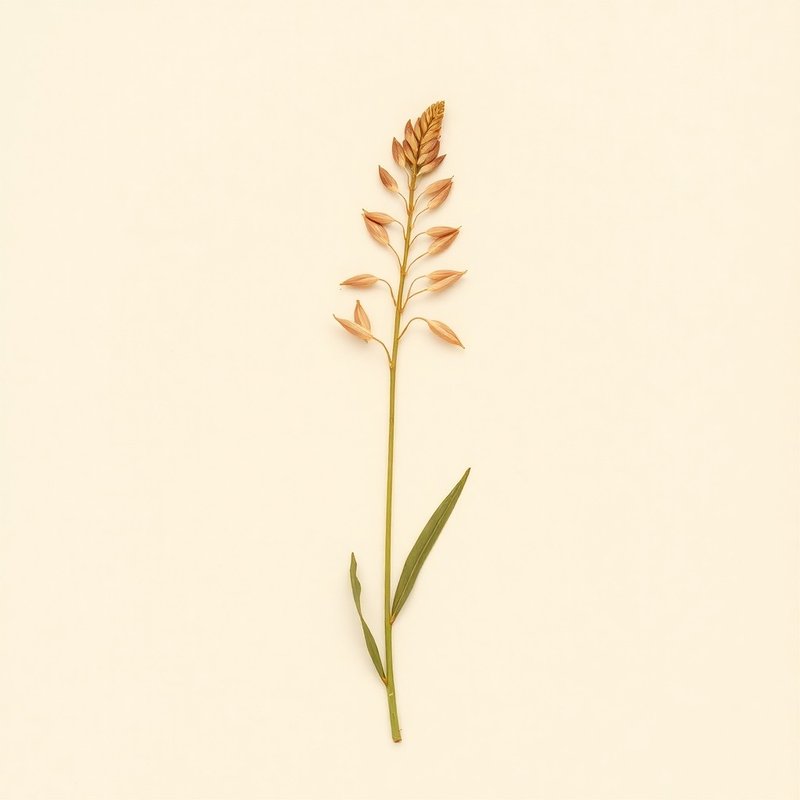
Hedychium spicatum, commonly known as white ginger or kalmi, is a perennial plant native to the eastern Himalayas and Southeast Asia, including regions such as Assam, China, India, Myanmar, Nepal, Taiwan, Thailand, and Vietnam. This plant thrives in moist conditions and prefers light to medium soil types, making it adaptable to various environments within its native range. Known for its edible fruit, Hedychium spicatum can grow up to 1.5 meters tall and requires full sun exposure. Its ornamental value is also notable due to the distinctive white flowers that bloom in clusters, adding a touch of elegance to gardens and landscapes. The fruit of Hedychium spicatum is edible and can be eaten raw or used in various preparations. Typically, the fruit is consumed fresh but may also be dried for later use. This plant has been introduced into numerous regions, including Andaman Islands, Argentina, Azores, Bangladesh, and many others, showcasing its adaptability and ornamental appeal. Its introduction into these areas has made it a popular choice for gardens and landscapes, where it can thrive in full sun and moist soil. Hedychium spicatum is hardy in zones 7-10 and grows well in environments that mimic its native habitats. It can be propagated via division or seed, making it relatively easy to cultivate. While primarily known for its ornamental and edible uses, Hedychium spicatum also has the potential to enhance gardens with its elegant white flowers and edible fruit. However, it is important to note that while the plant is safe for ornamental and edible use, caution should be exercised when handling it, as some individuals may experience skin irritation.
What is Hedychium spicatum?
Hedychium spicatum, commonly known as white ginger or kalmi, is a perennial plant native to the eastern Himalayas and Southeast Asia, including regions such as Assam, China, India, Myanmar, Nepal, Taiwan, Thailand, and Vietnam.
VCultivation
Cultivation
How to grow Hedychium spicatum for the first time
Start with Hedychium spicatum as a simple, low-maintenance perennial for your garden.
- 1
What you'll need
A young Hedychium spicatum plant or rhizomes, potting soil, and a container if planting in a pot.
- 2
Best time to plant
Plant in spring when the last frost has passed and temperatures are consistently above 10°C (50°F).
- 3
Soil and container prep
Use well-draining soil with a mix of light, medium, or heavy texture. Ensure containers have drainage holes.
- 4
Sowing or transplanting
Transplant young plants directly into the garden or pot them in a larger container if planting indoors.
- 5
First two weeks
Water regularly to keep soil moist but not waterlogged, and place in partial shade to avoid sunburn.
- 6
Ongoing care
Provide full sun for best growth. Water when the top inch of soil feels dry. Fertilize once a month with a balanced fertilizer.
- 7
Harvest or pruning
Prune dead leaves and stems in late winter to encourage new growth and maintain plant shape.
- 8
Common mistakes
Overwatering, planting in heavy soil without drainage, and exposing the plant to direct sunlight during establishment.
VIEdible & utility
Edible & utility
VIIDistribution
12 native · 58 introduced
Distribution
12 native · 58 introducedIXSpecimen gallery
1 image
Specimen gallery
1 imageXSee also
3 related
See also
3 relatedPlants you might compare or use together — scored by shared family (Zingiberaceae), common use cases, and growing requirements.
Explore further
About this entry
- Last updated
- Citation
- How to cite this entry · Submit a correction
Continue reading
Get archive updates
Occasional email when substantial new content lands — plant profiles, seasonal growing notes, folk-remedy additions. Free, no tracking, unsubscribe anytime.