
Epilobium macranthum
Epilobium macranthumfam. Onagraceae
Educational content — not medical, botanical, or professional advice. Always consult a qualified clinician before using any herbal preparation — especially during pregnancy, breastfeeding, while on medication, or for children. How we source & review →
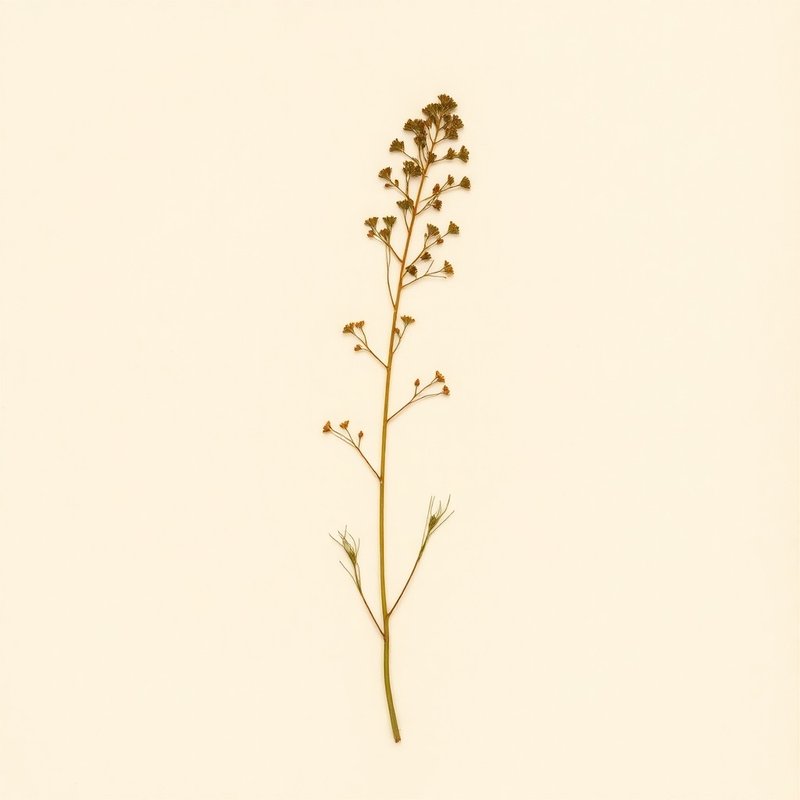
Pl. D4B9 — Epilobium macranthum
Epilobium macranthumEpilobium macranthumEpilobium macranthumEpilobium macranthumEpilobium macranthumEpilobium macranthumEpilobium macranthumEpilobium macranthumEpilobium macranthumEpilobium macranthumEpilobium macranthumEpilobium macranthumEpilobium macranthumEpilobium macranthum
IOverview
Overview
Epilobium macranthum, commonly known as willow herb, is a perennial plant native to the southeastern regions of Australia and New Zealand, including Tasmania and Victoria. This hardy species thrives in various soil types—light (sandy), medium, or heavy (clay)—and prefers moist conditions with full sun to partial shade. Known for its edible leaves, which can be used fresh or dried, E. macranthum is both ornamental and useful as a culinary herb. Its distinctive feature lies in the large, showy pink flowers that appear from late spring through summer, adding a splash of color to gardens while providing a valuable food source.
Quick answers
What is Epilobium macranthum?
Epilobium macranthum, commonly known as willow herb, is a perennial plant native to the southeastern regions of Australia and New Zealand, including Tasmania and Victoria. This hardy species thrives in various soil types—light (sandy), medium, or heavy (clay)—and prefers moist conditions with full sun to partial shade.
What is Epilobium macranthum used for?
Traditionally used for topical & skin, digestion. Each claim is evidence-rated — see Section II for full citations.
Best for
Top 2 evidence-ranked uses of Epilobium macranthum
Clinicaluses · safety · chemistry · dosagemedicinal profile
IIBenefits & evidence
2 claims · 0 sources
Benefits & evidence
2 claims · 0 sources- Epilobium macranthum has been traditionally used topically for skin conditions, including minor wounds and irritations. Its anti-inflammatory properties may help soothe the affected area.
The plant contains flavonoids which have anti-inflammatory effects that can reduce redness and swelling in the skin.
- Epilobium macranthum has been traditionally used in herbal medicine for digestive issues, such as diarrhea and dysentery. Its astringent properties are thought to help soothe the gastrointestinal tract.
The plant contains tannins which have an astringent effect on mucous membranes, potentially reducing inflammation and irritation in the gut.
IV·bMixology suggestions
1 draft
Mixology suggestions
1 draftEditorial drafts. These pairings are AI-suggested from traditional herbal lore. Always verify with a qualified herbalist before brewing.
Epilobium macranthum support blend
generaltea
AI returned a direct ingredient list; normalized into one draft blend for editorial review.
Growingconditions · propagation · uses
VCultivation
Cultivation
Epilobium macranthum thrives in full to partial sun and prefers moist soil that is light (sandy), medium, or heavy (clay). It grows well in habitats similar to those found in Chatham Islands, New South Wales, New Zealand North, New Zealand South, South Australia, Tasmania, and Victoria. This plant can be propagated through seeds or cuttings. While hardiness information isn't provided, it is generally hardy in temperate regions. The edible parts are the leaves.
Light
Full sun, Partial sun/shade
Water
Moist
Soil
Light (sandy), Medium, Heavy (clay)
For first-time growers
How to grow Epilobium macranthum for the first time
8steps
Start with a simple and light approach to growing Skip, focusing on basic care.
- 1
What you'll need
A small pot or garden bed, seeds or young plants, good quality soil.
- 2
Best time to plant
Plant in spring when the weather starts warming up.
- 3
Soil and container prep
Use a well-draining soil mix suitable for light, medium, or heavy soils. Ensure containers have drainage holes.
- 4
Sowing or transplanting
Direct sow seeds in the garden or start them indoors 4-6 weeks before planting outside. Transplant young plants carefully to avoid damaging roots.
- 5
First two weeks
Water regularly, keeping the soil moist but not waterlogged. Place in a sunny spot, ensuring it gets at least partial sun.
- 6
Ongoing care
Continue regular watering and ensure the plant receives full or partial sun. Monitor for pests and diseases, addressing any issues promptly.
- 7
Harvest or pruning
Prune lightly to encourage bushy growth and remove dead leaves as needed. Leaves can be harvested throughout the growing season.
- 8
Common mistakes
Overwatering, planting in too much shade, neglecting regular pruning, using unsuitable soil types, and not providing enough sunlight.
VIEdible & utility
Edible & utility
Edible parts:Leaves
Edible uses: The leaves of Epilobium macranthum are edible and can be consumed fresh or cooked. They are often used in salads for their mild flavor or added to soups and stews to enhance the dish. Skip the detailed preparation methods since specific cooking techniques were not provided in the data.
Contextrange · companions · related
VIIDistribution
7 native · 0 introduced
Distribution
7 native · 0 introducedDistribution across0 continents· 7 native
Broader regions
native:New South Wales, New Zealand North, New Zealand South, South Australia, Tasmania, Victoria, Chatham Is.
IXSpecimen gallery
1 image
Specimen gallery
1 imageXSee also
8 related
See also
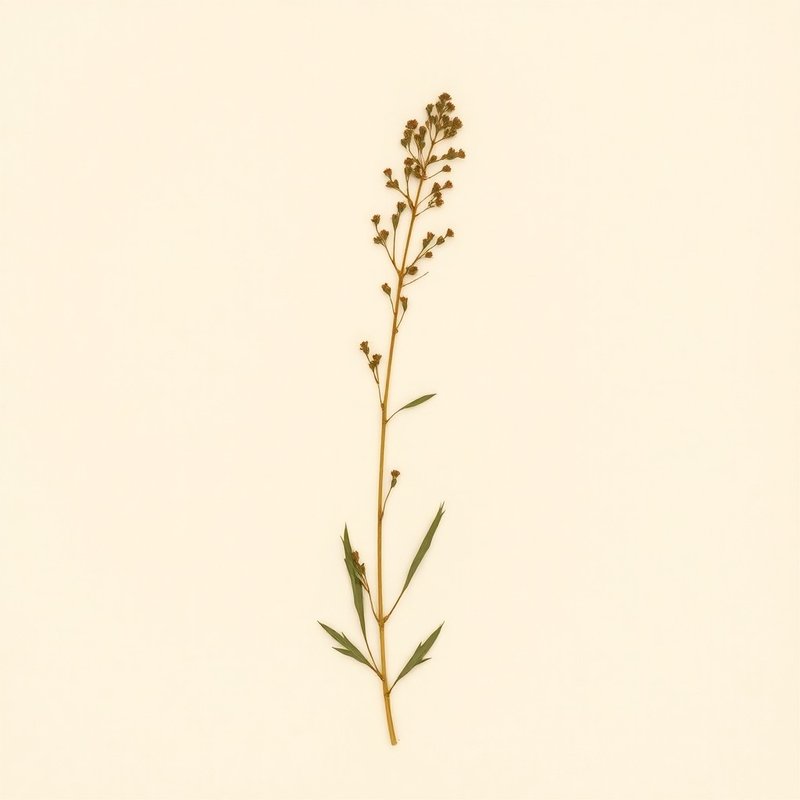
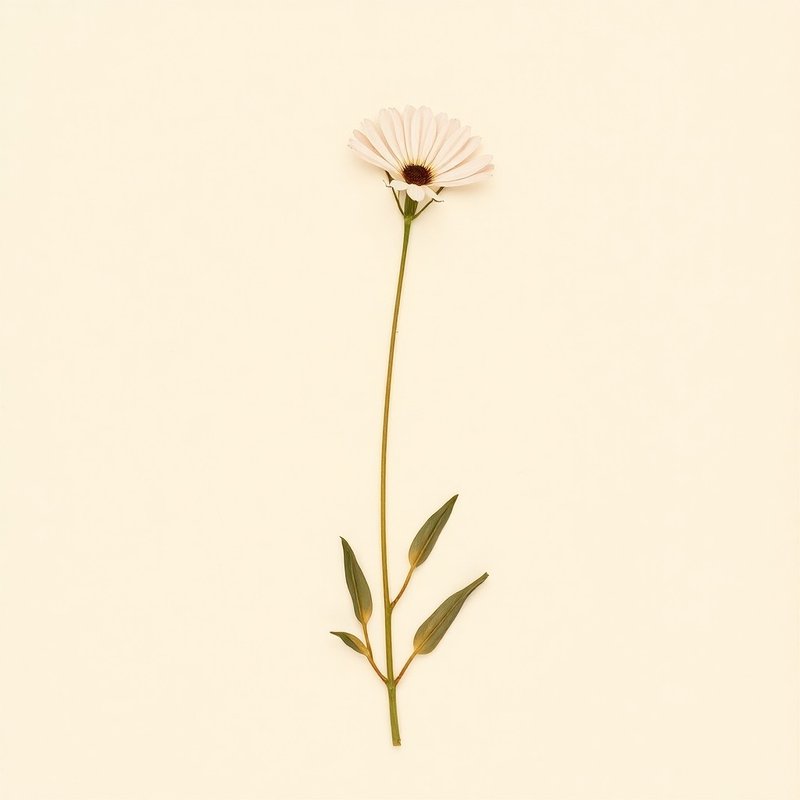
8 relatedPlants you might compare or use together — scored by shared family (Onagraceae), common use cases, and growing requirements.
same family · Onagraceae
Botanical relatives — often share phytochemistry + growing needs.
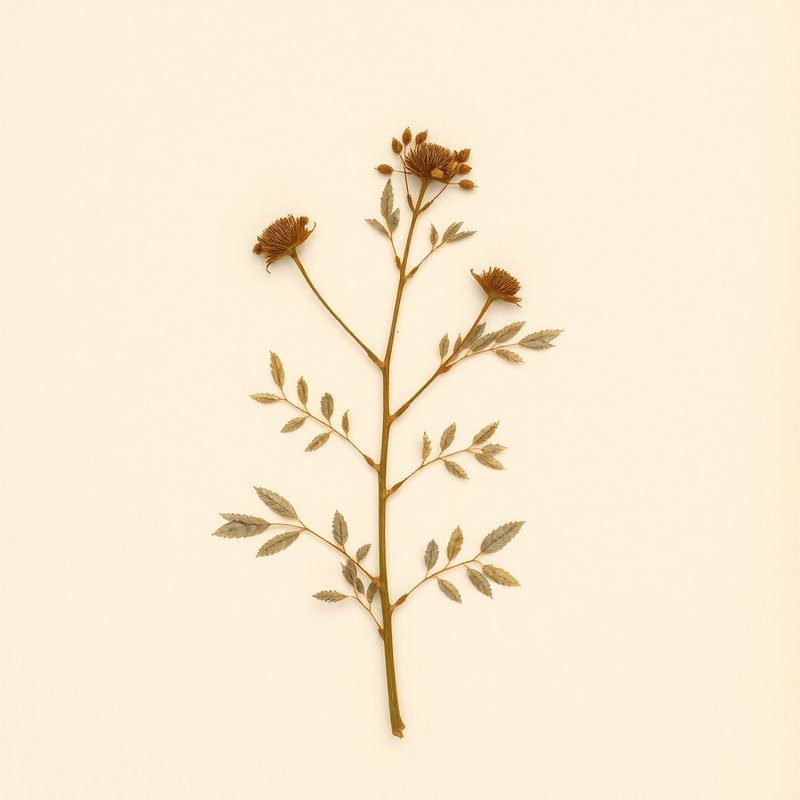
shared use cases
Different families, similar therapeutic role — good for comparing.


XI
Explore further
Companion planting
Health goals
Compare with similar plants
XII
About this entry
- Last updated
- Citation
- How to cite this entry · Submit a correction
Back to the cataloguePlant id · d4b97a7f-13ed-4d04-bb33-66be99296aea
Decision aid
Choosing between Epilobium macranthum and something else?
Continue reading
❦❦❦❦
Endpaper · archive updates
Get archive updates
Occasional email when substantial new content lands — plant profiles, seasonal growing notes, folk-remedy additions. Free, no tracking, unsubscribe anytime.