
Field Horsetail
Equisetum arvense
Educational content — not medical, botanical, or professional advice. Always consult a qualified clinician before using any herbal preparation — especially during pregnancy, breastfeeding, while on medication, or for children. How we source & review →
Garden journal pausedUse profile notes below

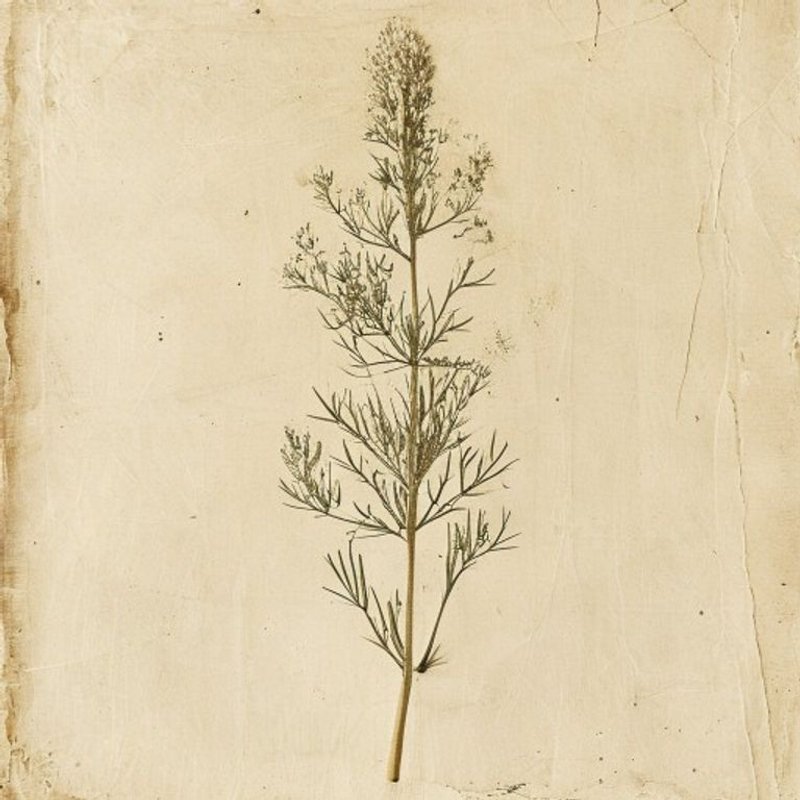
Pl. 95D2 — Equisetum arvense
Equisetum arvenseEquisetum arvenseEquisetum arvenseEquisetum arvenseEquisetum arvenseEquisetum arvenseEquisetum arvenseEquisetum arvenseEquisetum arvenseEquisetum arvenseEquisetum arvenseEquisetum arvenseEquisetum arvenseEquisetum arvense
IOverview
Overview
Field Horsetail (Equisetum arvense) is a perennial herb that thrives across a wide range of habitats, from Afghanistan to Yukon in Canada, and is native to regions such as Alabama, Alaska, and parts of Europe, including Austria and Greece. This plant prefers light, medium, or heavy soil with a pH between 4 and 7, making it adaptable to various growing conditions. Field Horsetail can grow up to 0.6 meters tall and is recognizable by its jointed, hollow stems that resemble small bamboo, even without leaves or cones. It is commonly found in dry to moist environments and is often used in culinary preparations, where its edible shoots, stems, and roots can be enjoyed raw or cooked. The plant is known for its traditional use in providing after-meal comfort, often consumed as a tea. Field Horsetail is a dynamic accumulator, making it valuable for soil health, and it can be propagated by division or spores. While it is useful in various contexts, including animal feed, crafting, and textiles, it is important to note its potential as a weed, especially in introduced regions such as Bolivia, New South Wales, and Victoria.
Quick answers
What is Field Horsetail?
Field Horsetail (Equisetum arvense) is a perennial herb that thrives across a wide range of habitats, from Afghanistan to Yukon in Canada, and is native to regions such as Alabama, Alaska, and parts of Europe, including Austria and Greece.
What is Field Horsetail used for?
Traditionally used for digestion. Each claim is evidence-rated — see Section II for full citations.
Best for
Top 1 evidence-ranked use of Field Horsetail
Clinicaluses · safety · chemistry · dosagemedicinal profile
IIBenefits & evidence
1 claim · traditional-use context
Benefits & evidence
1 claim · traditional-use contextTraditional-use context
These notes are presented as ethnobotanical context. No cited clinical references are catalogued for this plant yet.
- Traditional-use note: Field Horsetail appears in herbal sources around after-meal comfort traditions, often as a tea. PlantSage presents this as ethnobotanical context, not as medical advice.
Traditional context only. This reviewed claim keeps the original low confidence level, but avoids treatment, disease, dosage, or guaranteed-effect language.
▲ LimitedDigestion →
Growingconditions · propagation · uses
VCultivation
Cultivation
Field Horsetail thrives in light to medium soils and prefers a pH between 4 and 7. It can tolerate dry to moist conditions but requires well-drained soil to prevent root rot. Hardy from zones 3-11, it is a perennial that grows up to 0.6 meters tall. This plant prefers partial shade to full sun and should be propagated by division or spores. Harvest the shoots and stems for edible use.
Light
7/10
Water
Dry, Moist
Soil
Light (sandy), Medium, Heavy (clay)
Hardiness
3-11
Life cycle
Perennial
Habit
Forb/herb
Mature size
0.6 m tall
Soil pH
4–7
Seasonal calendar
Northern hemisphere · UTC month is November
winterspringsummerautumnwinter
BloomJFMAMJJASOND
For first-time growers
How to grow Field Horsetail for the first time
7steps
Field Horsetail is a hardy, low-maintenance plant that's perfect for beginners.
- 1
What you'll need
A small Field Horsetail plant or seeds, a container with drainage holes, and potting soil.
- 2
Best time to plant
Plant in early spring when the ground is moist but not waterlogged.
- 3
Soil and container prep
Use well-draining soil with a pH between 4 and 7. Ensure your container has adequate drainage holes.
- 4
Sowing or transplanting
Transplant young plants from the garden or sow seeds directly into the pot, covering them lightly.
- 5
First two weeks
Keep the soil consistently moist and place the plant in a partially shaded area to avoid stress.
- 6
Ongoing care
Water when the top inch of soil feels dry. Place it in full sun or partial shade, depending on your climate.
- 7
Harvest or pruning
Prune back any dead or yellowing stems to encourage new growth and maintain a neat appearance.
VIEdible & utility
Edible & utility
Edible parts:RootShootsStem
Edible uses: The field horsetail's shoots and stems are edible and can be eaten raw or cooked. They are often prepared by boiling to make them more palatable. The plant is commonly consumed in salads or as a cooked vegetable.
Other uses:DyeantifungalAnimal feedCraftingtextilesPolishSandpaperScourerDynamic accumulator
Contextrange · companions · related
VIIDistribution
149 native · 3 introduced
Distribution
149 native · 3 introducedDistribution across3 continents· 149 native· 3 introduced
Europe26 regions
native (26)AlbaniaAustriaBelarusBelgiumBulgariaCyprusDenmarkFinlandFranceGermanyGreeceHungaryIcelandIrelandItalyNetherlandsNorwayPolandPortugalRomaniaRussiaSpainSwedenSwitzerlandUkraineUnited Kingdom
Asia15 regions
native (15)AfghanistanChinaGeorgiaIndiaIranIraqJapanKazakhstanMongoliaNepalPakistanSouth KoreaTurkeyTurkmenistanUzbekistan
Americas3 regions
native (2)GreenlandUnited States
introduced (1)Bolivia
Broader regions
native:Alabama, Alberta, Aleutian Is., Altay, Amur, Arizona, Arkansas, Baltic States, British Columbia, Buryatiya, California, Chita, Colorado, Connecticut, Czechoslovakia, Delaware, District of Columbia, Føroyar, Idaho, Illinois, Indiana, Iowa, Irkutsk, Kamchatka, Kansas, Kentucky, Khabarovsk, Kirgizstan, Krasnoyarsk, Kriti, Kuril Is., Labrador, Magadan, Maine, Manitoba, Maryland, Masachusettes, Massachusetts, Michigan, Minnesota, Mississippi, Missouri, Montana, Nebraska, Nevada, New Brunswick, New Hampshire, New Jersey, New Mexico, New York, Newfoundland, North Carolina, North Dakota, Northwest Territorie, Nova Scotia, Nunavut, Ohio, Oklahoma, Ontario, Oregon, Pennsylvania, Primorye, Prince Edward I., Québec, Rhode I., Sakhalin, Saskatchewan, South Carolina, South Dakota, Svalbard, Tadzhikistan, Tennessee, Texas, Transcaucasus, Turkey-in-Europe, Tuva, Utah, Vermont, Virginia, Washington, West Himalaya, West Virginia, Wisconsin, Wyoming, Yakutskiya, Yugoslavia, Yukon
introduced:New South Wales, Victoria
IXSpecimen gallery
1 image
Specimen gallery
1 imageXSee also
8 related
See also
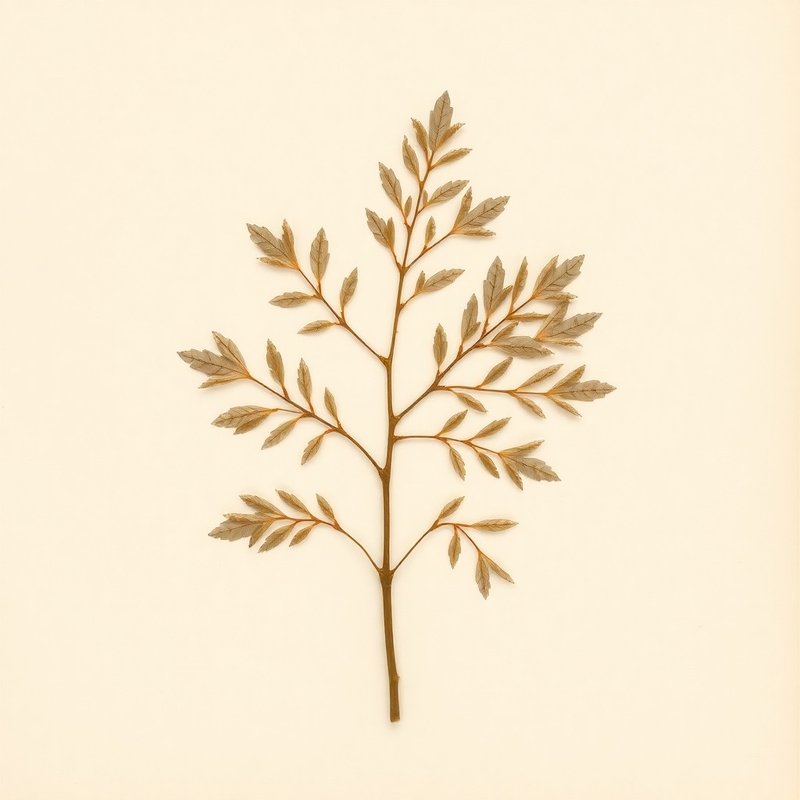
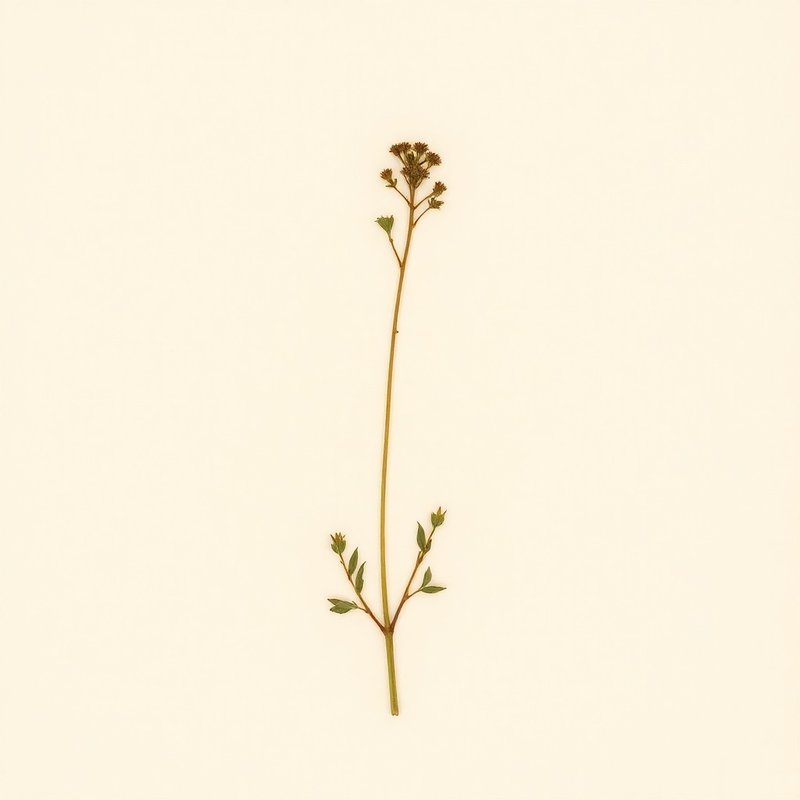
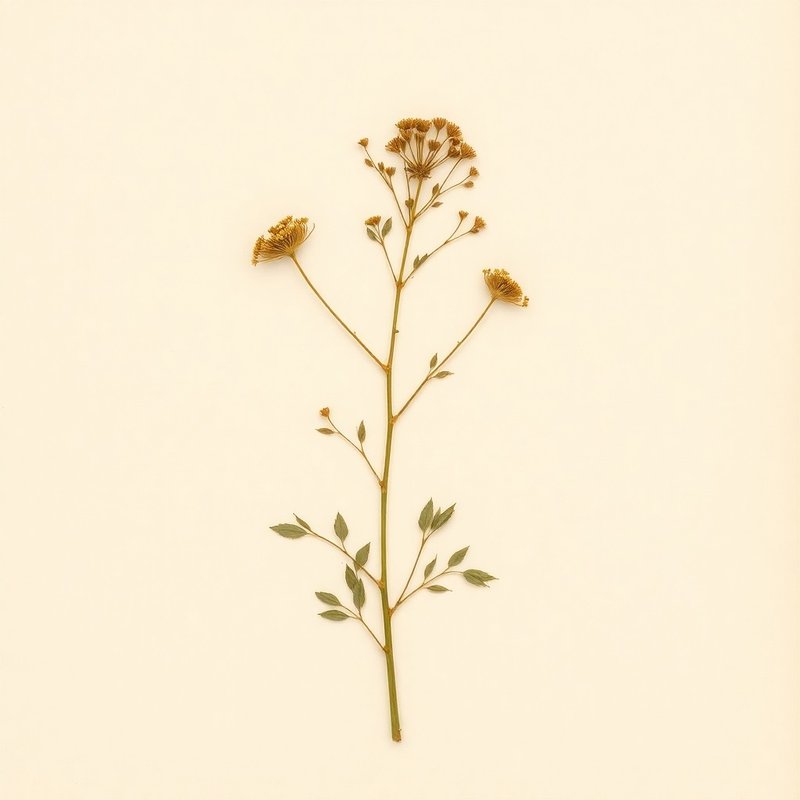
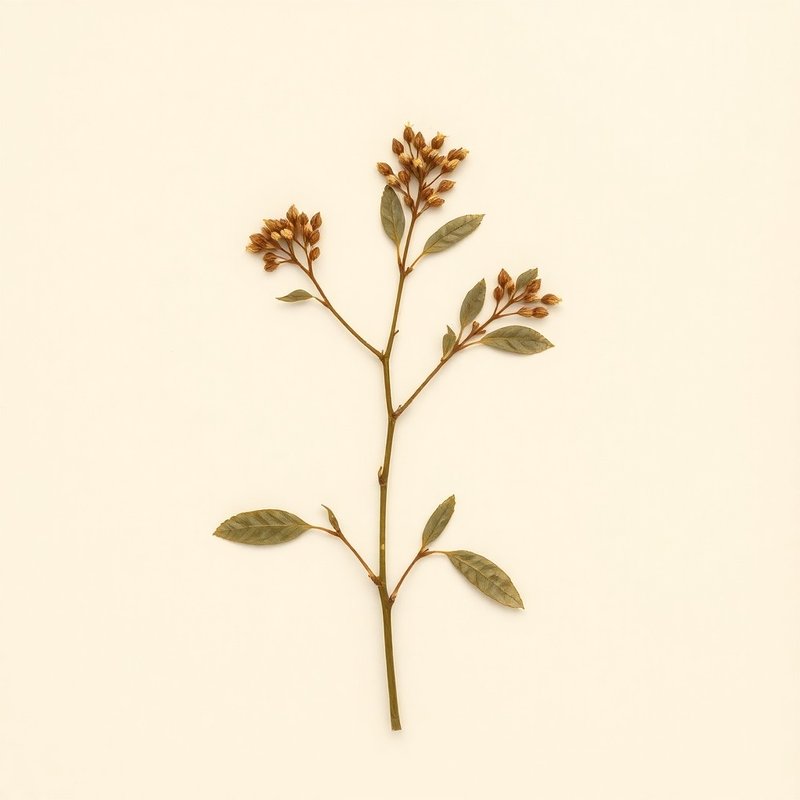
8 relatedPlants you might compare or use together — scored by shared family, common use cases, and growing requirements.
shared use cases
Different families, similar therapeutic role — good for comparing.



XI
Explore further
Companion planting
Health goals
Compare with similar plants
Growing zone
Native to
XII
About this entry
- Last updated
- Citation
- How to cite this entry · Submit a correction
Back to the cataloguePlant id · 95d2c970-91b6-419d-9852-83e8f3239a0f
Decision aid
Choosing between Field Horsetail and something else?
Continue reading
❦❦❦❦
Endpaper · archive updates
Get archive updates
Occasional email when substantial new content lands — plant profiles, seasonal growing notes, folk-remedy additions. Free, no tracking, unsubscribe anytime.
Newsletter returning soon.
We are rebuilding the update list around a lightweight editorial workflow. New dispatches will resume after the next content review cycle.