
Fritillaria sewerzowii
Fritillaria sewerzowiifam. Liliaceae
Educational content — not medical, botanical, or professional advice. Always consult a qualified clinician before using any herbal preparation — especially during pregnancy, breastfeeding, while on medication, or for children. How we source & review →
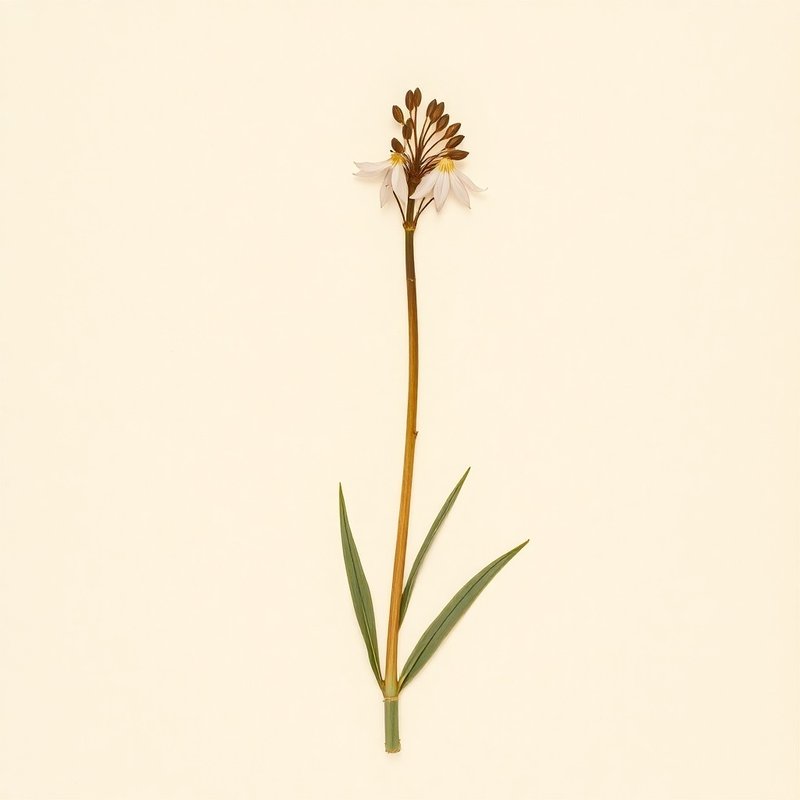
Pl. BCAE — Fritillaria sewerzowii
Fritillaria sewerzowiiFritillaria sewerzowiiFritillaria sewerzowiiFritillaria sewerzowiiFritillaria sewerzowiiFritillaria sewerzowiiFritillaria sewerzowiiFritillaria sewerzowiiFritillaria sewerzowiiFritillaria sewerzowiiFritillaria sewerzowiiFritillaria sewerzowiiFritillaria sewerzowiiFritillaria sewerzowii
IOverview
Overview
Fritillaria sewerzowii, a member of the lily family, is native to the mountainous regions of Kazakhstan, Kirgizstan, Tadzhikistan, and Uzbekistan. This plant thrives in full sun to partial shade, tolerating both dry and moist conditions, making it adaptable to various environments within its native range. Its light requirements and soil preferences—ranging from sandy to medium textures—allow for growth in diverse habitats. The bulb of Fritillaria sewerzowii is edible, adding a unique culinary component to local cuisine. This plant stands at about 0.3 meters tall, making it an interesting addition to gardens or landscapes where its ornamental value and edibility can be appreciated.
Quick answers
What is Fritillaria sewerzowii?
Fritillaria sewerzowii, a member of the lily family, is native to the mountainous regions of Kazakhstan, Kirgizstan, Tadzhikistan, and Uzbekistan. This plant thrives in full sun to partial shade, tolerating both dry and moist conditions, making it adaptable to various environments within its native range.
What is Fritillaria sewerzowii used for?
Traditionally used for better sleep. Each claim is evidence-rated — see Section II for full citations.
Best for
Top 1 evidence-ranked use of Fritillaria sewerzowii
Clinicaluses · safety · chemistry · dosagemedicinal profile
IIBenefits & evidence
1 claim · 0 sources
Benefits & evidence
1 claim · 0 sources- Traditional-use note: Fritillaria sewerzowii appears in herbal sources around evening relaxation and bedtime routines, often as a tincture. PlantSage presents this as ethnobotanical context, not as medical advice.
Traditional context only. This reviewed claim keeps the original low confidence level, but avoids treatment, disease, dosage, or guaranteed-effect language.
Growingconditions · propagation · uses
VCultivation
Cultivation
Fritillaria sewerzowii thrives in full to partial sun and prefers well-draining soil that is light or sandy with medium moisture levels. It is hardy in zones 4-8 and grows to a height of about 0.3 meters. For best results, plant the bulbs in dry to moist conditions. SKIP
Light
Full sun, Partial sun/shade
Water
Dry, Moist
Soil
Light (sandy), Medium
Hardiness
4-8
Mature size
0.3 m tall
For first-time growers
How to grow Fritillaria sewerzowii for the first time
8steps
Start with planting Skip in a sunny spot and follow these simple steps for success.
- 1
What you'll need
Skip bulbs, well-draining soil, a trowel.
- 2
Best time to plant
Plant in autumn or early spring when the soil is cool.
- 3
Soil and container prep
Choose a location with light to partial sun. Ensure the soil is sandy or medium-textured, not too heavy.
- 4
Sowing or transplanting
Plant bulbs 10-15 cm deep and about twice their width apart in well-draining soil.
- 5
First two weeks
Water sparingly to avoid rot. Keep the area weed-free but don't mulch.
- 6
Ongoing care
Skip prefers dry conditions, so water only if there's a prolonged drought. Fertilize lightly in spring.
- 7
Harvest or pruning
No need to harvest; simply allow the foliage to die back naturally after flowering.
- 8
Common mistakes
Overwatering, planting too deep, not providing enough sunlight, using heavy soil, and neglecting to let the foliage die back.
VIEdible & utility
Edible & utility
Edible parts:Bulb
Edible uses: The bulb of Fritillaria sewerzowii is edible and can be prepared in various ways. Typically, it is cooked or dried before consumption. Skip the raw form due to potential bitterness.
Contextrange · companions · related
VIIDistribution
4 native · 0 introduced
Distribution
4 native · 0 introducedDistribution across1 continent· 4 native
Asia2 regions
native (2)KazakhstanUzbekistan
Broader regions
native:Kirgizstan, Tadzhikistan
IXSpecimen gallery
1 image
Specimen gallery
1 imageXSee also
8 related
See also
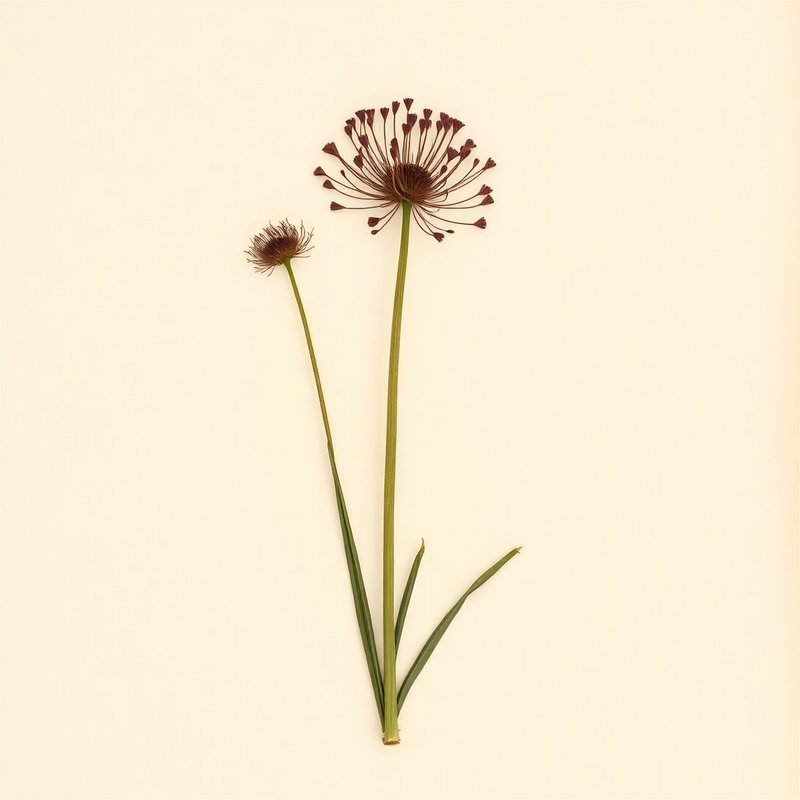
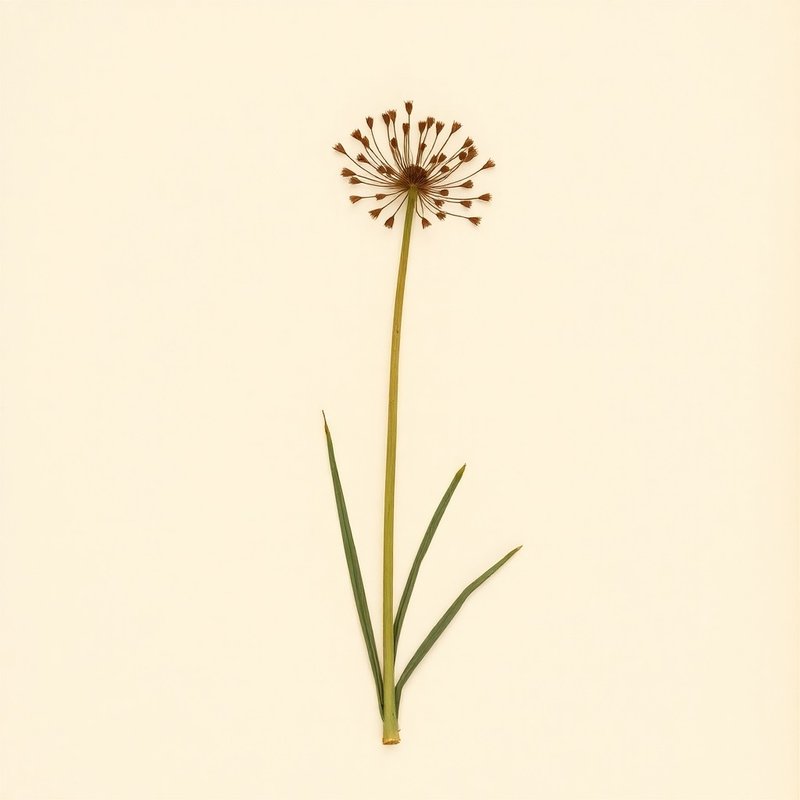
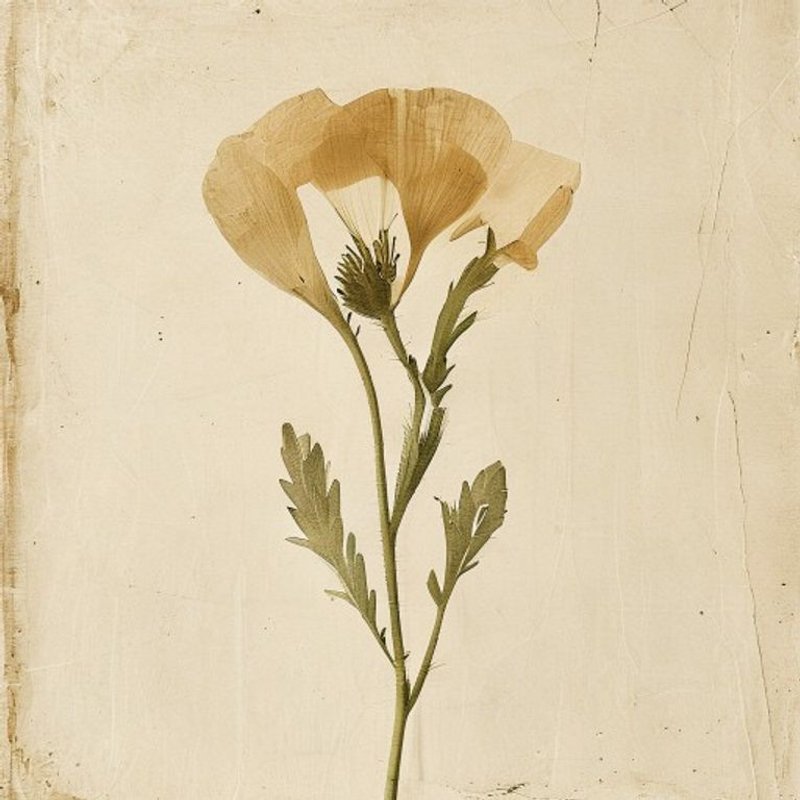
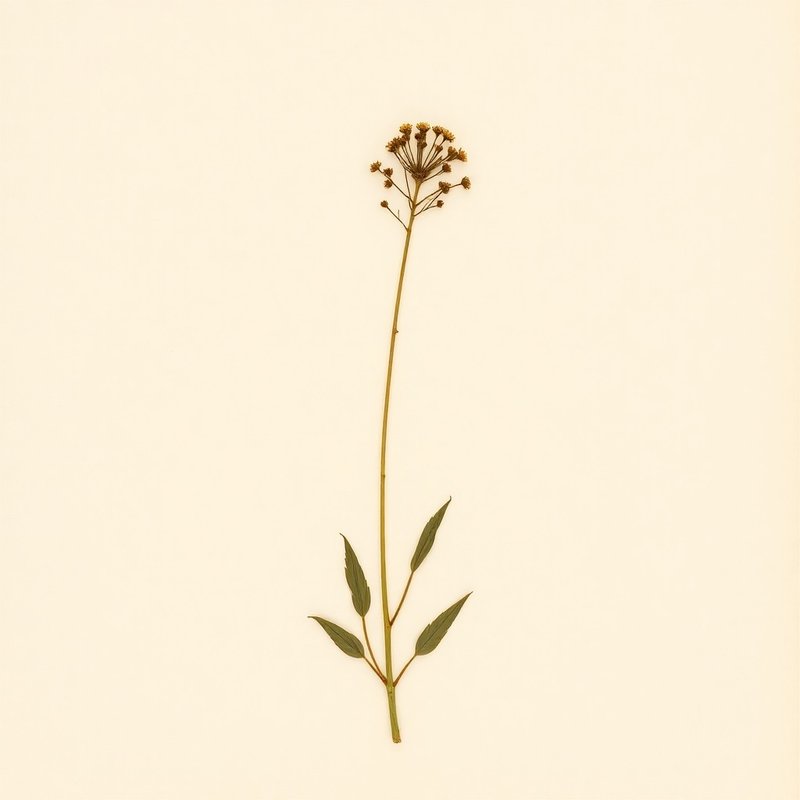
8 relatedPlants you might compare or use together — scored by shared family (Liliaceae), common use cases, and growing requirements.
same family · Liliaceae
Botanical relatives — often share phytochemistry + growing needs.

shared use cases
Different families, similar therapeutic role — good for comparing.
XI
Explore further
Companion planting
Compare with similar plants
Growing zone
XII
About this entry
- Last updated
- Citation
- How to cite this entry · Submit a correction
Back to the cataloguePlant id · bcae7738-4f30-4fe6-8d28-7f1fab8a85e7
Decision aid
Choosing between Fritillaria sewerzowii and something else?
Continue reading
❦❦❦❦
Endpaper · archive updates
Get archive updates
Occasional email when substantial new content lands — plant profiles, seasonal growing notes, folk-remedy additions. Free, no tracking, unsubscribe anytime.