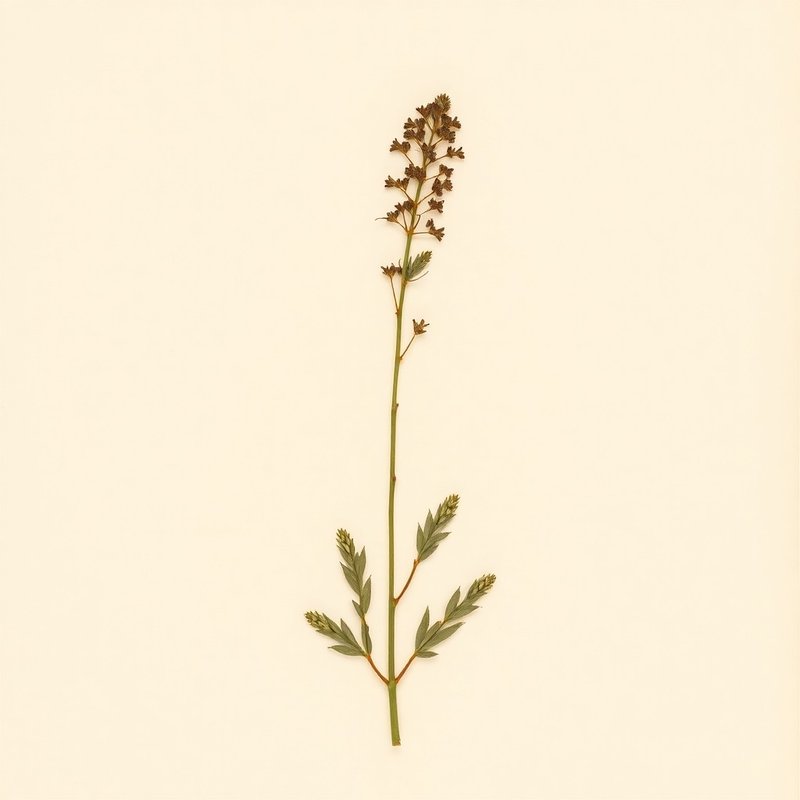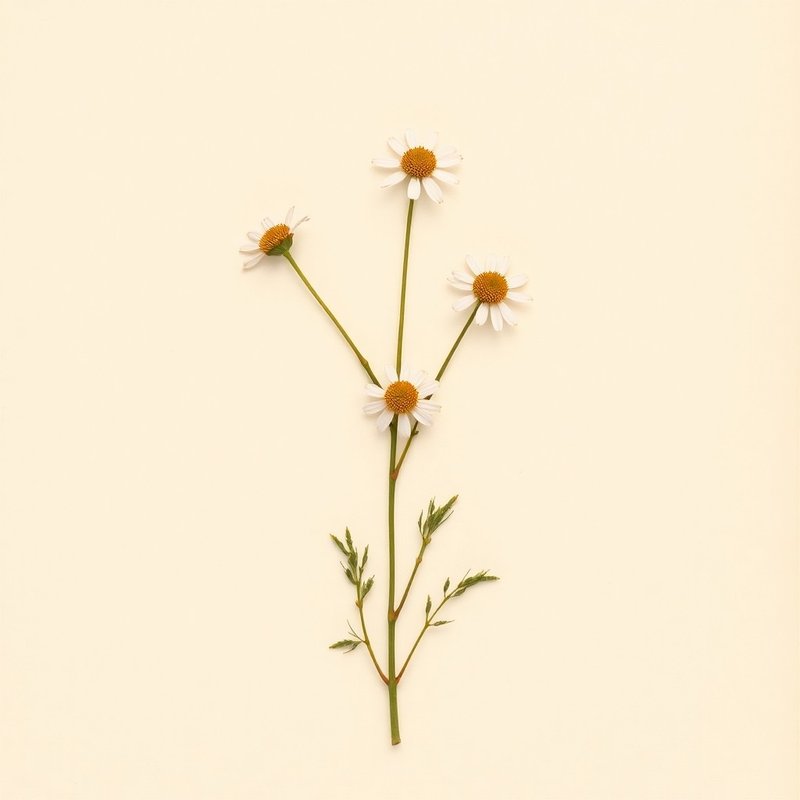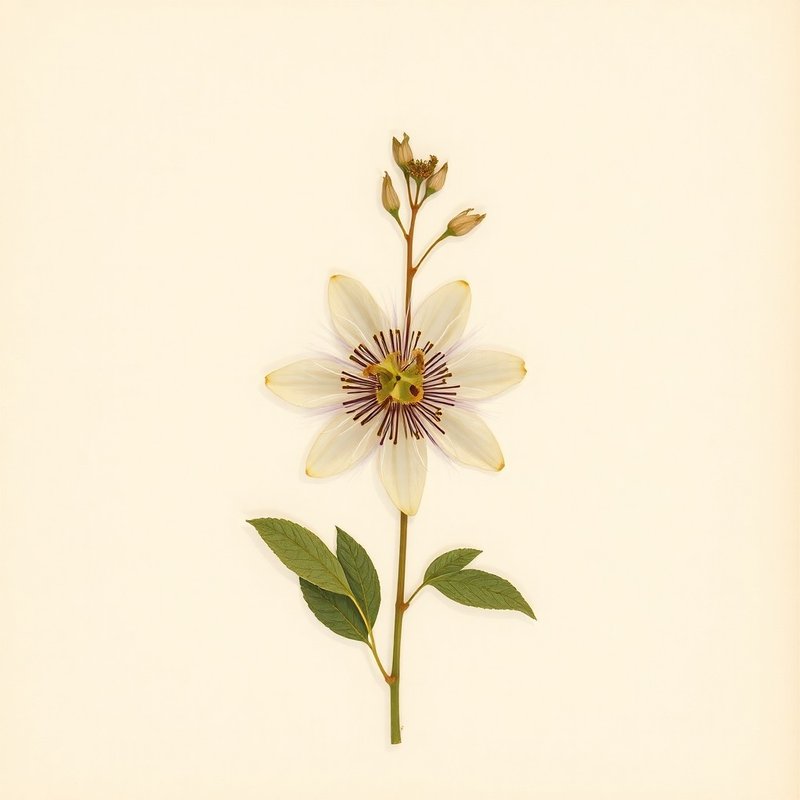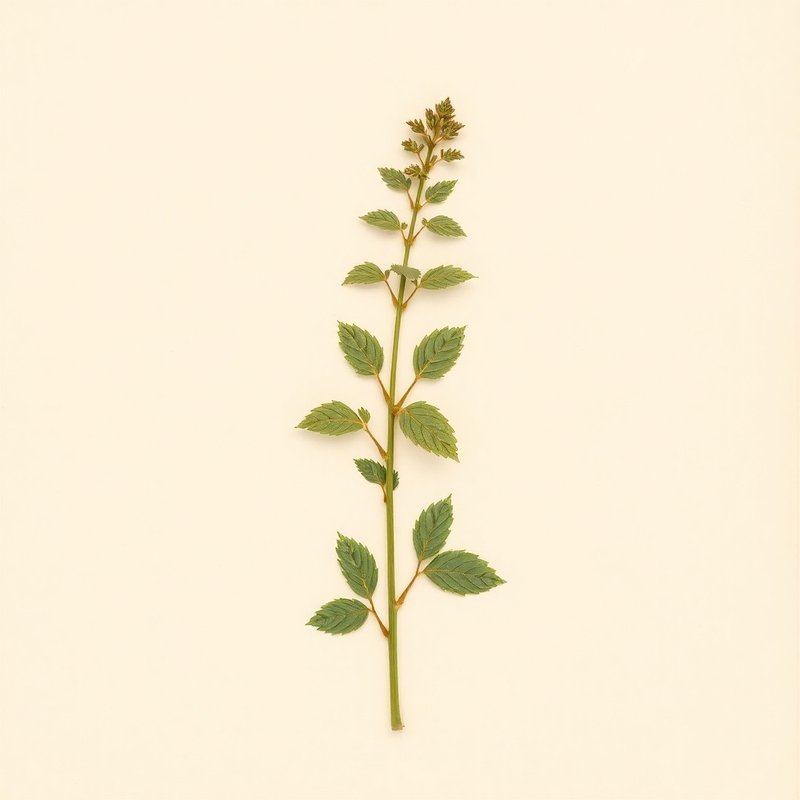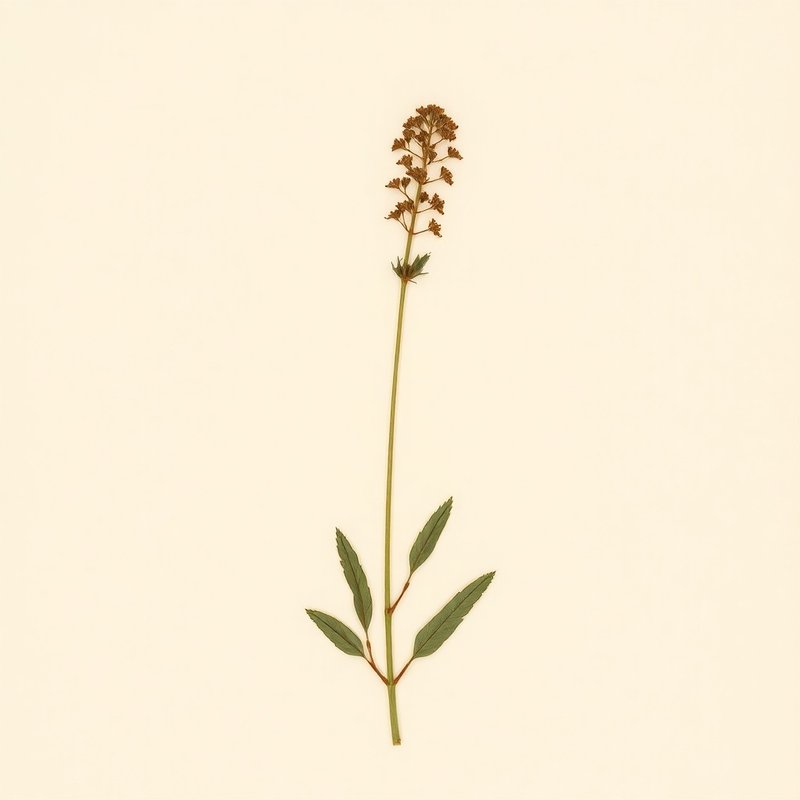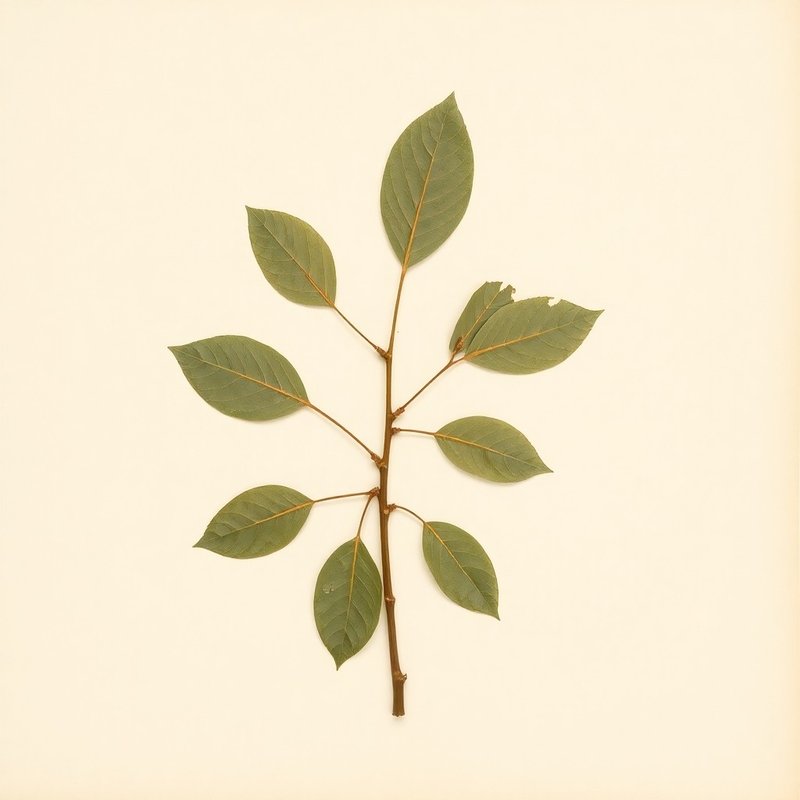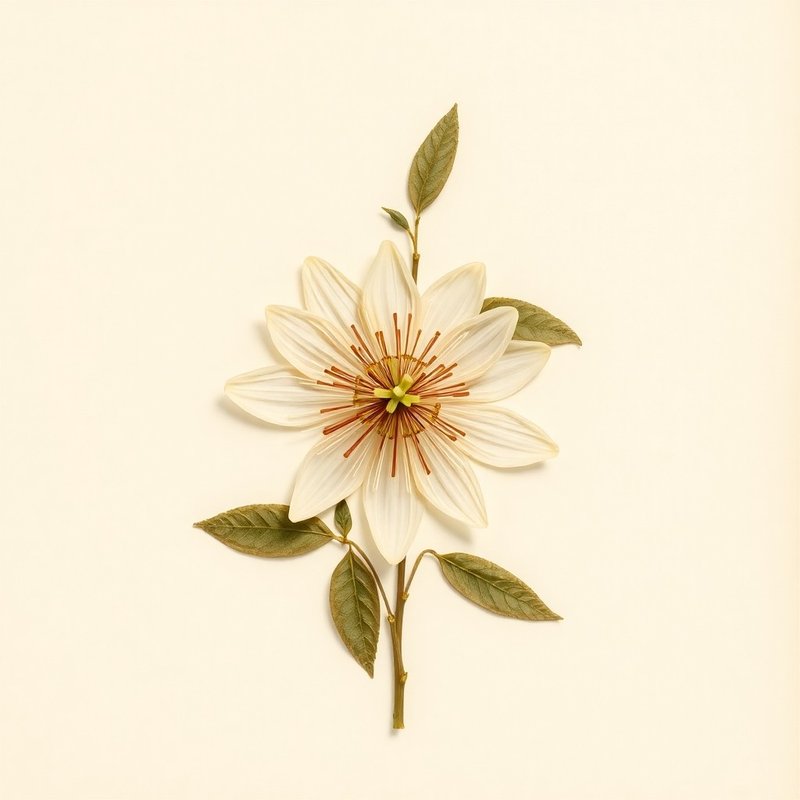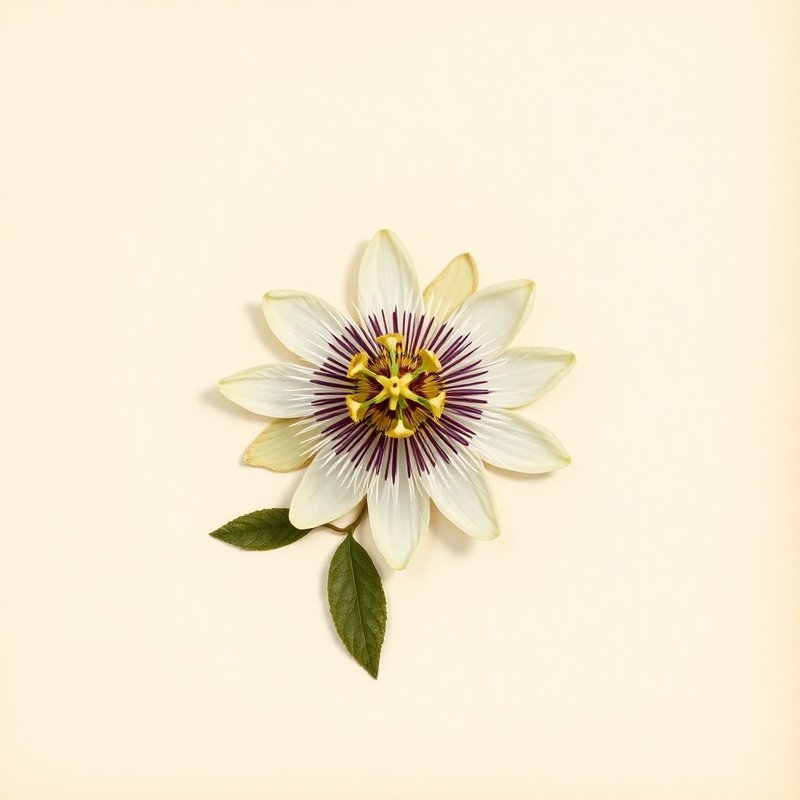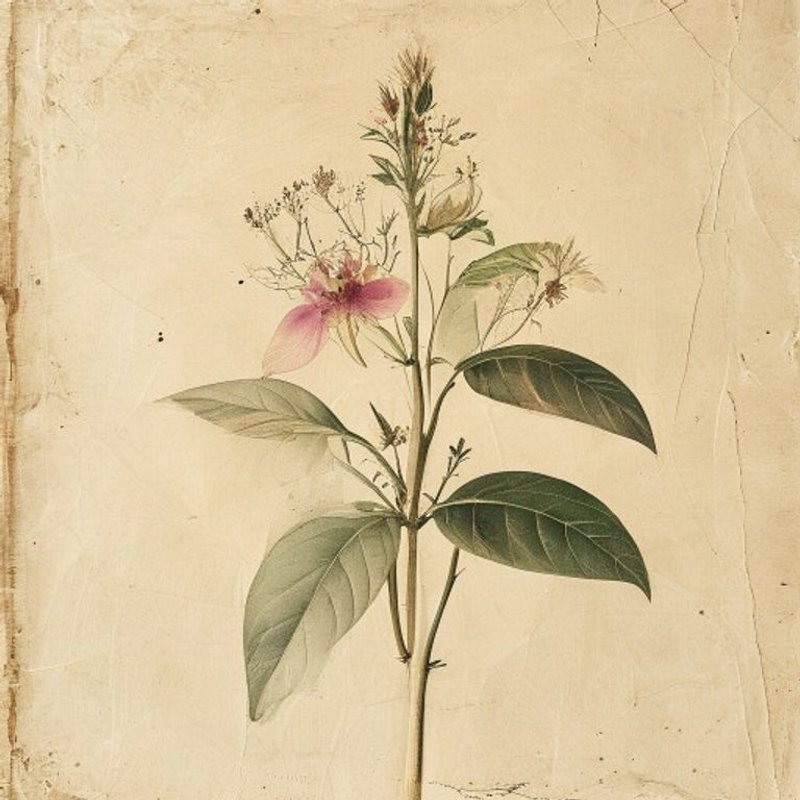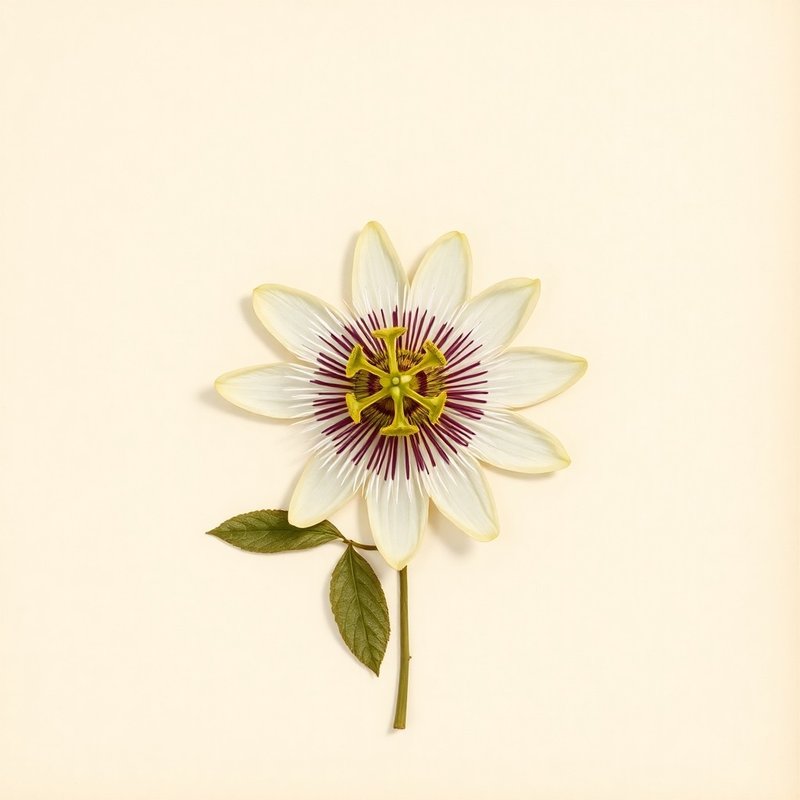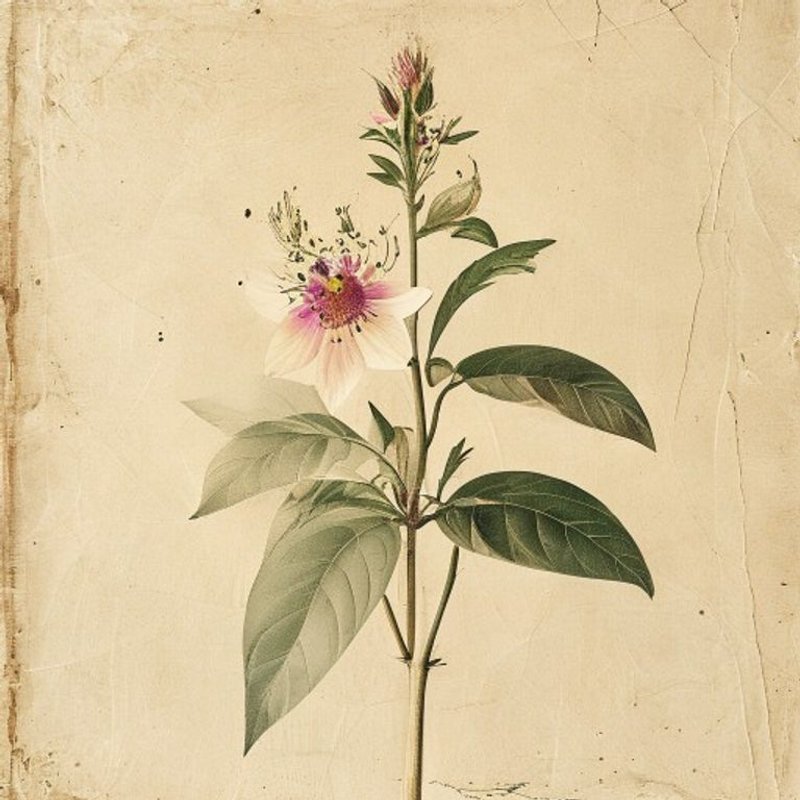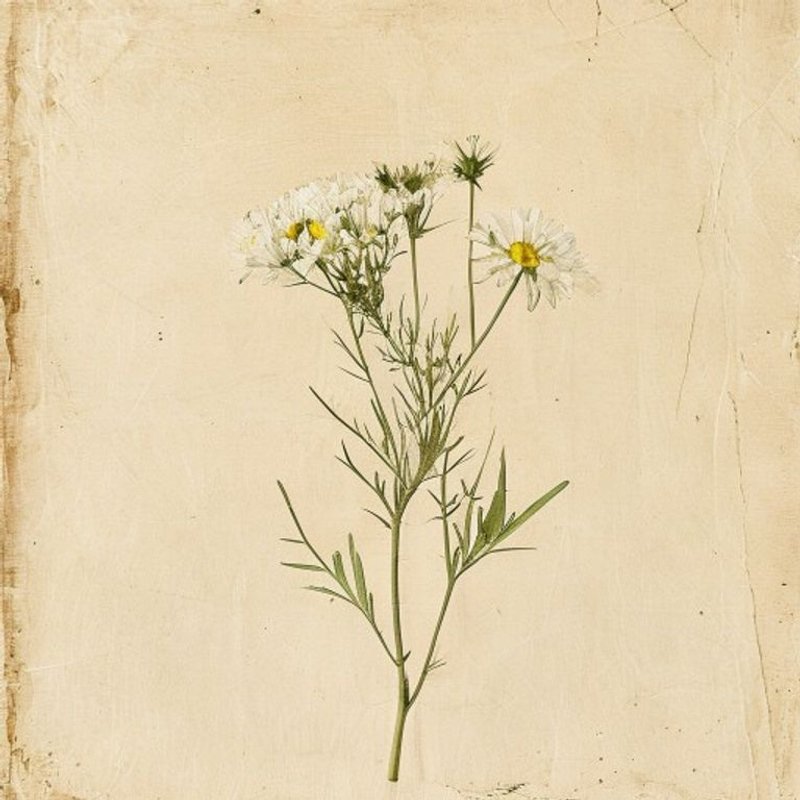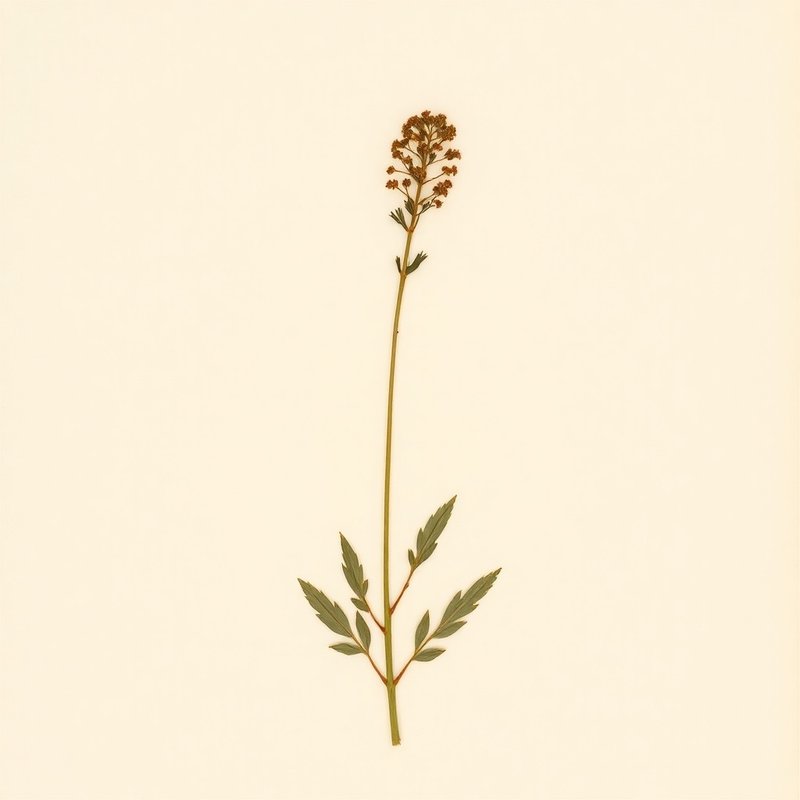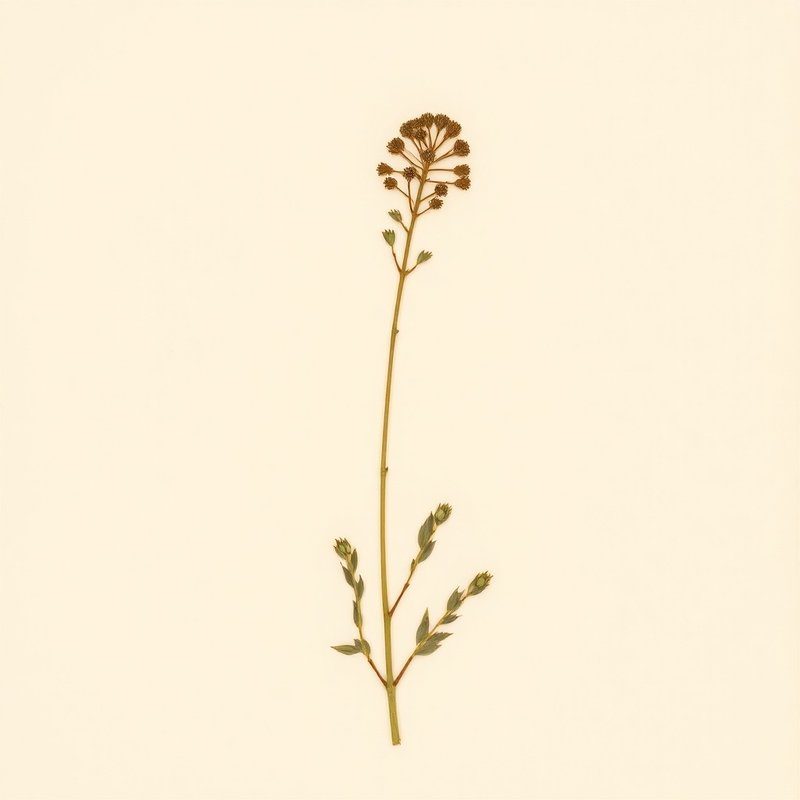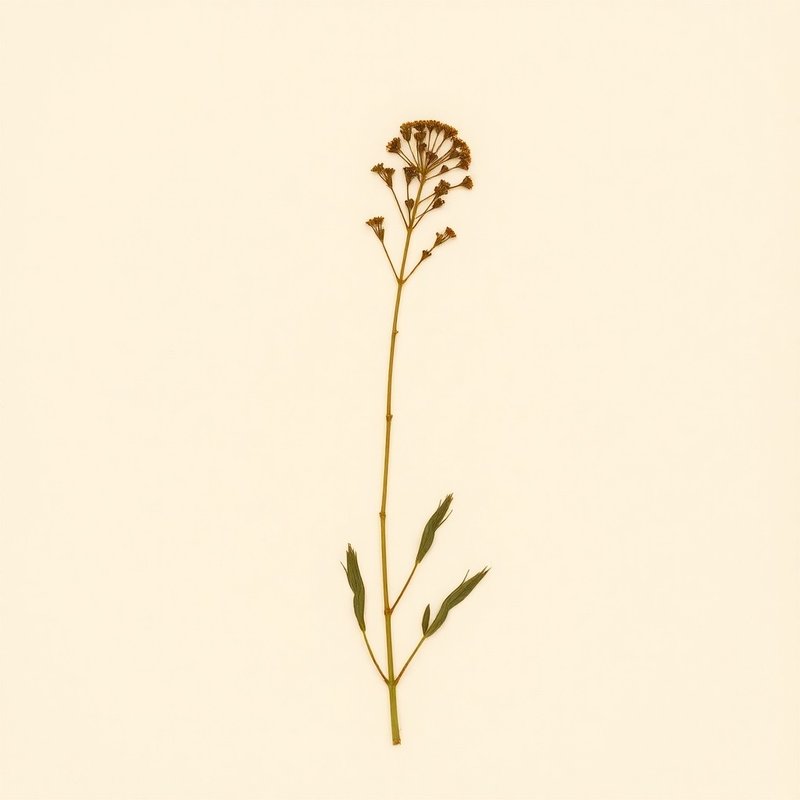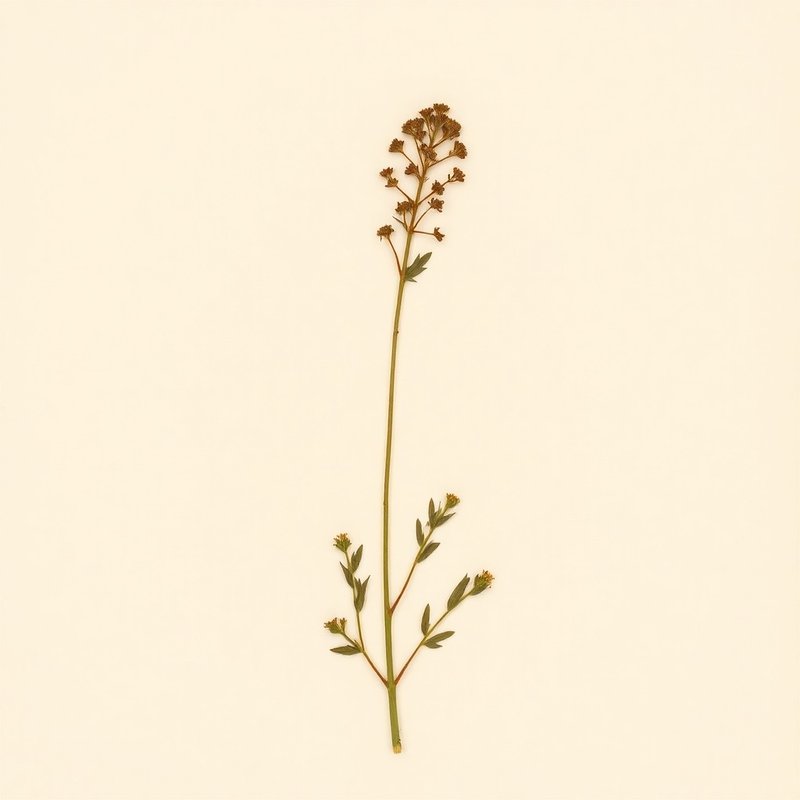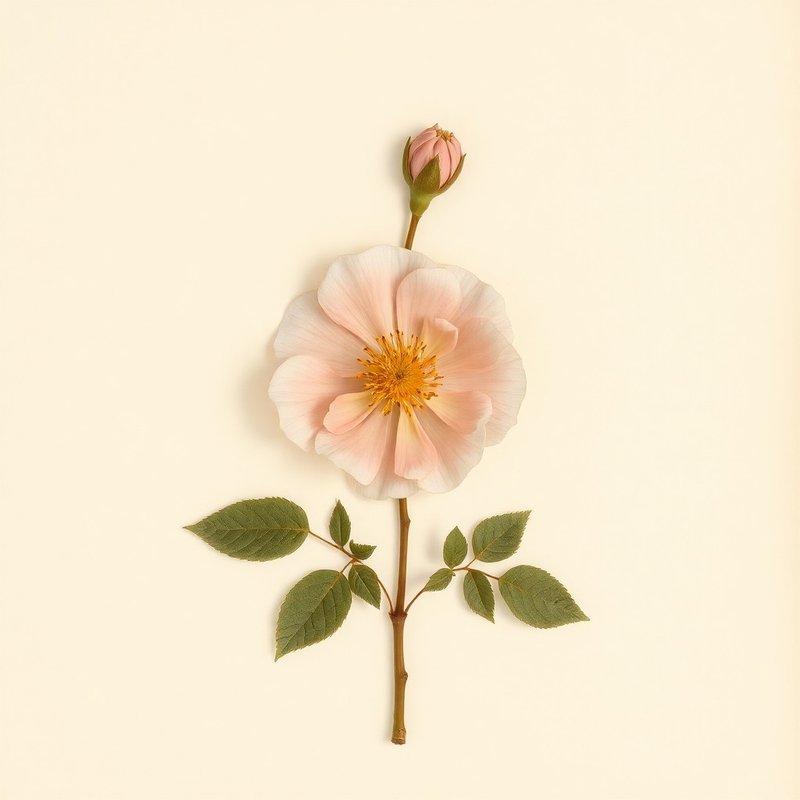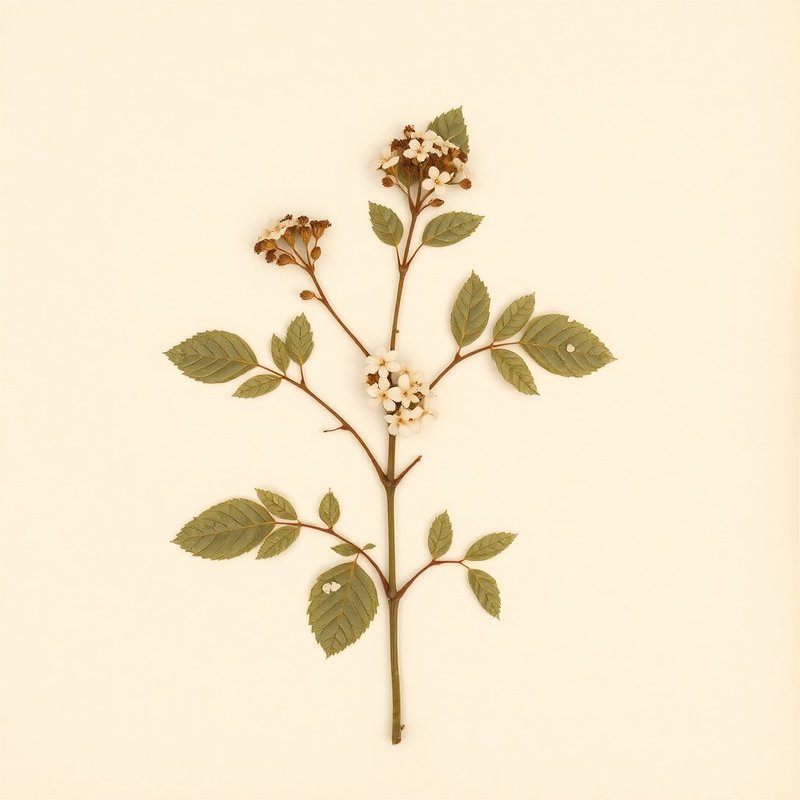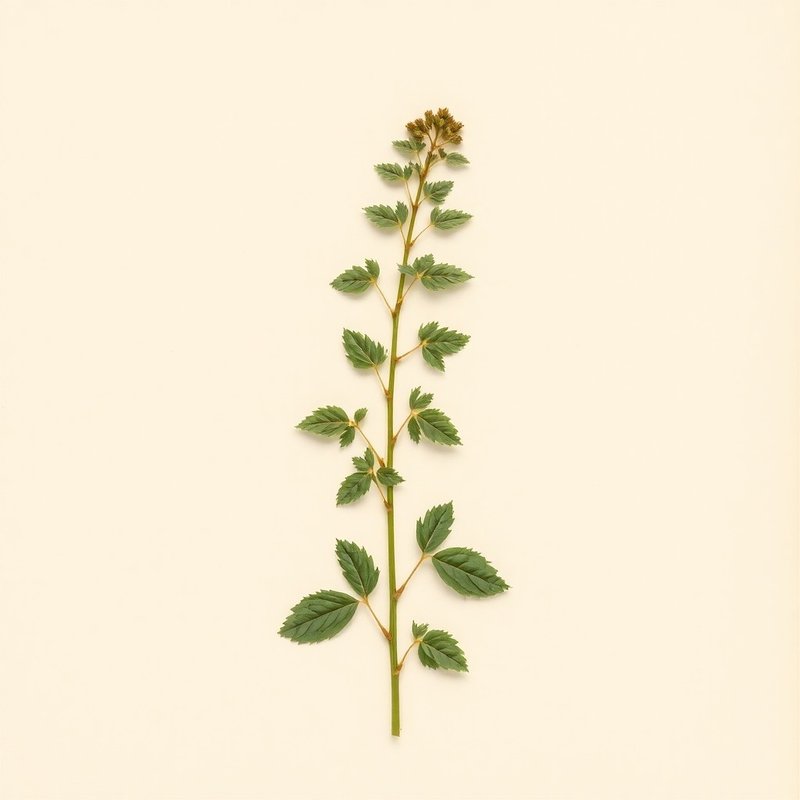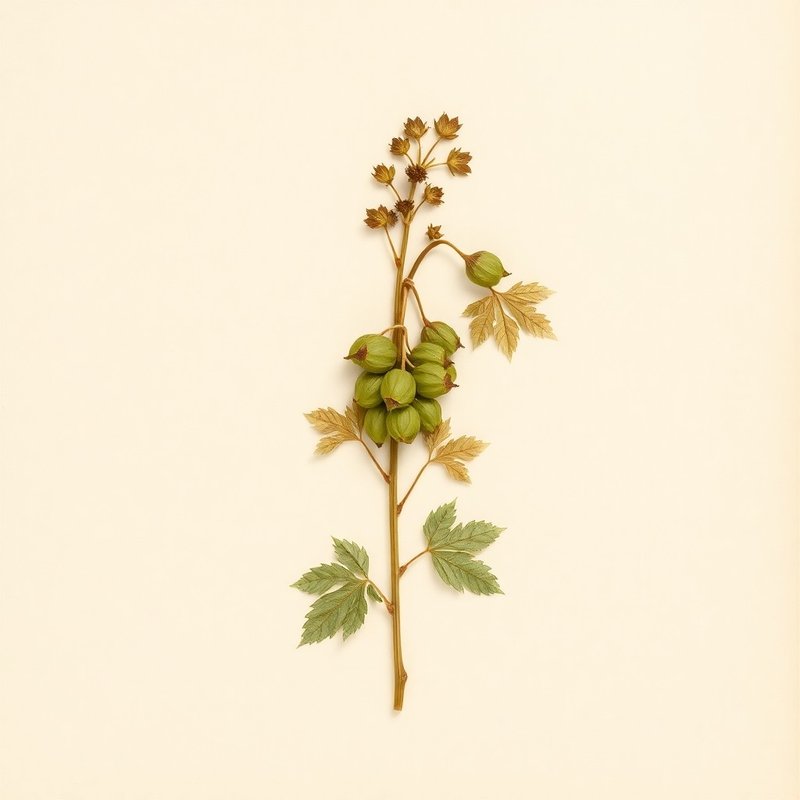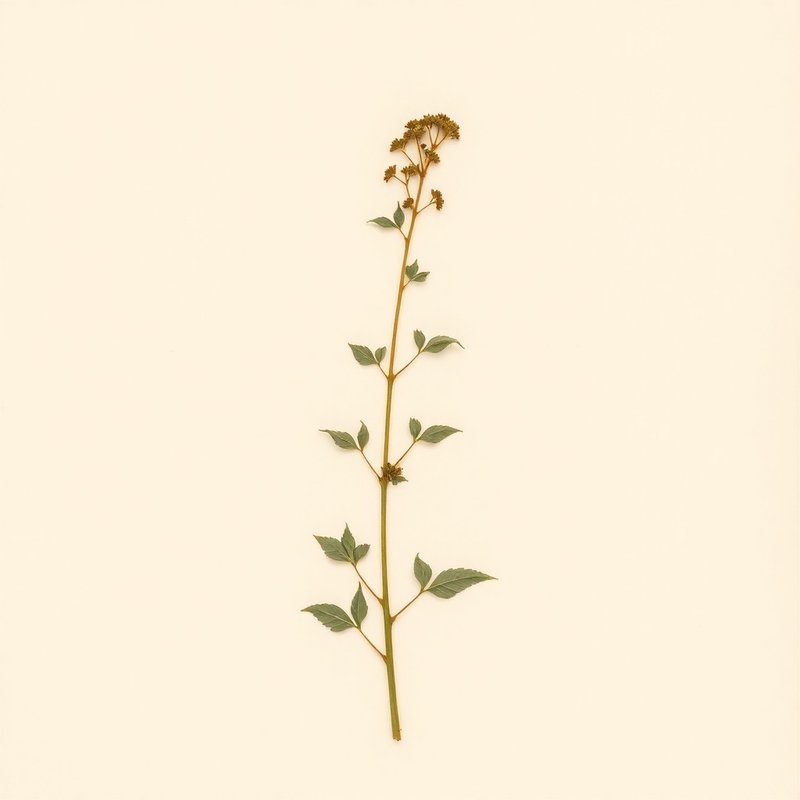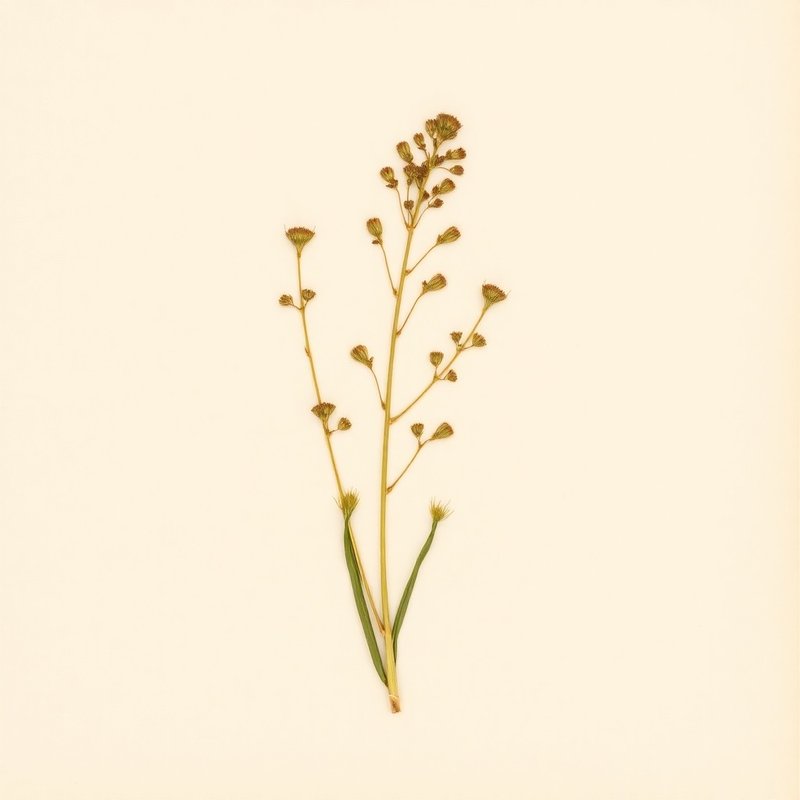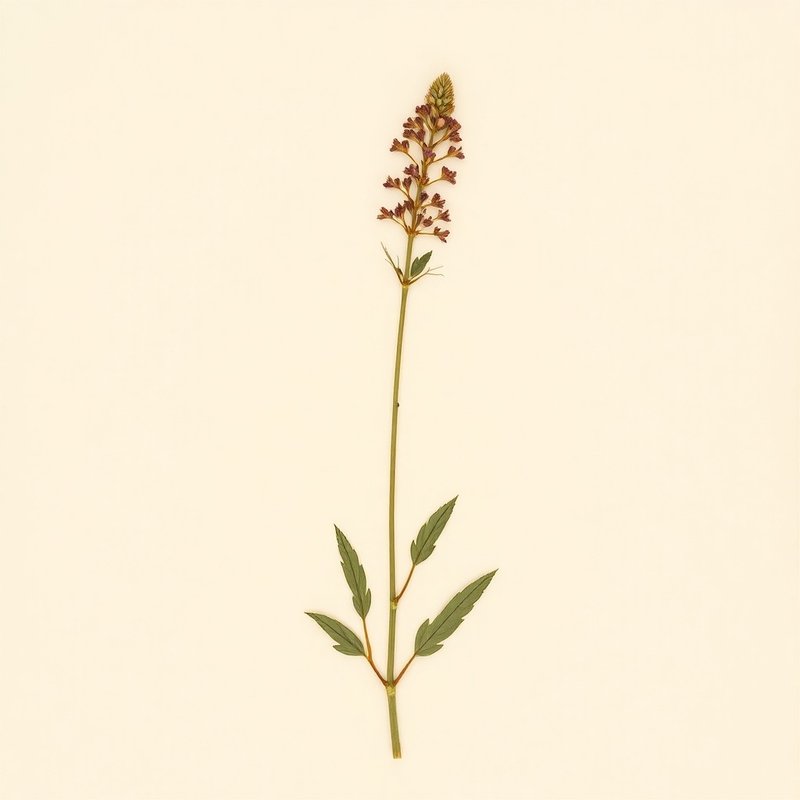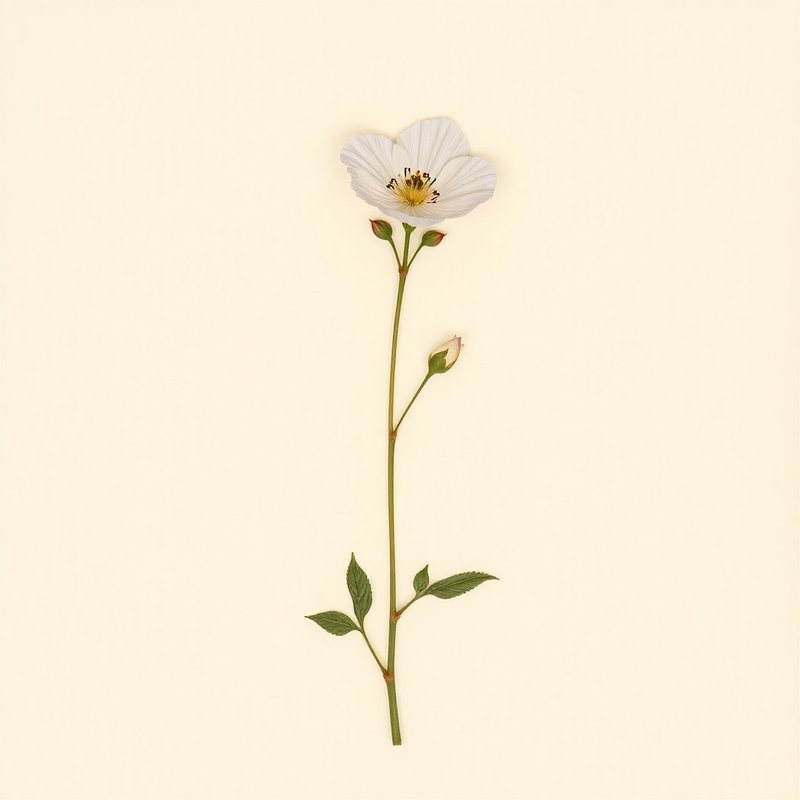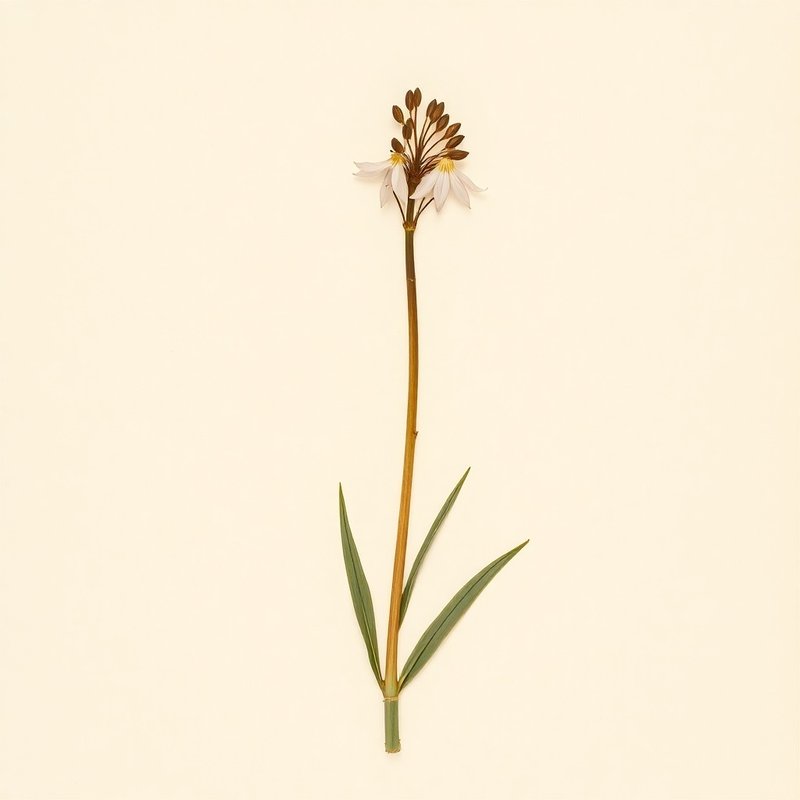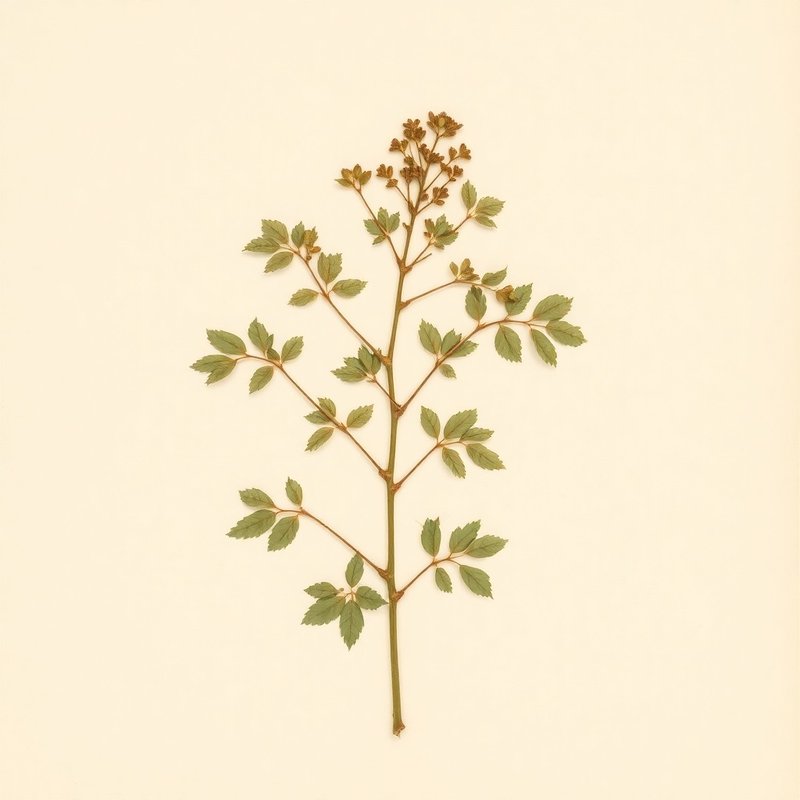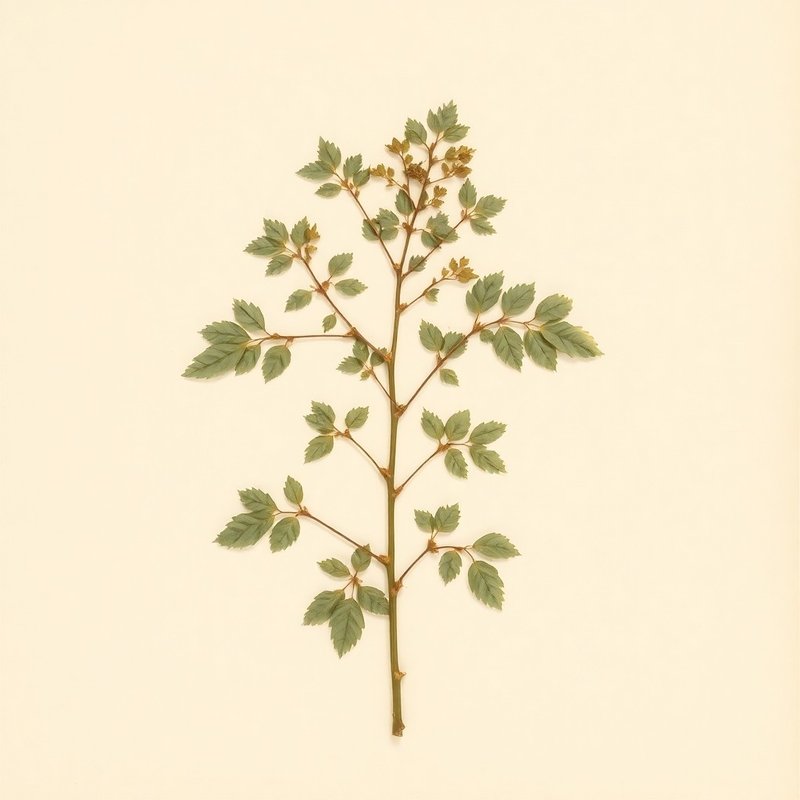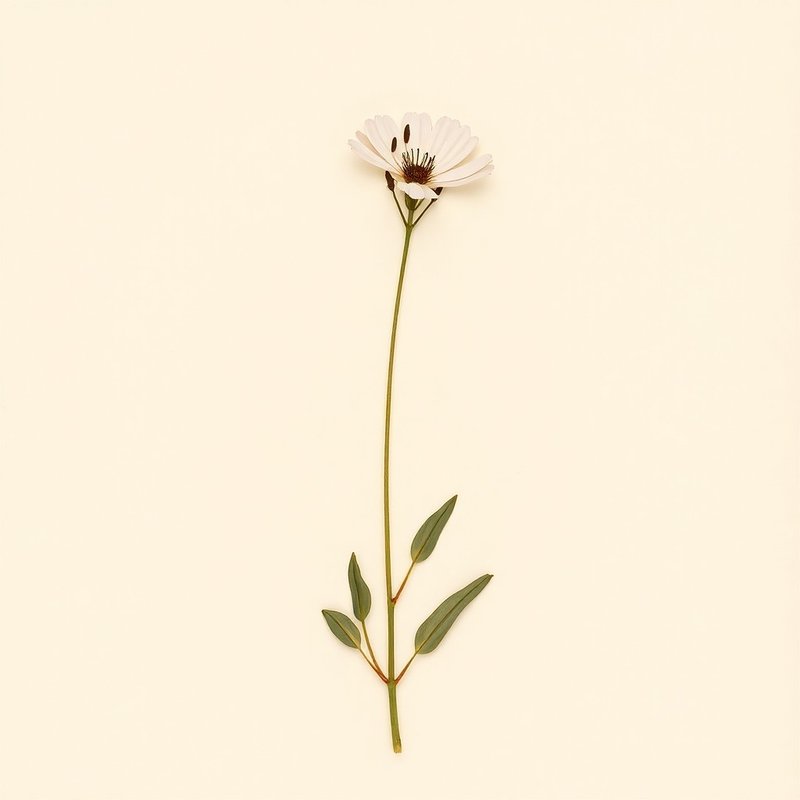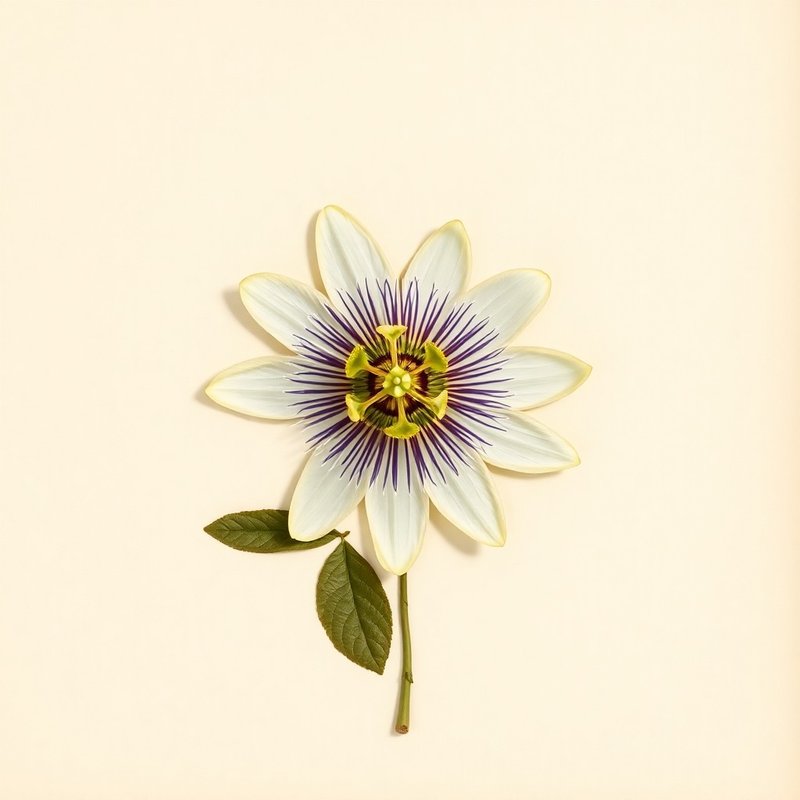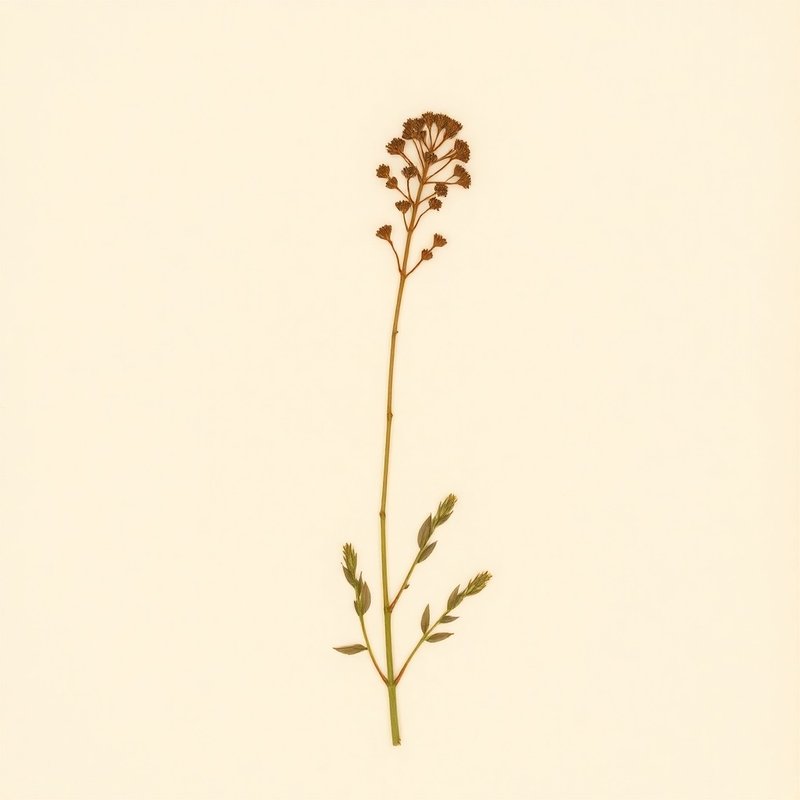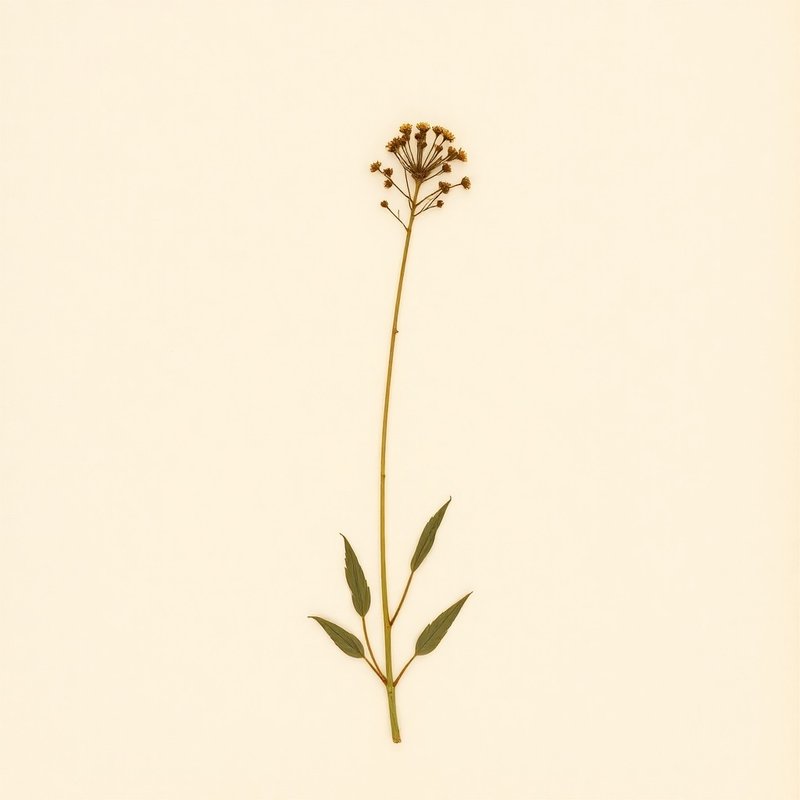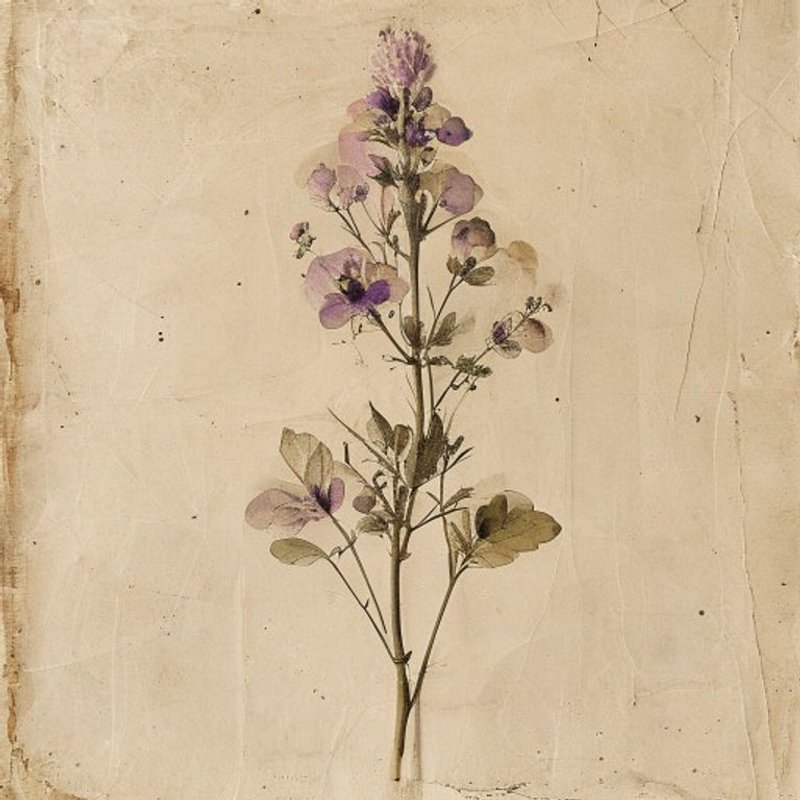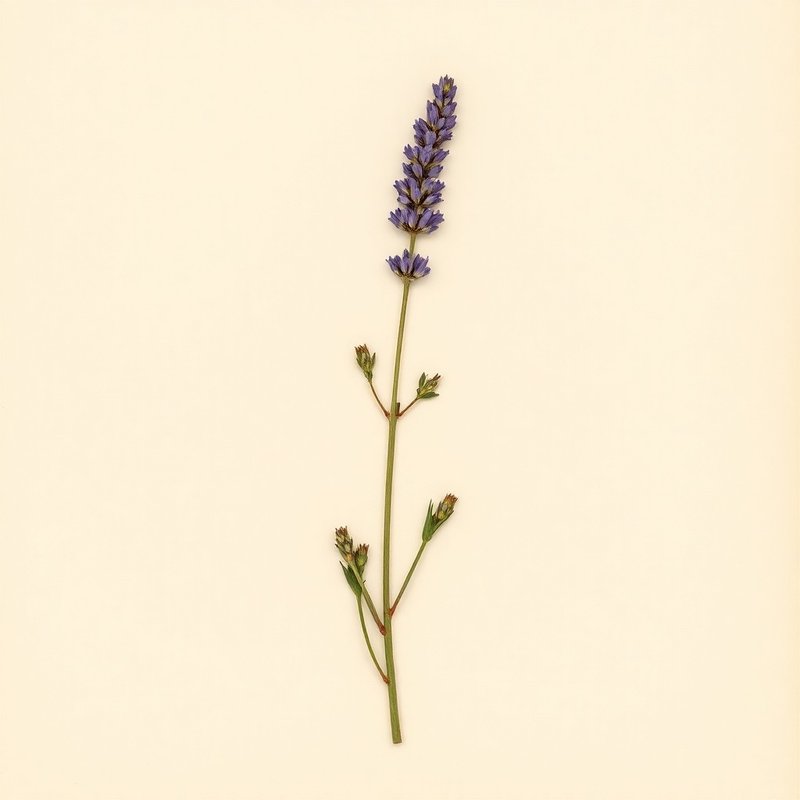
Lavender is one of the better-evidenced choices for Better sleep — 2 cited references including robust clinical evidence. Effect size d=0.85 (large). Inhalation of lavender oil reduced sleep latency in 4 RCTs (n=412) and improved subjective sleep quality (PSQI) by 18% on average vs.
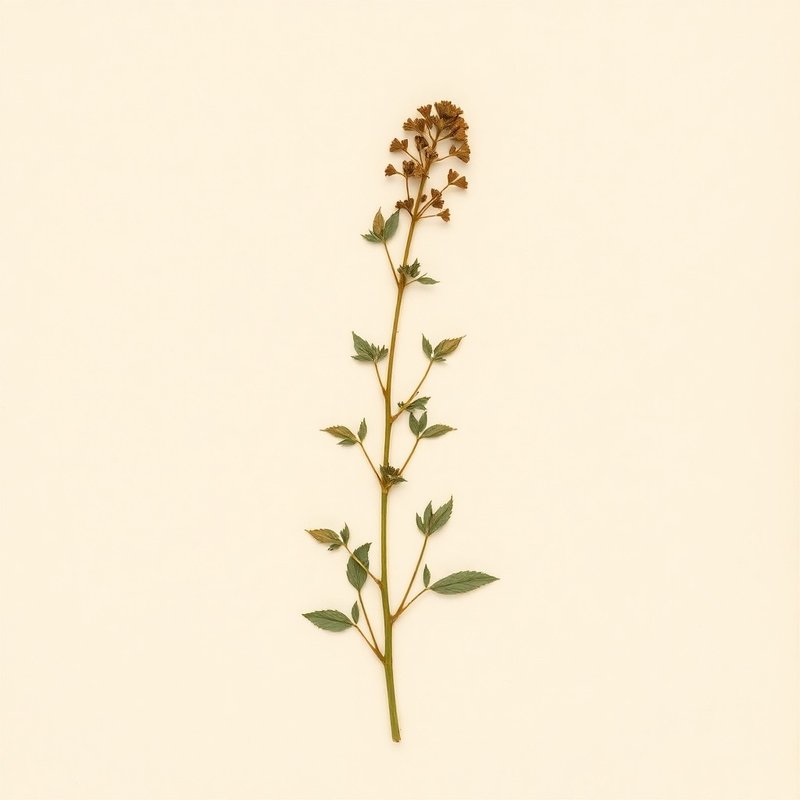
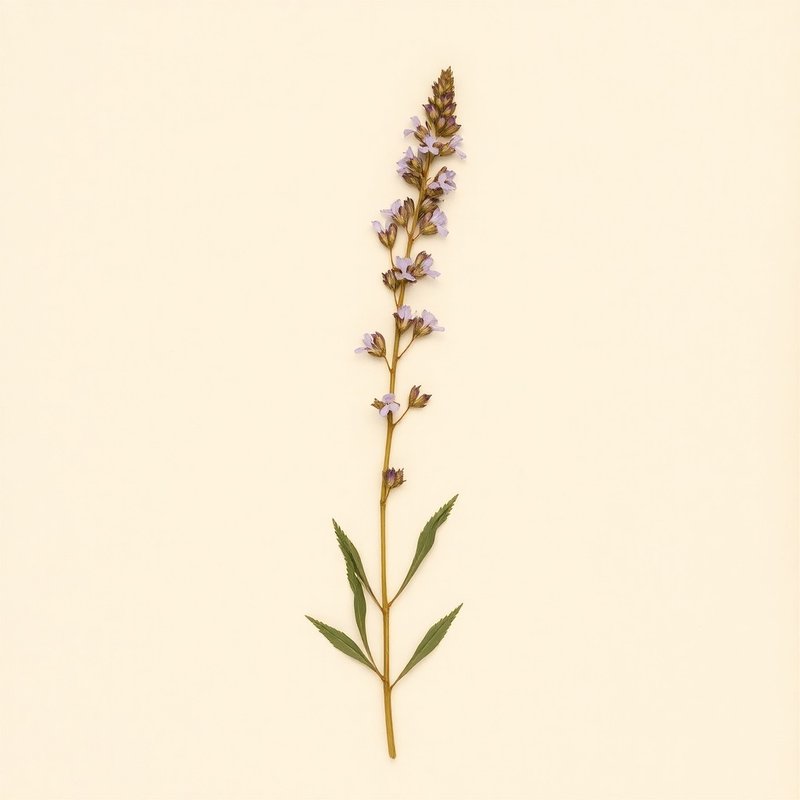
Best plants for Better sleep
We catalogue 62 plants traditionally used or clinically studied for Better sleep. Each entry shows its mechanism and evidence quality — pick by what works, not what trends.
Editor's top picks
ranked · citedRanked by confidence × effect-size × evidence count. These are the plants we'd reach for first for Better sleep. Click through for the full profile.
Valerian is one of the better-evidenced choices for Better sleep — 1 cited references including RCT-grade clinical trials. Effect size d=0.70 (large). Valerenic acid binds GABA-A β3 subunit.
Chamomile is one of the better-evidenced choices for Better sleep — 1 cited reference with moderate evidence quality. Effect size d=0.55 (moderate). GABA-A binding by apigenin; small RCT in care-home residents.
At a glance
top 10Use the Decision guide below to filter for pregnancy-safe, gentle, or specific preparation forms. Or open any plant recommendation above for full evidence detail.
High-confidence evidence
2 plantsImproves sleep onset and quality
Mechanism: Inhalation of lavender oil reduced sleep latency in 4 RCTs (n=412) and improved subjective sleep quality (PSQI) by 18% on average vs. placebo.
Reduces sleep latency
Mechanism: Valerenic acid binds GABA-A β3 subunit. Meta-analyses show small-to-moderate effect on subjective sleep quality.
Moderate evidence
34 plantsMild improvement in sleep quality (elderly)
Mechanism: GABA-A binding by apigenin; small RCT in care-home residents.
Improves sleep quality
Mechanism: Subjective and PSG measures both improved in pilot trials.
Supports sleep quality (mild)
Mechanism: Combined with valerian or alone; small clinical effect on sleep onset and quality.
American Basswood has been traditionally used in North American herbalism for promoting restful sleep, often prepared as a tea. The flowers and leaves are steeped to create an infusion that may help ease into sleep.
Mechanism: The mechanism by which Tilia americana supports sleep is not fully characterised but is thought to involve compounds such as flavonoids and mucilage, which have soothing properties.
Traditional-use note: Amur Linden appears in herbal sources around evening relaxation and bedtime routines, often as a tea. PlantSage presents this as ethnobotanical context, not as medical advice.
Mechanism: Traditional context only. This reviewed claim keeps the original moderate confidence level, but avoids treatment, disease, dosage, or guaranteed-effect language.
Traditional-use note: Carolina Basswood appears in herbal sources around evening relaxation and bedtime routines, often as a tea. PlantSage presents this as ethnobotanical context, not as medical advice.
Mechanism: Traditional context only. This reviewed claim keeps the original moderate confidence level, but avoids treatment, disease, dosage, or guaranteed-effect language.
Traditional-use note: Coltsfoot appears in herbal sources around evening relaxation and bedtime routines, often as a tea. PlantSage presents this as ethnobotanical context, not as medical advice.
Mechanism: Traditional context only. This reviewed claim keeps the original moderate confidence level, but avoids treatment, disease, dosage, or guaranteed-effect language.
Traditional-use note: Granadilla de Quijos appears in herbal sources around evening relaxation and bedtime routines, often as a tea. PlantSage presents this as ethnobotanical context, not as medical advice.
Mechanism: Traditional context only. This reviewed claim keeps the original moderate confidence level, but avoids treatment, disease, dosage, or guaranteed-effect language.
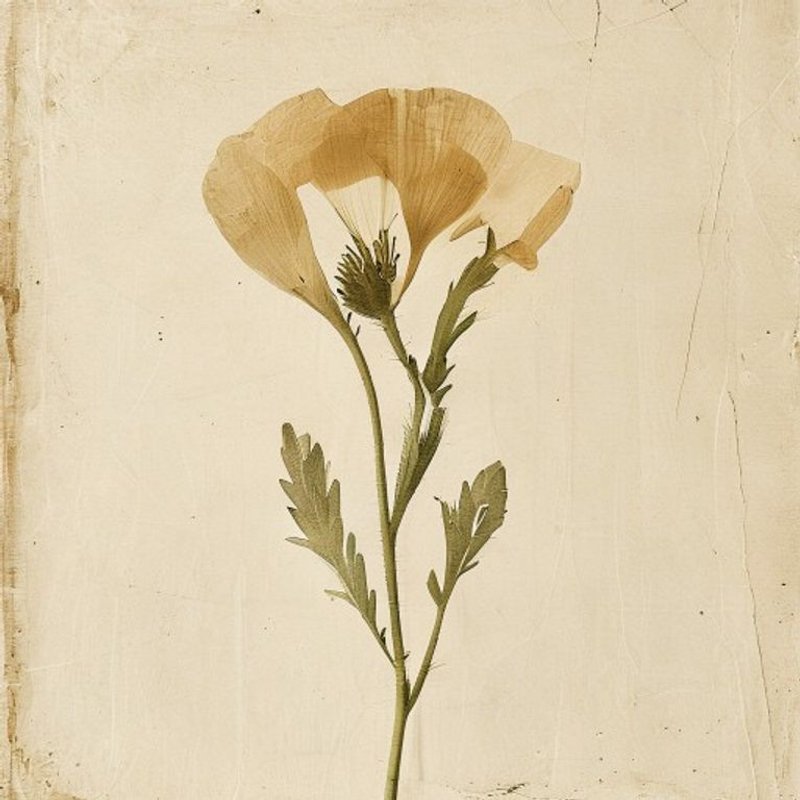
Traditional-use note: Iceland Poppy appears in herbal sources around evening relaxation and bedtime routines, often as a tea. PlantSage presents this as ethnobotanical context, not as medical advice.
Mechanism: Traditional context only. This reviewed claim keeps the original moderate confidence level, but avoids treatment, disease, dosage, or guaranteed-effect language.
Traditional-use note: Indian Lettuce appears in herbal sources around evening relaxation and bedtime routines, often as a decoction. PlantSage presents this as ethnobotanical context, not as medical advice.
Mechanism: Traditional context only. This reviewed claim keeps the original moderate confidence level, but avoids treatment, disease, dosage, or guaranteed-effect language.
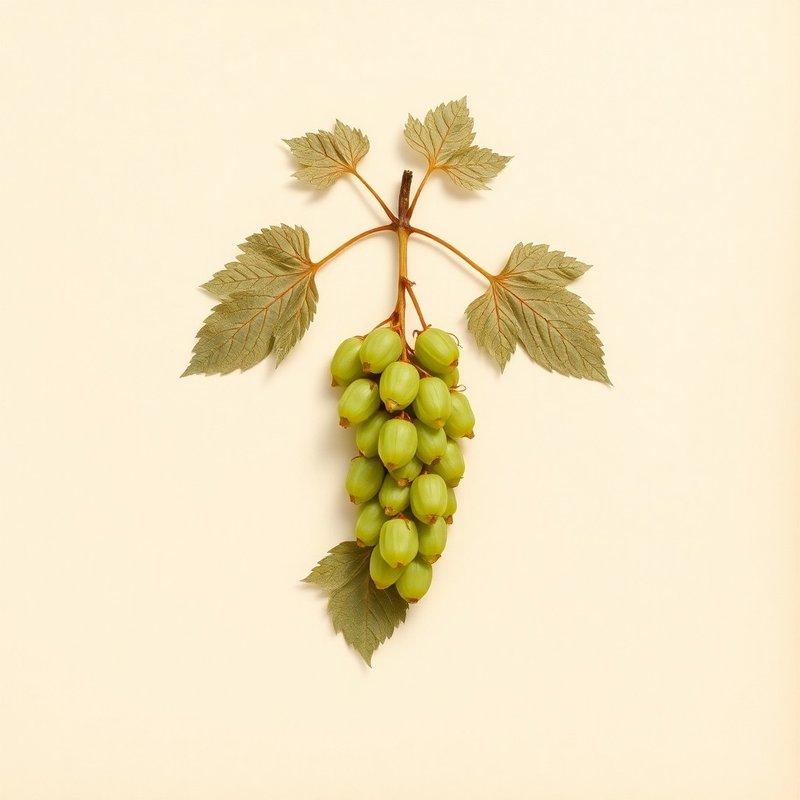
Traditional-use note: Japanese Hop appears in herbal sources around evening relaxation and bedtime routines, often as a tea. PlantSage presents this as ethnobotanical context, not as medical advice.
Mechanism: Traditional context only. This reviewed claim keeps the original moderate confidence level, but avoids treatment, disease, dosage, or guaranteed-effect language.
Traditional-use note: Lactuca raddeana appears in herbal sources around evening relaxation and bedtime routines, often as a decoction. PlantSage presents this as ethnobotanical context, not as medical advice.
Mechanism: Traditional context only. This reviewed claim keeps the original moderate confidence level, but avoids treatment, disease, dosage, or guaranteed-effect language.
Traditional-use note: Linden appears in herbal sources around evening relaxation and bedtime routines, often as a tea. PlantSage presents this as ethnobotanical context, not as medical advice.
Mechanism: Traditional context only. This reviewed claim keeps the original moderate confidence level, but avoids treatment, disease, dosage, or guaranteed-effect language.
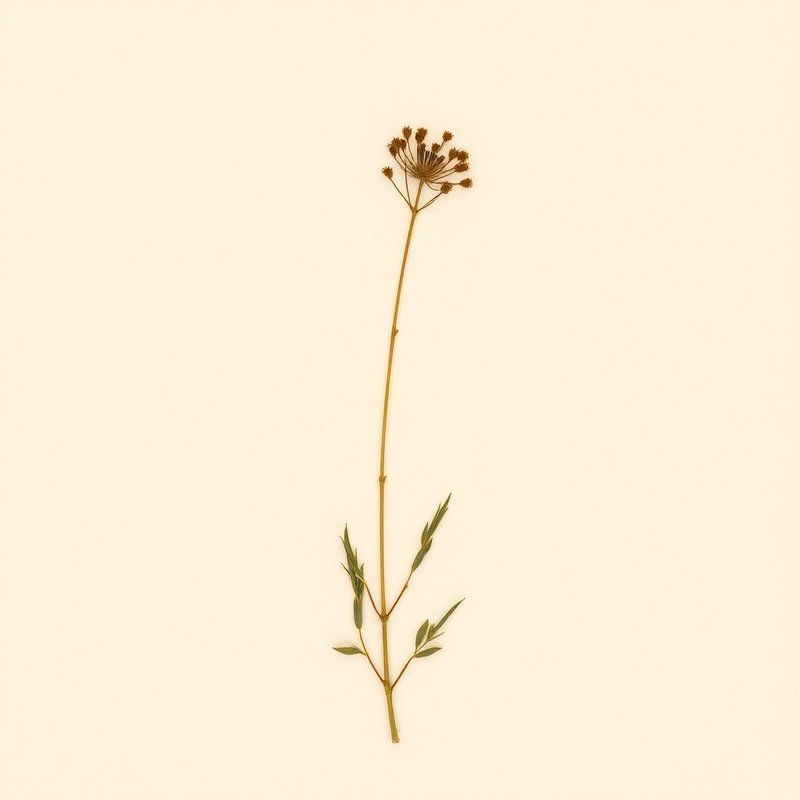
Traditional-use note: Marsh Valerian appears in herbal sources around evening relaxation and bedtime routines, often as a tincture. PlantSage presents this as ethnobotanical context, not as medical advice.
Mechanism: Traditional context only. This reviewed claim keeps the original moderate confidence level, but avoids treatment, disease, dosage, or guaranteed-effect language.
Traditional-use note: Mongolian Lime appears in herbal sources around evening relaxation and bedtime routines, often as a decoction. PlantSage presents this as ethnobotanical context, not as medical advice.
Mechanism: Traditional context only. This reviewed claim keeps the original moderate confidence level, but avoids treatment, disease, dosage, or guaranteed-effect language.
Traditional-use note: Passiflora herbertiana appears in herbal sources around evening relaxation and bedtime routines, often as a tea. PlantSage presents this as ethnobotanical context, not as medical advice.
Mechanism: Traditional context only. This reviewed claim keeps the original moderate confidence level, but avoids treatment, disease, dosage, or guaranteed-effect language.
Passion flower is traditionally used to support better sleep, often consumed as a tea before bedtime in European and American herbal traditions.
Mechanism: The mechanism involves flavonoids such as chrysin which may interact with GABA receptors, though the specific pathways are not fully characterised.
Traditional-use note: Passion Flower appears in herbal sources around evening relaxation and bedtime routines, often as a tea. PlantSage presents this as ethnobotanical context, not as medical advice.
Mechanism: Traditional context only. This reviewed claim keeps the original moderate confidence level, but avoids treatment, disease, dosage, or guaranteed-effect language.
Passion flower is traditionally used in herbal remedies to support better sleep, often consumed as a tea or tincture before bedtime.
Mechanism: It contains compounds like harmine and harmaline which may influence neurotransmitter levels, though the specific mechanisms are not fully understood.
Passion flower is traditionally used to support better sleep, often consumed as a tea before bedtime in European and American herbal traditions.
Mechanism: The mechanism involves flavonoids such as chrysin which may interact with GABA receptors, though the specific pathways are not fully characterised.
Traditional-use note: Prickly Lettuce appears in herbal sources around evening relaxation and bedtime routines, often as a tea. PlantSage presents this as ethnobotanical context, not as medical advice.
Mechanism: Traditional context only. This reviewed claim keeps the original moderate confidence level, but avoids treatment, disease, dosage, or guaranteed-effect language.
Traditional-use note: Roman chamomile appears in herbal sources around evening relaxation and bedtime routines, often as a traditional preparation. PlantSage presents this as ethnobotanical context, not as medical advice.
Mechanism: Traditional context only. This reviewed claim keeps the original moderate confidence level, but avoids treatment, disease, dosage, or guaranteed-effect language.
Traditional-use note: Rum Cherry - Wild Cherry appears in herbal sources around evening relaxation and bedtime routines, often as a decoction. PlantSage presents this as ethnobotanical context, not as medical advice.
Mechanism: Traditional context only. This reviewed claim keeps the original moderate confidence level, but avoids treatment, disease, dosage, or guaranteed-effect language.
Traditional-use note: Silver Lime appears in herbal sources around evening relaxation and bedtime routines, often as a tea. PlantSage presents this as ethnobotanical context, not as medical advice.
Mechanism: Traditional context only. This reviewed claim keeps the original moderate confidence level, but avoids treatment, disease, dosage, or guaranteed-effect language.
Traditional-use note: Tilia oliveri appears in herbal sources around evening relaxation and bedtime routines, often as a tea. PlantSage presents this as ethnobotanical context, not as medical advice.
Mechanism: Traditional context only. This reviewed claim keeps the original moderate confidence level, but avoids treatment, disease, dosage, or guaranteed-effect language.
Traditional-use note: Tilia tuan appears in herbal sources around evening relaxation and bedtime routines, often as a tea. PlantSage presents this as ethnobotanical context, not as medical advice.
Mechanism: Traditional context only. This reviewed claim keeps the original moderate confidence level, but avoids treatment, disease, dosage, or guaranteed-effect language.
Traditional-use note: Valerian appears in herbal sources around evening relaxation and bedtime routines, often as a tincture. PlantSage presents this as ethnobotanical context, not as medical advice.
Mechanism: Traditional context only. This reviewed claim keeps the original moderate confidence level, but avoids treatment, disease, dosage, or guaranteed-effect language.
Traditional-use note: Valeriana amurensis appears in herbal sources around evening relaxation and bedtime routines, often as a decoction. PlantSage presents this as ethnobotanical context, not as medical advice.
Mechanism: Traditional context only. This reviewed claim keeps the original moderate confidence level, but avoids treatment, disease, dosage, or guaranteed-effect language.
Traditional-use note: Valeriana phu appears in herbal sources around evening relaxation and bedtime routines, often as a tea. PlantSage presents this as ethnobotanical context, not as medical advice.
Mechanism: Traditional context only. This reviewed claim keeps the original moderate confidence level, but avoids treatment, disease, dosage, or guaranteed-effect language.
Traditional-use note: western valerian appears in herbal sources around evening relaxation and bedtime routines, often as a tea. PlantSage presents this as ethnobotanical context, not as medical advice.
Mechanism: Traditional context only. This reviewed claim keeps the original moderate confidence level, but avoids treatment, disease, dosage, or guaranteed-effect language.
Traditional-use note: Western Wild Lettuce appears in herbal sources around evening relaxation and bedtime routines, often as a tea. PlantSage presents this as ethnobotanical context, not as medical advice.
Mechanism: Traditional context only. This reviewed claim keeps the original moderate confidence level, but avoids treatment, disease, dosage, or guaranteed-effect language.
Traditional-use note: White Basswood appears in herbal sources around evening relaxation and bedtime routines, often as a tea. PlantSage presents this as ethnobotanical context, not as medical advice.
Mechanism: Traditional context only. This reviewed claim keeps the original moderate confidence level, but avoids treatment, disease, dosage, or guaranteed-effect language.
Traditional-use note: Wild Lettuce appears in herbal sources around evening relaxation and bedtime routines, often as a tea. PlantSage presents this as ethnobotanical context, not as medical advice.
Mechanism: Traditional context only. This reviewed claim keeps the original moderate confidence level, but avoids treatment, disease, dosage, or guaranteed-effect language.
Traditional-use note: Yellow Granadilla appears in herbal sources around evening relaxation and bedtime routines, often as a tea. PlantSage presents this as ethnobotanical context, not as medical advice.
Mechanism: Traditional context only. This reviewed claim keeps the original moderate confidence level, but avoids treatment, disease, dosage, or guaranteed-effect language.
Low / traditional evidence only
26 plantsTraditional use: anise hyssop for nervous indigestion + light sleep. Mint-family aromatic.
Mechanism: Estragole + anethole carminative-sedative
Traditional use: smooths sleep onset without next-day grogginess. Mild opioid receptor binding (non-addictive).
Mechanism: Alkaloid californidine binds GABA + low-affinity opioid sites
Traditional use: catnip warm infusion for children + restless adults. Surprising gentle effect.
Mechanism: Nepetalactone on opioid receptors
Traditional use: chia seeds in evening warm milk — folk Mexican; tryptophan + magnesium boost.
Mechanism: Tryptophan precursor to serotonin/melatonin
Traditional use: rose hips evening tisane — mild sedative + nutritive. Safe across the lifespan.
Mechanism: Vitamin C + polyphenols + relaxant aroma
Traditional use: cramp bark for muscle-tension-driven sleep disruption (back / leg cramps).
Mechanism: Viopudial + scopoletin antispasmodic
Traditional use: tulsi as adaptogenic nervine. Daily use supports sleep secondary to stress.
Mechanism: Eugenol + adaptogenic compounds
Traditional use: hops as mild sedative, often combined with valerian. Best in fresh extracts.
Mechanism: GABAergic via myrcenol and humulones
Traditional use: jujube seed in TCM for sleep with anxiety. Common 6-week protocols.
Mechanism: Saponins + flavonoids
Traditional use: garden lettuce leaf decoction — folk European for childhood sleep.
Mechanism: Lactucin alkaloid
Traditional use: large-leaved linden tea for childhood + elder sleep difficulty. Folk European nervine.
Mechanism: Volatile oils + flavonoids
Traditional use: oat tops as nervine tonic for nervous exhaustion that disrupts sleep. Trophorestorative over weeks.
Mechanism: Avenanthramides — nervous system support
Traditional use: linden flower tea as mild nervine for children and elderly. Safe gentle option.
Mechanism: Volatile oils + flavonoids
Traditional use: vervain as gentle nervine for tension-driven sleep difficulty. Roman herbal classic.
Mechanism: Verbenalin + iridoid glycosides
Traditional use: wild lettuce sap as analgesic-sedative. Less common today; historical legitimacy.
Mechanism: Lactucin alkaloid
Traditional-use note: American Valerian appears in herbal sources around evening relaxation and bedtime routines, often as a tincture. PlantSage presents this as ethnobotanical context, not as medical advice.
Mechanism: Traditional context only. This reviewed claim keeps the original low confidence level, but avoids treatment, disease, dosage, or guaranteed-effect language.
Traditional-use note: Common Evening-Primrose appears in herbal sources around evening relaxation and bedtime routines, often as a tincture. PlantSage presents this as ethnobotanical context, not as medical advice.
Mechanism: Traditional context only. This reviewed claim keeps the original low confidence level, but avoids treatment, disease, dosage, or guaranteed-effect language.
Traditional-use note: Fritillaria sewerzowii appears in herbal sources around evening relaxation and bedtime routines, often as a tincture. PlantSage presents this as ethnobotanical context, not as medical advice.
Mechanism: Traditional context only. This reviewed claim keeps the original low confidence level, but avoids treatment, disease, dosage, or guaranteed-effect language.
Traditional-use note: Heartsease appears in herbal sources around evening relaxation and bedtime routines, often as a tea. PlantSage presents this as ethnobotanical context, not as medical advice.
Mechanism: Traditional context only. This reviewed claim keeps the original low confidence level, but avoids treatment, disease, dosage, or guaranteed-effect language.
Traditional-use note: Hop Tree appears in herbal sources around evening relaxation and bedtime routines, often as a tea. PlantSage presents this as ethnobotanical context, not as medical advice.
Mechanism: Traditional context only. This reviewed claim keeps the original low confidence level, but avoids treatment, disease, dosage, or guaranteed-effect language.
Traditional-use note: Oenothera odorata appears in herbal sources around evening relaxation and bedtime routines, often as a tea. PlantSage presents this as ethnobotanical context, not as medical advice.
Mechanism: Traditional context only. This reviewed claim keeps the original low confidence level, but avoids treatment, disease, dosage, or guaranteed-effect language.
Traditional-use note: Passion Flower appears in herbal sources around evening relaxation and bedtime routines, often as a tincture. PlantSage presents this as ethnobotanical context, not as medical advice.
Mechanism: Traditional context only. This reviewed claim keeps the original low confidence level, but avoids treatment, disease, dosage, or guaranteed-effect language.
Traditional-use note: Valeriana sambucifolia appears in herbal sources around evening relaxation and bedtime routines, often as a tea. PlantSage presents this as ethnobotanical context, not as medical advice.
Mechanism: Traditional context only. This reviewed claim keeps the original low confidence level, but avoids treatment, disease, dosage, or guaranteed-effect language.
Traditional-use note: Yuan Zhi appears in herbal sources around evening relaxation and bedtime routines, often as a tea. PlantSage presents this as ethnobotanical context, not as medical advice.
Mechanism: Traditional context only. This reviewed claim keeps the original low confidence level, but avoids treatment, disease, dosage, or guaranteed-effect language.
Traditional-use note: Viola biflora appears in herbal sources around evening relaxation and bedtime routines, often as a tea. PlantSage presents this as ethnobotanical context, not as medical advice.
Mechanism: Traditional context only. This reviewed claim keeps the original low confidence level, but avoids treatment, disease, dosage, or guaranteed-effect language.
How to pick
Quick decision shortcuts for Better sleep. Jump to a candidate that fits your constraints.
High-confidence picks only.
Plants without pregnancy contraindications in our database.
Frequently asked
What is the best plant for Better sleep?
Based on confidence × effect-size ranking, the top plants are Lavender, Valerian, Chamomile. See the High-confidence section above for full evidence and mechanism notes.
Which plants have the strongest clinical evidence for Better sleep?
Lavender, Valerian — each backed by RCTs or meta-analyses cited in the plant profile.
Are these plants safe to use for Better sleep?
Each plant profile includes a Cautions section with contraindications, drug interactions, and population warnings (pregnancy, children, etc.). Always check before use, especially with prescription medication.
How do you rank evidence quality?
High = systematic reviews or multiple RCTs. Moderate = single RCT or strong observational data. Low = traditional use or in-vitro evidence only. We never inflate confidence — if a claim is shaky, we say so.
More on Better sleep + herbal evidence
Weekly notes from the PlantSage editorial team — new evidence, dosage updates, and monograph highlights. No spam; unsubscribe in one click.
Other goals
Related concepts
Herbal terminology relevant to plants targeting better sleep.
Get archive updates
Occasional email when substantial new content lands — plant profiles, seasonal growing notes, folk-remedy additions. Free, no tracking, unsubscribe anytime.