
Allium atropurpureum
IOverview
Overview
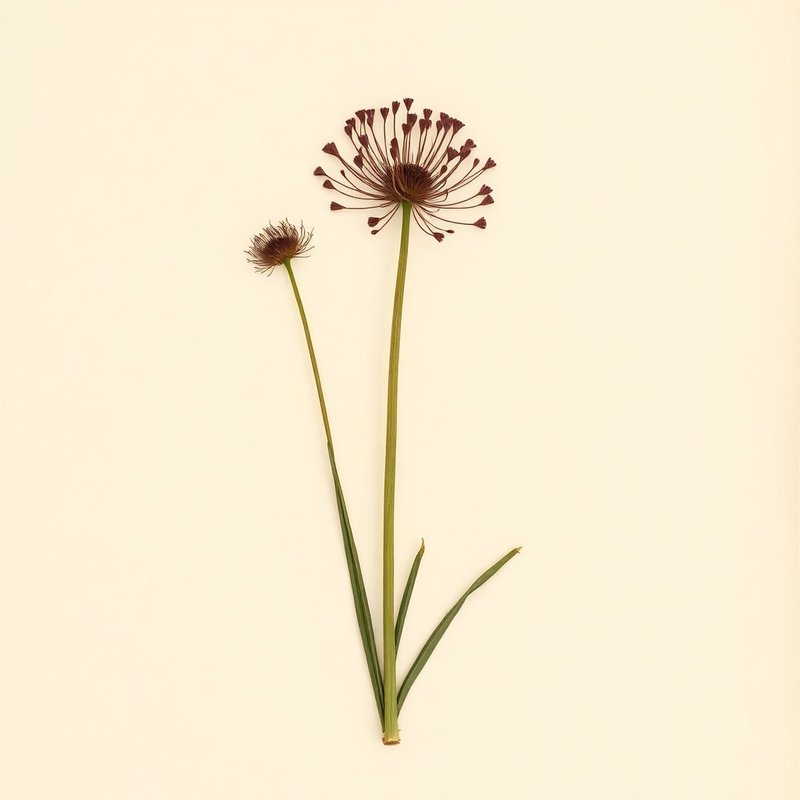
Allium atropurpureum, a member of the Liliaceae family, is native to Bulgaria, Hungary, Romania, Turkey, and Yugoslavia. This plant thrives in full sun to partial shade and prefers moist, light (sandy) or medium soil. Hardy from zones 7-10, it can grow up to 1 meter tall. Known for its edible parts—flowers, leaves, and roots—it has been used both as a food source and medicinally. Its distinctive feature is the purple hue of its foliage and flowers, setting it apart in gardens or natural habitats. The flowers can be eaten raw or cooked, adding a mild onion flavor to dishes. The leaves are often used fresh in salads or as a garnish. The roots can be consumed raw or cooked, providing a pungent taste similar to other alliums. While the plant has culinary uses, it is important to note that any medicinal use should be approached with caution and under professional guidance.
What is Allium atropurpureum?
Allium atropurpureum, a member of the Liliaceae family, is native to Bulgaria, Hungary, Romania, Turkey, and Yugoslavia. This plant thrives in full sun to partial shade and prefers moist, light (sandy) or medium soil. Hardy from zones 7-10, it can grow up to 1 meter tall.
IV·bMixology suggestions
2 drafts
Mixology suggestions
2 draftsVCultivation
Cultivation
How to grow Allium atropurpureum for the first time
Skip is a straightforward beginner plant to grow, focusing on basic care and harvesting.
- 1
What you'll need
A small plot or container with good drainage, seeds or young plants, and garden tools like a trowel.
- 2
Best time to plant
Plant Skip in early spring or late summer for best results in its hardiness zone 7-10 range.
- 3
Soil and container prep
Ensure the soil is well-draining, light (sandy), with a pH between 6.0 and 7.5. Containers should be at least 30 cm deep.
- 4
Sowing or transplanting
Direct sow seeds 1-2 cm deep in rows spaced 30 cm apart. For transplants, space them about 30 cm apart.
- 5
First two weeks
Keep the soil moist and provide light shade if direct sun is intense to prevent leaf burn.
- 6
Ongoing care
Water regularly but avoid overwatering. Fertilize lightly every few months with a balanced organic fertilizer.
- 7
Harvest or pruning
Prune dead leaves and spent flowers to encourage new growth, then harvest the roots in late fall for storage.
- 8
Common mistakes
Overwatering, planting in heavy soil, neglecting to provide light shade when needed, and not harvesting at the right time.
VIEdible & utility
Edible & utility
VIIDistribution
6 native · 2 introduced
Distribution
6 native · 2 introducedIXSpecimen gallery
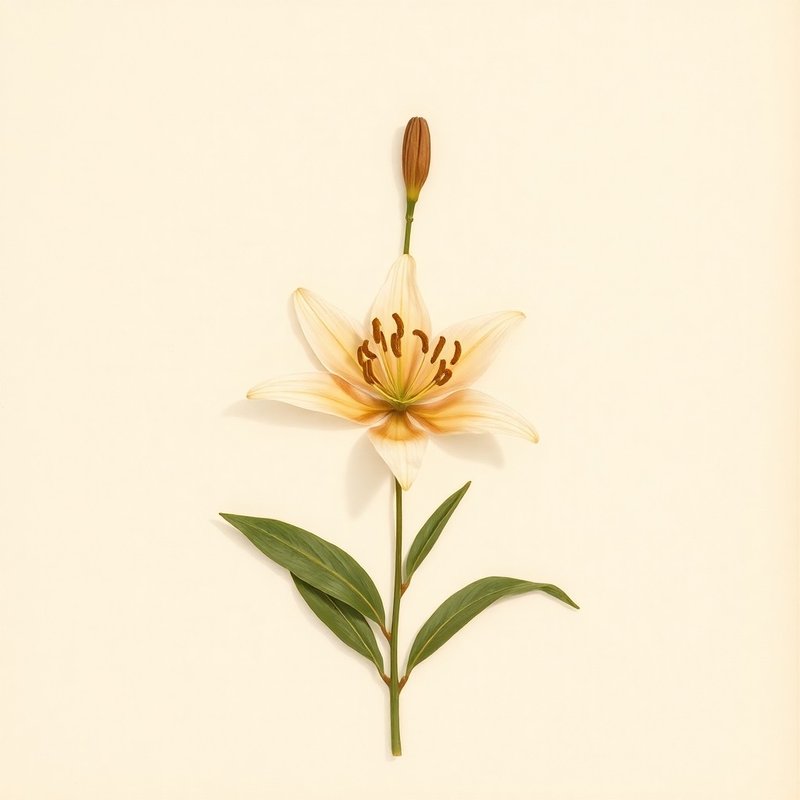
1 image
Specimen gallery
1 imageXSee also
8 related
See also
8 relatedPlants you might compare or use together — scored by shared family (Liliaceae), common use cases, and growing requirements.




Explore further
About this entry
- Last updated
- Citation
- How to cite this entry · Submit a correction
Continue reading
Get archive updates
Occasional email when substantial new content lands — plant profiles, seasonal growing notes, folk-remedy additions. Free, no tracking, unsubscribe anytime.