
Whorled bamboo
IOverview
Overview
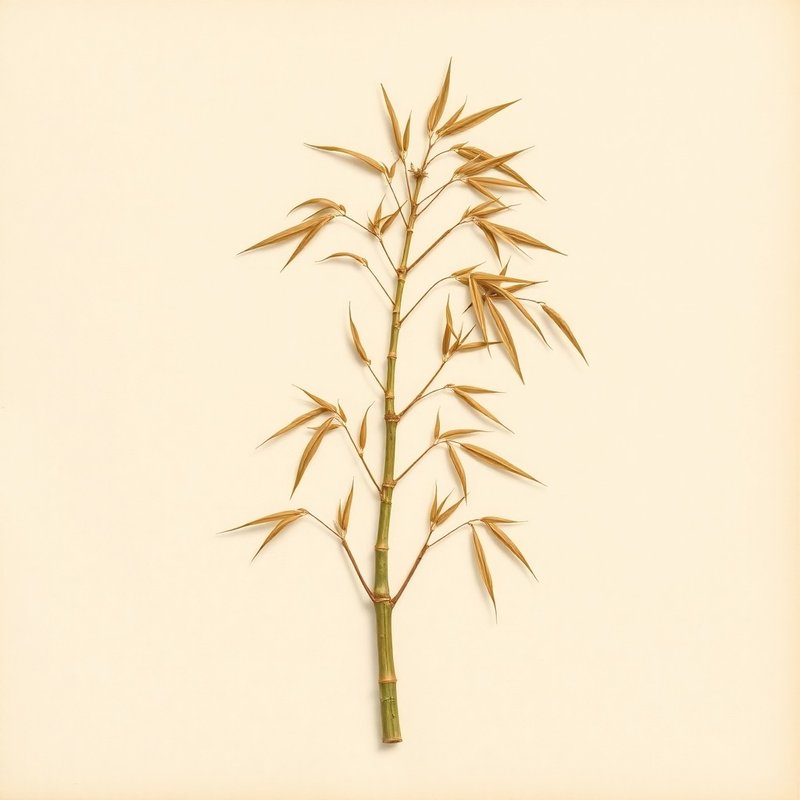
Whorled bamboo (Gigantochloa verticillata), a member of the Poaceae family, is a giant graminoid native to the tropical regions of Borneo, Cambodia, Jawa, Malaya, Myanmar, Sumatera, Thailand, and Vietnam. This plant can grow up to 15 meters in height and thrives in full sun with moist, well-draining soil that is light to medium in texture. Whorled bamboo is both an ornamental and practical plant, valued for its distinctive whorls of leaves that grow from the nodes along the stems, creating a unique and visually striking appearance. The edible shoots of the whorled bamboo are commonly prepared by steaming or boiling to make them tender and can be eaten raw or cooked. This bamboo is also useful for various practical applications, including weaving material, biomass, fire starter, animal feed, lumber, poles, and even as a toothbrush. Introduced into regions such as China South-Central, China Southeast, Colombia, Ecuador, and Honduras, whorled bamboo has adapted well to new environments, making it a versatile and valuable plant in both its native and introduced ranges.
What is Whorled bamboo?
Whorled bamboo (Gigantochloa verticillata), a member of the Poaceae family, is a giant graminoid native to the tropical regions of Borneo, Cambodia, Jawa, Malaya, Myanmar, Sumatera, Thailand, and Vietnam.
VCultivation
Cultivation
How to grow Whorled bamboo for the first time
Whorled bamboo is a forgiving plant for beginners, but it requires consistent moisture and plenty of sunlight.
- 1
What you'll need
A young whorled bamboo shoot, a large container with drainage holes, potting soil, and water.
- 2
Best time to plant
Plant in spring or early summer when the weather is warm and stable.
- 3
Soil and container prep
Use a well-draining potting mix that's light and airy. Ensure your container has enough drainage holes.
- 4
Sowing or transplanting
Transplant young shoots into the prepared container, making sure not to damage the roots.
- 5
First two weeks
Water regularly to keep the soil moist but not waterlogged. Place in a sunny spot and avoid direct sunlight for the first few days.
- 6
Ongoing care
Provide full sun, regular watering, and occasional fertilization with a balanced plant food during growing season.
- 7
Harvest or pruning
Prune dead or damaged leaves to maintain the plant's health. Harvest young shoots for culinary use in late spring.
- 8
Common mistakes
...
VIEdible & utility
Edible & utility
VIIDistribution
8 native · 5 introduced
Distribution
8 native · 5 introducedIXSpecimen gallery
1 image
Specimen gallery
1 imageXSee also
8 related
See also
8 relatedPlants you might compare or use together — scored by shared family (Poaceae), common use cases, and growing requirements.

Explore further
About this entry
- Last updated
- Citation
- How to cite this entry · Submit a correction
Continue reading
Get archive updates
Occasional email when substantial new content lands — plant profiles, seasonal growing notes, folk-remedy additions. Free, no tracking, unsubscribe anytime.