
Zambesi Sword Lily
IOverview
Overview
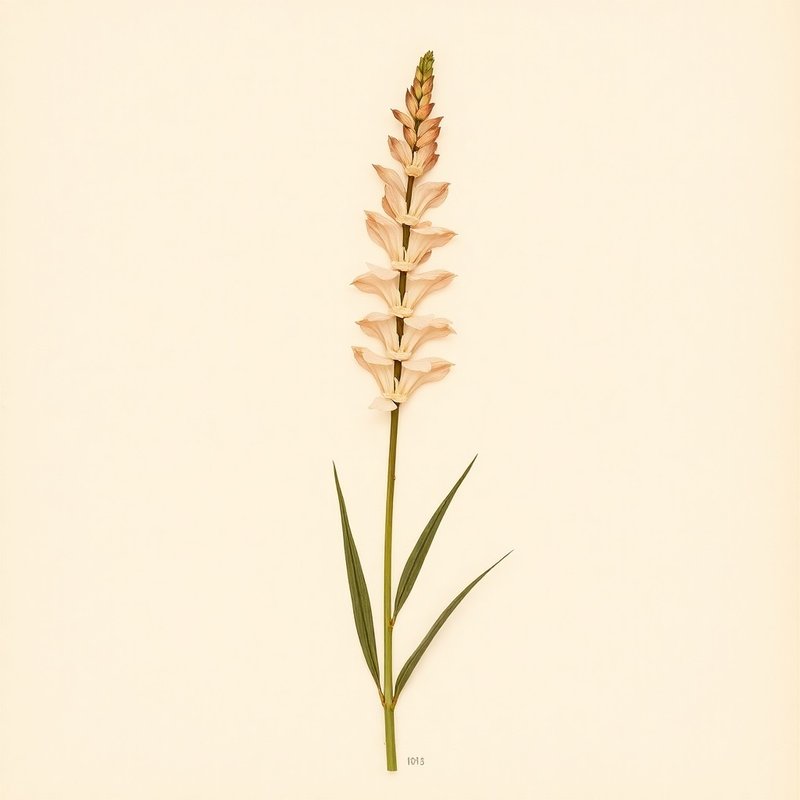
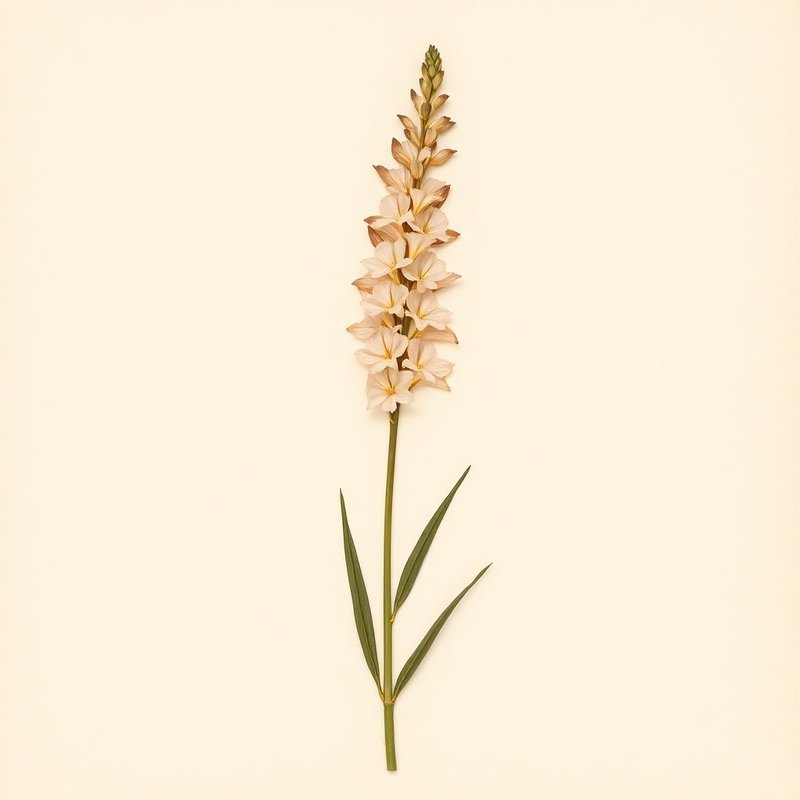
The Zambesi Sword Lily (Gladiolus zambesiacus) is a striking member of the Iridaceae family, native to the countries of Malawi and Mozambique. This plant thrives in full sun to partial shade and prefers moist conditions, growing well in light, medium, or heavy (clay) soil types. Known for its ornamental value, it features distinctive sword-like leaves and tall spires of colorful flowers, making it a notable addition to gardens and landscapes in suitable climates. The Zambesi Sword Lily also has edible parts, specifically the bulb, which can be prepared in various ways. It is typically eaten raw or cooked, adding a mild flavor to dishes, and can also be dried for preservation. This makes it a valuable food source in regions where it grows naturally. However, caution should be exercised when consuming any wild plants, as proper identification is crucial to avoid potential toxicity. Gladiolus zambesiacus thrives in full to partial sun and requires moist soil that can be light, medium, or heavy (clay). The plant is hardy in temperate regions and grows from bulbs. Ensuring the soil remains consistently damp for best results will help it flourish.
What is Zambesi Sword Lily?
The Zambesi Sword Lily (Gladiolus zambesiacus) is a striking member of the Iridaceae family, native to the countries of Malawi and Mozambique. This plant thrives in full sun to partial shade and prefers moist conditions, growing well in light, medium, or heavy (clay) soil types.
VCultivation
Cultivation
How to grow Zambesi Sword Lily for the first time
Start with Zambesi Sword Lily to gain confidence in your gardening skills.
- 1
What you'll need
Zambesi Sword Lily bulbs, a garden fork or trowel, compost.
- 2
Best time to plant
Plant in late winter or early spring when the soil is moist and warm.
- 3
Soil and container prep
Choose a location with full sun to partial shade. Ensure the soil is well-draining, light (sandy), medium, or heavy (clay).
- 4
Sowing or transplanting
Plant bulbs 4-6 inches deep and 3-5 inches apart in rows or clusters.
- 5
First two weeks
Water the planted bulbs regularly to keep the soil moist but not waterlogged. Monitor for any signs of rotting.
- 6
Ongoing care
Continue regular watering, especially during dry spells. Fertilize with a balanced fertilizer every 4-6 weeks.
- 7
Harvest or pruning
After the flowers fade, cut back the flower stalks to encourage new growth and prevent seed formation.
- 8
Common mistakes
Planting too deep, overwatering, neglecting to fertilize, not providing enough sunlight.
VIEdible & utility
Edible & utility
VIIDistribution
2 native · 0 introduced
Distribution
2 native · 0 introducedIXSpecimen gallery
1 image
Specimen gallery
1 imageXSee also
8 related
See also
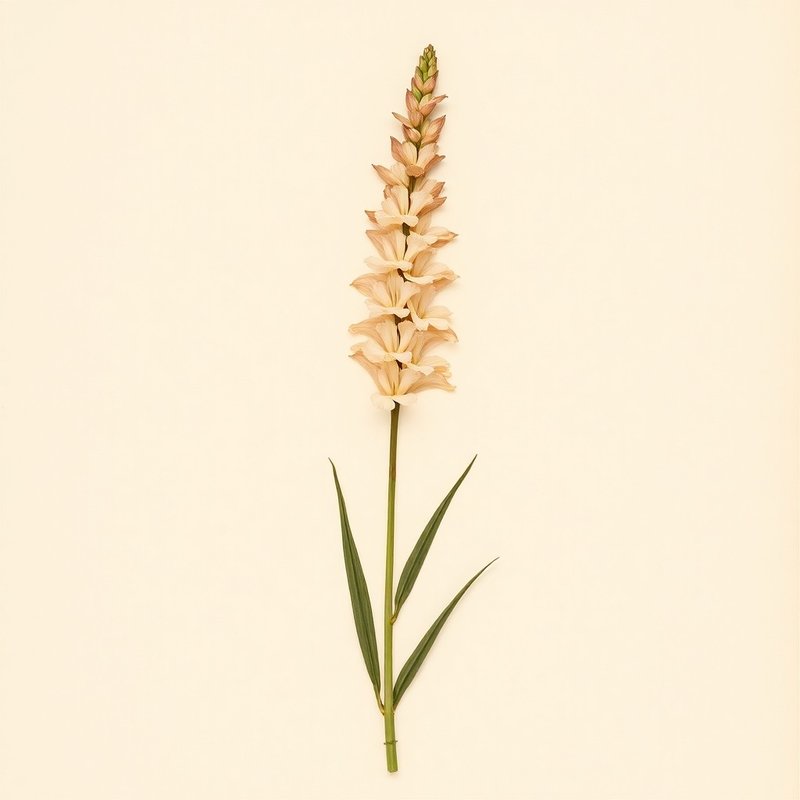
8 relatedPlants you might compare or use together — scored by shared family (Iridaceae), common use cases, and growing requirements.

Explore further
About this entry
- Last updated
- Citation
- How to cite this entry · Submit a correction
Continue reading
Get archive updates
Occasional email when substantial new content lands — plant profiles, seasonal growing notes, folk-remedy additions. Free, no tracking, unsubscribe anytime.